


Processes and Techniques for Small-Batch CNC Machining of Parts
Processes and Techniques for Small - Batch CNC Machining of Parts
Small-batch CNC machining plays an important role in modern manufacturing, especially for industries that need custom components, prototypes, or limited production runs. Unlike mass production, small-batch manufacturing focuses on flexibility, fast setup, and consistent quality across a lower number of parts. Understanding the Processes and Techniques for Small - Batch CNC Machining of Parts helps manufacturers reduce cost, improve accuracy, and shorten delivery time.
Pre - Machining Considerations
Part Design Optimization
Good design is the foundation of efficient CNC machining. In small-batch production, every minute of machine time matters, so part design should be optimized before manufacturing begins.
Designers should consider the capabilities of CNC machines, including the number of axes, tool access, and fixture limitations. Overly complex geometries often increase machining time and cost without improving functionality.
One important rule is to avoid sharp internal corners. CNC tools are round, so sharp corners require special tools or additional machining steps. Instead, use fillets or rounded internal edges whenever possible.
Standardized features such as common hole sizes, thread types, and radii should also be used. This reduces tool changes and simplifies programming.
In CAD software, parametric design tools can be very helpful. They allow engineers to quickly adjust dimensions without rebuilding the entire model. This is especially useful in pre - machining for small - batch CNC part machining, where design changes are frequent during prototyping or testing phases.
Material Selection
Material selection is another critical step in small-batch production. The choice of material directly affects machining time, tool wear, cost, and final part performance.
For cost-sensitive and general-purpose applications, aluminum is often the best choice. It is lightweight, easy to machine, and widely available. It also provides good strength for many mechanical applications.
For high-strength requirements, alloy steels are commonly used. These materials are harder to machine but offer excellent durability and wear resistance.
Titanium is selected for aerospace and medical applications due to its strength and corrosion resistance, although it requires slower machining speeds and specialized tools.
Plastics such as POM (Delrin) or ABS are also popular in small-batch production, especially for prototypes and lightweight components.
Choosing the right material ensures efficient production and reduces unnecessary machining difficulties in early stages of Processes and Techniques for Small - Batch CNC Machining of Parts.
CNC Machining Operations
Milling Operations
Milling is one of the most common CNC processes in small-batch production. It is used to create flat surfaces, pockets, slots, contours, and complex 3D shapes.
Different cutting tools are used depending on the task:
End mills: General-purpose tools used for most cutting operations.
Face mills: Used for creating flat surfaces quickly.
Ball-nose mills: Ideal for curved surfaces and 3D contouring.
Proper setup is essential for good results. Operators must select the correct tool diameter, spindle speed, feed rate, and depth of cut based on material type and geometry.
For example, softer materials like aluminum allow higher spindle speeds and faster feed rates, while harder materials like steel require slower and more controlled cutting conditions.
Efficient milling is a key part of CNC operations in small - batch part production, helping balance speed and precision in limited production runs.
Turning Operations
Turning is used to manufacture cylindrical parts such as shafts, pins, and bushings. In CNC turning, the workpiece rotates while a stationary cutting tool removes material.
Common turning tools include:
Turning inserts: Used for general shaping and finishing operations.
Form tools: Designed to create specific profiles in a single pass.
Programming turning operations requires careful control of cutting speed, feed rate, and depth of cut. These parameters vary depending on material hardness and required surface finish.
For small-batch production, turning programs are often optimized to reduce cycle time while maintaining accuracy, especially when producing multiple variations of similar parts.
Drilling and Boring
Drilling is used to create holes, while boring is used to enlarge or finish existing holes with higher precision.
Choosing the correct drill bit is essential. Factors such as material type, hole depth, and diameter must be considered. For example, high-speed steel (HSS) drills are suitable for general use, while carbide drills are better for hard materials.
Boring tools help achieve tighter tolerances and smoother internal surfaces. This is especially important when holes must meet strict dimensional requirements.
Common issues such as drill breakage or misalignment can be avoided by using proper feed rates, coolant, and secure fixturing.
Tooling and Fixturing
Tool Selection and Management
Tool selection is one of the most important decisions in small-batch CNC machining. Since production volume is low, manufacturers often prefer versatile tools instead of highly specialized ones.
A basic set of end mills and drills can handle most machining tasks. This reduces tool inventory costs and setup complexity.
However, tool wear must be monitored closely. A simple tool management system can track usage time, cutting performance, and replacement schedules.
Regular inspection helps prevent tool failure and ensures consistent part quality throughout production.
Fixturing Solutions
Fixturing is used to securely hold the workpiece during machining. Proper fixturing ensures accuracy, repeatability, and safety.
In small-batch production, flexibility is important. Modular fixtures such as adjustable vises or soft jaws are commonly used because they can be adapted for different part shapes.
Magnetic fixtures and vacuum tables may also be used for flat or thin materials.
A well-designed fixture reduces vibration, improves cutting stability, and prevents part deformation during machining.
Quality Control in Small - Batch CNC Machining
In - Process Inspection
In-process inspection is essential for maintaining quality during machining. Instead of waiting until the end, operators regularly check dimensions and surface conditions during production.
Common tools include calipers, micrometers, and coordinate measuring machines (CMMs).
Typical inspection points include:
Hole diameter during drilling operations
Depth of milled pockets
Outer diameter in turning processes
Early detection of errors helps reduce scrap and improves overall efficiency in quality control in small - batch CNC part machining.
Final Inspection and Testing
Final inspection ensures that all parts meet design specifications before delivery.
This process includes full dimensional checks, surface finish evaluation, and sometimes functional testing depending on the part’s application.
For mechanical components, simulated load testing may be used to confirm performance under real working conditions.
Inspection checklists are commonly used to ensure no step is missed. This improves consistency and builds trust in the final product quality.
Conclusion
The Processes and Techniques for Small - Batch CNC Machining of Parts require careful attention at every stage, from design and material selection to machining operations and final inspection. Small-batch production demands flexibility, efficiency, and precision, making proper planning essential.
By optimizing part design, selecting suitable materials, using correct machining operations, and applying strict quality control, manufacturers can achieve high-quality results even in low-volume production.
With the right approach, small-batch CNC machining becomes a powerful solution for prototypes, custom parts, and specialized industrial applications.
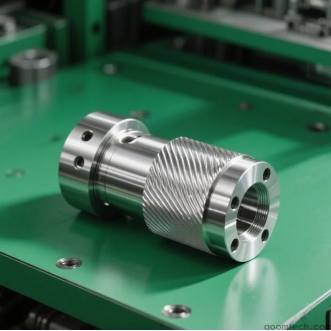 How to Ensure Precision in CNC
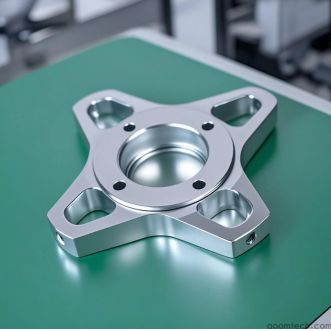 Small Batch Precision CNC Mach
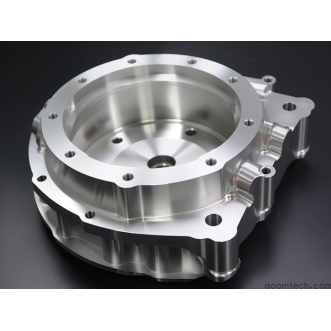 What surface finish can CNC ma
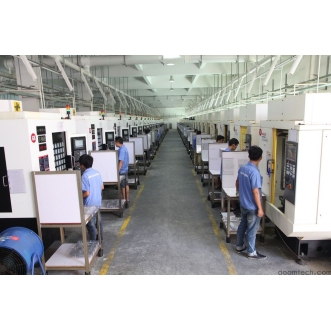 CNC Machining Tolerance Settin