


Supplier of CNC Machined Precision Engineering Plastic Parts
Choosing the right Supplier of CNC Machined Precision Engineering Plastic Parts is essential for industries that require accuracy, durability, and reliable performance. These suppliers play a key role in delivering components that meet strict engineering standards while supporting modern manufacturing needs.
Introduction to Precision Engineering Plastic Parts
Importance of Precision Engineering Plastic Parts
Precision engineering plastic parts are widely used in many industries because of their unique properties such as lightweight structure, corrosion resistance, and excellent electrical insulation. These advantages make them ideal for demanding applications where metal parts may not be suitable.
For example, in the electronics industry, these parts are commonly used in connectors, insulators, and protective enclosures. In the automotive sector, they are used in dashboard components, sensor housings, and engine covers. In medical technology, they are found in diagnostic devices, surgical equipment housings, and fluid control systems. They are also widely used in aerospace, robotics, and industrial automation systems.
What to Look for in a Supplier
Technical Expertise
The technical expertise of precision plastic part suppliers is one of the most important factors when choosing a partner. A reliable supplier must understand different engineering plastics such as PEEK, nylon, ABS, PTFE, and polycarbonate.
Each material behaves differently during CNC machining. For example, PEEK requires high-temperature resistance and careful tool selection, while nylon may need moisture control to prevent deformation. A skilled supplier understands cutting speeds, feed rates, and tooling strategies to prevent melting, warping, or surface damage.
Advanced suppliers can achieve tight tolerances, often within ±0.05mm or even better for critical parts. You can evaluate their expertise by requesting sample parts, reviewing case studies, or testing prototype production quality.
Quality Assurance
Quality assurance in CNC-machined precision plastic parts suppliers is essential to ensure consistency and reliability. A professional supplier should operate under a strict quality management system, often certified by ISO 9001 or similar standards.
Good quality control includes in-process inspection and final inspection. Common tools include calipers, micrometers, height gauges, and optical measuring systems. Some advanced suppliers also use CMM (Coordinate Measuring Machines) for high-precision verification.
A strong quality system should also include:
Clear inspection checklists for every production stage
Regular calibration of measuring instruments
Traceability of materials and production batches
Defined handling procedures for non-conforming parts
Production Capacity and Lead Time
A reliable supplier must have sufficient production capacity to handle both small prototype orders and large-scale production runs. This flexibility is especially important for companies with changing demand.
Lead time is another critical factor. A professional supplier should provide realistic timelines and maintain delivery reliability. For urgent projects, some suppliers offer expedited production services without compromising quality.
You can evaluate production capacity by reviewing past delivery performance, machine inventory, and production scheduling systems.
Benefits of Choosing the Right Supplier
Customization
The right supplier offers advanced customization capabilities. They can manufacture complex geometries, fine features, and application-specific designs based on your technical drawings or CAD models.
For example, a medical device manufacturer may require a custom-shaped plastic housing with high dimensional accuracy and biocompatible material. A skilled supplier can adjust machining methods to meet these special requirements.
Cost-Effectiveness
Cost-effectiveness with precision plastic part suppliers is not just about low pricing—it is about value optimization. Experienced suppliers reduce costs by improving machining efficiency, minimizing material waste, and selecting suitable manufacturing strategies.
They may also recommend alternative materials or design improvements that reduce production costs without affecting performance. For instance, switching from PEEK to high-grade nylon in non-critical applications can significantly lower expenses.
Technical Support and Innovation
A strong supplier does more than manufacturing. They also provide technical guidance during design and development stages. This includes advice on material selection, tolerance optimization, and machining feasibility.
Innovative suppliers continuously improve their processes by adopting advanced CNC technology, multi-axis machining, and automation systems. These improvements result in higher precision, better consistency, and faster production cycles.
Case Studies of Reputable Suppliers
Case Study 1: High-Precision Industrial Components
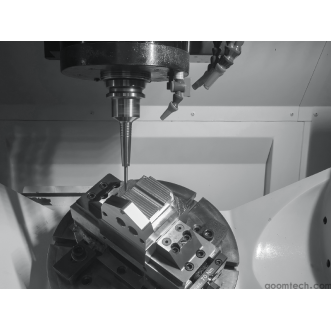
A manufacturing company required ultra-precise plastic components with tight tolerances of ±0.03mm for an industrial automation system. The supplier used advanced 5-axis CNC machines and implemented strict in-process inspection at every production stage.
Despite a short delivery deadline, the supplier optimized tool paths and used high-speed machining strategies to reduce production time. Final inspection ensured all parts met specifications, and the project was delivered on time without defects.
Case Study 2: Aerospace Application Components
In another project, a supplier produced engineering plastic parts for aerospace applications. These parts required strict compliance with aerospace material certification standards and high resistance to temperature and vibration.
The supplier implemented full material traceability, precision machining, and multiple quality inspection stages. The final components passed all industry testing requirements and were successfully integrated into the aerospace system.
Tips for Working with Suppliers
Effective Communication
Clear communication is essential when working with a Supplier of CNC Machined Precision Engineering Plastic Parts. Provide detailed technical drawings, tolerance requirements, material specifications, and delivery expectations.
Regular communication during production helps prevent misunderstandings and ensures that any issues are resolved early. Scheduled progress updates can also improve transparency and trust.
Long-Term Partnership
Building a long-term relationship with your supplier brings many advantages. Over time, the supplier becomes more familiar with your technical requirements, leading to faster production and improved consistency.
A stable partnership also improves negotiation flexibility and can lead to better pricing and priority production scheduling. Trust and collaboration often result in higher product quality and smoother project execution.
Conclusion
Selecting the right Supplier of CNC Machined Precision Engineering Plastic Parts is a critical decision that impacts product quality, cost, and performance. By evaluating technical expertise, quality assurance systems, production capacity, and long-term value, businesses can ensure successful outcomes in their manufacturing projects.
Working with a qualified supplier is not just a procurement decision—it is a strategic partnership that supports innovation, efficiency, and long-term growth.
 Process of Custom High-Precisi
 CNC Machining Parameter Settin
 5 Key Tips for CNC Machining o
 Small-batch Precision Parts 5-