


What Should You Look for in a Hardware Parts CNC Machining Manufacturer
What Should You Look for in a Hardware Parts CNC Machining Manufacturer
Choosing the right partner for precision production is not always easy. Many suppliers can claim they are capable, but not all of them can meet strict requirements for hardware parts. This guide explains What Should You Look for in a Hardware Parts CNC Machining Manufacturer so you can make a safe and informed decision for your project.
Manufacturing Capabilities of a Hardware Parts CNC Machining Manufacturer
Machine Diversity
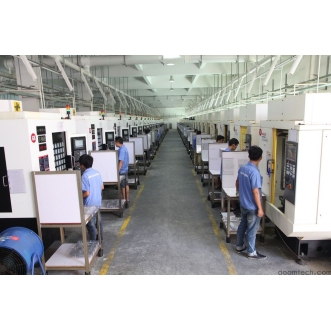
One of the first things to check is the variety of CNC machines a manufacturer uses. A strong factory should have a full range of equipment:
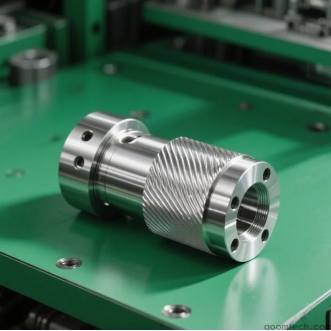
CNC lathes for cylindrical parts such as bolts, shafts, and bushings
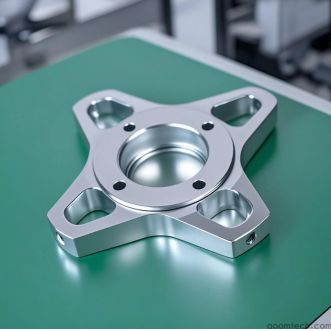
CNC milling machines for flat surfaces, grooves, and complex shapes
4-axis and 5-axis machines for highly complex geometries
For example, a simple aluminum bolt can be made on a CNC lathe, while a complex automotive bracket with multiple angled surfaces may require a 5-axis machine. A manufacturer with limited machine types may not be able to support advanced designs efficiently.
This is a key part of evaluating the manufacturing capabilities of hardware parts CNC machining manufacturer, especially for projects involving complex geometry or multi-step machining.
Precision and Tolerance
Precision is critical in hardware parts manufacturing. Many industries require extremely tight tolerances, such as ±0.05mm or even tighter in electronics and precision assemblies.
A reliable manufacturer should have:
Advanced CNC control systems
Well-calibrated machines
Skilled operators with measurement experience
You can evaluate their capability by requesting sample parts, technical drawings, or tolerance reports. Consistent precision shows strong engineering control and stable production quality.
Quality Assurance in Hardware Parts CNC Machining Manufacturing
In-Process Quality Control
A professional manufacturer does not wait until the end of production to check quality. Instead, they perform continuous inspections during machining.
Common tools include:
Calipers and micrometers for quick measurements
Coordinate Measuring Machines (CMM) for high-precision inspection
This helps detect issues early, such as a hole being slightly too large or a surface not meeting tolerance. Fixing problems during production reduces waste and improves consistency.
Final Inspection and Testing
Before shipment, all hardware parts should go through final quality checks. These may include:
Dimensional inspection
Surface finish evaluation
Functional testing (if required)
In some industries, non-destructive testing methods like ultrasonic testing or magnetic particle inspection are used to detect hidden defects.
Detailed inspection reports are a strong sign of a trustworthy supplier and reflect high standards in quality assurance in hardware parts CNC machining manufacturing.
Experience and Technical Expertise
Industry-Specific Experience
Different industries have different requirements. A manufacturer experienced in aerospace, automotive, or medical industries will better understand material standards, tolerances, and compliance requirements.
For example, aerospace hardware often requires high-strength alloys and strict certification processes. An experienced supplier can reduce risks and improve production reliability.
Hardware-Part Specialization
A manufacturer that focuses on hardware parts usually performs better than a general machining shop. They understand common challenges such as:
High-strength materials
Wear resistance requirements
Surface finishing for durability
They may also suggest design improvements. For instance, they might modify a part to reduce machining time while keeping structural strength. This expertise improves both quality and efficiency.
Cost-Effectiveness in Choosing a Hardware Parts CNC Manufacturer
Transparent Pricing
Clear pricing is essential for comparing suppliers fairly. A reliable manufacturer should provide a detailed cost breakdown, including:
Material costs
Machining costs
Tooling and setup costs
Additional finishing or inspection fees
This transparency helps you understand where your budget goes and avoids hidden charges.
Cost-Saving Suggestions
A good manufacturer does more than just produce parts—they help optimize your design and reduce costs.
Common cost-saving strategies include:
Adjusting part geometry to simplify machining
Using standard material sizes to reduce waste
Suggesting alternative materials with similar performance
These improvements can significantly reduce production costs while maintaining quality, improving overall cost-effectiveness in choosing a hardware parts CNC manufacturer.
Customer Service and Communication
Responsiveness
Fast and clear communication is often a sign of a professional manufacturer. They should respond quickly to technical questions, quotation requests, and production updates.
Early communication also helps you judge whether they can handle your project efficiently and professionally.
Flexibility and Collaboration
Manufacturing projects often change during development. A good CNC partner should be flexible and open to adjustments.
This may include:
Adjusting production schedules
Modifying part designs for better manufacturability
Supporting engineering improvements during production
Strong collaboration between customer and manufacturer often leads to better final products and fewer production issues.
Conclusion
When evaluating suppliers, it is important to look beyond price alone. The right decision depends on machine capability, precision control, quality systems, industry experience, cost structure, and communication quality.
By carefully reviewing these factors, you can better understand What Should You Look for in a Hardware Parts CNC Machining Manufacturer and choose a partner that ensures stable quality, reliable delivery, and long-term value for your project.
 How to Ensure Precision in CNC
 Small Batch Precision CNC Mach
 What surface finish can CNC ma
 CNC Machining Tolerance Settin