


How to Choose a Factory for Batch CNC Machining of Precision Hardware Parts
How to Choose a Factory for Batch CNC Machining of Precision Hardware Parts
Choosing the right manufacturing partner is one of the most important decisions in producing high-quality components. When it comes to precision hardware parts, even small mistakes in machining can lead to assembly problems, performance failure, or increased costs. This guide explains How to Choose a Factory for Batch CNC Machining of Precision Hardware Parts in a clear and practical way, helping you make a confident and informed decision.
Understand Your Precision Hardware Part Requirements
Part Complexity and Quantity
Before selecting a factory, you must clearly define what kind of parts you need. Precision hardware parts can range from simple brackets to highly complex components with multiple holes, slots, threads, or contoured surfaces.
For example:
A simple part like a metal spacer may only require basic CNC turning.
A complex part like an electronic connector housing may require multi-axis milling with tight dimensional control.
Batch quantity is equally important. A small batch of 10–50 pieces may require a flexible workshop that can quickly adjust setups. Larger batches of thousands of pieces require a factory with automated workflows, stable production lines, and consistent output capability.
Understanding both complexity and quantity is the foundation of evaluating machining capabilities for batch precision hardware parts.
Precision and Tolerance Requirements
Precision defines how accurately a part must be manufactured. Tolerances such as ±0.05mm or even tighter are common in precision hardware production.
Different industries have different expectations:
Aerospace: Extremely tight tolerances for engine and structural components where safety is critical.
Automotive: Medium to tight tolerances depending on engine, transmission, or structural parts.
Furniture or general hardware: More flexible tolerances where appearance and basic fit are sufficient.
Tighter tolerances require advanced CNC machines, skilled operators, and strict quality control systems. Factories that cannot consistently hold tolerance levels may cause assembly failure or product instability.
Evaluate Factory Capabilities
Machine Diversity and Axes
A capable CNC factory should have a wide range of machining equipment. Each machine type plays a different role in production:
CNC lathes: Ideal for cylindrical parts such as shafts, bolts, and threaded components.
CNC milling machines: Used for flat surfaces, slots, grooves, and complex shapes.
4-axis machines: Allow rotation for more complex geometries without repositioning.
5-axis machines: Enable high-precision machining of complex 3D shapes in a single setup.
For example, a simple bolt may only need CNC turning, while a precision aerospace bracket often requires 5-axis machining to achieve accuracy and surface quality.
Precision and Repeatability
In batch production, consistency is just as important as accuracy. A good factory must ensure every part in the batch matches the same specifications.
To assess repeatability, you can:
Request sample parts from previous batch production projects
Ask about machine calibration frequency
Review process documentation and production standards
Strong repeatability is a key factor in quality assurance in batch CNC machining of precision hardware parts, ensuring all components fit perfectly during assembly.
Check Quality Assurance Systems
In-process Quality Control
A reliable factory does not wait until the end of production to check quality. Instead, it uses in-process inspection systems during machining.
Common tools include:
Calipers and micrometers for quick dimensional checks
Coordinate Measuring Machines (CMM) for high-precision measurement
This approach helps detect errors early, reducing waste and preventing defective batches. It is especially important for high-value precision hardware parts where mistakes can be costly.
Final Inspection and Testing
After machining, parts should go through a final inspection stage to ensure compliance with specifications.
This may include:
Dimensional verification using CMM systems
Surface finish inspection
Functional testing for assembly or mechanical movement
Non-destructive testing (such as ultrasonic or magnetic particle inspection for internal defects)
A strong inspection system ensures that only qualified parts are shipped to customers, reducing risks in downstream assembly and use.
Review Experience and Expertise
Industry Experience
Factories with experience in your industry understand your technical requirements better. For example:
An automotive-focused factory understands vibration resistance and safety standards.
An electronics-focused factory understands miniaturization and tight fitting requirements.
Requesting case studies or project references helps verify their real-world experience.
Precision Hardware Part Experience
Not all CNC factories specialize in precision hardware parts. Those that do will have better understanding of material behavior, tooling selection, and tolerance control.
Experienced manufacturers can optimize machining paths, reduce tool wear, and improve production efficiency. This directly improves part quality and reduces production risks.
Consider Cost-effectiveness
Price Quotes and Transparency
Always request detailed and transparent quotations from multiple factories. A professional quote should clearly include:
Material costs
Machining time and process costs
Tooling or setup fees
Surface treatment or finishing costs
Be cautious of extremely low prices, as they may indicate hidden compromises in quality or process control.
Cost-saving Strategies
A good supplier will help you reduce costs without reducing quality. Common strategies include:
Design optimization for easier machining
Using standard tools instead of custom tooling when possible
Combining multiple batch orders for better pricing
These approaches help balance performance and budget while maintaining production reliability.
Assess Customer Service and Communication
Responsiveness
Fast and clear communication is a strong indicator of a professional factory. They should respond quickly to technical questions, quotation requests, and production updates.
Delayed or unclear communication can lead to misunderstandings, production delays, and quality issues.
Collaboration and Flexibility
Good manufacturers are not just suppliers—they are partners. They should be willing to:
Suggest design improvements for manufacturability
Adjust production schedules when needed
Adapt to changes in design or specifications
This level of cooperation is especially important in batch production, where changes and optimizations often occur during development.
Strong communication and teamwork are essential in customer service in choosing a factory for batch precision hardware parts.
Conclusion
Choosing the right CNC machining partner is not only about price—it is about capability, consistency, and trust. By carefully evaluating technical ability, quality systems, experience, cost structure, and communication, you can significantly reduce production risks and improve product success.
A well-selected factory will not only manufacture your precision hardware parts but also support your long-term product development and scalability needs.
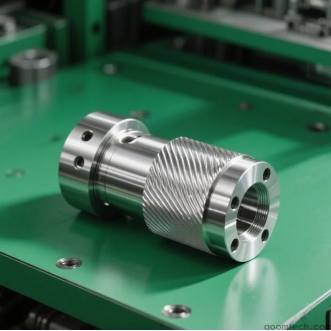 How to Ensure Precision in CNC
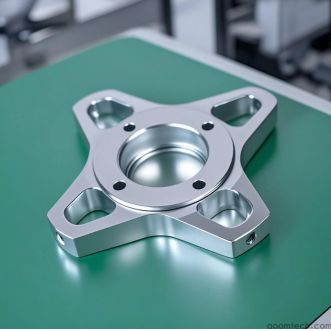 Small Batch Precision CNC Mach
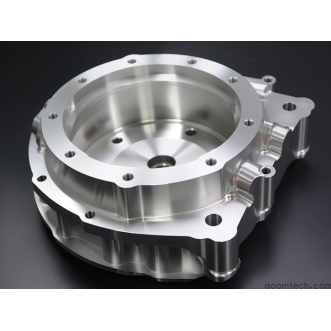 What surface finish can CNC ma
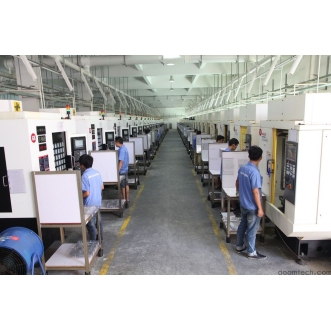 CNC Machining Tolerance Settin