


Your Ultimate Guide to Small-Batch, Precision CNC Machining Parts
Your Ultimate Guide to Small - Batch, Precision CNC Machining Parts
Small - batch, precision CNC machining plays an important role in modern manufacturing. It helps businesses and engineers create high - quality parts in limited quantities while maintaining very tight accuracy. This guide explains everything you need to know, from design and materials to choosing the right machining provider, so you can make better decisions for your projects.
Understanding Small - Batch, Precision CNC Machining
Definition and Significance
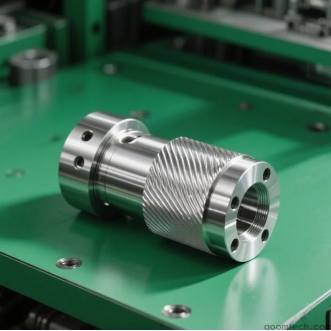
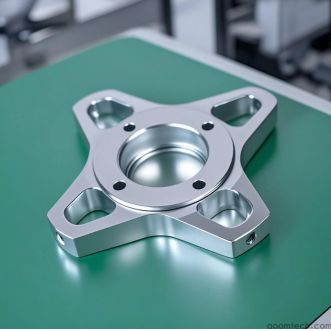
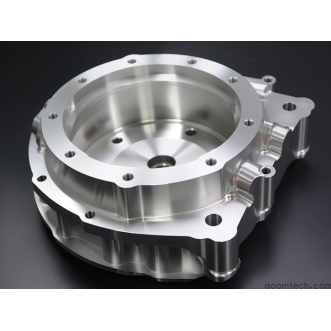
Small - batch, precision CNC machining refers to the production of a limited number of parts, usually from a few pieces to a few hundred units, using computer numerical control (CNC) machines. These parts are made with high accuracy, often within a few hundredths of a millimeter.
This type of manufacturing is widely used in industries where accuracy and flexibility are critical. For example, in electronics prototyping, engineers need small quantities of precise components to test new designs. In the medical field, custom surgical tools and devices often require small - batch production with extremely tight tolerances to ensure safety and performance.
Part Design Considerations
Function - based Design
A successful part design always starts with its function. Before thinking about shape or material, it is important to understand what the part must do. It may transmit force, support weight, connect components, or measure signals.
For example, in a small - batch production of custom camera brackets, the design must balance lightweight structure with strong support. A clear focus on function helps reduce unnecessary complexity and improves performance.
Long-tail keyword: part design for small - batch precision CNC machining
Machinability in Design
Designing with machinability in mind is essential for cost and efficiency. Complex shapes, sharp internal corners, and deep cavities can increase machining difficulty, especially for small - batch production where setup time matters.
Good design practices include using rounded edges instead of sharp corners, keeping wall thickness consistent, and reducing unnecessary deep pockets. These improvements can reduce the number of machine setups and lower production costs while improving accuracy.
Material Selection
Properties Matching Requirements
Choosing the right material is critical for performance and durability. Different applications require different material properties such as strength, corrosion resistance, heat resistance, and wear resistance.
For example, parts used in food - processing equipment often require stainless steel because it resists corrosion and is safe for contact with food. However, each material also affects machining speed, tool wear, and production cost.
Long-tail keyword: material selection in small - batch precision CNC parts
Cost - effectiveness in Material Choice
In small - batch production, cost control is very important. While advanced materials like titanium offer excellent performance, they are expensive and harder to machine.
In many cases, alternative materials can provide similar performance at lower cost. For example, aluminum can replace titanium in applications where extreme strength is not required, offering a good balance between weight, strength, and machinability.
Finding the Right CNC Machining Provider
Evaluating Capabilities
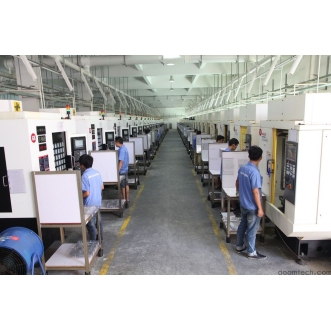
When selecting a CNC machining provider, it is important to evaluate their technical capabilities. A reliable provider should have a range of machines, including CNC lathes, milling machines, and multi - axis machining centers.
You should also check whether they can achieve the required tolerances for your parts. One practical method is to request sample parts or review their previous machining projects to verify quality and precision.
Long-tail keyword: finding a provider for small - batch precision CNC machining
Experience with Small - batch and Precision Work
Experience matters greatly in small - batch production. Providers with experience understand the challenges of handling custom designs, tight tolerances, and limited production runs.
Requesting case studies or client references can help you understand their reliability and consistency. Experienced manufacturers are more likely to deliver stable quality and reduce production risks.
Quality Assurance
In - process Quality Control
A strong quality control system is essential during production. Reputable CNC machining providers use precision tools such as calipers, micrometers, and coordinate measuring machines (CMM) to check dimensions during machining.
This allows them to detect errors early and make corrections before completing the batch, reducing waste and improving consistency.
Final Inspection and Testing
After machining is complete, final inspection ensures that every part meets specifications. This may include dimensional checks, surface quality evaluation, and functional testing depending on the application.
In industries like medical or aerospace, additional non - destructive testing may also be required. A professional provider should always supply detailed inspection reports for transparency and trust.
Cost and Delivery
Cost Transparency
Clear pricing is essential for planning and budgeting. A reliable CNC provider should break down costs into material costs, machining time, tooling, and any additional services.
Asking for a detailed quotation helps you understand where your money is going and makes it easier to compare different suppliers fairly.
Delivery Time and Reliability
On-time delivery is critical, especially when small - batch parts are part of a larger development or production schedule. A dependable provider should provide realistic lead times and communicate clearly about potential delays.
It is also useful to ask about their production capacity and how they handle urgent orders or unexpected issues.
Conclusion
Small - batch, precision CNC machining is a powerful solution for industries that need accuracy, flexibility, and fast prototyping. By focusing on smart design, proper material selection, and choosing the right manufacturing partner, you can significantly improve both quality and efficiency.
Understanding these key factors will help you successfully manage your projects and achieve better results in precision manufacturing.
 How to Ensure Precision in CNC
 Small Batch Precision CNC Mach
 What surface finish can CNC ma
 CNC Machining Tolerance Settin