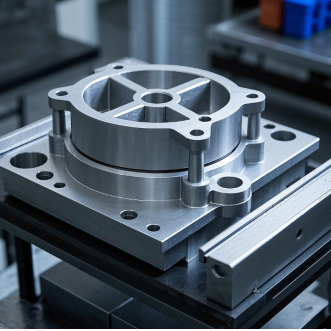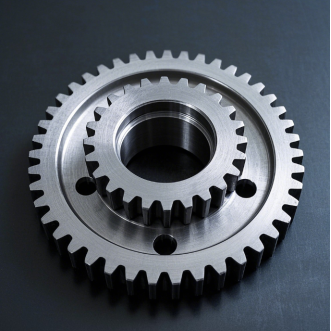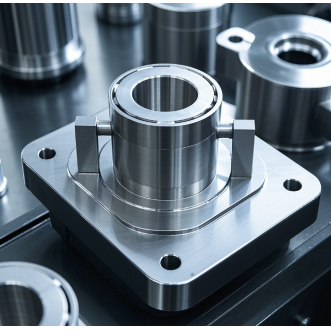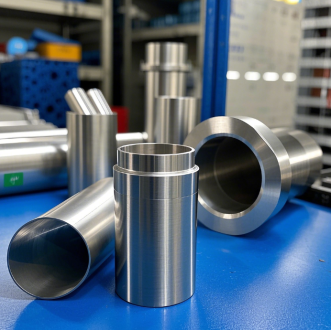
5-Axis Precision CNC Machining Services
Introduction to 5 - Axis Precision CNC Machining Services
Understanding 5 - Axis Precision CNC Machining
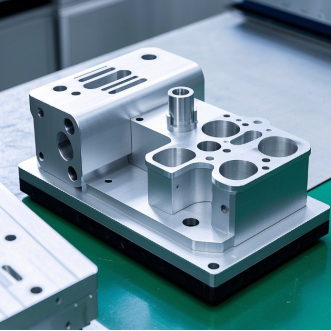
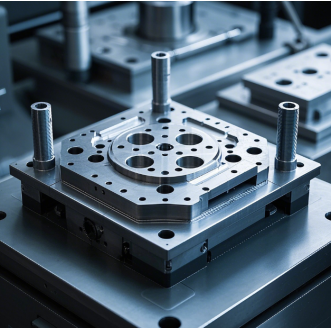
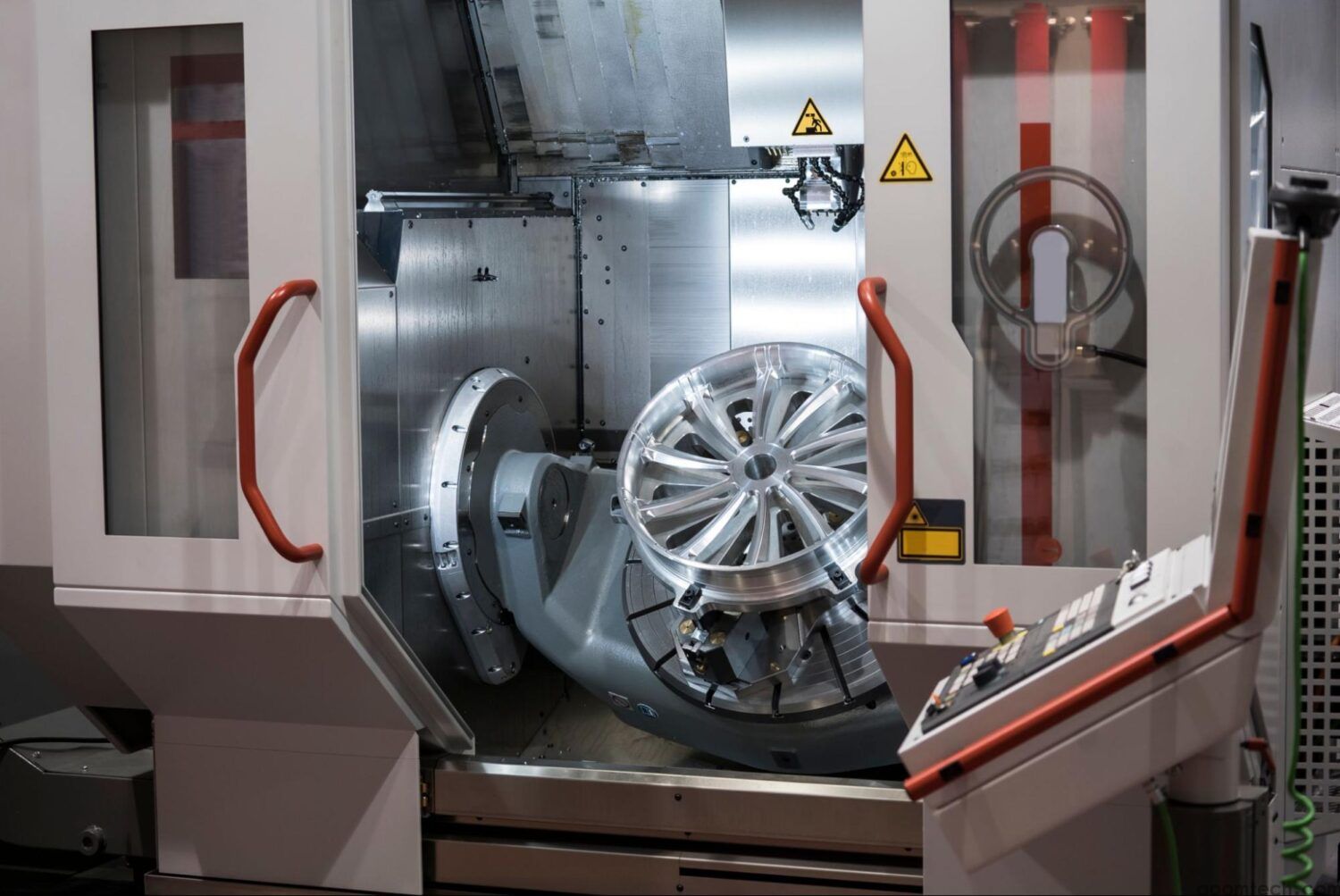
5 - Axis precision CNC machining is an advanced manufacturing process used to produce highly complex and accurate parts. CNC stands for Computer Numerical Control, where machines are controlled by programmed instructions rather than manual operation.
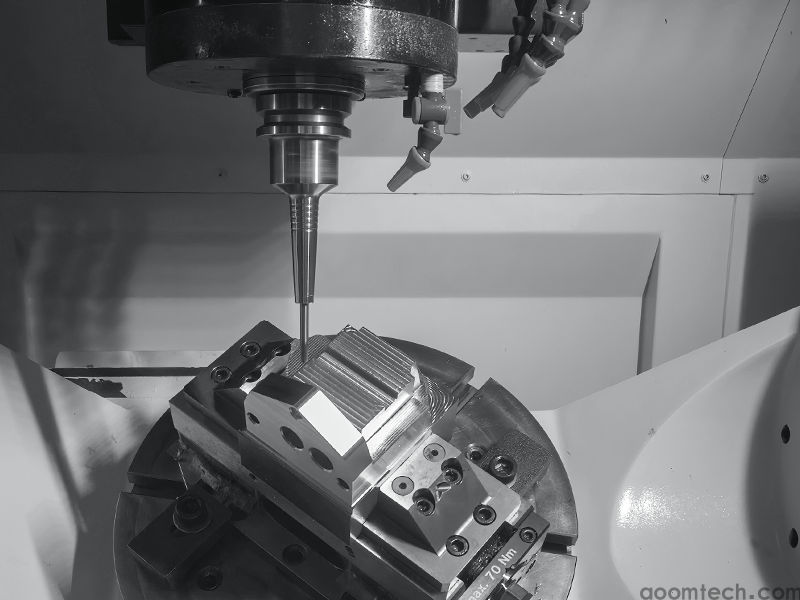
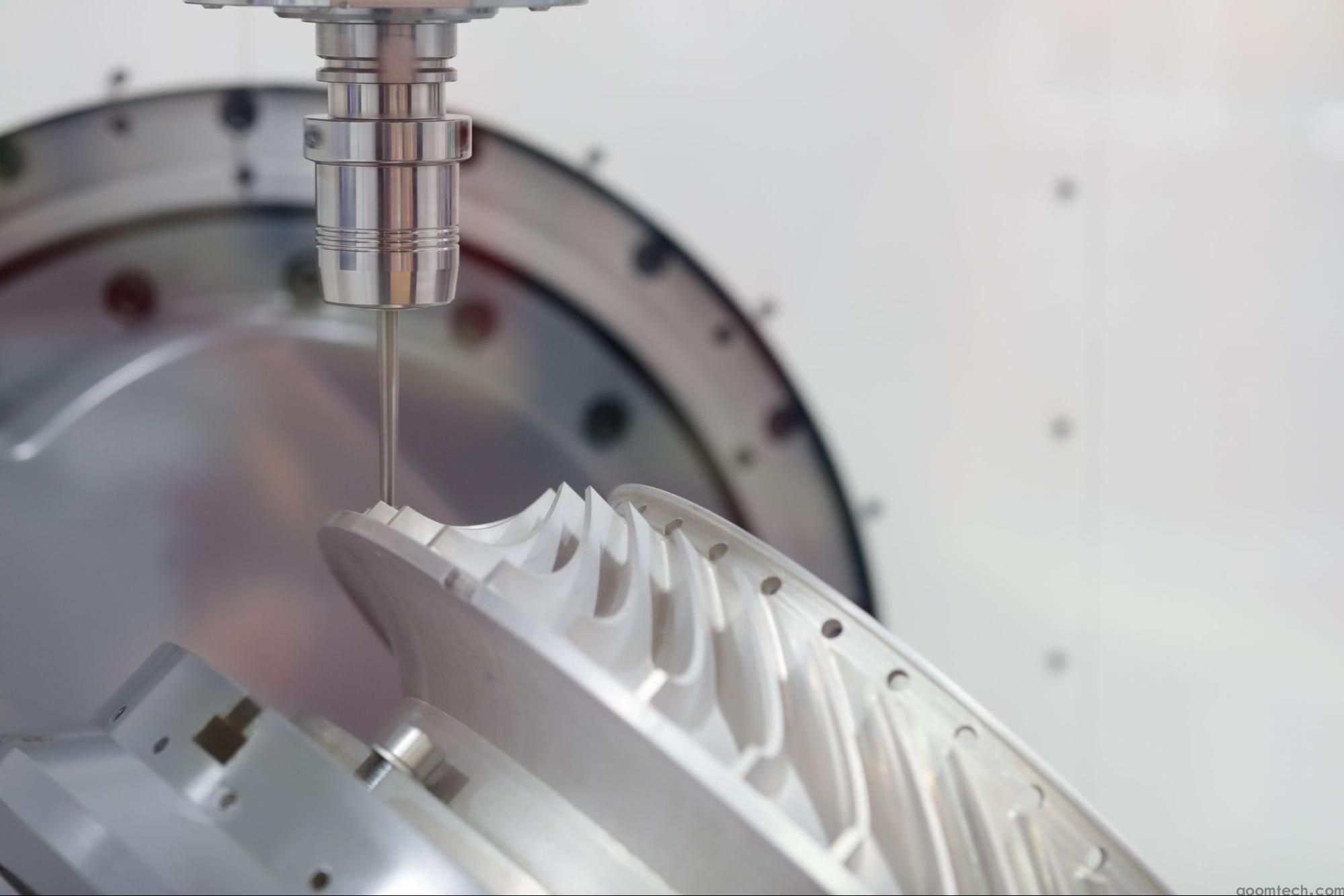
Unlike traditional 3 - axis machining, which moves in X, Y, and Z directions, 5 - axis machining adds two rotational movements. This means the cutting tool or workpiece can move in five directions at the same time. These additional movements allow manufacturers to create parts with extremely complex shapes in a single setup.
This technology is widely used in industries such as aerospace, automotive, medical devices, robotics, and energy, where precision and complex geometries are essential for performance and safety.
Importance of 5 - Axis Precision CNC Machining Services
Complex Geometries and Intricate Designs
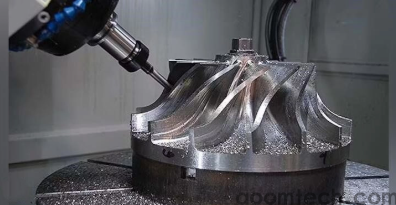
One of the biggest advantages of 5 - axis machining for complex geometries is its ability to produce parts with difficult shapes. These include curved surfaces, deep cavities, undercuts, and irregular angles.
For example, in the aerospace industry, turbine blades require smooth aerodynamic curves that must be manufactured with extreme accuracy. 5 - axis machining allows the tool to approach the part from almost any direction, making it possible to create these advanced shapes efficiently and accurately.
High Precision and Accuracy
5 - axis CNC machining significantly improves precision because it reduces the need for multiple setups. In traditional machining, each repositioning of the part introduces small alignment errors. Over multiple setups, these errors can accumulate.
With 5 - axis machining, most operations can be completed in one setup, ensuring tighter tolerances and better consistency.
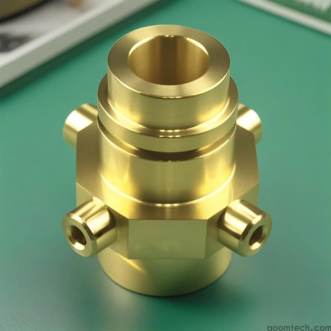
This is especially important for products like medical implants, where accuracy directly affects patient safety, or high-performance engine components, where even small deviations can reduce efficiency.
Reduced Production Time and Costs
Another key benefit of 5 - Axis Precision CNC Machining Services is improved efficiency. Because fewer setups are required, production time is reduced. Operators spend less time repositioning parts and more time machining.
This also reduces labor costs and the risk of human error. In addition, optimized toolpaths can improve material usage, reducing waste. Over time, this leads to more cost-effective production, especially for complex and high-value parts.
5 - Axis CNC Machining Processes
Toolpath Planning
Toolpath planning is a critical step in modern machining. Engineers use advanced CAD/CAM systems to design the movement path of the cutting tool.
Using and software, programmers calculate the most efficient tool movements while avoiding collisions and ensuring a smooth surface finish.
Different strategies are used for roughing (removing bulk material) and finishing (achieving final precision). Proper planning ensures both speed and accuracy.
Machining Operations
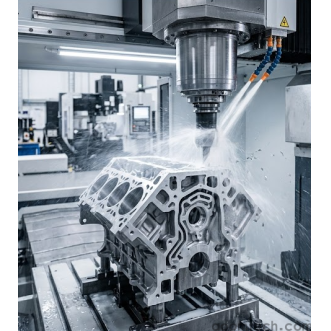
5 - axis machining supports a wide range of operations such as milling, drilling, contouring, and complex surface finishing. The added rotational axes allow the tool to reach difficult angles without repositioning the workpiece.
Cutting parameters like spindle speed, feed rate, and depth of cut must be carefully adjusted depending on the material and geometry. This ensures tool life is optimized while maintaining precision.
Fixture and Setup
Fixtures play a crucial role in holding the workpiece securely during machining. In 5 - axis operations, fixtures must allow access from multiple directions while maintaining stability.
A poorly designed fixture can lead to vibration, inaccuracies, or even part damage. Therefore, proper setup is essential for achieving high-quality results.
Materials Used in 5 - Axis Precision CNC Machining
Metals
Metals are widely used in 5 - axis machining due to their strength and durability.
Aluminum – Lightweight and easy to machine. Common in aerospace and automotive parts where weight reduction is important.
Steel – Strong and wear-resistant. Used in heavy machinery and structural components.
Titanium – High strength-to-weight ratio and excellent corrosion resistance. Frequently used in aerospace and medical applications.
Each metal behaves differently during machining. For example, titanium generates more heat and requires specialized cutting tools and cooling strategies.
Plastics
Engineering plastics are also widely used due to their flexibility, insulation properties, and cost-effectiveness.
Polycarbonate – High impact resistance and transparency.
Nylon – Good wear resistance and mechanical strength.
PEEK – Excellent high-temperature and chemical resistance.
When machining plastics, speed and heat control are important to avoid melting, warping, or poor surface finish.
Ceramics and Composites
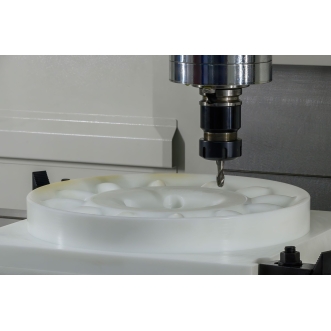
Ceramics offer extreme hardness and heat resistance but are brittle, making them difficult to machine. Special tools and careful cutting strategies are required.
Composites, such as carbon fiber materials, combine strength and light weight. However, they require careful handling due to fiber separation and tool wear issues.
Choosing a 5 - Axis Precision CNC Machining Service Provider
Technical Expertise
When selecting a provider for choosing a provider for 5 - axis CNC machining, technical expertise is essential. A reliable manufacturer should have experience in handling complex geometries and a wide range of materials.
They should also be skilled in CAD/CAM programming, machine operation, and precision engineering. Reviewing past case studies and sample parts is a good way to evaluate their capability.
Quality Assurance
A strong quality control system ensures that every part meets strict requirements. Professional manufacturers use advanced measuring equipment such as:
Coordinate Measuring Machines (CMM)
Optical inspection systems
Surface roughness testers
Quality checks are usually performed during production and again after completion. Non-conforming parts should be identified, analyzed, and corrected through structured quality procedures.
Cost-effectiveness and Lead Times
While cost is important, it should not be the only factor. The cheapest option may not always provide the best quality or reliability.
A good service provider offers a balance between price, precision, and delivery time. Always compare quotations from multiple suppliers and check their track record for on-time delivery.
Conclusion
5 - Axis Precision CNC Machining Services represent one of the most advanced manufacturing technologies available today. With the ability to produce complex shapes, achieve extremely high precision, and reduce production time, it plays a vital role in modern industries.
By understanding the machining process, material options, and key selection criteria, businesses can choose the right partner and achieve better product performance, efficiency, and long-term cost savings.
RELATED PRODUCTS
-
Medical Brass CNC Machining Parts
-
Precision CNC Machining PEEK Services
-
Precision Custom CNC Machined Car Parts
-
cnc machining optical housings
-
Precision CNC Casting Machining Services
-
Precision Gear CNC Machining Services
-
Precision Stainless Steel Parts CNC Mach
-
CNC Machining of Precision Aluminum Tube
-
CNC Machining of Large Precision Aluminu
-
CNC Machining & Manufacturing of Pre