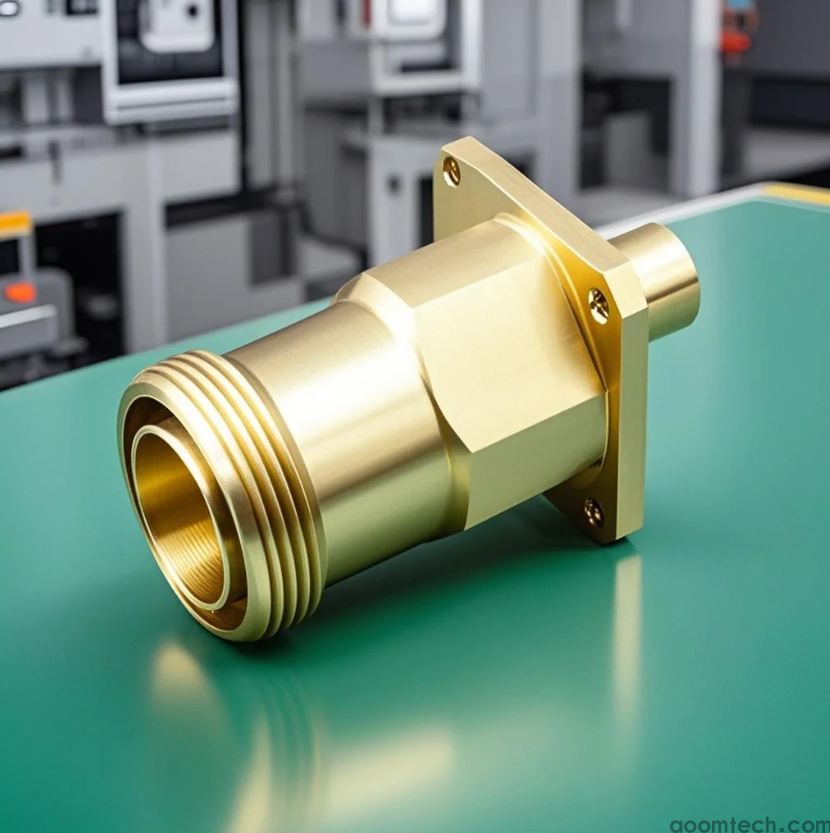
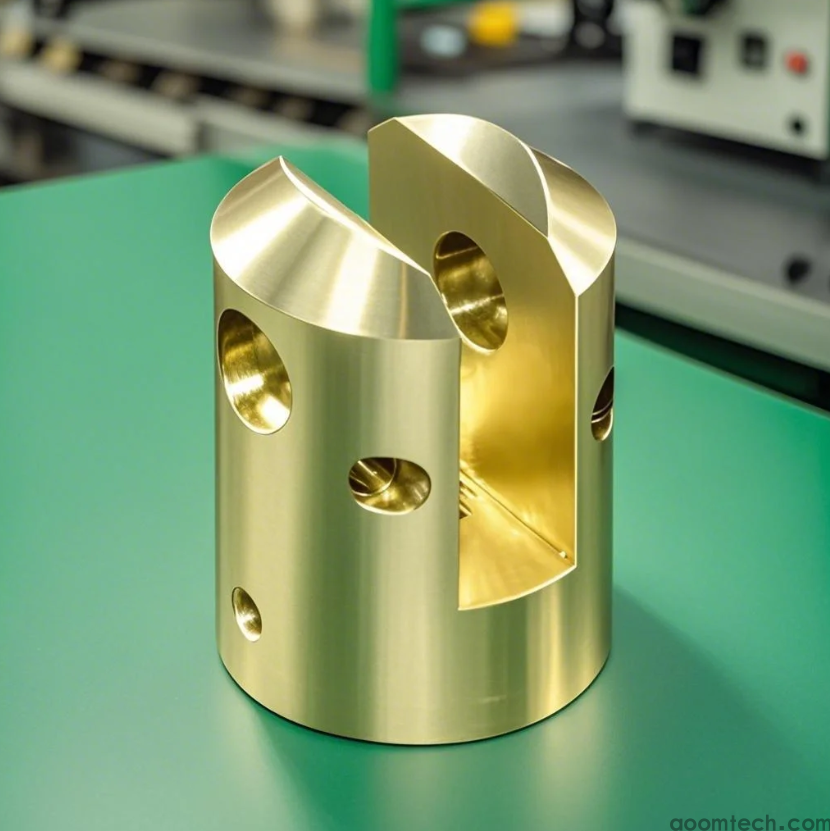
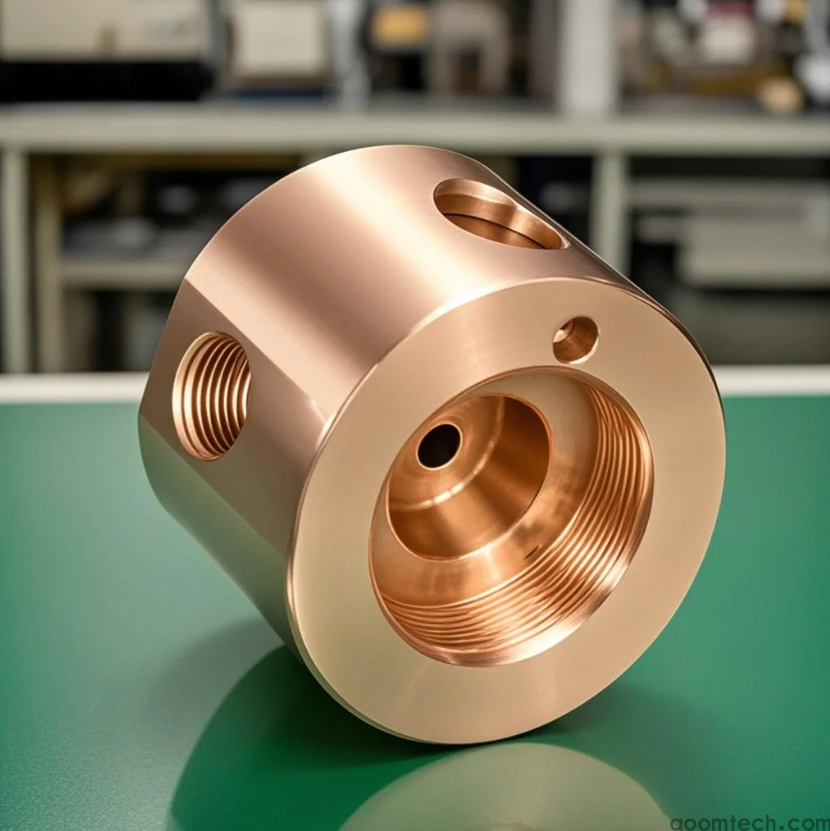
Brass Parts CNC Machining Services
Brass Parts CNC Machining Services: Precision Manufacturing for Reliable Brass Components
Choosing the right Brass Parts CNC Machining Services is not always easy. Many buyers worry about maintaining tight tolerances when machining brass, especially for small and complex components. Others face challenges with rising material costs, inconsistent product quality, and long production lead times. Even minor dimensional errors can affect assembly performance, electrical conductivity, sealing capability, or overall product reliability.
Professional CNC machining helps solve these problems by delivering accurate, repeatable, and cost-efficient brass components. Whether you need fittings, connectors, valves, electrical contacts, bushings, or custom-engineered parts, modern CNC machining technology can produce high-quality brass components that meet strict industry requirements.
What Are Brass Parts CNC Machining Services?
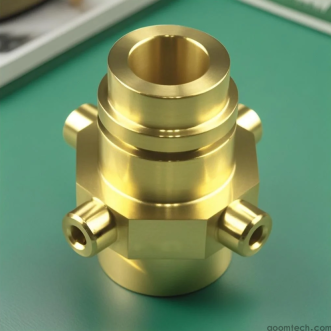
Brass Parts CNC Machining Services involve the production of brass components using computer-controlled machining equipment such as CNC lathes, CNC milling machines, drilling centers, and multi-axis machining systems. These technologies allow manufacturers to create precise parts with excellent consistency and surface finish.
Brass is one of the most commonly machined metals because it offers excellent machinability, corrosion resistance, electrical conductivity, and attractive appearance. CNC machining allows manufacturers to produce both simple and highly complex brass parts efficiently.
Typical industries that use CNC-machined brass components include:
- Electrical and electronics
- Automotive manufacturing
- Industrial automation
- Plumbing systems
- Medical equipment
- Telecommunications
- Consumer products
- Aerospace support systems
How the Brass CNC Machining Process Works
1. Design and Engineering Review
The manufacturing process starts with a detailed review of drawings, CAD files, material specifications, tolerance requirements, and functional needs. Engineers analyze the design to ensure efficient machining and optimal product performance.
2. Material Selection
The appropriate brass alloy is selected based on strength, corrosion resistance, conductivity, and application requirements. Material certification may also be verified when required by customers.
3. CNC Turning Operations
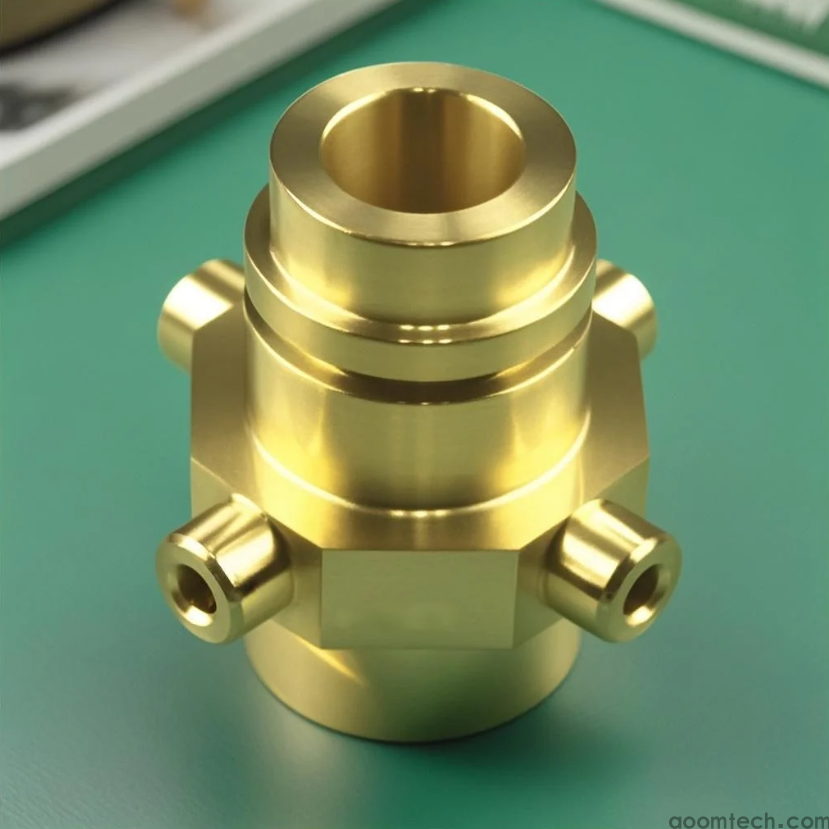
For cylindrical parts such as fittings, connectors, shafts, and bushings, CNC turning creates accurate diameters, threads, grooves, and precision features.
4. CNC Milling Operations
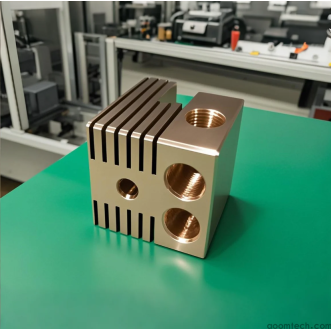
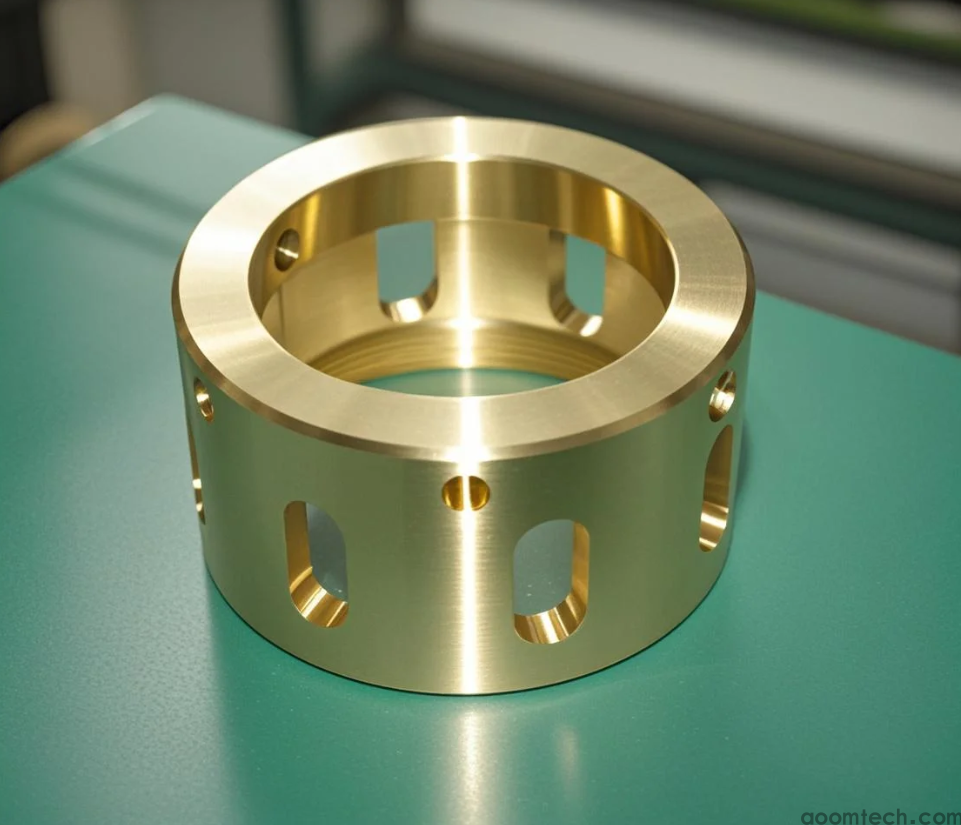
CNC milling machines produce slots, pockets, flat surfaces, holes, and custom geometries. Multi-axis machining allows complex features to be manufactured in fewer setups.
5. Drilling and Threading
Precision drilling and threading processes create accurate holes and threaded connections that meet assembly requirements.
6. Surface Finishing
Depending on the application, brass components may undergo polishing, deburring, plating, passivation, or custom finishing treatments to improve appearance and performance.
7. Final Inspection
Every finished part undergoes quality inspections before shipment to ensure compliance with customer specifications.
Suitable Brass Alloys for Different Applications
Selecting the right brass alloy is critical for achieving the desired mechanical and functional performance.
C360 Free-Cutting Brass
C360 is the most widely used machining brass alloy. It offers outstanding machinability, excellent dimensional stability, and cost-efficient production. It is commonly used for fittings, connectors, valves, and precision components.
C260 Cartridge Brass
C260 provides good strength and excellent formability. It is often used for electrical components, decorative products, and parts that require additional forming operations.
C280 Muntz Brass
This alloy offers higher strength and good corrosion resistance, making it suitable for industrial and marine applications.
Lead-Free Brass Alloys
Lead-free brass materials are commonly selected for drinking water systems, food-related equipment, and applications that must meet environmental or regulatory standards.
Advantages of CNC Machining for Brass Parts
Excellent Machinability
Brass is one of the easiest metals to machine. It produces smooth cutting action, minimizes tool wear, and supports efficient production cycles.
High Precision and Repeatability
High-precision CNC machining for brass parts allows manufacturers to achieve tight tolerances and consistent quality across small and large production runs.
Superior Surface Finish
Brass naturally produces clean and attractive surfaces during machining, reducing the need for extensive secondary finishing operations.
Efficient Production for Small Components
Many industries require miniature brass parts with complex features. Cost-effective CNC machining for small brass parts helps manufacturers maintain quality while controlling production costs.
Flexible Design Capabilities
Custom-designed CNC machining for brass components supports unique geometries, specialized threads, complex internal features, and application-specific requirements.
Corrosion Resistance
Many brass alloys offer excellent resistance to corrosion, making them suitable for plumbing, electrical, and outdoor applications.
Quality Control Measures for Brass Components
Reliable brass components require strict quality control throughout the manufacturing process. A professional CNC machining supplier typically implements multiple inspection stages.
- Incoming material verification
- Machine setup validation
- In-process dimensional inspections
- Thread and feature verification
- Surface finish measurement
- Coordinate Measuring Machine (CMM) inspection
- Final visual and dimensional inspection
- Documentation and traceability control
These procedures help ensure that every component meets customer requirements for fit, function, and durability.
Common Applications for CNC Machined Brass Parts
Brass components are used in a wide range of industrial and commercial products.
- Pipe fittings and plumbing connectors
- Electrical terminals and contacts
- Valve bodies and valve components
- Bushings and bearings
- Sensor housings
- Pneumatic and hydraulic fittings
- Fasteners and threaded inserts
- Telecommunication components
- Medical device parts
- Industrial automation components
How to Choose the Right Brass Parts CNC Machining Supplier
The quality of your finished products depends heavily on the machining partner you choose.
- Experience with brass machining projects
- Advanced CNC turning and milling equipment
- Comprehensive quality inspection systems
- Engineering and design support
- Material sourcing capabilities
- Flexible production volumes
- Fast and reliable delivery schedules
- Clear communication and technical assistance
An experienced supplier can help improve manufacturability, reduce production risks, and optimize overall project costs.
Conclusion
Professional Brass Parts CNC Machining Services provide an effective solution for manufacturing accurate, durable, and high-performance brass components. Through proper material selection, advanced machining technology, strict quality control, and experienced engineering support, manufacturers can consistently produce brass parts that meet demanding industry standards.
To learn more about available solutions, explore our brass component product catalogs, custom machining service pages, material selection guides, and project case studies. These resources can help you identify the best manufacturing approach for your specific brass component requirements and production goals.
RELATED PRODUCTS
-
Metal Parts CNC Machining
-
CNC Machining Services for Flashlight Ho
-
Metal Parts CNC Machining Services
-
Brass Parts CNC Machining Services
-
Roller CNC Machining Services
-
CNC machining of high-precision parts
-
CNC Machining for Sprockets
-
CNC Machining for Turbine Parts
-
CNC Machining Service for Crankshafts
-
CNC Machining Service for Copper Blocks