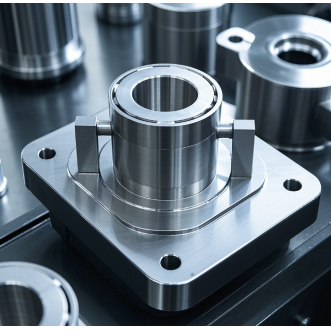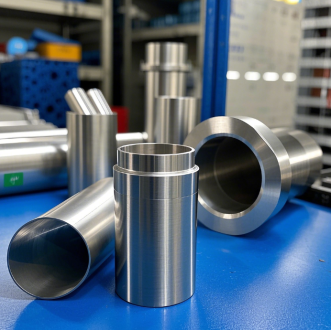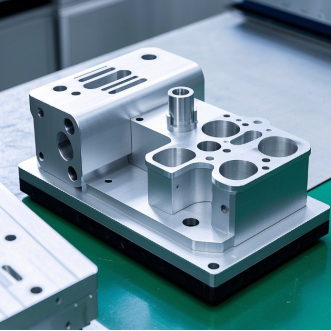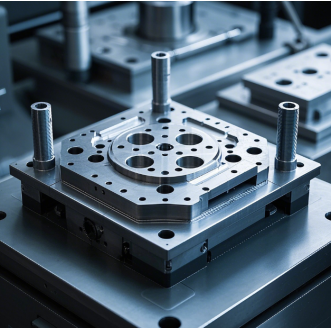
CNC Machining for Turbine Parts
Introduction to CNC Machining for Turbine Parts
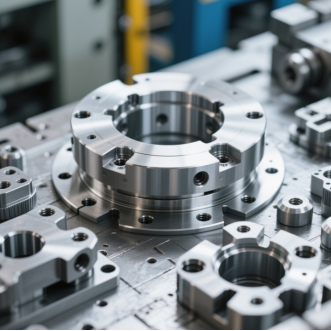
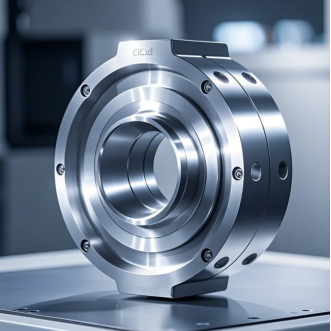
CNC Machining for Turbine Parts is a highly advanced manufacturing process used to produce critical components for power generation and propulsion systems. Turbine parts are essential in industries such as aerospace, energy, and marine engineering. These systems often rely on gas turbines and steam turbines to convert energy from fuel, steam, or air into mechanical power.
The main turbine components include blades, disks (or rotors), shafts, and casings. Each part plays a specific role. For example, turbine blades capture high-energy fluid flow and convert it into rotational motion, while disks and shafts transfer this energy to the generator or engine system.
Because turbines operate under extreme temperature, pressure, and rotational speed, the manufacturing accuracy of each component is extremely important. This is where CNC technology becomes essential.
The Significance of Turbine Parts
Turbine parts are the heart of energy conversion systems. In aerospace engines, they help power aircraft efficiently over long distances. In power plants, they generate electricity for millions of homes. In marine applications, they support propulsion systems for ships and submarines.
Without high-quality turbine components, energy systems would suffer from low efficiency, instability, and safety risks. Even a small defect in a turbine blade or disk can affect the entire system’s performance.
Importance of CNC Machining for Turbine Parts
Precision Manufacturing
Modern Computer Numerical Control (CNC) machining ensures extremely high precision in turbine component production.
Turbine parts often require tolerances in the micron range. At high rotational speeds, even minor deviations can cause vibration, reduced efficiency, or catastrophic failure. For example, an incorrectly machined turbine blade in an aircraft engine can lead to imbalance, excessive wear, and safety hazards.
Precision machining ensures smooth operation, long service life, and high energy efficiency.
Complex Geometries and Customization
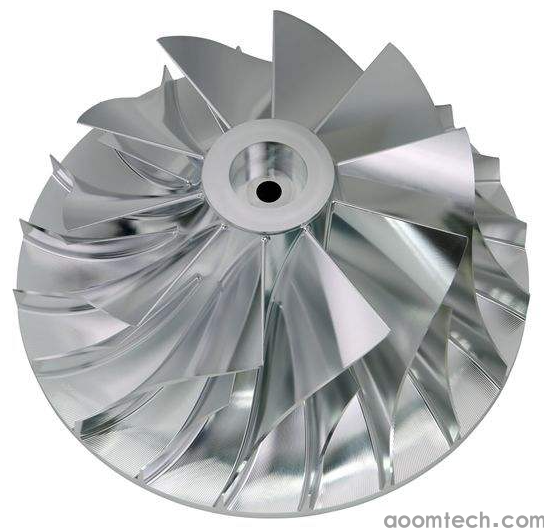
Turbine components often feature complex 3D shapes, aerodynamic airfoils, and internal cooling channels. CNC machines can accurately reproduce these designs from digital models.
Examples include turbine blades with optimized aerodynamic profiles and disks with internal cooling passages that improve heat resistance. These advanced geometries significantly enhance turbine efficiency and durability.
Cost-Effectiveness for Batch Production
Once a CNC program is created, manufacturers can produce large quantities of identical turbine parts with consistent quality. This reduces production cost per unit and improves manufacturing efficiency.
This is especially important in industries such as power generation, where hundreds or thousands of identical turbine blades may be required.
CNC Machining Processes for Turbine Parts
Milling
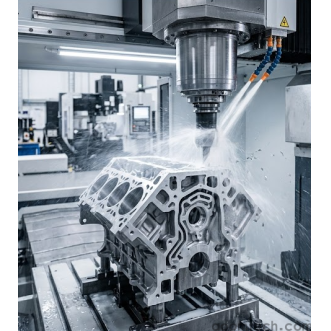
CNC milling for turbine parts involves using a rotating cutting tool to remove material and create complex shapes. Milling is used to produce blade surfaces, slots, and 3D contours.
Different materials require different cutting parameters. For example, superalloys require lower speeds and high-performance carbide tools due to their hardness. Proper tool selection and coolant application are essential for accuracy and tool life.
Turning
Turning is used for cylindrical turbine components such as shafts and disks. The workpiece rotates while a cutting tool removes material to achieve precise diameters and smooth surface finishes.
Maintaining concentricity is critical, as imbalance can affect turbine stability. Coolant and chip control are also important to prevent overheating and tool wear.
Electrical Discharge Machining (EDM)
EDM is used for hard materials and complex internal shapes that are difficult to machine using traditional methods. It works by using electrical sparks to remove material.
Wire EDM is commonly used for cutting intricate turbine blade profiles, while die-sinking EDM is used for molds and cavities. Although slower than other processes, EDM offers excellent precision and detail.
Materials for CNC-Machined Turbine Components
Superalloys
Superalloys are the most widely used materials in turbine manufacturing. These include nickel-based, cobalt-based, and iron-based alloys. They offer excellent resistance to heat, corrosion, and mechanical stress.
However, these materials are difficult to machine due to their hardness. Manufacturers use specialized cutting tools, optimized speeds, and advanced cooling systems to manage tool wear and heat generation.
Ceramic Matrix Composites (CMCs)
Ceramic Matrix Composites (CMCs) are increasingly used in modern turbine systems. They are lightweight, heat-resistant, and improve fuel efficiency.
However, machining CMCs is challenging due to their brittleness. Diamond-coated tools and controlled cutting parameters are required to prevent cracking and delamination.
Challenges in CNC Machining of Turbine Parts
Tool Wear and Breakage
The hardness of turbine materials leads to rapid tool wear. Complex geometries also increase the risk of tool breakage. Manufacturers use high-quality carbide or diamond-coated tools and real-time monitoring systems to reduce these risks.
Heat Generation
High-speed cutting generates heat that can affect both tool life and part accuracy. Proper coolant systems and optimized cutting strategies help control temperature and maintain stability.
Surface Finish and Dimensional Accuracy
Turbine parts require extremely smooth surfaces to ensure aerodynamic efficiency and fatigue resistance. Poor surface quality can reduce performance and shorten service life.
Post-processing methods such as polishing, grinding, and lapping are often used to achieve final surface requirements.
Choosing a CNC Machining Service Provider for Turbine Parts
Technical Expertise
When selecting a provider for CNC turbine part machining, technical experience is critical. A reliable manufacturer should understand turbine design, material behavior, and precision machining requirements.
Reviewing past aerospace or energy-sector projects is a strong indicator of capability.
Quality Assurance
A strong quality system is essential. Leading manufacturers use advanced inspection tools such as Coordinate Measuring Machines (CMM), surface profilometers, and hardness testers.
These tools ensure every part meets strict dimensional and performance standards before delivery.
Cost-Effectiveness and Lead Times
While cost is important, it should not compromise quality. A good supplier balances competitive pricing with high precision and reliability.
Consistent delivery schedules are also essential, especially for large-scale turbine production projects.
Conclusion
CNC Machining for Turbine Parts is a vital technology that ensures the performance, safety, and efficiency of modern energy and aerospace systems. From complex blade geometries to high-strength superalloys, CNC machining enables manufacturers to meet demanding engineering requirements with precision and consistency.
By understanding the processes, materials, and challenges involved—and by carefully selecting a qualified service provider—industries can ensure long-term reliability and optimal turbine performance.
RELATED PRODUCTS
-
Precision Custom CNC Machined Car Parts
-
cnc machining optical housings
-
Precision CNC Casting Machining Services
-
Precision Gear CNC Machining Services
-
Precision Stainless Steel Parts CNC Mach
-
CNC Machining of Precision Aluminum Tube
-
CNC Machining of Large Precision Aluminu
-
CNC Machining & Manufacturing of Pre
-
Precision Mechanical Parts CNC Machining
-
Aluminum Parts CNC Machining