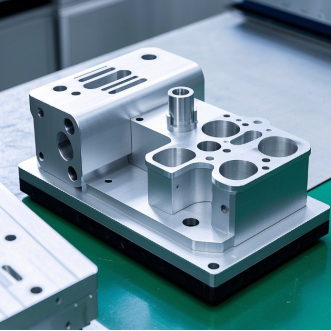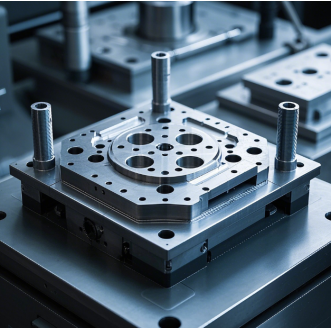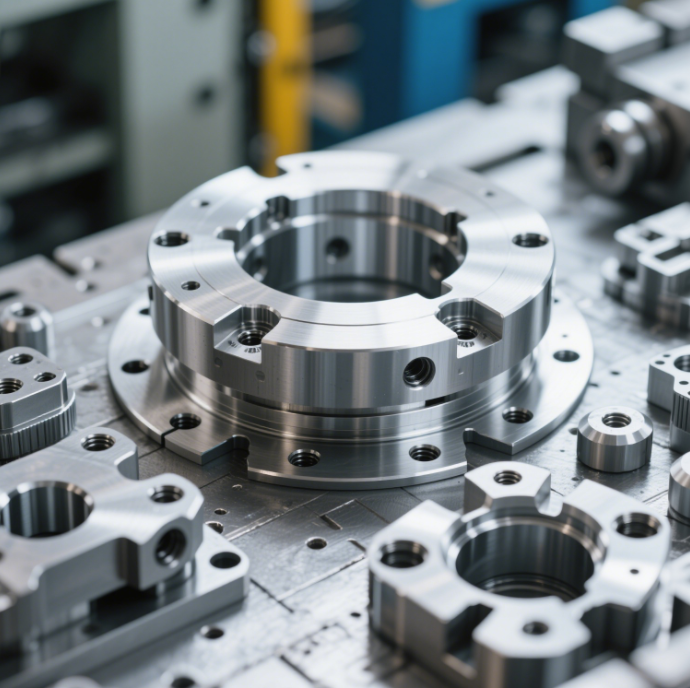
Precision Mechanical Parts CNC Machining
Introduction to Precision Mechanical Parts CNC Machining
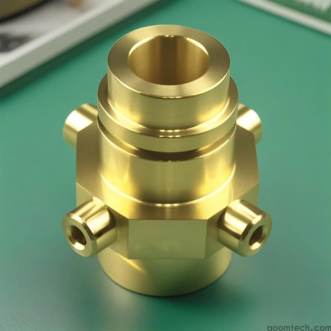
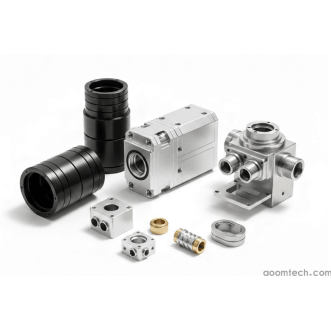
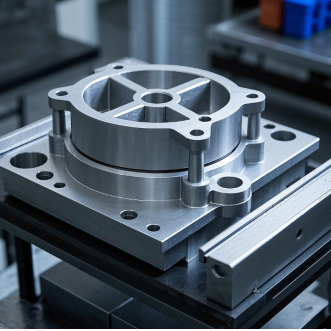
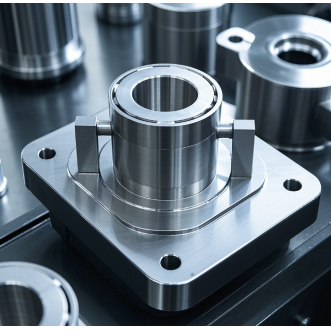
Precision Mechanical Parts CNC Machining is a modern manufacturing method that uses computer-controlled machines to produce very accurate mechanical components. These parts are used in many industries, such as aerospace, automotive, medical devices, and industrial equipment.
The importance of precision mechanical parts CNC machining is growing quickly because modern machines need higher accuracy, better performance, and longer service life. CNC (Computer Numerical Control) machining helps manufacturers produce parts with very tight tolerances and excellent consistency.
In simple terms, CNC machining turns digital designs into real, high-precision parts that keep complex machines running safely and efficiently.
The Importance of Precision Mechanical Parts CNC Machining
Meeting Stringent Industry Standards
Industries like aerospace and medical engineering require extremely strict quality standards. For example, aircraft engine components such as turbine blades must be manufactured with very tight tolerances. Even a tiny error can affect safety and performance.
The importance of precision mechanical parts CNC machining lies in its ability to meet these strict requirements. CNC machines can produce parts with micrometer-level accuracy, ensuring reliability in critical applications.
For instance, companies like Boeing rely on CNC-machined components in aircraft structures and engines to ensure flight safety and durability.
Enabling High-Performance Machinery
Modern high-performance systems such as racing engines and industrial robots depend on precision parts. CNC-machined components reduce friction, improve energy efficiency, and extend machine life.
For example, in automotive engines, CNC-machined camshafts and pistons help improve combustion efficiency and overall power output.
Process of Precision Mechanical Parts CNC Machining
Design and Programming
The process starts with CAD (Computer-Aided Design) software, where engineers create a detailed 3D model of the part. Then CAM (Computer-Aided Manufacturing) software converts the design into machine instructions.
The process of precision mechanical parts CNC machining includes defining toolpaths, cutting speed, feed rate, and machining depth. For complex parts such as aerospace brackets, programming must carefully control multi-axis movement to avoid errors and ensure accuracy.
Material Selection and Preparation
Material choice is very important. Common materials include aluminum, stainless steel, and high-strength alloys. Each material has different hardness, strength, and machining behavior.
For example, titanium alloys used in aerospace are strong but difficult to machine. They require special cutting tools and slower machining speeds to maintain precision and avoid tool wear.
Machining Operations
Milling
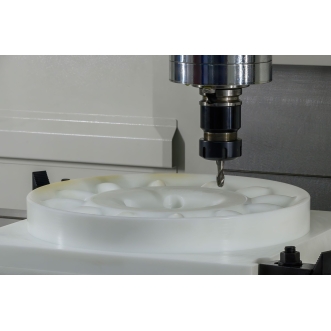
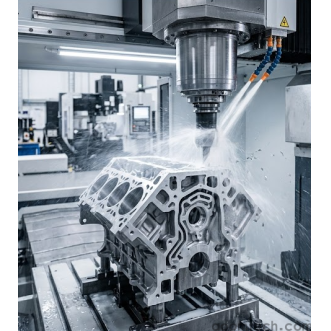
Milling is used to create flat surfaces, grooves, and complex 3D shapes. Carbide cutting tools are commonly used. Adjusting spindle speed and feed rate helps achieve high surface quality and accuracy.
Turning
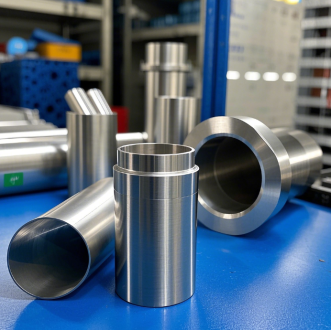
Turning is used for cylindrical parts like shafts. The workpiece rotates while the cutting tool shapes it. Precision control ensures correct diameter and smooth finish.
Grinding
Grinding is used for final finishing. It helps achieve extremely smooth surfaces and very tight tolerances, especially for high-precision components.
Quality Control and Inspection
Quality inspection is essential in CNC machining. Tools like Coordinate Measuring Machines (CMM), optical scanners, and surface testers are used.
If a CMM detects a small deviation in a part, engineers adjust the machining program to correct the error in future production. This ensures continuous improvement in quality.
Benefits of CNC-Machined Precision Mechanical Parts
High Precision and Consistency
One of the biggest benefits of CNC-machined precision mechanical parts is repeatable accuracy. Every part produced can match the same high standard.
For example, medical device manufacturers use CNC-machined parts to ensure that surgical equipment works safely and reliably every time.
Cost-Effectiveness for Medium to Large Production
Although CNC setup can be expensive, it becomes cost-effective when producing large quantities. Once programmed, machines can run continuously with minimal manual work.
Automotive suppliers often use CNC machining to produce engine and transmission parts in bulk, reducing overall production cost per unit.
Complex Shape Capability
CNC machines can create complex geometries that are impossible with manual machining. This includes internal channels, curved surfaces, and multi-axis structures.
Hydraulic valve bodies are a good example, where internal fluid channels require high-precision multi-axis machining.
Challenges in Precision Mechanical Parts CNC Machining
Advanced Equipment and Maintenance
CNC machines are expensive and require regular maintenance. Calibration and repairs can increase operating costs.
Some manufacturers use predictive maintenance systems to reduce downtime and control costs more effectively.
Skilled Labor Requirement
The industry requires highly skilled operators and programmers. However, there is often a shortage of trained CNC professionals.
Many companies solve this by offering internal training programs and working with technical schools.
Meeting Tight Deadlines
Customers often require fast delivery of precision parts. However, complex machining processes can slow production.
To solve this, companies optimize production scheduling and use automated machining systems to improve efficiency.
Applications of CNC-Machined Precision Mechanical Parts
Aerospace Industry
The aerospace industry heavily depends on CNC machining. Parts such as turbine disks, engine housings, and landing gear components require extreme precision.
Even a small defect in a turbine disk can affect engine safety and performance.
Automotive Industry
In the automotive industry, CNC-machined parts are used in engines, gearboxes, and suspension systems.
For example, camshafts require precise geometry to ensure correct engine timing and fuel efficiency.
Manufacturing Industry
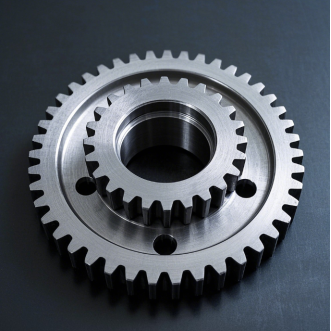
Manufacturing equipment also relies on precision parts. CNC-machined shafts, gears, and tooling components ensure machines operate accurately.
For example, precision-ground shafts in milling machines help maintain machining accuracy during production.
Conclusion: Harnessing the Power of Precision Mechanical Parts CNC Machining
Precision Mechanical Parts CNC Machining plays a key role in modern manufacturing. It supports industries that require high accuracy, reliability, and efficiency.
From design and programming to machining and inspection, every step is important in ensuring quality. Despite challenges such as cost and skilled labor shortages, CNC machining remains one of the most powerful manufacturing technologies today.
The applications of CNC-machined precision mechanical parts continue to expand across aerospace, automotive, and industrial sectors, making it a core technology for the future of engineering.
Manufacturers and engineers who understand and apply CNC machining effectively can significantly improve product quality and competitiveness in the global market.
RELATED PRODUCTS
-
Medical Brass CNC Machining Parts
-
Precision CNC Machining PEEK Services
-
Precision Custom CNC Machined Car Parts
-
cnc machining optical housings
-
Precision CNC Casting Machining Services
-
Precision Gear CNC Machining Services
-
Precision Stainless Steel Parts CNC Mach
-
CNC Machining of Precision Aluminum Tube
-
CNC Machining of Large Precision Aluminu
-
CNC Machining & Manufacturing of Pre