CNC Machining Services for Flashlight Housings
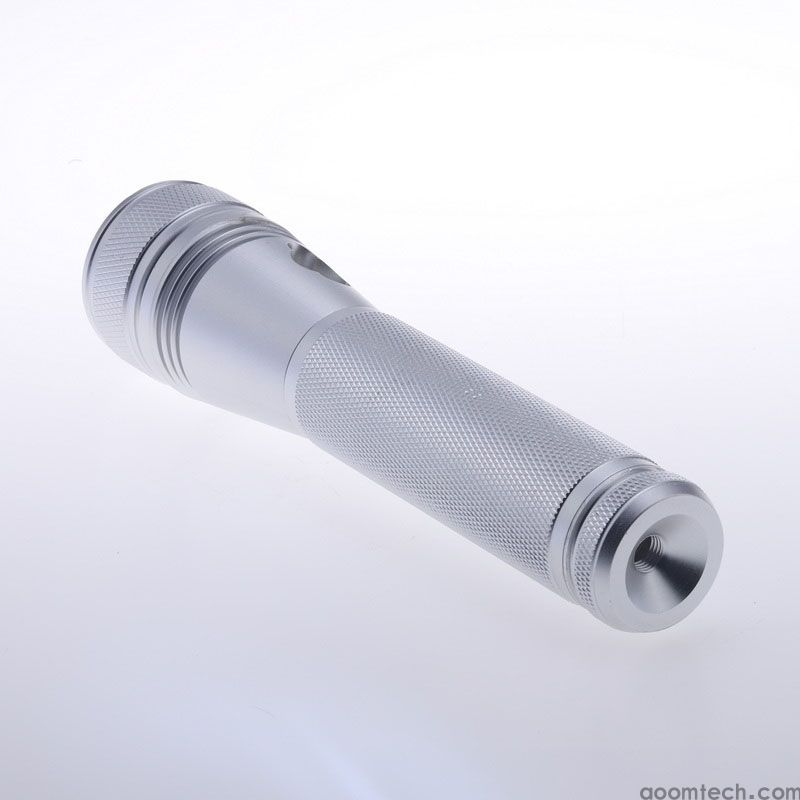
CNC Machining Services for Flashlight Housings play an important role in modern product manufacturing. Flashlight housings are more than just outer shells—they protect internal electrical components, ensure durability in harsh environments, and influence the overall performance and design of the flashlight. CNC (Computer Numerical Control) machining makes it possible to produce high-precision, durable, and customizable housings for different flashlight applications, from everyday use to industrial and tactical environments.
Introduction to CNC Machining Services for Flashlight Housings
The Significance of Flashlight Housings
Flashlight housings are essential structural components that protect internal parts such as the battery, LED bulb, driver circuit, and wiring. Without a strong and well-designed housing, a flashlight cannot function reliably in real-world conditions.
Different types of flashlights require different housing designs:
Tactical flashlights need rugged housings with impact resistance, waterproof sealing, and easy one-hand operation.
Camping flashlights prioritize lightweight design, portability, and long battery life support.
Industrial flashlights require high durability, chemical resistance, and stable performance in extreme environments.
In all these cases, CNC Machining Services for Flashlight Housings ensure that each design meets strict performance, safety, and aesthetic requirements.
Importance of CNC Machining for Flashlight Housings
Precision Manufacturing
CNC machining enables extremely high precision in flashlight housing production. Every detail—diameter, length, threading, grooves, and sealing surfaces—must be accurate for proper assembly and sealing performance.
If the housing is not precisely manufactured, several problems may occur:
Poor battery contact leading to unstable power supply
Misalignment of LED and optical components
Weak sealing that allows dust or water to enter
With CNC machining, tolerances can be controlled tightly, ensuring consistent quality across every unit.
Customization for Diverse Designs
One of the biggest advantages of CNC machining is flexibility in design. Manufacturers can produce unique flashlight housings with complex shapes, textures, and functional features.
Examples include:
Ergonomic grip patterns for comfortable handling
Heat-dissipation fins for high-power LED flashlights
Decorative finishes for consumer products
This makes CNC machining ideal for brands that want to differentiate their products in a competitive market.
Cost-Effectiveness for Batch Production
Once a CNC program is developed, it can be reused for mass production with consistent results. This reduces setup time and increases production efficiency.
For medium and large production runs, CNC machining helps lower per-unit cost while maintaining high quality standards. This is especially important for flashlight manufacturers supplying global markets.
CNC Machining Processes for Flashlight Housings
Milling
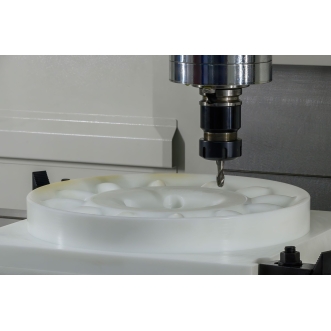
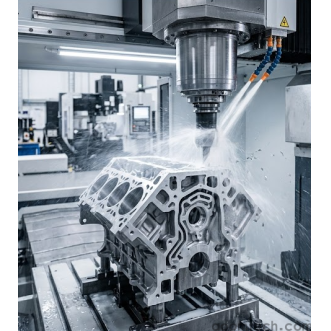
CNC milling for flashlight housings is one of the most commonly used processes. It uses rotating cutting tools to remove material and form the housing shape.
Milling operations can create:
Flat surfaces and grooves
Threaded sections
Internal cavities for battery and circuits
External textures and grip patterns
Cutting parameters such as spindle speed, feed rate, and depth of cut must be adjusted depending on the material. For example, aluminum allows faster machining speeds compared to stainless steel.
Turning
Turning is used for cylindrical parts of flashlight housings, such as the main body or end caps. The workpiece rotates while a cutting tool shapes the material.
Key considerations include:
Maintaining concentricity for smooth assembly
Achieving a fine surface finish for sealing areas
Controlling chip formation and tool wear
Drilling
Drilling is used to create precise holes for buttons, screws, charging ports, and ventilation features. Accurate hole placement is essential for proper functionality and waterproof performance.
Even small errors in drilling can affect battery alignment or compromise the flashlight’s sealing system.
Materials for CNC-Machined Flashlight Housings
Aluminum
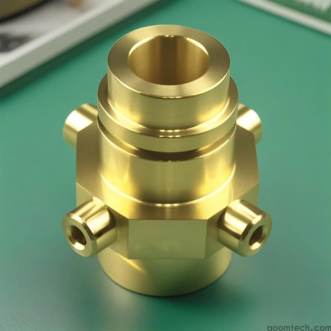
Aluminum is the most widely used material for flashlight housings. It is lightweight, corrosion-resistant, and has excellent thermal conductivity.
Advantages include:
Efficient heat dissipation from LED components
Easy machinability for complex shapes
Suitable for anodizing to improve durability and appearance
Stainless Steel
Materials for CNC-machined flashlight housings often include stainless steel when higher strength and corrosion resistance are required.
Benefits include:
High durability in harsh environments
Strong resistance to rust and chemicals
Premium surface finish
However, stainless steel is harder to machine and requires slower cutting speeds and stronger tooling.
Titanium
Titanium is used in high-end flashlight housings due to its excellent strength-to-weight ratio and corrosion resistance.
Challenges in machining titanium include:
High tool wear due to material hardness
Heat buildup during cutting
Need for specialized cutting tools and cooling systems
Despite these challenges, titanium offers superior performance and a premium product feel.
Challenges in CNC Machining Flashlight Housings
Tool Wear
Different materials affect tool lifespan. Hard materials like stainless steel and titanium increase tool wear significantly.
Solutions include:
Using carbide or coated cutting tools
Monitoring tool condition regularly
Replacing tools before failure occurs
Heat Generation
Heat during machining can cause dimensional changes and reduce accuracy, especially in low thermal conductivity materials like titanium.
Effective cooling systems and optimized cutting parameters are essential to control heat and maintain precision.
Surface Finish and Accuracy
Flashlight housings require smooth surfaces for sealing and aesthetics. Poor surface quality can reduce water resistance and product appeal.
Post-processing methods such as anodizing, polishing, or sandblasting are often used to improve final quality.
Choosing a Provider for CNC Flashlight Housing Machining
Technical Expertise
When selecting a manufacturer, technical experience is critical. A reliable provider should understand:
Different machining processes
Material behavior during CNC machining
Design requirements for flashlight performance
Reviewing past projects or sample products helps evaluate their capability.
Quality Assurance
A strong quality control system ensures consistency and reliability. Professional manufacturers use tools such as micrometers, calipers, and surface testers to verify precision.
Waterproof testing may also be required for sealed flashlight housings.
Cost and Lead Time
Cost efficiency should be balanced with quality. While lower prices may be attractive, poor machining quality can lead to product failure.
Reliable providers offer clear production schedules and maintain stable delivery times, which is essential for large-scale production planning.
Conclusion
CNC Machining Services for Flashlight Housings are essential for producing durable, precise, and high-performance flashlight products. From material selection to machining processes and quality control, every step directly affects the final product’s reliability and usability.
By understanding CNC milling for flashlight housings, selecting appropriate materials, and working with experienced manufacturers, companies can create flashlight housings that meet demanding industrial, tactical, and consumer needs.
For businesses, choosing the right partner for choosing a provider for CNC flashlight housing machining is not just a production decision—it is a key factor in product success and market competitiveness.
RELATED PRODUCTS
-
Medical Brass CNC Machining Parts
-
Precision CNC Machining PEEK Services
-
Precision Custom CNC Machined Car Parts
-
cnc machining optical housings
-
Precision CNC Casting Machining Services
-
Precision Gear CNC Machining Services
-
Precision Stainless Steel Parts CNC Mach
-
CNC Machining of Precision Aluminum Tube
-
CNC Machining of Large Precision Aluminu
-
CNC Machining & Manufacturing of Pre