CNC Machining for Sprockets
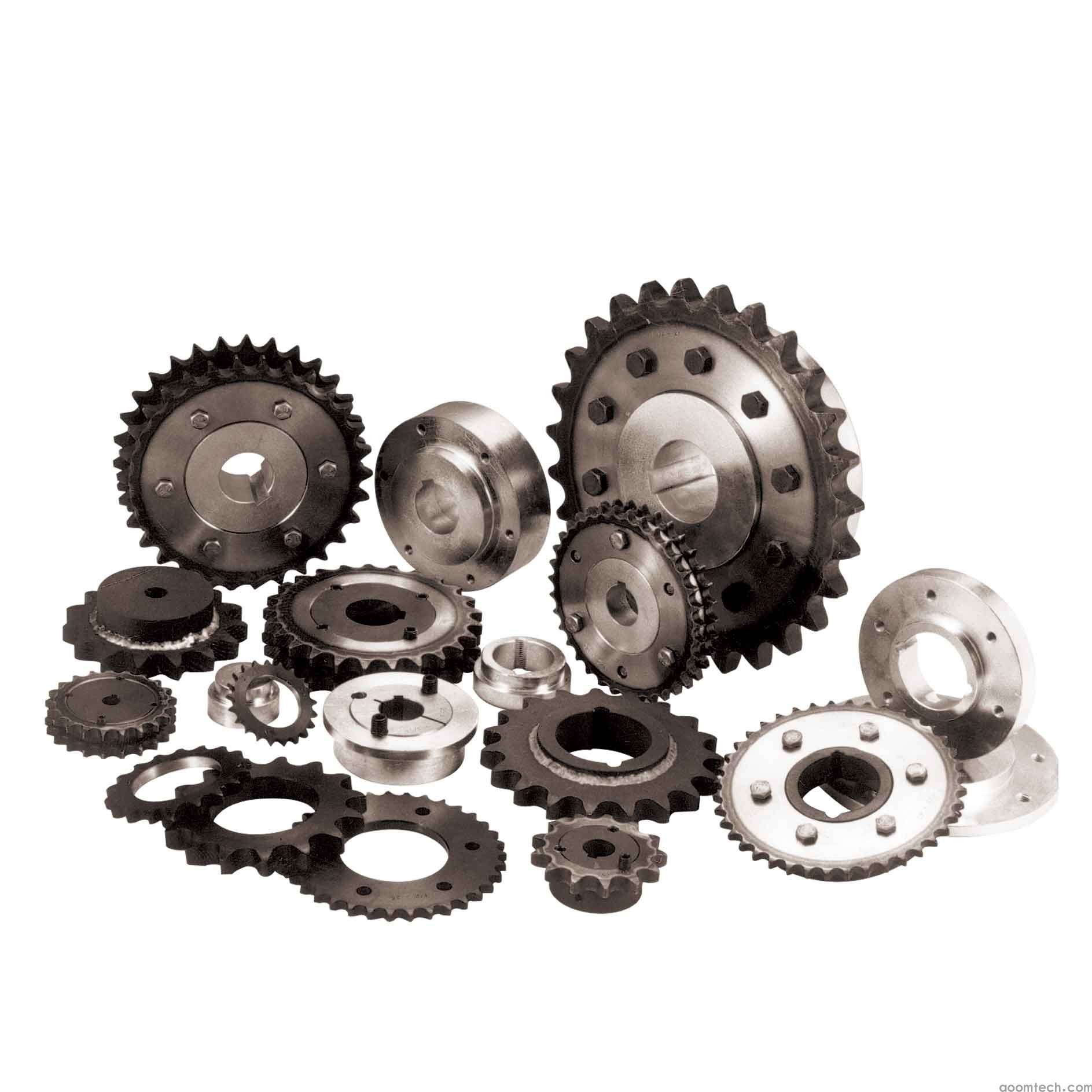
CNC Machining for Sprockets plays a critical role in modern mechanical engineering, enabling the production of highly accurate and durable components used in power transmission systems. Sprockets are essential parts in machines that rely on chains or belts to transfer motion and energy. From bicycles and motorcycles to industrial conveyors and automotive engines, sprockets ensure smooth and efficient mechanical operation.
This article explains what CNC machining for sprockets is, why it is important, the manufacturing processes involved, commonly used materials, key challenges, and how to choose a reliable machining service provider. It also integrates practical insights based on industry best practices to help readers make informed decisions.
The Significance of Sprockets in Mechanical Systems
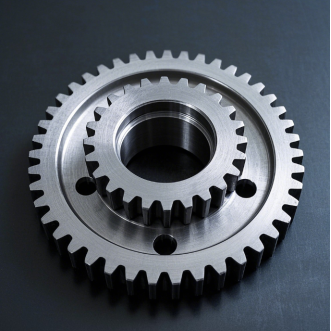
Sprockets are toothed wheels designed to engage with chains or belts to transmit rotational motion. They are fundamental components in many industries where controlled and reliable movement is required.
Common applications include:
Bicycles: Roller-chain sprockets transfer pedal power to the wheels.
Motorcycles: Drive sprockets connect the engine to the rear wheel.
Automotive engines: Timing sprockets coordinate camshaft and crankshaft movement.
Industrial machinery: Conveyor systems rely on sprockets for continuous material handling.
Different types of sprockets serve different functions, such as roller-chain sprockets and timing-belt sprockets. Each type requires precise engineering to ensure smooth engagement with its corresponding chain or belt system.
Importance of CNC Machining for Sprockets
Precision Manufacturing
One of the most important advantages of CNC machining for sprockets is its ability to achieve extremely high precision. Sprockets must have accurate tooth profiles, pitch diameters, and bore dimensions to ensure proper engagement with chains or belts.
Even small errors in geometry can cause serious performance issues such as chain slippage, excessive vibration, or premature wear. With CNC technology, manufacturers can achieve tight tolerances and consistent repeatability across production batches.
For example, imprecise sprockets used in a motorcycle drivetrain may lead to:
Reduced power transfer efficiency
Increased mechanical noise
Accelerated chain wear
Possible system failure under load
High-precision machining ensures reliable performance and long service life of the entire transmission system.
Customization for Diverse Applications
CNC machining enables full customization of sprockets based on specific engineering requirements. This is particularly important in industries where standard parts are not sufficient.
With CNC milling for sprockets, manufacturers can adjust:
Number of teeth
Tooth geometry and pitch
Outer diameter and thickness
Material selection based on load and environment
For instance, a specialized conveyor system may require a sprocket with a non-standard tooth count to synchronize with unique mechanical timing. Similarly, high-load industrial applications may require alloy-based sprockets for improved wear resistance.
Cost-Effectiveness for Batch Production
CNC machining is highly efficient for batch production. Once the machining program is created, it can be reused to produce large quantities of identical sprockets with consistent quality.
This reduces production costs in several ways:
Lower setup time per unit
Reduced material waste through optimized tool paths
High repeatability reduces rejection rates
Economies of scale in mass production
For example, a bicycle manufacturer ordering thousands of sprockets benefits significantly from reduced per-unit costs while maintaining consistent quality across all components.
CNC Machining Processes for Sprockets
Milling Process
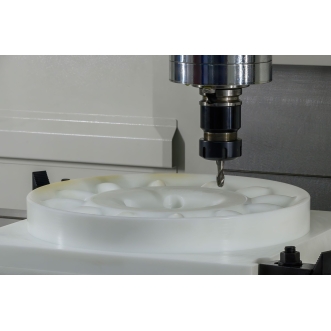
Milling is the most common process used in CNC Machining for Sprockets. A rotating cutting tool removes material from a workpiece to form teeth and other structural features.
Key considerations in milling include:
Selection of cutting tools based on material hardness
Adjustment of spindle speed and feed rate
Depth of cut optimization for accuracy and surface quality
For example, steel sprockets require slower cutting speeds and stronger tooling compared to aluminum sprockets, which allow faster machining but require careful control to avoid surface deformation.
Turning Process
Turning is used to shape cylindrical features such as the inner bore and outer diameter of a sprocket. Ensuring concentricity between these surfaces is essential for balanced rotation.
Accurate turning helps achieve:
Proper shaft fit
Reduced vibration during rotation
Improved alignment in assembly systems
Precision in turning is especially important in high-speed applications where imbalance can lead to system instability.
Drilling Process
Drilling is used to create mounting holes or weight-reduction holes in sprockets. Proper hole placement ensures structural balance and secure installation.
In high-speed machinery, even small misalignments in hole positioning can lead to vibration, making precision drilling a critical step in production.
Materials Used in CNC Machined Sprockets
Metals
Different metals are selected depending on application requirements, strength, and environmental conditions.
Steel: High strength and excellent wear resistance, ideal for heavy-duty industrial use.
Aluminum: Lightweight and corrosion-resistant, commonly used in bicycles and lightweight machinery.
Cast iron: Good damping properties and cost efficiency for low-to-medium load applications.
Understanding materials for CNC-machined sprockets is essential for balancing performance, durability, and cost.
Plastics
Engineering plastics are also used in certain applications where low noise and reduced friction are important.
Nylon: Quiet operation and good wear resistance
Acetal (POM): High dimensional stability and low friction
Polyurethane: Excellent abrasion resistance
Plastic sprockets are commonly used in office equipment, light machinery, and low-load conveyor systems.
Challenges in CNC Machining of Sprockets
Tool Wear
Machining sprockets, especially from hard metals, leads to tool wear over time. This affects accuracy and surface finish.
Solutions include:
Using carbide-coated cutting tools
Implementing tool wear monitoring systems
Regular tool replacement schedules
Heat Generation
Heat produced during machining can cause dimensional changes and reduce tool life. Materials with low thermal conductivity are especially sensitive.
Effective strategies include:
Using proper coolant systems
Optimizing cutting speeds and feed rates
Selecting heat-resistant tooling materials
Tooth Profile Accuracy
Accurate tooth geometry is essential for proper chain or belt engagement. Any deviation can lead to inefficient power transfer or system failure.
To improve accuracy, manufacturers often use:
Precision CNC programming
Post-machining grinding processes
Advanced measurement tools such as profile gauges
Choosing a CNC Machining Service Provider for Sprockets
Technical Expertise
When selecting a provider for CNC sprocket machining, technical knowledge is essential. A qualified manufacturer should understand material behavior, machining parameters, and sprocket design requirements.
Evaluating expertise may include reviewing:
Past project case studies
Industry experience (automotive, industrial, etc.)
Sample parts and dimensional accuracy
A provider experienced in high-performance systems is more likely to deliver reliable results.
Quality Assurance Systems
A strong quality control system ensures that every sprocket meets required specifications. This typically includes in-process and final inspections using precision instruments.
Common inspection tools include:
Calipers and micrometers
Tooth profile gauges
Hardness testers
Reliable quality control reduces production errors and ensures consistent performance in real-world applications.
Cost-Effectiveness and Lead Time
While cost is important, it should not compromise quality. A good supplier balances affordability with precision and reliability.
When evaluating providers, consider:
Comparing multiple quotations
Delivery reliability and production capacity
Transparency in production timelines
Choosing a provider for CNC sprocket machining requires balancing cost, quality, and delivery performance to ensure long-term value.
Conclusion
CNC Machining for Sprockets is a vital manufacturing process that ensures high precision, durability, and performance in mechanical power transmission systems. From bicycles to industrial machines, sprockets must meet strict dimensional and material requirements to function effectively.
By understanding machining processes, selecting appropriate materials, and choosing a reliable manufacturing partner, businesses can ensure long-lasting and efficient mechanical performance. As industries continue to demand higher precision and reliability, CNC technology remains the foundation of modern sprocket production.
RELATED PRODUCTS
-
Medical Brass CNC Machining Parts
-
Precision CNC Machining PEEK Services
-
Precision Custom CNC Machined Car Parts
-
cnc machining optical housings
-
Precision CNC Casting Machining Services
-
Precision Gear CNC Machining Services
-
Precision Stainless Steel Parts CNC Mach
-
CNC Machining of Precision Aluminum Tube
-
CNC Machining of Large Precision Aluminu
-
CNC Machining & Manufacturing of Pre