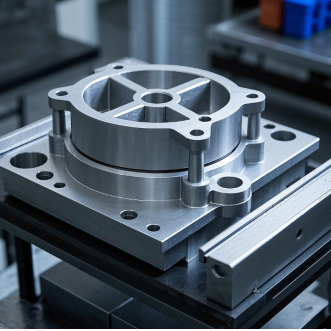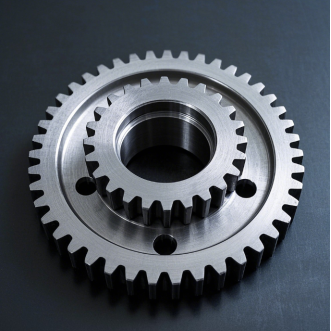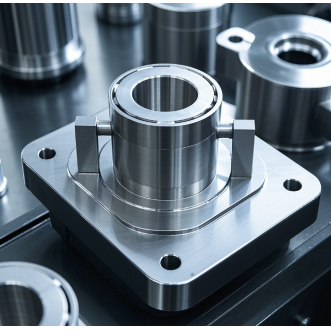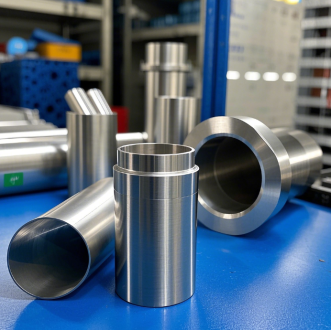
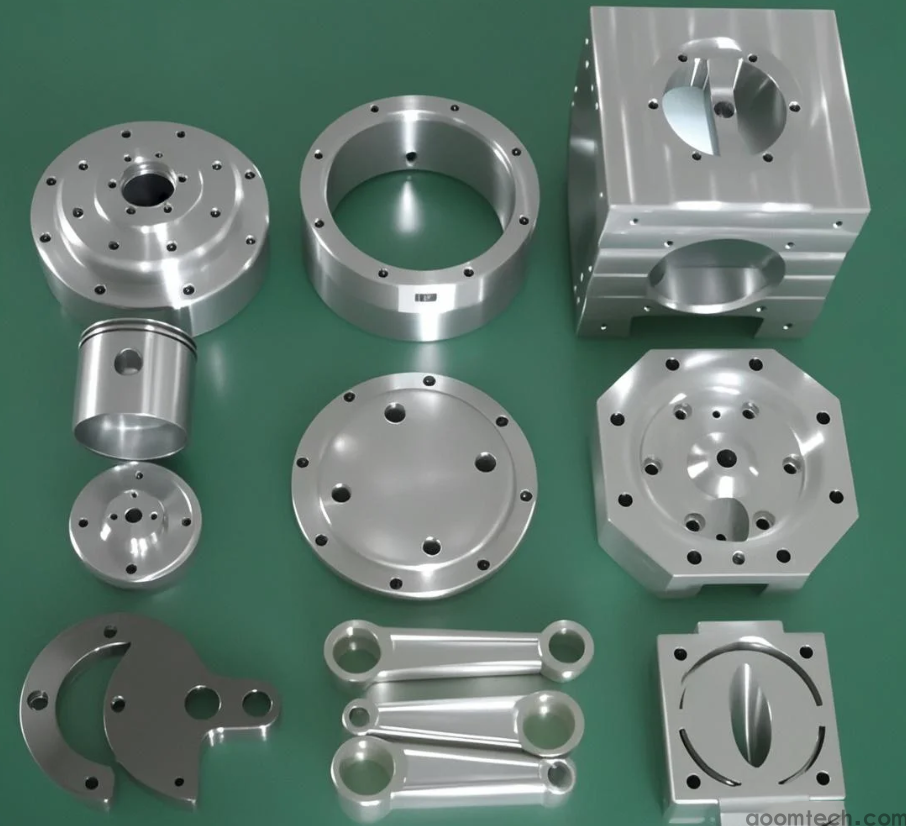
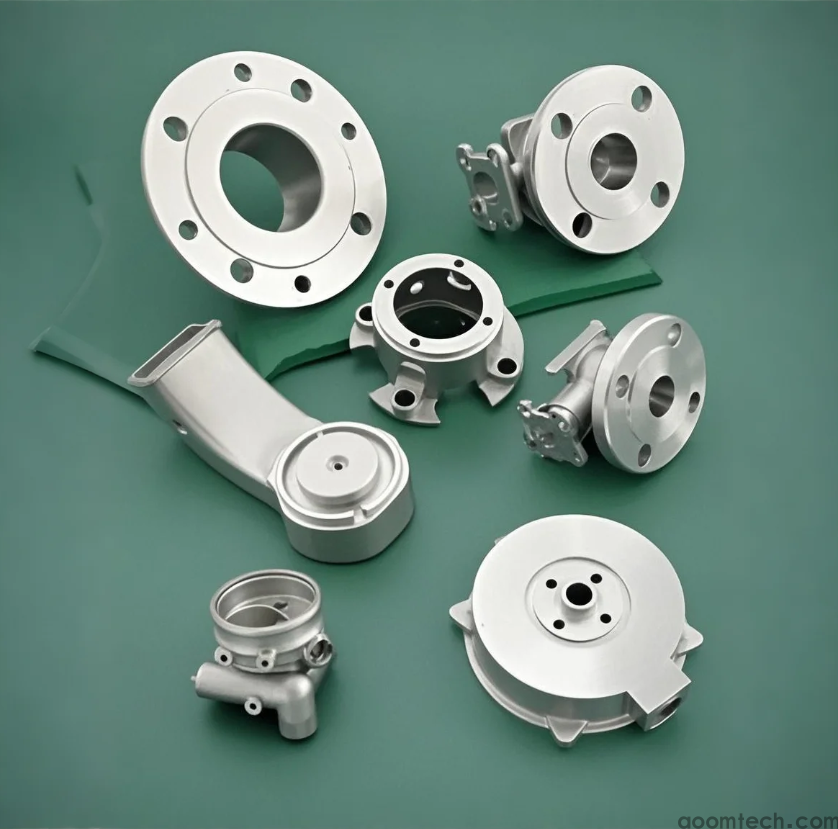
Metal Parts CNC Machining
Introduction to CNC Machining Services for Flashlight Housings
Flashlight housings are the outer shells that protect all internal components of a flashlight, including the battery, LED bulb, reflector, and circuit board. These housings are not just protective covers. They also define the strength, usability, heat management, and appearance of the flashlight.
CNC Machining Services for Flashlight Housings play an important role in producing precise, durable, and high-quality flashlight bodies. Different types of flashlights require different housing designs. For example, tactical flashlights need rugged, impact-resistant housings for military or emergency use. Camping flashlights focus on lightweight design and portability. Industrial flashlights require strong corrosion resistance and long-term durability in harsh environments.
Importance of CNC Machining for Flashlight Housings
Precision Manufacturing
CNC machining ensures flashlight housings are made with very high precision. Accurate dimensions are critical because all internal components must fit perfectly inside the housing. Even small errors can cause serious problems such as loose batteries, poor electrical contact, or misaligned LED positioning.
Precise CNC machining guarantees tight tolerances in diameter, thread design, grooves, and sealing surfaces. This helps improve water resistance, dust protection, and overall reliability of the flashlight.
Customization for Diverse Designs
CNC machining allows manufacturers to create highly customized flashlight housing designs. Modern flashlights often require unique shapes, ergonomic grips, or special functional structures.
Examples include:
Ergonomic grip designs for better handling
Heat-dissipation grooves for high-power LED flashlights
Decorative surface patterns for consumer products
Special mounting structures for tactical use
Cost-effectiveness for Batch Production
Once CNC programming is completed, flashlight housings can be mass-produced with consistent quality. This makes CNC machining highly cost-effective for batch production.
Reduced setup time, optimized cutting paths, and efficient tool usage help lower production costs per unit. This is especially beneficial for brands producing large volumes of identical flashlight models.
CNC Machining Processes for Flashlight Housings
CNC Milling for Flashlight Housings
Milling is used to shape flat surfaces, cut grooves, create threads, and form external body features. A rotating cutting tool removes material from metal blocks such as aluminum or stainless steel.
Cutting parameters such as spindle speed, feed rate, and depth of cut must be adjusted based on material type. Aluminum allows faster machining speeds, while stainless steel requires slower, more controlled cutting.
Turning
Turning is commonly used to produce cylindrical parts of flashlight housings, such as the main body and end caps. This process ensures smooth round surfaces and accurate concentricity.
Proper tool selection and control of cutting forces are important to maintain surface quality and dimensional accuracy.
Drilling
Drilling is used to create holes for buttons, charging ports, LED mounting, or ventilation. Hole accuracy is critical because misaligned holes can affect assembly and performance.
Careful control of drill speed and positioning ensures correct functionality and prevents structural weaknesses.
Materials for CNC-Machined Flashlight Housings
Aluminum
Aluminum is the most commonly used material for flashlight housings. It is lightweight, corrosion-resistant, and has excellent thermal conductivity, helping to dissipate heat from LED components.
It is also easy to machine and can be anodized for improved durability and appearance.
Stainless Steel
Stainless steel provides high strength and excellent corrosion resistance. It is often used in industrial or outdoor flashlights that must withstand harsh environments.
However, it is harder to machine and requires stronger tools and lower cutting speeds.
Titanium
Titanium is used in premium flashlight designs due to its high strength-to-weight ratio and superior corrosion resistance. It offers a high-end appearance and long-lasting durability.
However, it is more difficult to machine due to low thermal conductivity and requires specialized CNC techniques.
Challenges in CNC Machining Flashlight Housings
Tool Wear
Different materials cause tool wear at different rates. Titanium and stainless steel are especially demanding on cutting tools. Using carbide or coated tools and monitoring tool condition helps maintain production quality.
Heat Generation
Excess heat during machining can affect material stability and precision. Coolant systems, optimized cutting speeds, and proper tool selection help control heat buildup.
Surface Finish and Accuracy
Achieving a smooth surface finish is important for both appearance and sealing performance. Post-processing methods such as anodizing, polishing, or sandblasting can improve final quality.
Choosing a CNC Machining Service Provider for Flashlight Housings
Technical Expertise
A reliable provider should have strong experience in CNC Machining Services for Flashlight Housings. They should understand material behavior, machining processes, and flashlight design requirements.
Reviewing past projects and sample products is a good way to evaluate their capability.
Quality Assurance
A strong quality control system is essential. Providers should use precision measuring tools such as calipers, micrometers, and coordinate measuring machines (CMM).
In-process inspection and final testing ensure that every flashlight housing meets design and performance requirements.
Cost-effectiveness and Lead Time
Choosing a provider is not only about price. It is important to balance cost, quality, and delivery speed. Reliable suppliers provide clear production timelines and consistent on-time delivery performance.
Conclusion
CNC machining is a key technology in producing high-quality flashlight housings. It enables precision, customization, and efficient mass production while maintaining strict quality standards. By selecting the right materials, machining processes, and service provider, manufacturers can produce durable and reliable flashlight products for a wide range of applications.
Metal Parts CNC Machining
Introduction to Metal Parts CNC Machining
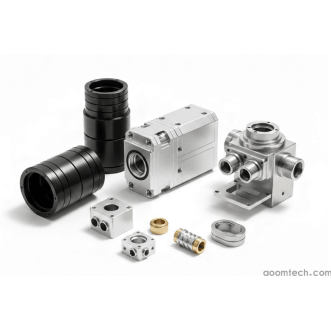
Metal parts are essential components used in almost every industry, including automotive, aerospace, electronics, medical devices, and industrial machinery. These parts must meet strict requirements for strength, accuracy, and durability.
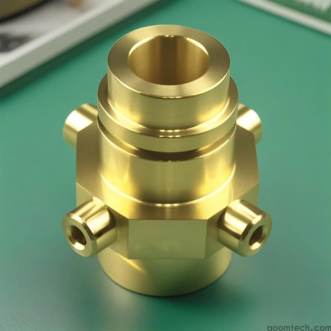
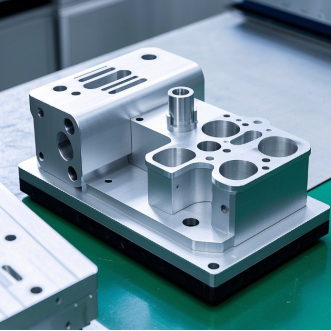
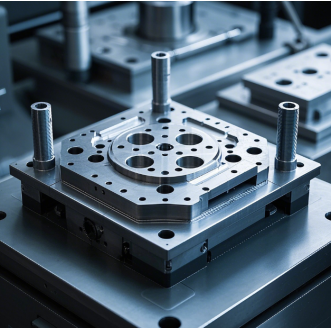
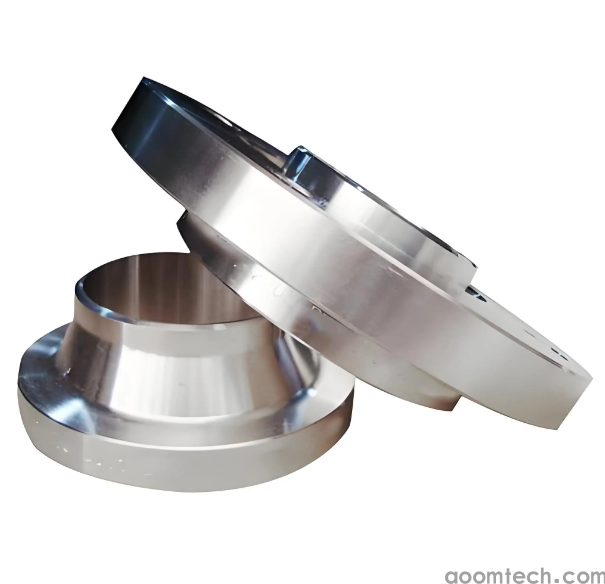
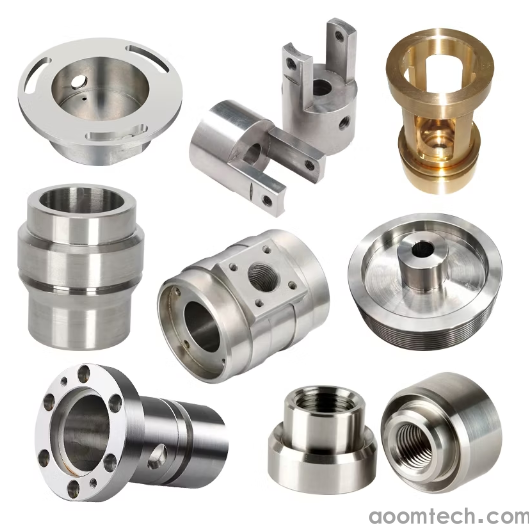
Metal Parts CNC Machining is a manufacturing process that uses computer-controlled machines to produce precise metal components. It allows manufacturers to create complex and high-quality parts that are difficult or impossible to make using traditional methods.
Importance of CNC Machining for Metal Parts
Precision Manufacturing
CNC machining provides extremely high accuracy, ensuring that metal parts meet tight tolerances. This precision is critical for proper assembly and reliable operation of machines and systems.
Inaccurate metal parts can lead to mechanical failure, reduced efficiency, or safety risks.
Customization for Diverse Applications
CNC machining allows full customization of metal parts based on design requirements. Industries often need parts with unique shapes, internal structures, or surface finishes.
Examples include aerospace engine components, medical implants, and custom industrial machine parts.
Cost-effectiveness in Production
For batch production, CNC machining reduces overall cost per unit. Once the machining program is created, parts can be reproduced consistently with minimal manual intervention.
This improves efficiency and reduces waste in large-scale manufacturing.
CNC Machining Processes for Metal Parts
CNC Milling for Metal Parts
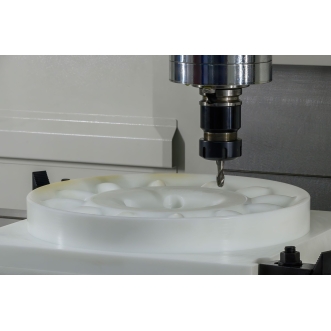
Milling uses rotating cutting tools to remove material and create complex shapes, slots, and flat surfaces. It is widely used for producing precision metal components.
Cutting parameters must be adjusted depending on the material, such as aluminum, steel, or titanium, to ensure accuracy and tool life.
Turning
Turning is used for cylindrical metal parts such as shafts, rods, and threaded components. It ensures high concentricity and smooth surface finishes.
Proper control of cutting speed and tool selection is important to prevent defects.
Electrical Discharge Machining (EDM)
EDM is used for hard metals and complex shapes that are difficult to machine using traditional methods. It removes material using electrical sparks instead of cutting tools.
It is especially useful for intricate molds and precision components.
Materials Used in CNC Machining of Metal Parts
Aluminum
Aluminum is lightweight, corrosion-resistant, and easy to machine. It is widely used in aerospace, automotive, and electronics industries.
Steel
Steel offers high strength and durability. Different types include carbon steel, alloy steel, and stainless steel, each suitable for different applications.
Titanium
Titanium is known for its high strength-to-weight ratio and corrosion resistance. It is commonly used in aerospace and medical applications, but it is more difficult to machine.
Challenges in CNC Machining Metal Parts
Tool Wear and Breakage
Hard metals can cause rapid tool wear or breakage. Using high-quality carbide tools and proper machining strategies helps extend tool life.
Heat Generation
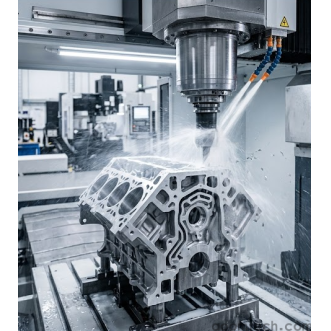
Heat during machining can affect both tools and workpieces. Coolant systems and optimized cutting parameters help control temperature.
Surface Finish and Dimensional Accuracy
Achieving smooth surface finishes and precise dimensions is essential for functionality. Post-processing methods such as grinding or polishing can improve final quality.
Choosing a CNC Machining Service for Metal Parts
Technical Expertise
A reliable provider should have strong experience in Metal Parts CNC Machining and understand different materials and machining methods.
Quality Assurance
Quality control systems should include precise measurement tools such as CMMs and hardness testers to ensure consistency and accuracy.
Cost-effectiveness and Lead Times
It is important to compare multiple providers to find a balance between cost, quality, and delivery time. Reliable suppliers should also maintain consistent production schedules.
Conclusion
Metal Parts CNC Machining is a critical technology in modern manufacturing. It enables the production of high-precision, durable, and customized components for a wide range of industries. By understanding materials, processes, and supplier selection, businesses can achieve better performance and cost efficiency in their production systems.
RELATED PRODUCTS
-
Medical Brass CNC Machining Parts
-
Precision CNC Machining PEEK Services
-
Precision Custom CNC Machined Car Parts
-
cnc machining optical housings
-
Precision CNC Casting Machining Services
-
Precision Gear CNC Machining Services
-
Precision Stainless Steel Parts CNC Mach
-
CNC Machining of Precision Aluminum Tube
-
CNC Machining of Large Precision Aluminu
-
CNC Machining & Manufacturing of Pre