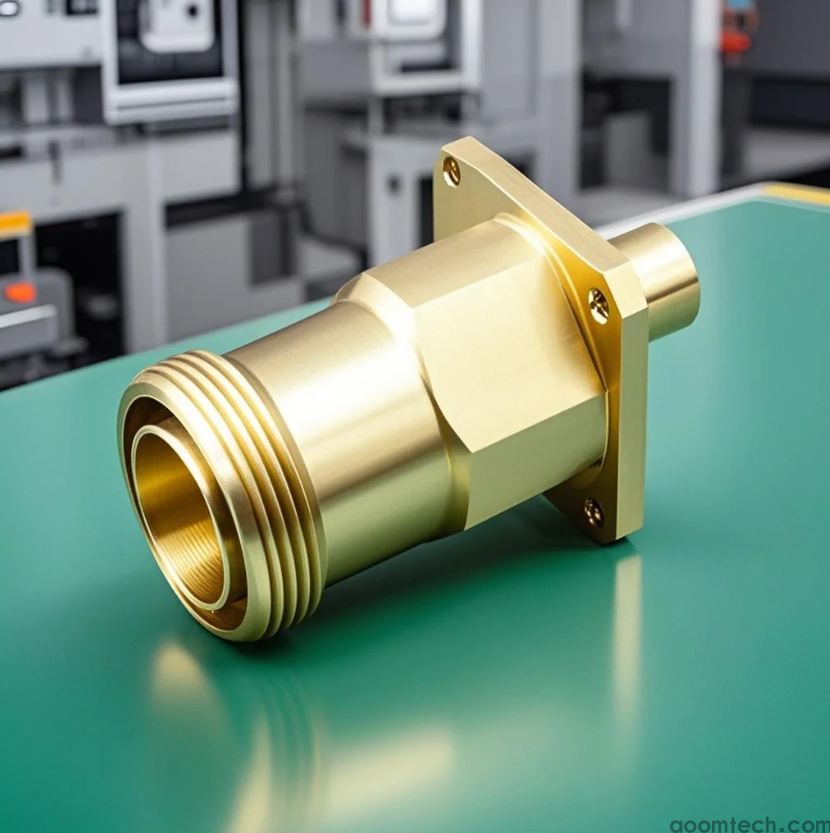
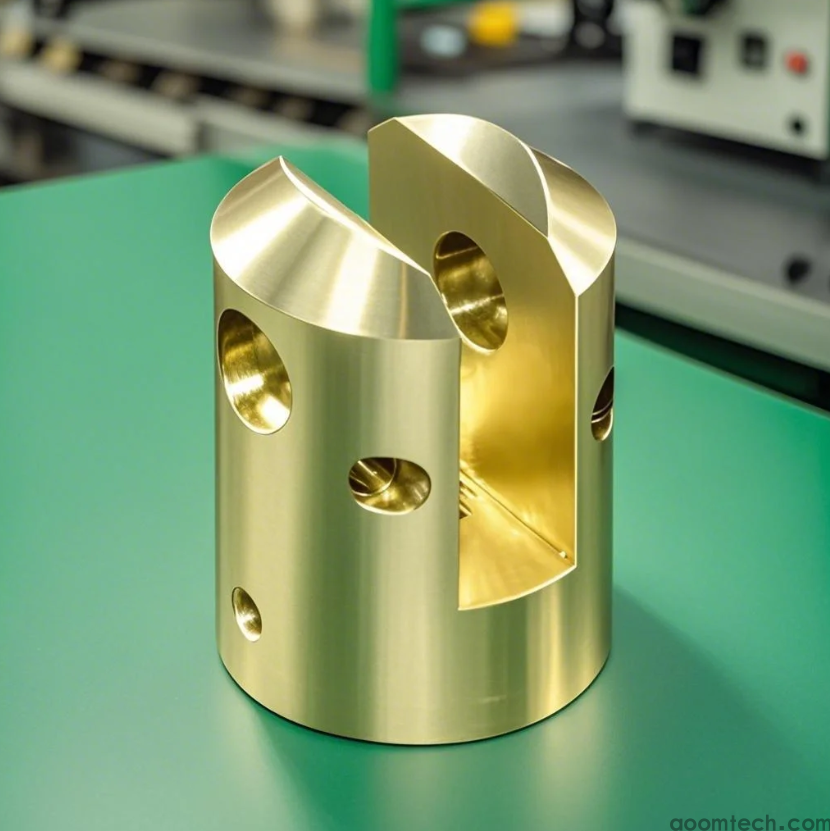
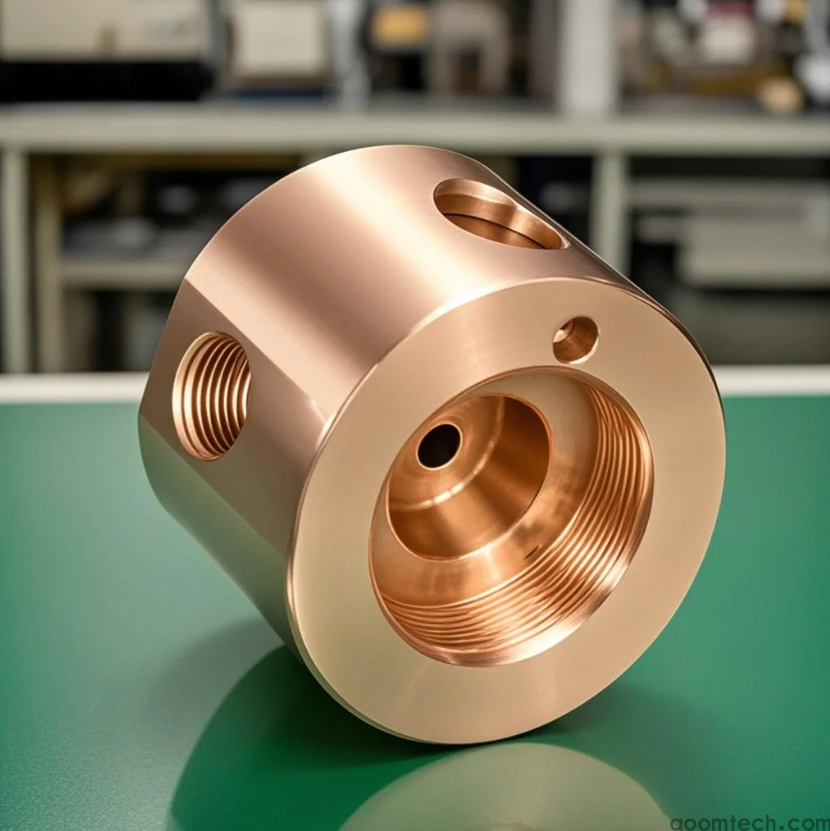
Brass Parts CNC Machining Services
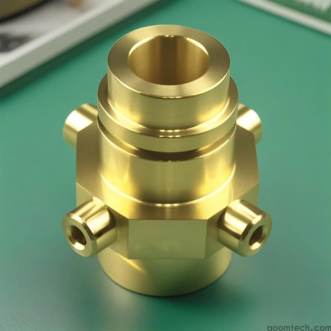
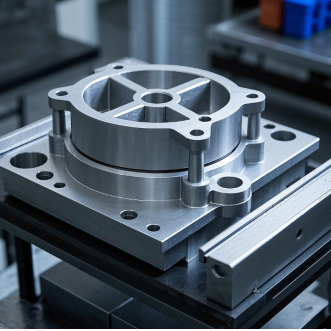
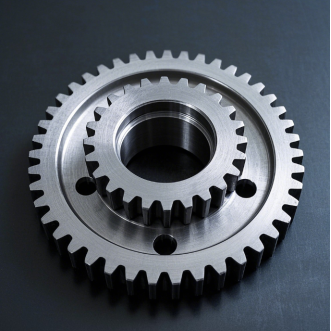
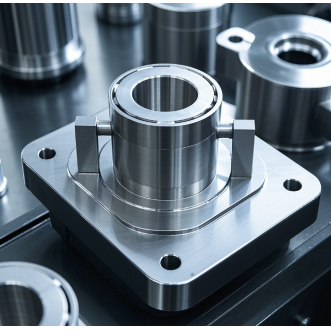
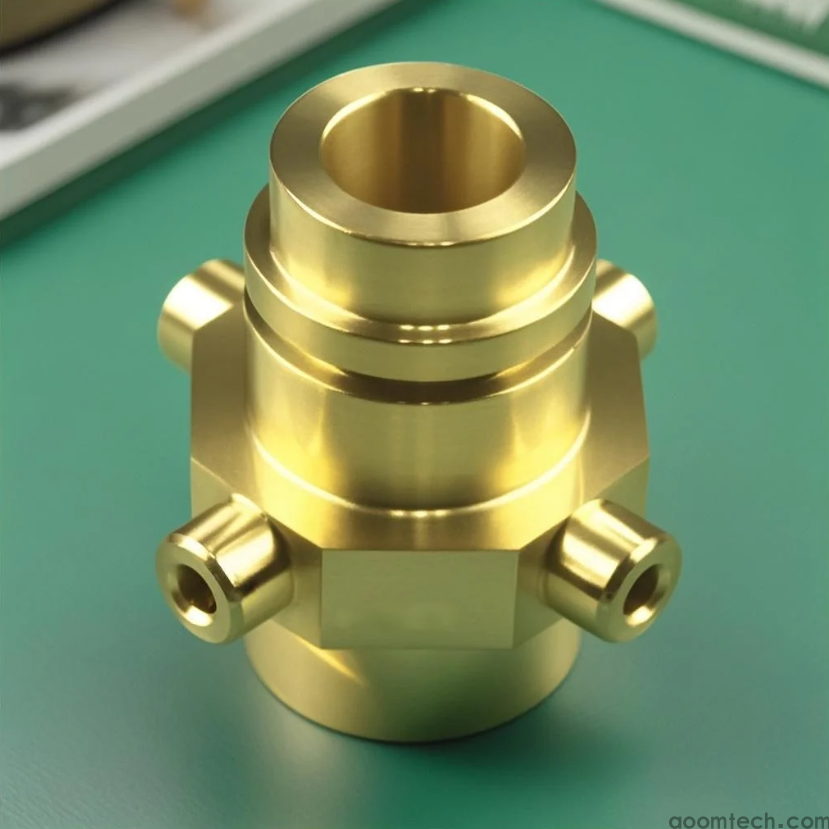
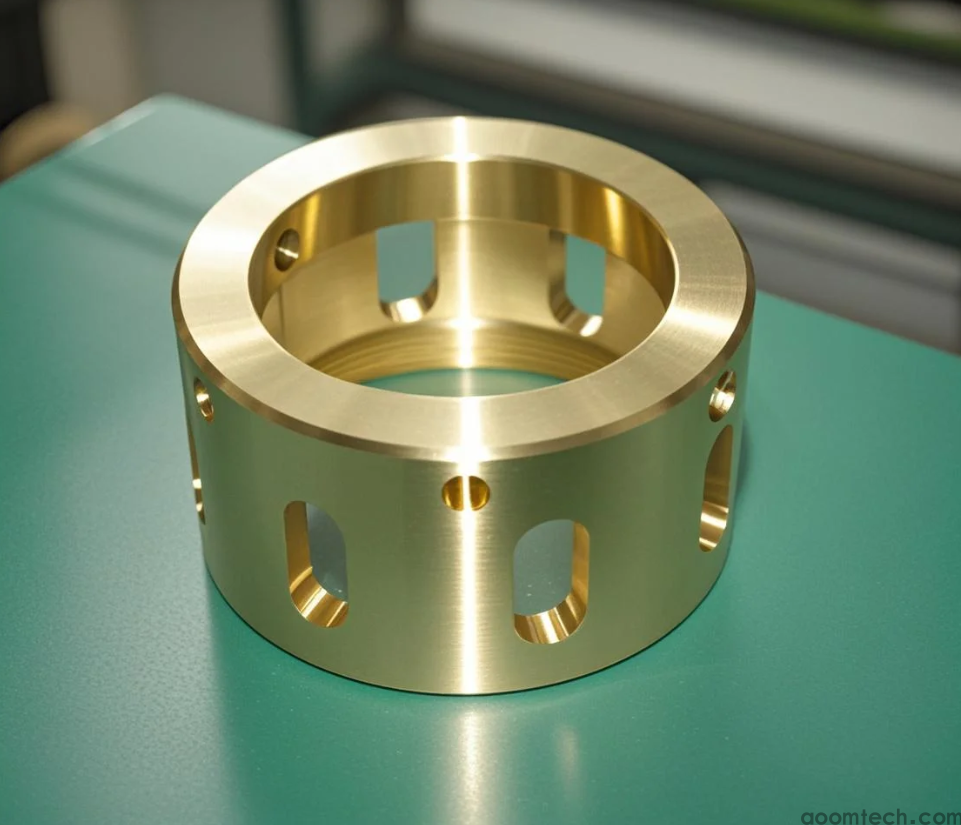
Brass parts CNC machining services play an important role in modern manufacturing industries. These services use computer numerical control (CNC) technology to produce highly accurate and consistent brass components for a wide range of applications. From plumbing systems and electronics to musical instruments and decorative products, brass parts are essential due to their strength, corrosion resistance, and excellent machinability.
Introduction to Brass Parts CNC Machining Services
The Significance of Brass Parts
Brass is an alloy made mainly of copper and zinc. It is widely used because it offers a balanced combination of corrosion resistance, good electrical conductivity, and excellent formability. These properties make brass suitable for many industrial and commercial applications.
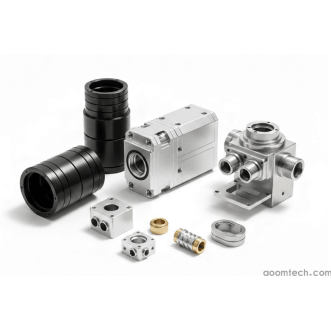
Brass parts are commonly found in plumbing systems (such as valves and fittings), electronics (such as connectors and terminals), and musical instruments (such as trumpets and saxophones). Decorative items also often use brass because of its attractive golden appearance. Without precise manufacturing, these components may fail to function properly or lose durability over time.
This is where Brass Parts CNC Machining Services become essential. They ensure that every component is produced with high precision, consistent quality, and suitable surface finishing for its intended application.
Importance of Brass Parts CNC Machining Services
Precision Manufacturing
One of the most important benefits of CNC machining is precision. Brass components often require tight tolerances to ensure proper assembly and performance. CNC machines follow programmed instructions to achieve exact dimensions repeatedly.
For example, in a brass valve used in plumbing systems, even a small dimensional error in threads or internal channels can cause leakage or poor flow control. Precision machining eliminates such risks and ensures reliable performance.
Customization for Diverse Applications
CNC machining allows manufacturers to produce highly customized brass components. Different industries have different requirements for size, shape, and internal structure.
For instance, electronics may require small, complex brass connectors with fine internal features, while architectural applications may need decorative brass fittings with unique surface designs. With CNC technology, these variations can be achieved without reducing quality.
The flexibility of CNC milling for brass parts makes it ideal for both simple and complex designs.
Cost-effectiveness for Batch Production
Once a CNC program is developed, it can be used to produce large quantities of identical brass parts efficiently. This reduces setup time and increases productivity.
In mass production, such as manufacturing thousands of brass connectors for electronic devices, CNC machining significantly reduces per-unit cost. This makes it a cost-effective solution for both small and large production runs.
CNC Machining Processes for Brass Parts
Milling
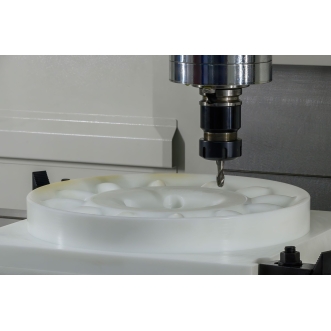
Milling is a common CNC process used to remove material from a brass workpiece using a rotating cutting tool. It is suitable for creating flat surfaces, grooves, slots, and complex 3D shapes.
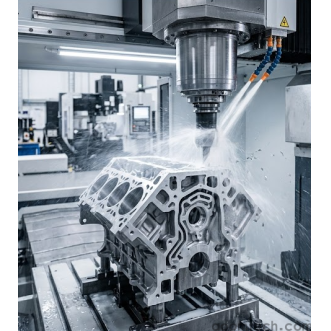
Proper tool selection is important depending on the type of brass being machined. Cutting parameters such as spindle speed, feed rate, and depth of cut must be carefully controlled. Brass tends to produce long chips, so chip-breaking tools or coolant systems are often used to improve machining efficiency.
Turning
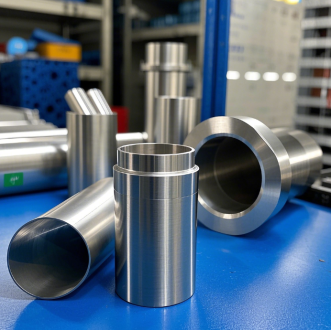
Turning is used to produce cylindrical brass parts such as shafts, threaded components, and bushings. The workpiece rotates while a cutting tool shapes it to the desired form.
Maintaining concentricity and surface quality is essential in turning operations. Proper tool selection and optimized cutting conditions help achieve smooth finishes and accurate dimensions. Turning is widely used in precision mechanical applications.
Drilling
Drilling is used to create holes in brass components for mounting, fluid flow, or electrical connections. Accurate hole placement is critical for proper assembly and function.
Using the correct drill type and speed helps prevent tool breakage and ensures clean hole edges. In industrial production, CNC drilling ensures consistency across multiple parts, improving assembly efficiency.
Types of Brass Used in CNC Machining of Parts
High-Zinc Brass
High-zinc brass offers good strength and excellent machinability. It is commonly used in plumbing fittings and automotive parts. However, it can produce long chips during machining, requiring proper chip control techniques such as chip-breaker tools.
Low-Zinc Brass
Low-zinc brass provides better corrosion resistance and is often used in marine environments and decorative applications. It is slightly harder to machine compared to high-zinc brass, so cutting parameters must be carefully adjusted.
Leaded Brass
Leaded brass contains a small amount of lead, which significantly improves machinability. It is widely used in high-speed machining applications and precision components such as electronic connectors.
However, proper coolant management is important during machining to maintain safety and prevent contamination.
Challenges in CNC Machining of Brass Parts
Chip Formation and Control
One of the main challenges in machining brass is chip formation. Brass often produces long, continuous chips that can wrap around tools or interfere with machining operations.
Solutions include using chip-breaking tools, adjusting cutting speeds, and applying coolant to remove chips efficiently. A proper chip removal system improves safety and machining quality.
Tool Wear
Although brass is relatively soft, continuous machining can still lead to tool wear. Poor cutting conditions can accelerate this issue.
Using high-quality carbide tools, monitoring tool condition, and replacing tools regularly helps maintain accuracy and reduce downtime in production.
Surface Finish
Achieving a smooth surface finish is important for both functionality and appearance. Poor surface quality can affect sealing performance, corrosion resistance, or aesthetics.
Improving surface finish involves optimizing cutting parameters and using post-processing methods such as polishing or fine abrasive finishing.
Choosing a Brass Parts CNC Machining Service Provider
Technical Expertise
A reliable provider should have strong experience in working with brass materials and CNC systems. Knowledge of different brass types and machining behaviors is essential.
When choosing a provider for brass parts CNC machining, it is useful to review case studies, inspect sample parts, and evaluate technical capabilities of the engineering team.
Quality Assurance
A strong quality control system ensures that every part meets required standards. This includes in-process inspection and final inspection using precision tools such as micrometers and surface testers.
Proper quality assurance reduces defects and ensures consistency across production batches, which is critical for industrial applications.
Cost-effectiveness and Lead Times
While cost is important, it should always be balanced with quality and reliability. A good provider should offer transparent pricing and realistic delivery schedules.
Comparing multiple suppliers helps identify the best balance between cost and performance. Reliable lead times are especially important for industries with strict production deadlines.
Conclusion
Brass parts CNC machining services are essential for producing high-quality, precise, and durable components used in many industries. From plumbing and electronics to decorative and mechanical applications, brass parts must meet strict performance requirements.
By understanding materials, machining processes, challenges, and supplier selection, businesses can make better decisions when sourcing brass components. Advanced CNC technology ensures efficiency, consistency, and cost-effectiveness in modern manufacturing.
RELATED PRODUCTS
-
Medical Brass CNC Machining Parts
-
Precision CNC Machining PEEK Services
-
Precision Custom CNC Machined Car Parts
-
cnc machining optical housings
-
Precision CNC Casting Machining Services
-
Precision Gear CNC Machining Services
-
Precision Stainless Steel Parts CNC Mach
-
CNC Machining of Precision Aluminum Tube
-
CNC Machining of Large Precision Aluminu
-
CNC Machining & Manufacturing of Pre