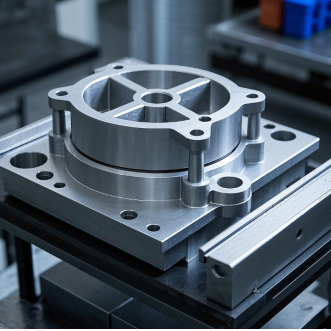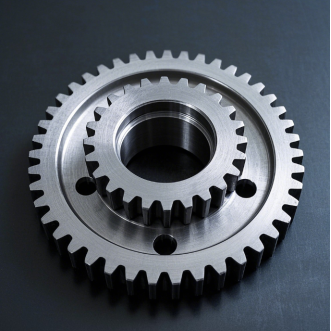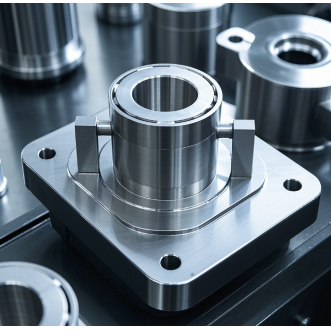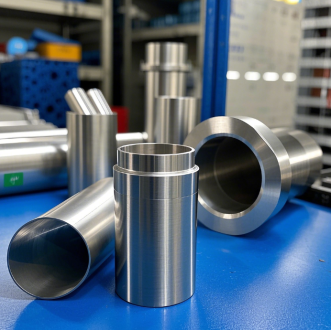
Aluminum Parts CNC Machining
Introduction to Aluminum Parts CNC Machining
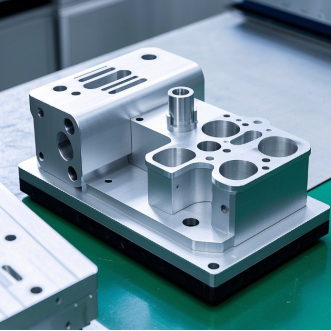
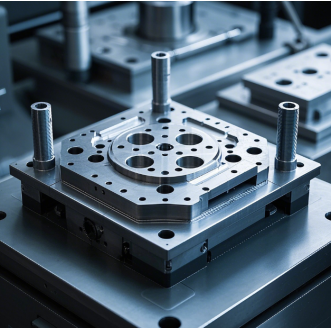
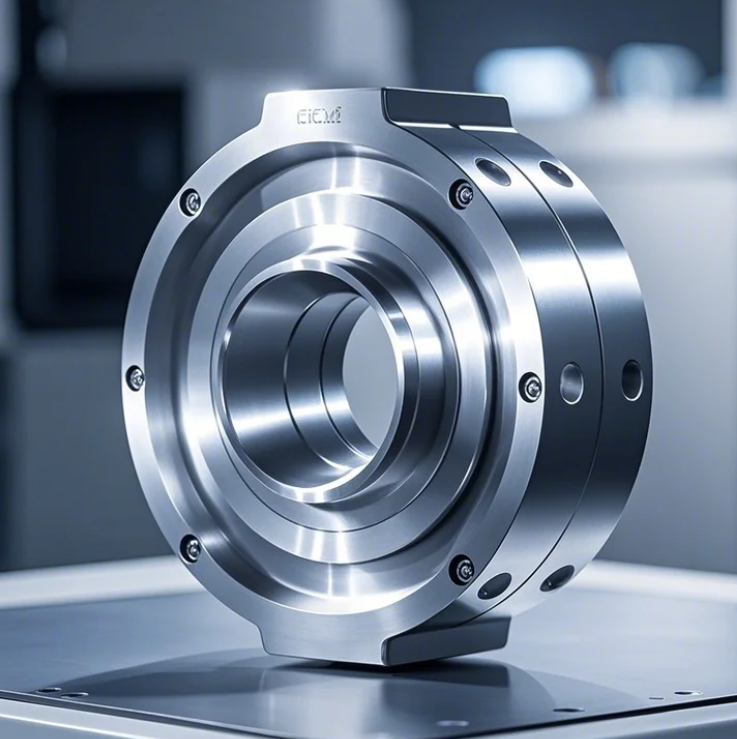
Aluminum Parts CNC Machining is a modern manufacturing process that uses computer-controlled machines to shape aluminum into precise and functional components. Aluminum is widely used because it is lightweight, corrosion-resistant, and cost-effective. When combined with CNC (Computer Numerical Control) technology, manufacturers can produce highly accurate parts for many industries.
In today’s global manufacturing landscape, CNC machining of aluminum parts plays an important role in aerospace, automotive, electronics, medical devices, and industrial equipment. These parts help improve performance, reduce weight, and support high-efficiency production systems.
The importance of aluminum parts CNC machining lies in its ability to deliver consistent quality and meet strict engineering requirements across different industries.
Importance of Aluminum Parts CNC Machining
Lightweight Solutions for Multiple Industries
Aluminum is significantly lighter than steel while still offering strong mechanical performance. In aerospace applications, this is extremely valuable. Aircraft manufacturers use CNC-machined aluminum components for structural parts, brackets, and fuselage sections to reduce total aircraft weight.
For example, CNC-machined aluminum wing components help improve fuel efficiency by reducing overall mass while maintaining structural strength. This makes flights more economical and environmentally friendly.
Cost-effective Production for High-volume Requirements
In the automotive industry, process of aluminum parts CNC machining enables mass production with consistent precision. Once CNC programs are created, machines can repeatedly produce identical parts with minimal variation.
For example, aluminum engine components such as housings and transmission parts are often produced in large quantities. This reduces unit cost while maintaining high performance and durability standards.
Process of Aluminum Parts CNC Machining
Design and Programming
The manufacturing process begins with CAD (Computer-Aided Design), where engineers create a detailed 2D or 3D model of the part. Then CAM (Computer-Aided Manufacturing) software converts the design into machine instructions.
During programming, engineers define cutting paths, spindle speed, feed rate, and tool selection based on aluminum’s properties. For example, complex electronic device enclosures require precise toolpath planning to ensure tight tolerances and smooth surfaces.
Material Preparation
Before machining begins, aluminum material must be inspected for quality, cut to size, and cleaned. Proper clamping is also essential to ensure stability during machining.
If the material is contaminated or improperly secured, it may lead to tool damage, poor surface finish, or dimensional errors. High-quality preparation ensures stable production and consistent results.
Machining Operations
Milling
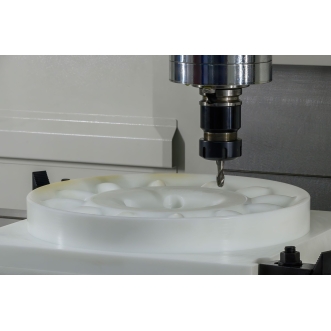
Milling is used to create complex shapes such as pockets, grooves, and contours. Carbide tools are commonly used due to aluminum’s softness. Engineers must carefully control speed and feed rate to avoid surface smearing and ensure smooth finishes.
Turning
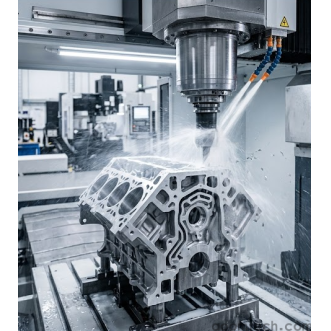
Turning is used for cylindrical parts where the material rotates while a cutting tool shapes it. Coolant is often applied to prevent overheating and improve surface quality.
Drilling
Drilling creates precise holes in aluminum parts. Correct spindle speed and pressure are important to prevent tool breakage and ensure accurate hole positioning.
Quality Control and Inspection
Quality inspection ensures that finished parts meet design specifications. Tools such as calipers, micrometers, and CMM (Coordinate Measuring Machines) are used to check dimensions, surface finish, and accuracy.
For example, if a CMM detects a deviation in a CNC-machined aluminum housing, engineers can adjust machining parameters to correct future production runs. This ensures continuous improvement and consistent quality.
Benefits of CNC-machined Aluminum Parts
Lightweight and Strong
Benefits of CNC-machined aluminum parts include an excellent balance between weight and strength. This makes them ideal for applications where reducing weight is critical without sacrificing durability.
For example, aluminum bicycle frames produced through CNC machining offer strong structural support while remaining lightweight for improved performance.
Good Thermal Conductivity
Aluminum naturally conducts heat well, making it ideal for heat management applications. CNC-machined aluminum heat sinks are widely used in electronics to prevent overheating.
For instance, high-performance CPUs rely on aluminum heat sinks to maintain safe operating temperatures and improve device lifespan.
Customization Capabilities
CNC machining allows manufacturers to create highly customized aluminum parts with complex geometries. This flexibility supports industries with specialized requirements.
For example, custom aluminum components for industrial automation machines can be designed to fit exact mechanical constraints and performance needs.
Challenges in Aluminum Parts CNC Machining
Chip Control
Challenges in aluminum parts CNC machining include chip formation issues. Aluminum chips can become long and sticky, potentially blocking cutting areas.
Using chip-breaking tools or adjusting cutting parameters helps improve chip evacuation and maintain machining efficiency.
Tool Wear
Although aluminum is soft, high-speed machining can still cause tool wear. Cutting edges may dull over time, especially in continuous production.
Using high-quality carbide tools, proper cooling systems, and optimized toolpaths can significantly reduce wear and extend tool life.
Surface Finish
Achieving a perfect surface finish can be difficult. Improper cutting conditions may cause scratches or uneven textures.
To improve results, manufacturers adjust feed rates, use sharp tools, and apply finishing operations such as polishing or fine milling.
Applications of CNC-machined Aluminum Parts
Aerospace Industry
Applications of CNC-machined aluminum parts in aerospace include structural frames, engine components, and interior fittings. These parts must meet strict safety and performance standards.
For example, aluminum wing spars produced through CNC machining provide strength while minimizing aircraft weight.
Automotive Industry
In automotive manufacturing, aluminum CNC parts are used in engines, chassis systems, and interior structures. They help improve fuel efficiency and vehicle performance.
For instance, aluminum engine housings reduce weight while improving heat dissipation, leading to better engine efficiency.
Electronics Industry
In electronics, CNC-machined aluminum is widely used for enclosures, heat sinks, and mounting structures. These parts protect sensitive components while managing heat effectively.
For example, aluminum device enclosures provide both durability and thermal management for smartphones, industrial controllers, and computing systems.
Conclusion: Leveraging Aluminum Parts CNC Machining in Manufacturing
Aluminum Parts CNC Machining is a critical technology in modern manufacturing. It supports industries by delivering lightweight, strong, and highly precise components. From aerospace engineering to consumer electronics, its applications are wide and growing.
By understanding the importance of aluminum parts CNC machining, the process of aluminum parts CNC machining, its benefits, challenges, and applications, manufacturers and designers can make better decisions in product development.
As global industries continue to demand higher precision and efficiency, CNC machining of aluminum parts will remain a key solution for advanced manufacturing systems. Companies are encouraged to explore CNC technology to improve production quality, reduce costs, and enhance product performance.
RELATED PRODUCTS
-
Medical Brass CNC Machining Parts
-
Precision CNC Machining PEEK Services
-
Precision Custom CNC Machined Car Parts
-
cnc machining optical housings
-
Precision CNC Casting Machining Services
-
Precision Gear CNC Machining Services
-
Precision Stainless Steel Parts CNC Mach
-
CNC Machining of Precision Aluminum Tube
-
CNC Machining of Large Precision Aluminu
-
CNC Machining & Manufacturing of Pre