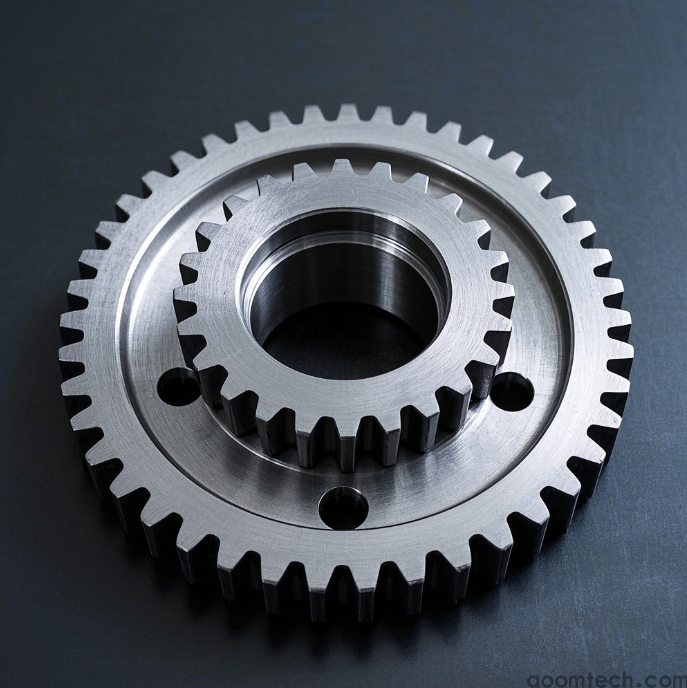
Metal Parts CNC Machining Services
Metal Parts CNC Machining Services: Precision Manufacturing for Complex Metal Components
Choosing reliable Metal Parts CNC Machining Services can be difficult, especially when your project requires tight tolerances, complex geometries, and consistent quality. Many buyers worry about whether a supplier can machine different metals accurately, control production costs, and deliver parts on time. Delays, dimensional errors, poor surface finishes, and inconsistent material quality can lead to assembly problems, product failures, and increased manufacturing expenses.
Professional CNC machining helps solve these challenges by combining advanced equipment, skilled engineers, and strict quality control procedures. Whether you need prototypes, small production batches, or large-scale manufacturing, CNC machining provides a reliable way to produce high-quality metal parts that meet exact specifications.
What Are Metal Parts CNC Machining Services?
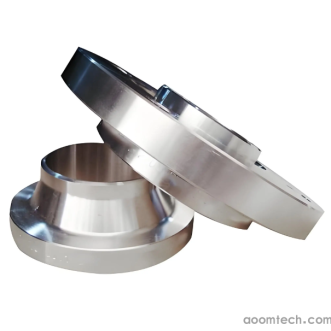
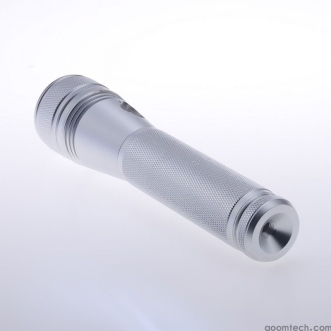
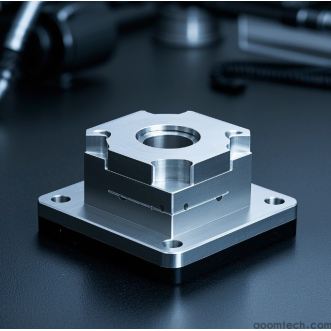
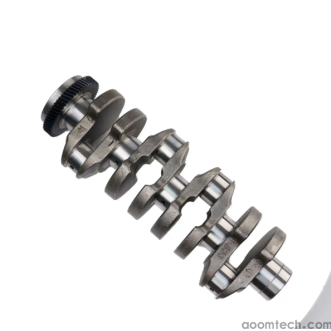
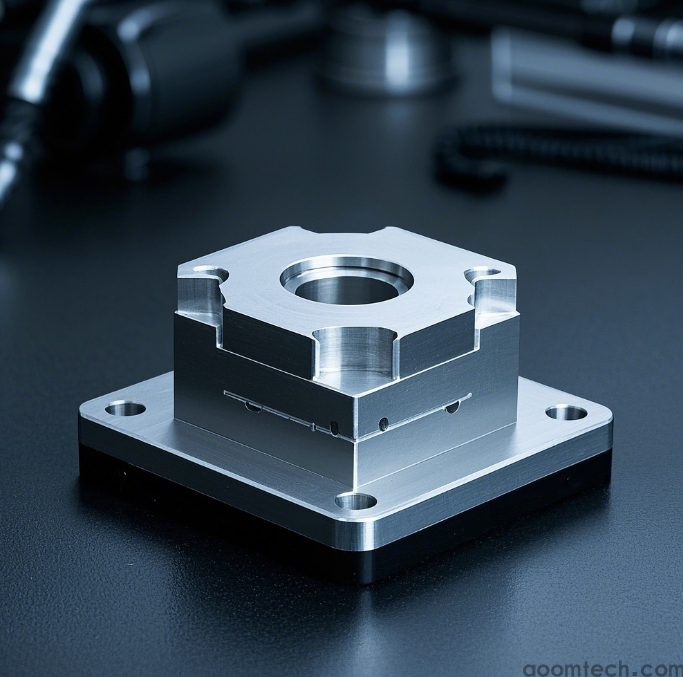
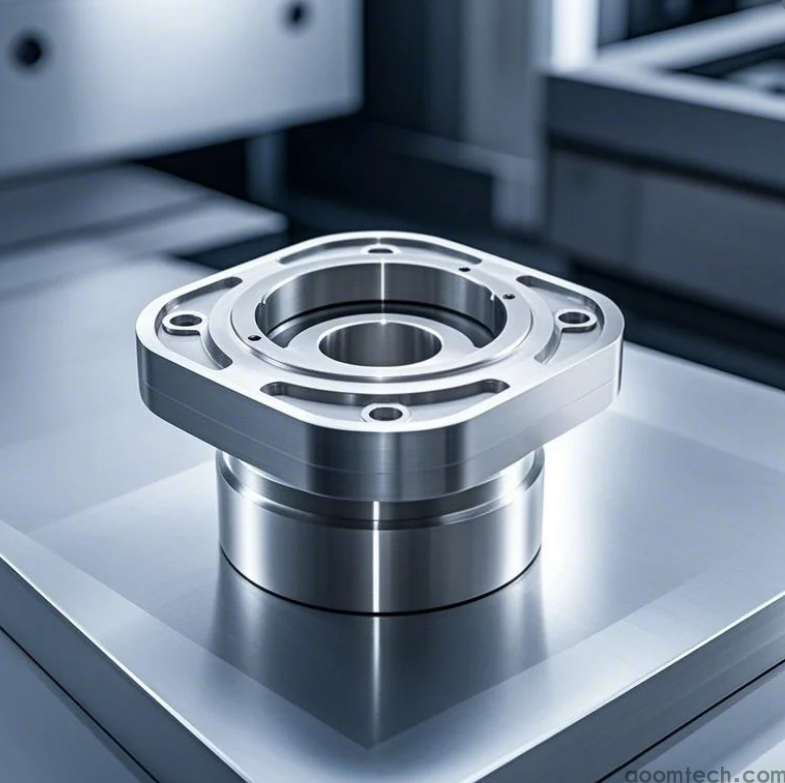
Metal Parts CNC Machining Services involve using computer-controlled machines to remove material from metal workpieces and create precise components. CNC (Computer Numerical Control) technology follows programmed instructions to produce parts with high accuracy and repeatability.
These services are widely used in industries such as automotive, aerospace, medical equipment, robotics, industrial machinery, electronics, energy systems, and automation equipment.
Common CNC machining operations include:
CNC milling for complex shapes and surfaces
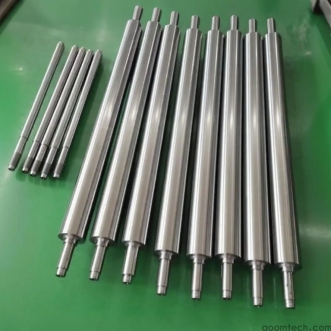
CNC turning for shafts, bushings, and cylindrical parts
Drilling and tapping for threaded holes
Surface grinding for tighter tolerances
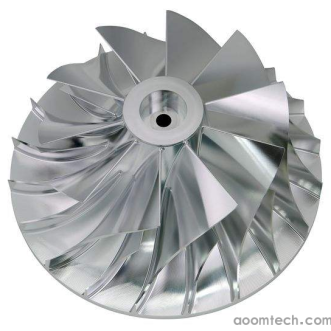
Multi-axis machining for complex geometries
Secondary finishing and assembly operations
How the CNC Machining Process Works for Metal Parts
1. Design and Engineering Review
The process starts with CAD drawings or 3D models provided by the customer. Engineers review the design to identify potential manufacturing challenges and recommend improvements that can reduce cost and improve machinability without affecting functionality.
2. Material Selection
Different metals require different machining strategies. Material selection affects strength, corrosion resistance, weight, durability, and overall manufacturing cost.
3. CNC Programming
CAM software converts design files into machine instructions. Tool paths are optimized to achieve the required accuracy while minimizing machining time and material waste.
4. Precision Machining
The selected metal material is machined using CNC milling, turning, drilling, or multi-axis machining equipment. This stage creates the final geometry according to design specifications.
5. Inspection and Quality Verification
Finished parts undergo dimensional inspections and performance checks before shipment. This ensures that every component meets customer requirements.
Suitable Metal Materials for CNC Machining
One advantage of professional Metal Parts CNC Machining Services is the ability to process a wide variety of metals for different applications.
Aluminum
Lightweight and corrosion-resistant
Excellent machinability
Common in aerospace, electronics, and automotive industries
Stainless Steel
High strength and corrosion resistance
Suitable for medical, food processing, and industrial applications
Ideal for demanding environments
Carbon Steel and Alloy Steel
High durability and load-bearing capability
Frequently used in machinery and structural components
Suitable for heavy-duty industrial applications
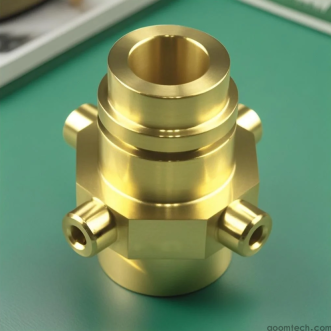
Brass
Excellent machinability
Good electrical conductivity
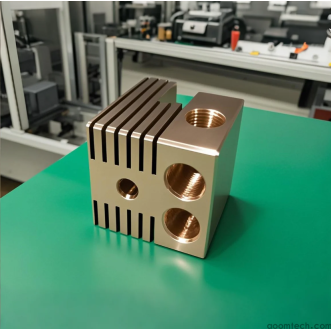
Commonly used for fittings, valves, and electrical parts
Copper
Superior thermal and electrical conductivity
Widely used in electrical and electronic systems
Suitable for heat transfer applications
Titanium
High strength-to-weight ratio
Excellent corrosion resistance
Often used in aerospace, medical, and defense industries
Benefits of High-Precision CNC Machining for Metal Parts
Many industries require parts that must fit and function perfectly. High-precision CNC machining for metal parts offers significant advantages compared to traditional manufacturing methods.
Consistent dimensional accuracy
Tight tolerances for critical applications
Excellent surface finish quality
Repeatable production results
Reduced assembly issues
Lower risk of product failure
Efficient production of complex geometries
For industries where reliability and safety are essential, precision machining directly contributes to product performance and long-term durability.
Cost-Effective CNC Machining for Large Metal Parts
Manufacturing large metal components can become expensive due to material costs, machine time, and handling requirements. However, cost-effective CNC machining for large metal parts can be achieved through optimized manufacturing strategies.
Efficient tool path planning
Material utilization optimization
Advanced multi-axis machining
Reduced setup times
Batch production efficiency
Design-for-manufacturing recommendations
Experienced machining providers help customers reduce unnecessary costs while maintaining required quality standards. Early engineering consultation often identifies opportunities to improve manufacturability and shorten production cycles.
Custom-Designed CNC Machining for Metal Components
Standard parts are not always suitable for specialized applications. Many manufacturers require custom-designed CNC machining for metal components that meet unique operational requirements.
Custom machining services can support:
Prototype development
Custom machine parts
Automation equipment components
Aerospace assemblies
Medical device parts
Industrial tooling
Robotics components
Specialized replacement parts
Custom CNC machining allows engineers to create optimized designs without being limited by standard component sizes or configurations.
Quality Control Measures That Ensure Reliable Metal Parts
Quality control is one of the most important factors when selecting a CNC machining supplier. Reliable manufacturers implement inspection procedures throughout production rather than only checking parts after machining is completed.
Common quality control measures include:
Incoming raw material verification
In-process dimensional inspections
First article inspection reports
Coordinate Measuring Machine (CMM) testing
Surface finish verification
Tolerance and geometric checks
Final inspection before shipment
These processes help ensure that every metal component meets engineering specifications and performs as expected in its final application.
How to Choose the Right Metal Parts CNC Machining Partner
Before selecting a supplier, evaluate the following factors:
Experience with your industry and application
Available machining capabilities and equipment
Material processing expertise
Quality management systems
Engineering support services
Production capacity and lead times
Inspection and testing capabilities
Customer project references
A qualified CNC machining partner should provide transparent communication, realistic lead times, and detailed quality documentation throughout the project lifecycle.
Conclusion
Professional Metal Parts CNC Machining Services provide an efficient solution for manufacturing high-quality metal components with excellent accuracy, repeatability, and reliability. From high-precision CNC machining for metal parts to cost-effective CNC machining for large metal parts and custom-designed CNC machining for metal components, modern CNC technology supports a wide range of industrial applications and production requirements.
To learn more about available capabilities, explore your website's metal parts product catalog, custom CNC machining service pages, material-specific machining solutions, and case studies that showcase successful metal component manufacturing projects. These resources can help you evaluate the best machining approach for your specific application and performance requirements.
RELATED PRODUCTS
-
Metal Parts CNC Machining
-
CNC Machining Services for Flashlight Ho
-
Metal Parts CNC Machining Services
-
Brass Parts CNC Machining Services
-
Roller CNC Machining Services
-
CNC machining of high-precision parts
-
CNC Machining for Sprockets
-
CNC Machining for Turbine Parts
-
CNC Machining Service for Crankshafts
-
CNC Machining Service for Copper Blocks