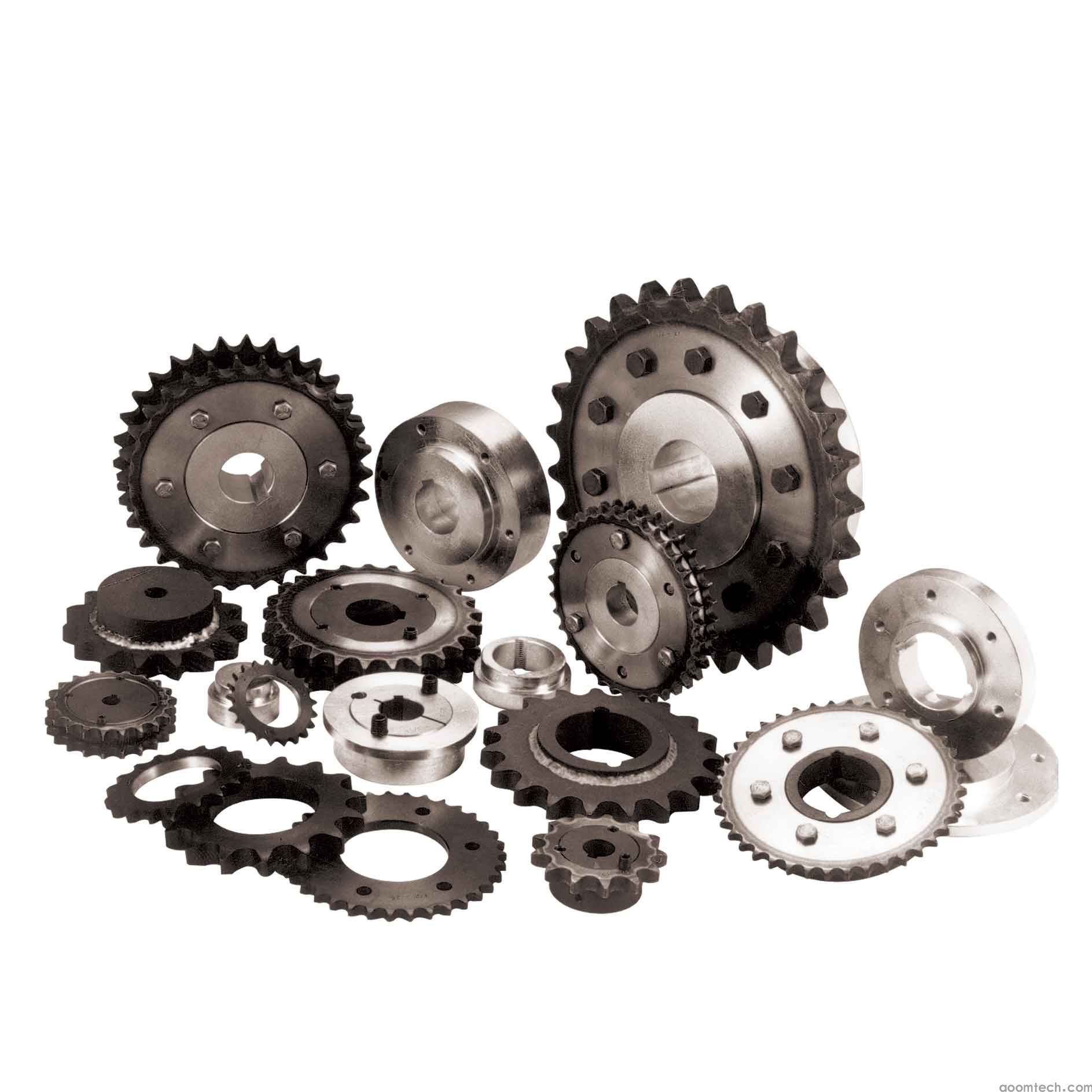
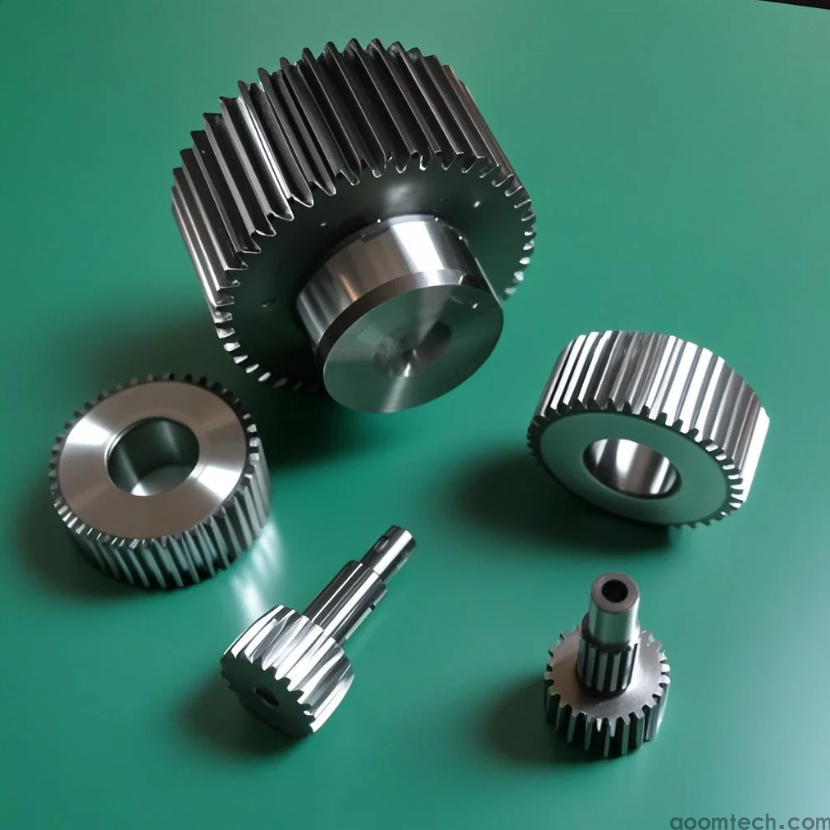
CNC Machining Metal Gears
Introduction to CNC Machining Metal Gears
Metal gears are essential components in many mechanical systems. They help transmit power, change speed, and increase torque in machines. Without gears, most industrial equipment, vehicles, and automated systems would not function efficiently.
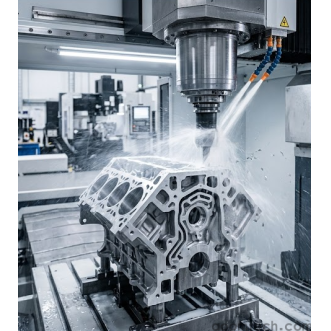
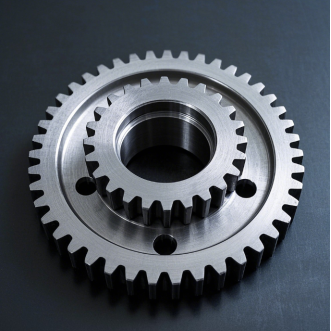
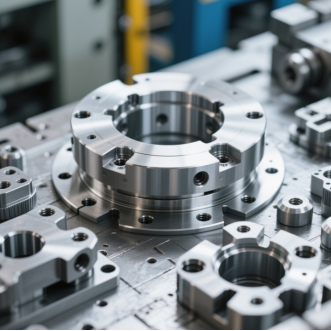
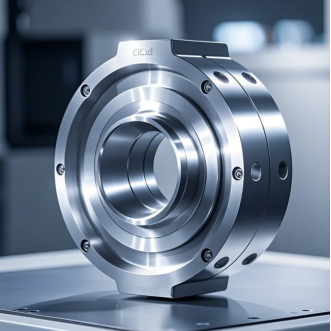
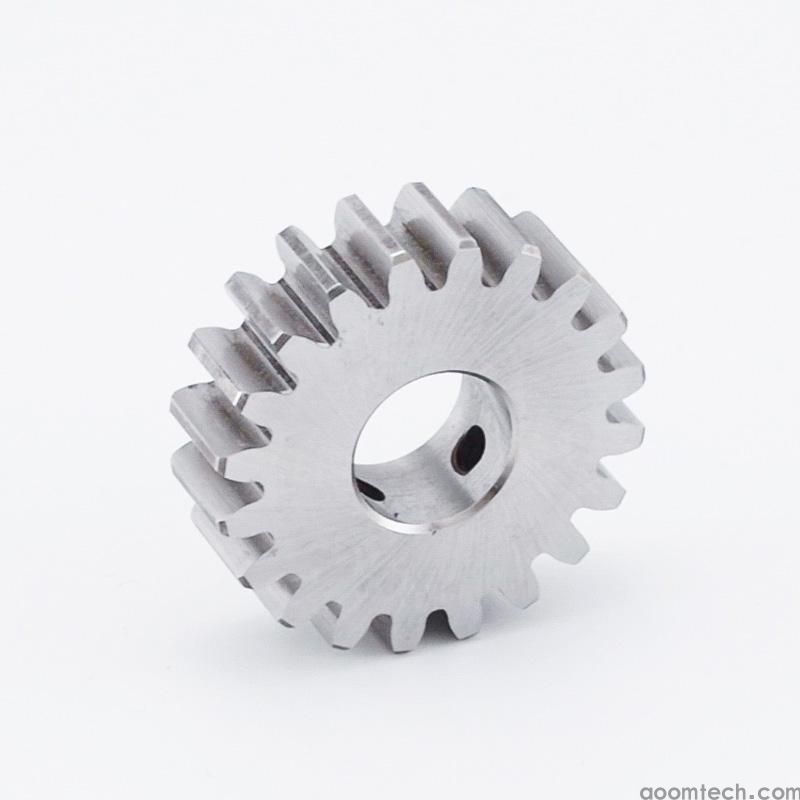
CNC Machining Metal Gears is a modern manufacturing method that uses computer-controlled machines to produce gears with high accuracy and consistency. CNC (Computer Numerical Control) technology allows manufacturers to create complex gear shapes with tight tolerances and repeatable quality.
Today, CNC-machined metal gears are widely used in automotive systems, industrial machines, robotics, aerospace equipment, and energy systems. Their precision and reliability help improve overall machine performance and reduce failure rates.
Advantages of CNC Machining for Metal Gears
High Precision Manufacturing
One of the main advantages of CNC machining for metal gears is extremely high precision. CNC systems follow programmed instructions to produce accurate tooth profiles, pitch diameters, and gear ratios.
For example, in a high-performance automotive transmission, CNC machining ensures each gear tooth is perfectly shaped. This allows smooth gear shifting, reduced noise, and improved vehicle efficiency. Even small errors in gear geometry can cause vibration or wear, so precision is critical.
Customization Capabilities
CNC machining makes it possible to produce custom gear designs for special applications. Engineers can design unique tooth shapes, sizes, or structures depending on machine requirements.
For instance, a specialized industrial machine may require a gear with a non-standard tooth profile. CNC machining can accurately produce this custom design without requiring completely new manufacturing tools, making it highly flexible.
Material Compatibility and Optimization
CNC machines can work with a wide range of metals such as steel, aluminum, and bronze. Each material can be selected based on strength, durability, weight, or corrosion resistance.
For example, in marine environments, bronze gears are often used because they resist corrosion and wear in saltwater conditions. CNC machining ensures these bronze gears are produced with the correct dimensions and smooth surface finish for long-term performance.
Process of CNC Machining Metal Gears
Design and CAD/CAM Programming
The process of CNC machining metal gears begins with digital design using CAD (Computer-Aided Design) software. Engineers create a 3D model of the gear based on load requirements, speed, and application conditions.
Next, CAM (Computer-Aided Manufacturing) software converts the design into machine instructions. These instructions define toolpaths, cutting speeds, feed rates, and spindle speeds.
For example, in aerospace applications, gear designs often require extremely tight tolerances. The CNC program must be carefully optimized to avoid vibration and ensure perfect tooth alignment during machining.
Material Selection and Preparation
Choosing the right material is critical for gear performance. Steel is commonly used for strength, aluminum for lightweight applications, and bronze for wear resistance.
Before machining, materials may be cut into blanks and treated through processes such as annealing or quenching. These treatments improve machinability and mechanical performance. Harder steel, for example, requires slower cutting speeds and stronger cutting tools.
Machining Operations
Milling
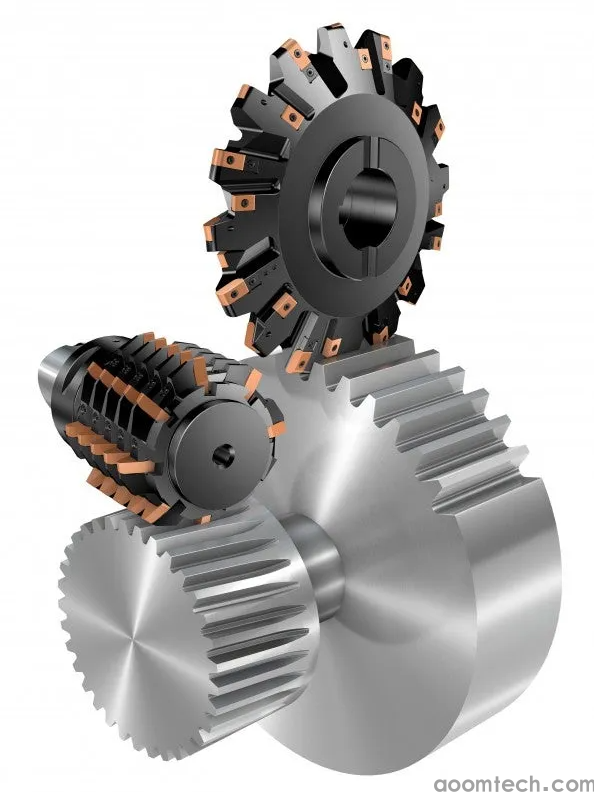
Milling is widely used to create gear teeth. Special tools like gear hobs or end mills shape the teeth precisely.
Hard materials require slower cutting speeds to prevent tool wear and maintain accuracy. Proper tool selection is essential to achieve smooth tooth surfaces and correct geometry.
Turning
Turning is used to machine cylindrical parts of the gear such as the outer diameter and bore. Carbide inserts are commonly used for durability and precision.
Correct setup ensures concentricity, which is important for smooth gear rotation and reduced vibration during operation.
Heat Treatment
After machining, gears often undergo heat treatment to improve hardness and wear resistance. This step strengthens the gear structure and increases service life.
For example, heat-treated steel gears are commonly used in heavy-duty industrial machines because they can withstand high loads and long operating hours.
Finishing Operations
Finishing processes such as grinding, polishing, coating, or plating improve surface quality and corrosion resistance.
A ground and nickel-plated gear, for instance, performs better in humid environments by reducing friction and preventing rust.
Benefits of CNC-Machined Metal Gears
Enhanced Performance and Durability
The benefits of CNC-machined metal gears include improved performance and long service life. High precision reduces friction and wear, allowing gears to operate under heavy loads and high speeds.
For example, wind turbine systems rely on CNC-machined gears that operate continuously under harsh weather conditions while maintaining efficiency for many years.
Cost-Effectiveness for Medium to Large Production
CNC machining becomes highly cost-effective when producing medium or large quantities of gears. Once the program is set, production becomes faster and more efficient, reducing waste and labor costs.
Many manufacturing companies use CNC machining to produce large batches of gears with consistent quality, lowering overall production costs while maintaining precision.
Consistent Quality and Reliability
CNC systems produce identical gears once the program is finalized. This ensures every gear meets the same specifications and performance standards.
This consistency is especially important in industrial systems where interchangeable parts are required to maintain smooth operation and reduce downtime.
Challenges in CNC Machining Metal Gears
Meeting Tight Tolerances
One of the main challenges in CNC machining metal gears is maintaining extremely tight tolerances. Even small errors in tooth shape or spacing can affect performance.
Tool wear, heat, and vibration can all cause deviations. Regular monitoring and tool adjustments are required to maintain accuracy during production.
Tool Wear and Breakage
Machining hard metals can cause rapid tool wear or breakage. This increases production costs and may affect delivery time.
For example, when machining high-strength steel gears, cutting tools may need frequent replacement due to heat and friction generated during operation.
Complex Tooth Geometries
Some gears, such as bevel, helical, or worm gears, have complex shapes that are difficult to machine. These require advanced programming and precise machine control.
Trial adjustments are often needed to achieve the correct tooth geometry and smooth operation, especially in high-precision applications.
Quality Control in CNC Machining Metal Gears
Inspection of Dimensions and Tooth Profiles
Quality control in CNC machining metal gears is essential to ensure proper performance. Tools such as coordinate measuring machines (CMM) and gear measuring systems are used to check dimensions and tooth accuracy.
Even small deviations can be detected and corrected before assembly, preventing performance issues in final applications.
Surface Finish Inspection
Surface quality affects friction and wear. Smooth surfaces reduce energy loss and improve gear life.
Inspection tools measure surface roughness, and polishing is used when necessary to improve performance.
Performance Testing
Gears are often tested under real or simulated working conditions. This includes checking noise levels, vibration, and efficiency.
If a gear fails testing, adjustments are made to design or machining parameters to improve performance before mass production.
Conclusion: Mastering CNC Machining for High-Quality Metal Gears
CNC machining plays a vital role in modern gear manufacturing. It provides high precision, flexibility, and consistency for producing reliable metal gears used in many industries.
By understanding the CNC Machining Metal Gears process, including its advantages, workflow, benefits, challenges, and quality control methods, manufacturers can achieve better performance and efficiency in their mechanical systems.
Whether for automotive, aerospace, or industrial applications, CNC machining remains one of the most effective solutions for producing durable and accurate metal gears. Considering all these factors can help ensure better design decisions and higher product quality in real-world applications.
RELATED PRODUCTS
-
Precision Custom CNC Machined Car Parts
-
cnc machining optical housings
-
Precision CNC Casting Machining Services
-
Precision Gear CNC Machining Services
-
Precision Stainless Steel Parts CNC Mach
-
CNC Machining of Precision Aluminum Tube
-
CNC Machining of Large Precision Aluminu
-
CNC Machining & Manufacturing of Pre
-
Precision Mechanical Parts CNC Machining
-
Aluminum Parts CNC Machining