Aluminum Alloy CNC Machining Services
Introduction to Aluminum Alloy CNC Machining Services
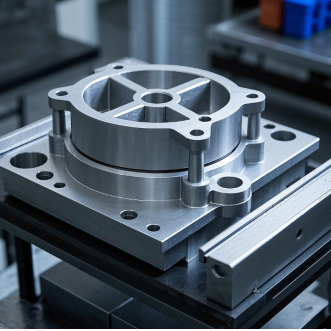
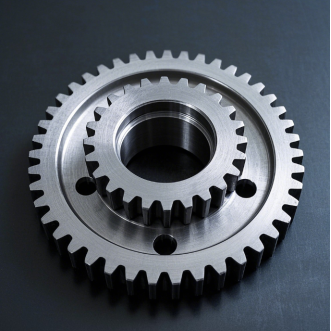
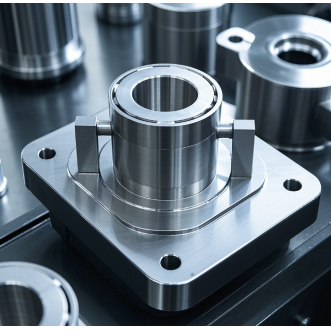
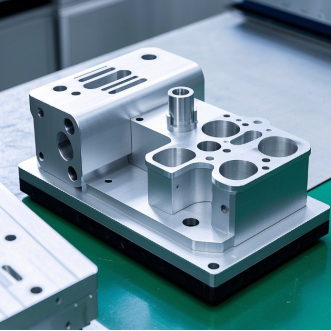
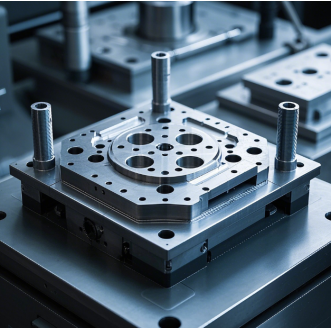
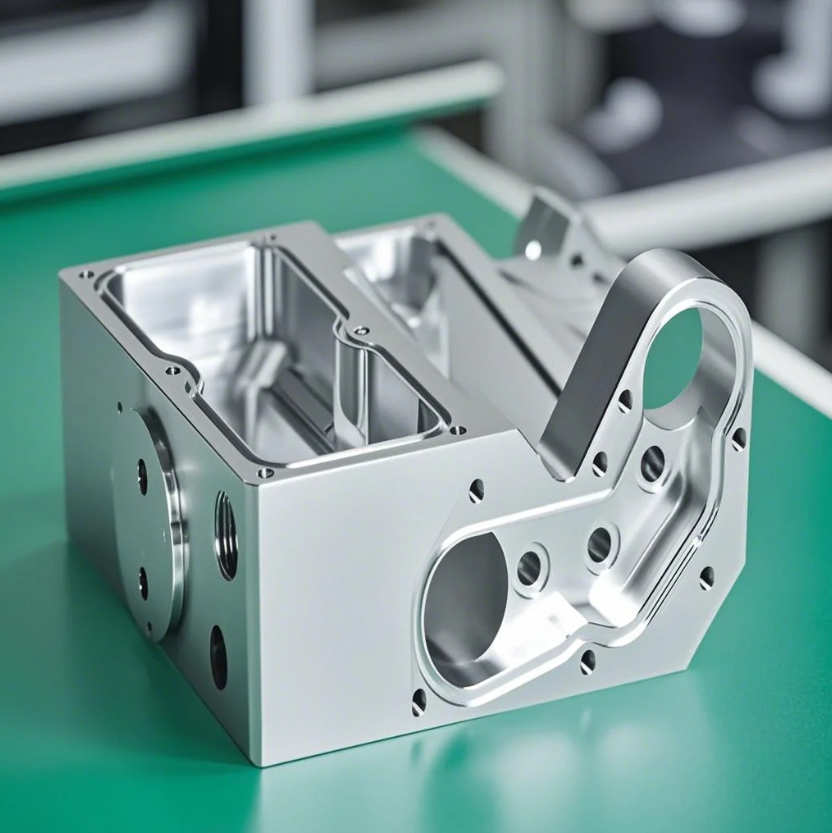
Aluminum Alloy CNC Machining Services refer to the use of computer-controlled machines to cut, shape, and finish aluminum alloy materials into precise parts. These services are widely used in modern manufacturing because aluminum alloys are lightweight, strong, and resistant to corrosion.
Aluminum alloys are widely used in various industries due to their favorable properties like low weight, high strength-to-weight ratio, and good corrosion resistance. CNC (Computer Numerical Control) machining services play a crucial role in shaping these alloys into useful and functional parts. Aluminum alloy CNC-machined parts are essential in improving performance and reliability in industries such as automotive, aerospace, electronics, medical devices, and industrial equipment.
Advantages of CNC Machining for Aluminum Alloys
High Precision Manufacturing
One of the main advantages of CNC machining for aluminum alloys is high precision. CNC machines follow digital instructions, which allows manufacturers to produce parts with very tight tolerances and consistent quality.
For example, in the aerospace industry, aluminum alloy structural components must fit perfectly into aircraft assemblies. CNC machining ensures every part meets exact specifications, reducing assembly errors and improving safety and performance.
Design Flexibility
CNC machining offers excellent design flexibility. Engineers can create complex shapes, internal structures, and customized geometries that would be difficult with traditional manufacturing methods.
For instance, a custom aluminum alloy heat sink for an electronic device can be designed with fine fins and unique patterns. These features help improve heat dissipation and extend the life of electronic components.
Material Compatibility
Another benefit is strong compatibility with aluminum alloys. CNC machining processes can be adjusted to match the softness and thermal properties of aluminum, ensuring smooth cutting and good surface quality.
By optimizing cutting speed, tool selection, and cooling systems, manufacturers can produce high-quality aluminum alloy parts with minimal deformation and excellent finish.
Process of CNC Machining Aluminum Alloys
Design and CAD/CAM Programming
The process of CNC machining aluminum alloys begins with product design using CAD (Computer-Aided Design) software. Engineers create a detailed 3D model based on functional and structural requirements.
Next, CAM (Computer-Aided Manufacturing) software converts the design into machine-readable code. This includes toolpaths, cutting speeds, feed rates, and spindle speeds. For example, an automotive aluminum alloy engine bracket design is carefully programmed to ensure strength, precision, and machining efficiency.
Material Selection and Preparation
Choosing the right aluminum alloy is essential. Different alloys offer different properties such as strength, hardness, and corrosion resistance. Common types include 6061 and 7075 aluminum alloys.
Before machining, materials are cut into suitable sizes. Sometimes heat treatment like annealing is applied to improve machinability. Harder alloys may require slower cutting speeds and stronger tools to avoid wear.
Machining Operations
Milling
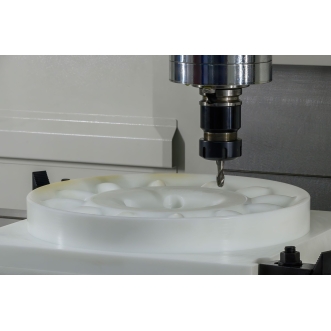
Milling is used to create flat surfaces, grooves, pockets, and complex shapes. Carbide tools are commonly used for aluminum alloys due to their durability.
To achieve smooth surfaces, higher cutting speeds and lower feed rates are often used. Proper cooling prevents material sticking and improves surface finish.
Turning
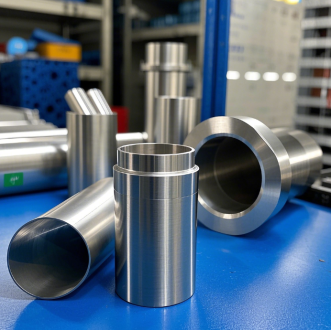
Turning is used for cylindrical aluminum alloy parts. The workpiece rotates while the cutting tool removes material. This process is commonly used for shafts, bushings, and connectors.
Precision control is required to ensure roundness and smooth surface quality. Tool selection and machine stability are important for consistent results.
Drilling
Drilling creates holes in aluminum parts. High-speed steel or carbide drill bits are often used. Proper feed pressure and coolant usage help prevent overheating and tool damage.
Finishing Operations
After machining, finishing processes improve appearance and performance. Common methods include polishing, anodizing, and powder coating.
For example, anodized aluminum parts have improved corrosion resistance and are widely used in outdoor applications and electronic housings.
Benefits of Aluminum Alloy CNC-Machined Parts
Lightweight and High-Strength Components
One of the key benefits of aluminum alloy CNC-machined parts is their combination of low weight and high strength. This makes them ideal for industries where weight reduction is important.
For example, aluminum suspension components in vehicles reduce overall weight, improving fuel efficiency without compromising safety or performance.
Cost-Effectiveness for Medium to Large Batches
CNC machining becomes cost-effective for medium and large production runs. Once programming and setup are complete, production can run efficiently with minimal waste.
Many manufacturers reduce costs by producing large quantities of standardized aluminum alloy parts with consistent quality and low defect rates.
Quick Turnaround for Prototyping and Small Batches
CNC machining is ideal for fast prototyping. Designers can quickly test product ideas and make improvements without long production delays.
Startups often use CNC-machined aluminum prototypes to validate product performance before moving into mass production, saving both time and money.
Challenges in Aluminum Alloy CNC Machining
Chip Formation and Evacuation
A common issue in challenges in aluminum alloy CNC machining is chip formation. Aluminum often produces long, stringy chips that can block tools and affect machining quality.
In some cases, production must be paused to clean machines. To solve this, manufacturers use chip breakers and optimize cutting parameters to improve chip control.
Tool Wear
Although aluminum is relatively soft, high-speed machining can still cause tool wear. Continuous cutting generates heat and friction that gradually dull cutting tools.
For example, carbide tools may need frequent replacement during large production runs, increasing maintenance cost and downtime.
Thermal Expansion and Dimensional Changes
Heat generated during machining can cause aluminum to expand, affecting accuracy. This is especially important for high-precision parts.
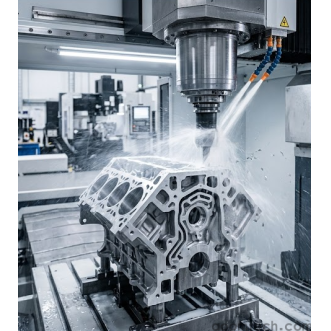
To reduce this problem, manufacturers use coolant systems, optimize cutting speeds, and allow cooling time between machining stages.
Choosing an Aluminum Alloy CNC Machining Service Provider
Experience in Aluminum Alloy Machining
When selecting a provider, experience matters. A skilled manufacturer understands how different aluminum alloys behave during machining and can optimize processes for better results.
Experienced providers can also suggest design improvements that reduce cost and improve manufacturability.
Quality Assurance Measures
A reliable service provider should have strong quality control systems. This includes in-process inspection, final product testing, and the use of precision measuring tools.
Certifications and inspection reports help ensure that every aluminum part meets required standards before delivery.
Cost-Effectiveness and Pricing Transparency
Cost is an important factor, but it should be balanced with quality. A good provider offers clear and transparent pricing, including material, machining, and finishing costs.
To compare providers, request detailed quotations and evaluate not only price but also lead time, quality control, and communication.
Conclusion: Selecting the Right Aluminum Alloy CNC Machining Service
Aluminum Alloy CNC Machining Services play a vital role in modern manufacturing. They offer high precision, design flexibility, and efficient production for a wide range of industries.
In summary, understanding the advantages of CNC machining for aluminum alloys, the process of CNC machining aluminum alloys, and the benefits of aluminum alloy CNC-machined parts helps businesses make better decisions. At the same time, recognizing the challenges in aluminum alloy CNC machining ensures more realistic expectations.
When choosing a provider, consider experience, quality control, and pricing transparency. Careful evaluation will help you find a reliable partner for long-term manufacturing success. Start reviewing potential suppliers today to ensure your next project achieves the best results.
RELATED PRODUCTS
-
Medical Brass CNC Machining Parts
-
Precision CNC Machining PEEK Services
-
Precision Custom CNC Machined Car Parts
-
cnc machining optical housings
-
Precision CNC Casting Machining Services
-
Precision Gear CNC Machining Services
-
Precision Stainless Steel Parts CNC Mach
-
CNC Machining of Precision Aluminum Tube
-
CNC Machining of Large Precision Aluminu
-
CNC Machining & Manufacturing of Pre