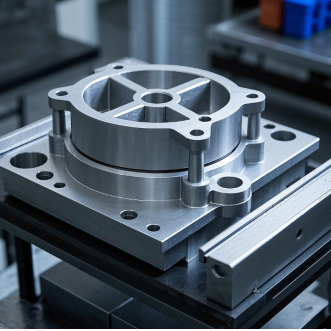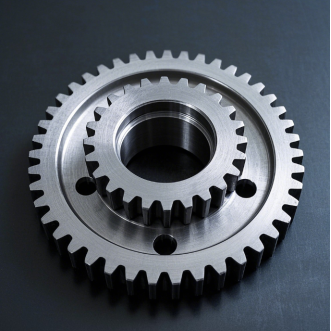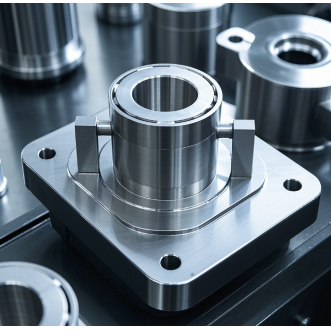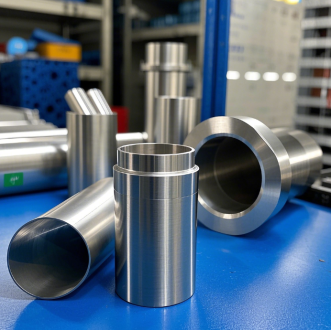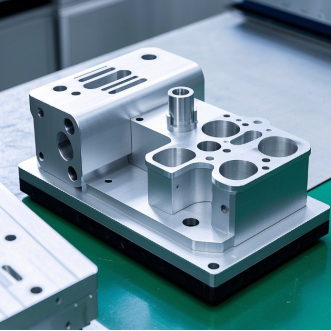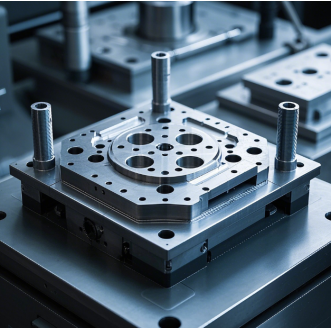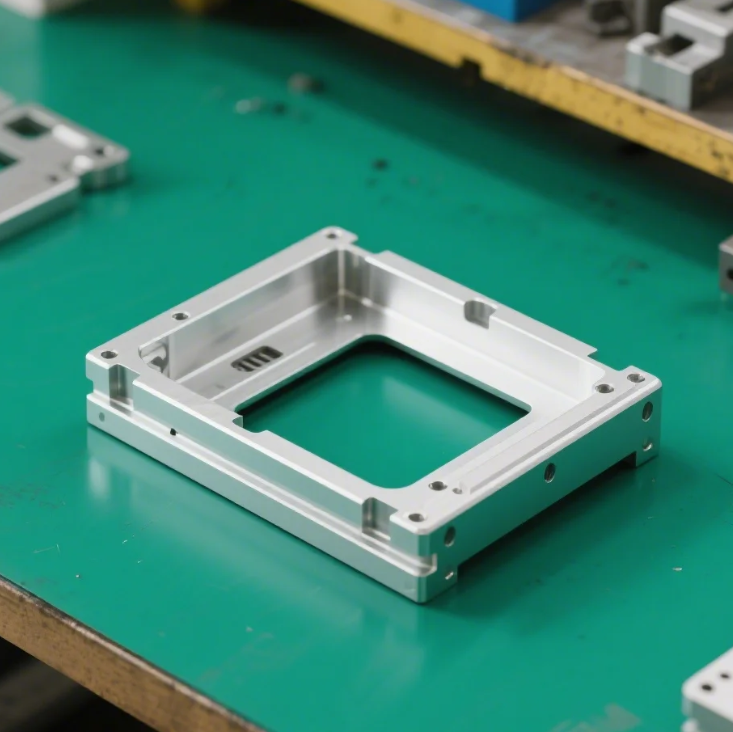
Aluminum Alloy Enclosure CNC Machining
Introduction to Aluminum Alloy Enclosure CNC Machining
Aluminum Alloy Enclosure CNC Machining is a modern manufacturing method used to create precise protective housings for electronic, automotive, and industrial components. Aluminum alloys are widely chosen because they are lightweight, corrosion-resistant, and strong enough for demanding environments. CNC (Computer Numerical Control) machining allows manufacturers to shape these materials with high accuracy and repeatability.
In today’s global manufacturing industry, aluminum alloy enclosures are essential for protecting sensitive systems. From smartphones to electric vehicles and factory control systems, these enclosures ensure both safety and stable performance.
The Significance of Aluminum Alloy Enclosure CNC Machining
The significance of aluminum alloy enclosure CNC machining lies in its ability to combine material performance with manufacturing precision. This process supports industries that require both durability and accuracy.
Meeting Diverse Protection Needs
CNC-machined aluminum alloy enclosures are widely used to protect internal components from dust, moisture, and electromagnetic interference. For example, in consumer electronics such as smartphones and laptops from companies like , aluminum enclosures provide both structural protection and a premium appearance. The precise machining ensures tight sealing and accurate fit for internal components.
Utilizing Aluminum Alloy Properties for Specific Applications
Aluminum alloys offer an excellent strength-to-weight ratio. In the automotive sector, companies like benefit from aluminum battery enclosures that reduce vehicle weight while maintaining strong protection. This directly improves energy efficiency and safety in electric vehicles.
Process of Aluminum Alloy Enclosure CNC Machining
The process of aluminum alloy enclosure CNC machining involves several key stages that ensure precision and quality.
Design and Programming
The process begins with CAD (Computer-Aided Design), where engineers create a 3D model of the enclosure. CAM (Computer-Aided Manufacturing) software then converts the design into machine instructions. These instructions define toolpaths, cutting speed, feed rate, and depth. Complex industrial enclosures often require careful programming to ensure ventilation slots, mounting points, and internal cavities are accurately produced.
Material Preparation
Before machining, aluminum alloy materials must be inspected for quality and cut into suitable sizes. Proper clamping on the CNC machine is essential. Poor material preparation can lead to defects such as tool wear, vibration marks, or dimensional errors due to impurities or internal stress.
Machining Operations
Milling
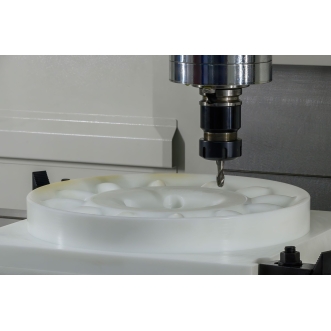
Milling is used to create shapes such as pockets, slots, and surfaces. Carbide cutting tools are commonly used. Proper control of spindle speed and feed rate is important to avoid deformation and ensure a smooth surface finish.
Drilling
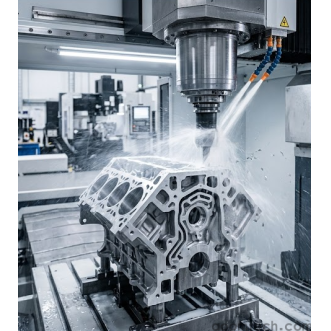
Drilling creates precise holes for screws, connectors, or ventilation. Coolant is often used to prevent overheating and extend tool life. Accuracy in positioning is critical for assembly compatibility.
Finishing Operations
Finishing includes deburring, polishing, and anodizing. Deburring removes sharp edges, polishing improves appearance, and anodizing increases corrosion resistance and durability. These steps significantly improve the final product quality.
Quality Control and Inspection
Quality inspection uses tools like calipers, micrometers, and CMM (Coordinate Measuring Machines). Even small deviations can affect assembly performance. In industrial practice, detected errors lead to adjustments in toolpaths or machining parameters to maintain accuracy.
Benefits of CNC-Machined Aluminum Alloy Enclosures
The benefits of CNC-machined aluminum alloy enclosures make them highly popular across industries.
Lightweight and Durable
Aluminum enclosures are easy to transport and install while still providing strong mechanical protection. This combination is ideal for portable electronics and industrial devices.
Cost-Effectiveness for Medium to Large Batches
Once CNC programming is completed, production becomes highly efficient. This reduces per-unit cost in mass production, especially for consumer electronics and standardized industrial parts.
Customization Capabilities
CNC machining allows full customization of shapes, sizes, and internal structures. For example, medical devices often require specially designed enclosures that match unique internal layouts and safety requirements.
Challenges in Aluminum Alloy Enclosure CNC Machining
The challenges in aluminum alloy enclosure CNC machining must be managed carefully to maintain production quality.
Tool Wear and Breakage
Although aluminum is softer than many metals, high-speed machining can still cause tool wear. Poor cutting conditions may lead to tool damage. Manufacturers reduce this risk by using high-quality carbide tools and optimized cutting paths.
Heat Generation and Dimensional Changes
Excess heat during machining can cause expansion and slight dimensional variation. Proper coolant systems and optimized cutting speeds help maintain stability and precision.
Surface Finish Requirements
Achieving a smooth surface finish is not always easy. Issues like scratches or tool marks may appear. Finishing processes such as polishing or anodizing are often required to meet appearance and functional standards.
Applications of CNC-Machined Aluminum Alloy Enclosures
The applications of CNC-machined aluminum alloy enclosures span multiple industries.
Electronics Industry
Aluminum enclosures are widely used in laptops, smartphones, and communication devices. They provide both protection and heat dissipation, which is essential for stable performance in compact devices.
Automotive Industry
In electric vehicles, aluminum enclosures protect battery systems and electronic control units. Their lightweight nature improves driving range and energy efficiency.
Industrial Equipment Industry
Industrial control systems, power units, and automation devices rely on aluminum enclosures to resist harsh environments such as dust, vibration, and temperature changes.
Companies like use advanced enclosure solutions in industrial automation systems to ensure stable and safe operation in factories.
Conclusion: Harnessing the Potential of Aluminum Alloy Enclosure CNC Machining
Aluminum Alloy Enclosure CNC Machining plays a key role in modern manufacturing by combining precision engineering with material advantages. It supports industries that require reliable protection, efficient production, and flexible design.
By understanding the significance of aluminum alloy enclosure CNC machining, its process, benefits, challenges, and applications, manufacturers and designers can make better decisions in product development. Whether in electronics, automotive, or industrial systems, CNC machining continues to improve product quality and performance.
As manufacturing technology continues to evolve, adopting advanced CNC processes will help businesses achieve higher precision, better efficiency, and stronger competitiveness in the global market.
RELATED PRODUCTS
-
Medical Brass CNC Machining Parts
-
Precision CNC Machining PEEK Services
-
Precision Custom CNC Machined Car Parts
-
cnc machining optical housings
-
Precision CNC Casting Machining Services
-
Precision Gear CNC Machining Services
-
Precision Stainless Steel Parts CNC Mach
-
CNC Machining of Precision Aluminum Tube
-
CNC Machining of Large Precision Aluminu
-
CNC Machining & Manufacturing of Pre