Aluminum Plate CNC Machining
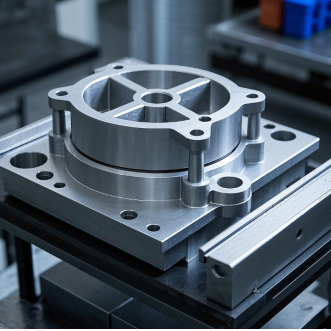
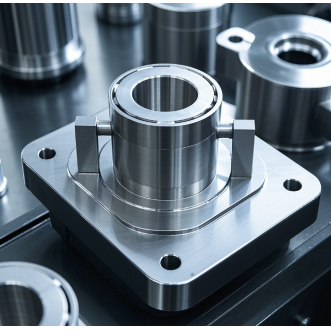
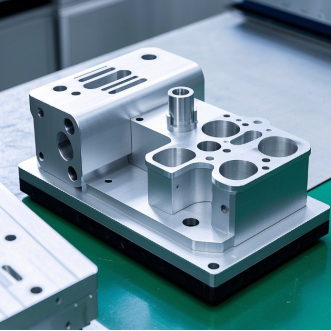
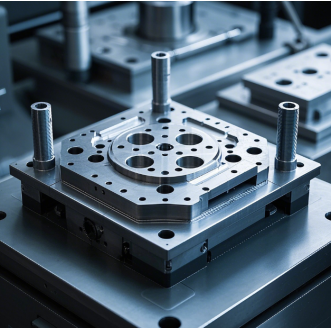
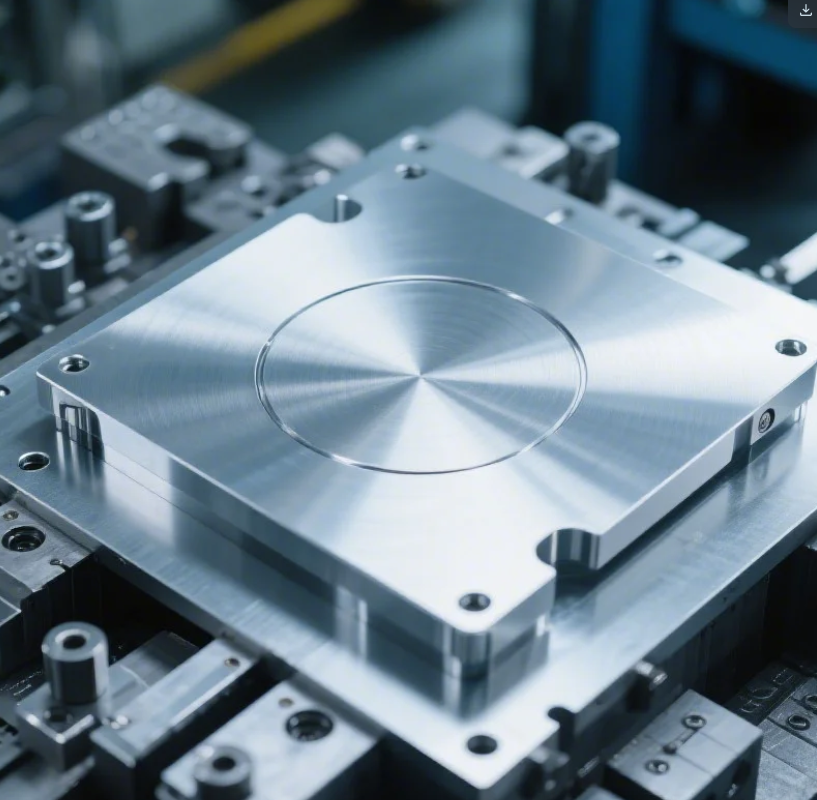
Aluminum Plate CNC Machining is a modern manufacturing process that uses computer-controlled machines to cut, shape, and finish aluminum plates into precise parts. In today’s global industries, aluminum plates are widely used because they are lightweight, corrosion-resistant, and have excellent thermal conductivity. When combined with CNC (Computer Numerical Control) technology, these plates can be turned into highly accurate components used in aerospace, automotive, electronics, and many other fields.
This article explains the importance of aluminum plate CNC machining, its process, benefits, challenges, and real-world applications in simple and clear language.
Importance of Aluminum Plate CNC Machining
Precision Manufacturing for Varied Industries
The importance of aluminum plate CNC machining is mainly seen in its ability to produce highly precise parts. CNC machines follow digital instructions to cut aluminum plates with very tight tolerances.
For example, in the aerospace industry, parts such as structural brackets, wing ribs, and fuselage panels must fit perfectly. Even a small error can affect safety and performance. CNC machining ensures every aluminum plate component meets strict design requirements, improving aircraft reliability and assembly accuracy.
Utilizing Aluminum Plate Properties Efficiently
Another key importance of aluminum plate CNC machining is that it fully uses the natural properties of aluminum. Aluminum is light but strong, making it ideal for weight-sensitive industries.
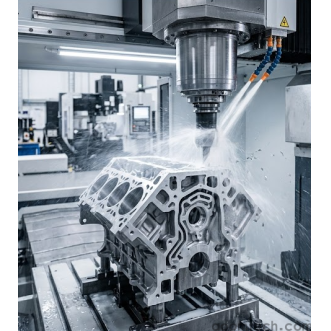
In the automotive industry, CNC-machined aluminum parts such as engine mounts and body panels help reduce vehicle weight. This improves fuel efficiency and reduces emissions while maintaining strength and durability. This is a clear example of how aluminum plate CNC machining supports modern energy-saving transportation.
Process of Aluminum Plate CNC Machining
Design and Programming
The process of aluminum plate CNC machining starts with design. Engineers use CAD (Computer-Aided Design) software to create a 2D or 3D model of the part. After that, CAM (Computer-Aided Manufacturing) software converts the design into machine instructions.
These instructions include tool paths, cutting speed, feed rate, and depth. For example, when designing an aluminum electronic enclosure, engineers must carefully plan wall thickness and internal space to avoid deformation during machining.
Material Preparation
Before machining, the aluminum plate must be properly prepared. It needs to be flat, clean, and free from dirt or oil. The plate is then fixed firmly on the CNC machine table.
If the plate is not flat, it may vibrate or shift during machining, causing inaccurate cuts and poor surface quality.
Machining Operations
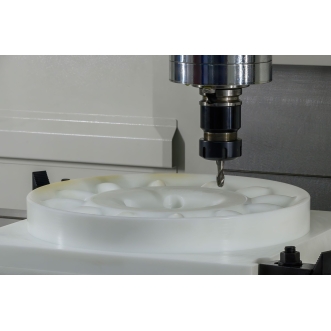
Milling: Milling is used to create shapes like grooves, pockets, and complex surfaces. Special cutting tools are used to ensure smooth finishes. Proper speed and feed settings are important because aluminum is soft and can stick to tools.
Drilling: Drilling creates holes in aluminum plates. High-speed drill bits and cooling systems are used to prevent overheating and ensure accuracy.
Cutting and Trimming: CNC machines also cut and trim aluminum plates into final shapes. Clean cutting helps maintain precise dimensions and reduces the need for extra finishing work.
Quality Control and Inspection
After machining, parts are carefully checked using tools like calipers, micrometers, and CMM (Coordinate Measuring Machines). This ensures all dimensions match the original design.
For example, if a deviation is found in an aluminum plate bracket, engineers adjust the CNC program to correct the error in future production.
Benefits of CNC-Machined Aluminum Plates
Lightweight and Strong
One major benefit of CNC-machined aluminum plates is their excellent strength-to-weight ratio. They are strong enough for structural use but light enough to reduce overall product weight.
For example, electronic device frames made from aluminum plates are easy to carry but still protect internal components effectively.
Cost-Effectiveness for Medium to Large Production
Once CNC programming is complete, machines can produce large quantities of identical parts efficiently. This reduces production cost per unit, making it ideal for medium and large batch manufacturing.
This is why many companies choose CNC machining for automotive aluminum parts production.
Good Thermal Conductivity for Heat Management
Aluminum naturally conducts heat well. CNC-machined aluminum plates are often used in heat-sensitive applications such as electronics.
For example, aluminum heat sinks in computers help release heat from processors, improving performance and preventing overheating.
Challenges in Aluminum Plate CNC Machining
Material Softness and Chip Control
One challenge in aluminum plate CNC machining is that aluminum is soft. It can stick to cutting tools, affecting surface quality. Chips can also build up and block the cutting area.
Using proper lubrication and sharp cutting tools helps solve this problem and improves machining efficiency.
Heat Generation and Dimensional Changes
During machining, heat is produced. If not controlled, aluminum may expand and cause small dimensional errors.
Cooling systems and optimized cutting speeds are used to reduce heat and maintain accuracy.
Tool Wear and Breakage
High-speed cutting can wear down tools quickly. In some cases, drill bits or cutters may break during machining.
To reduce this issue, manufacturers use high-quality tools and regularly replace worn-out cutting equipment.
Applications of CNC-Machined Aluminum Plates
Aerospace Industry
In aerospace, aluminum plate CNC machining is used for wings, fuselage structures, and interior components. These parts must be lightweight yet extremely strong.
For example, CNC-machined aluminum wing panels help reduce aircraft weight while maintaining structural safety.
Automotive Industry
In the automotive industry, aluminum plates are used for engine covers, body frames, and structural supports.
For example, CNC-machined engine covers help improve heat dissipation and reduce vehicle weight, leading to better fuel efficiency.
Electronics Industry
In electronics, aluminum plates are used for device enclosures, heat sinks, and mounting structures.
For example, CNC-machined aluminum enclosures protect sensitive electronic components while also helping release heat efficiently.
Conclusion: The Role of Aluminum Plate CNC Machining in Modern Manufacturing
Aluminum Plate CNC Machining plays an important role in modern industries by combining precision engineering with the advantages of aluminum material.
From the process of aluminum plate CNC machining to its real-world applications, this technology supports high-performance products across aerospace, automotive, and electronics industries. Its benefits—such as lightweight strength, cost efficiency, and thermal performance—make it a key solution in advanced manufacturing.
However, challenges like heat control, tool wear, and chip management must be carefully handled to ensure quality results.
Understanding the applications of CNC-machined aluminum plates and their manufacturing process can help engineers, designers, and manufacturers make better decisions in product development.
As industries continue to evolve, aluminum plate CNC machining will remain a critical technology for producing reliable, efficient, and high-quality components.
RELATED PRODUCTS
-
Medical Brass CNC Machining Parts
-
Precision CNC Machining PEEK Services
-
Precision Custom CNC Machined Car Parts
-
cnc machining optical housings
-
Precision CNC Casting Machining Services
-
Precision Gear CNC Machining Services
-
Precision Stainless Steel Parts CNC Mach
-
CNC Machining of Precision Aluminum Tube
-
CNC Machining of Large Precision Aluminu
-
CNC Machining & Manufacturing of Pre