Batch Manufacturing CNC Machining for Parts
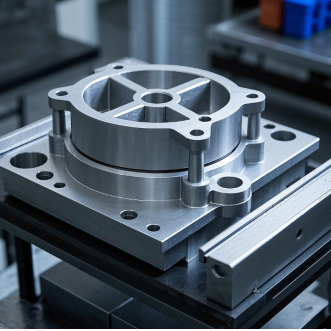
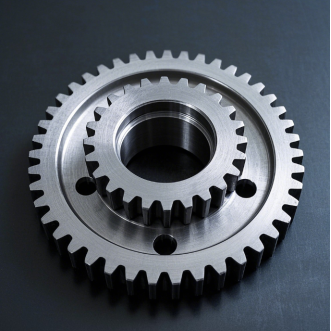
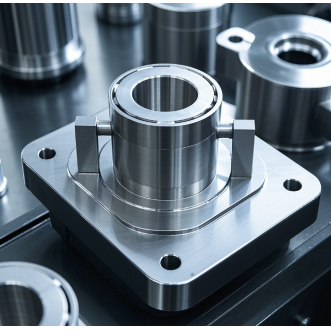
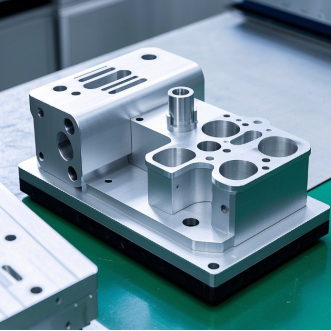
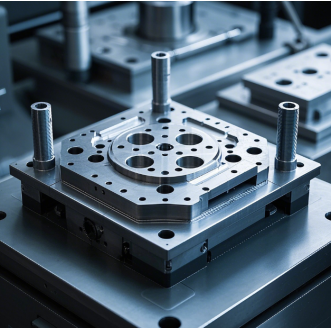
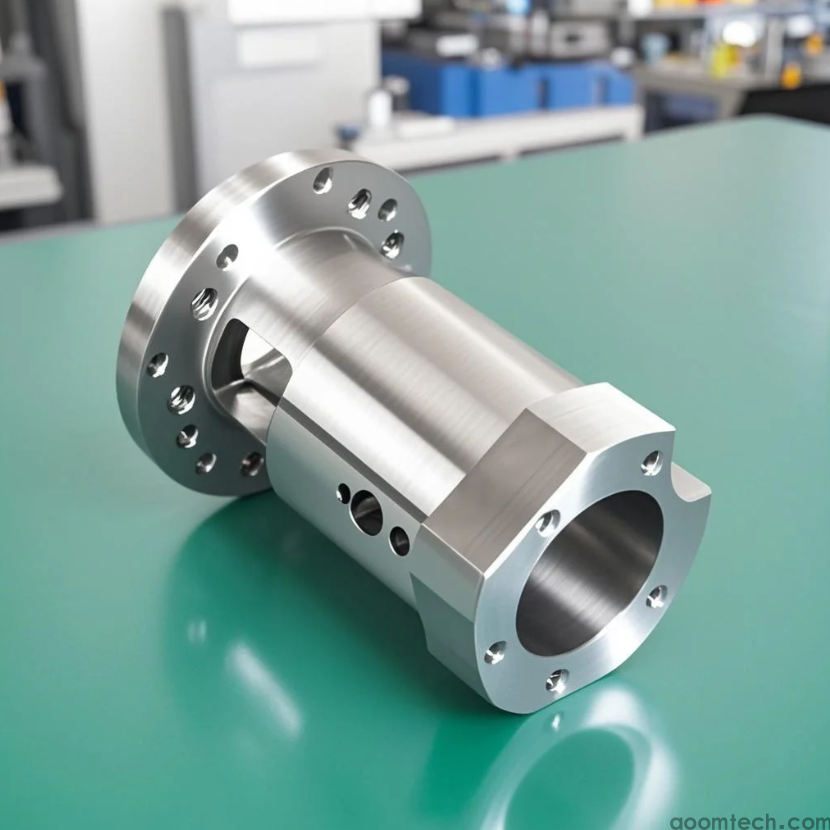
Batch Manufacturing CNC Machining for Parts plays a key role in modern manufacturing industries where precision, repeatability, and efficiency are required. It refers to producing multiple identical parts using Computer Numerical Control (CNC) machines in controlled batches. This method is widely used in industries such as automotive, aerospace, electronics, and medical devices, where consistent quality and large-volume production are essential.
Introduction to Batch Manufacturing CNC Machining for Parts
The Significance of Batch Manufacturing in CNC Machining
Batch manufacturing in CNC machining is essential for producing multiple identical parts with high accuracy and efficiency. CNC machines follow programmed instructions, ensuring every part in the batch is produced with the same dimensions and quality.
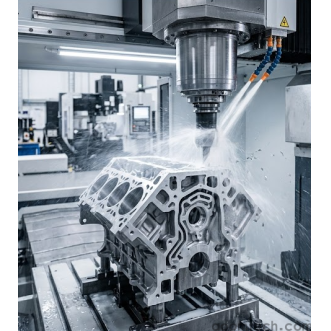
Industries such as automotive manufacturing rely heavily on this process. For example, engine components like pistons and crankshafts are produced in large batches to ensure consistency across thousands or even millions of vehicles. This consistency improves product reliability and reduces production errors.
Planning for Batch Manufacturing CNC Machining
Part Design and Specification
Planning for batch CNC machining of parts begins with detailed design using CAD (Computer-Aided Design) software. Engineers create 3D models that define exact dimensions, tolerances, and surface finishes.
Good design ensures manufacturability and repeatability. For example, in electronics, connectors must meet tight tolerances to guarantee proper electrical performance and assembly fit. Poor design can lead to production delays and higher costs.
Material Selection
Material selection depends on the part’s function, environment, and cost requirements. Common materials include aluminum, steel, stainless steel, titanium, and engineering plastics.
For example, aluminum is often used in aerospace and automotive applications because it is lightweight and easy to machine. Steel is preferred for high-strength applications where durability is critical.
Production Quantity and Schedule
Determining production quantity involves analyzing demand, lead time, and production capacity. Proper planning helps avoid overproduction or shortages.
The production schedule must consider machining time, tool changes, maintenance, and quality checks. Efficient scheduling improves workflow and reduces downtime, especially in large batch production runs.
Machining Operations in Batch Manufacturing CNC Machining
Milling Operations
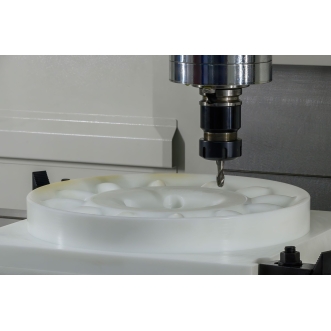
Milling uses rotating cutting tools to remove material and create complex shapes, slots, and flat surfaces. Tool selection is important; carbide end mills are commonly used for harder materials.
Consistent settings such as spindle speed and feed rate ensure uniform quality across all parts in the batch. Stable machining parameters reduce variations in surface finish and dimensional accuracy.
Turning Operations
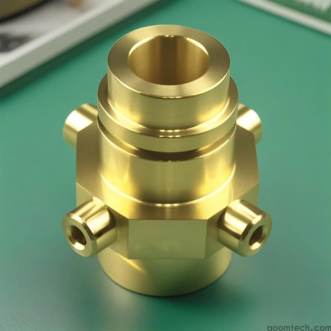
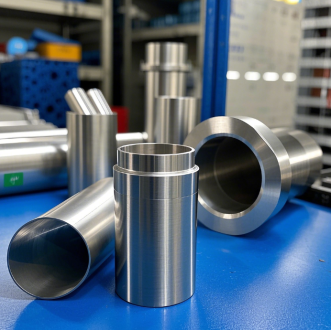
Turning is used for cylindrical parts. The workpiece rotates while a cutting tool shapes its surface. This process is commonly used for shafts, bushings, and threaded components.
Maintaining concentricity is critical in batch production. Proper tool alignment and stable cutting conditions help avoid defects such as vibration, uneven diameters, and poor surface finish.
Drilling and Boring Operations
Drilling creates holes, while boring refines them to precise dimensions. These processes are essential in many mechanical assemblies where alignment and fit are important.
Consistent cutting speed and feed rate ensure that all parts in the batch have accurate and uniform hole sizes, which improves assembly reliability.
Quality Control in Batch Manufacturing CNC Machining
In-process Inspection
Quality control in batch-manufactured CNC parts begins during production. Operators regularly measure dimensions, check tool wear, and inspect surface finish.
Tools such as calipers, micrometers, and surface roughness testers are used. Early detection of errors allows quick corrections, reducing waste and improving efficiency.
Final Inspection
After machining is complete, a sample or all parts are inspected depending on quality requirements. Coordinate Measuring Machines (CMMs) are often used for high-precision measurement.
Inspection ensures all parts meet design specifications. Non-conforming parts are either reworked or rejected. This step ensures reliability, especially in critical industries like aerospace and medical manufacturing.
Cost-Effectiveness in Batch Manufacturing CNC Machining
Economies of Scale
Cost-effectiveness in batch CNC part manufacturing improves as production volume increases. Fixed costs such as programming, setup, and tooling are spread across many parts, reducing the cost per unit.
Bulk purchasing of raw materials can also reduce expenses, making large-scale production more economical.
Optimizing Production Processes
Efficiency can be improved by optimizing toolpaths, reducing machining time, and selecting proper cutting parameters. These improvements help reduce tool wear and energy consumption.
Streamlined quality control processes also save time and reduce inspection costs without sacrificing product quality.
Advantages of Batch Manufacturing CNC Machining for Parts
Consistent Quality
CNC machining ensures every part is made according to the same program, resulting in consistent quality. This is especially important in industries like medical devices, where precision directly affects safety and performance.
Flexibility
CNC machines can be quickly reprogrammed for different designs. This allows manufacturers to switch between product types or update designs without major changes to equipment.
This flexibility helps businesses respond quickly to market demand and customer requirements.
Conclusion: Harnessing the Power of Batch Manufacturing CNC Machining
Batch Manufacturing CNC Machining for Parts is a highly efficient and reliable production method that combines precision, scalability, and flexibility. It supports industries that require large volumes of identical parts with strict quality standards.
Key takeaways include the importance of careful planning, proper material selection, optimized machining operations, and strong quality control systems. By improving these areas, manufacturers can achieve better performance and lower production costs.
To stay competitive, companies should continuously improve processes, invest in skilled workers, and maintain strong supplier relationships. As CNC technology continues to evolve, batch manufacturing will remain a cornerstone of modern industrial production.
RELATED PRODUCTS
-
Medical Brass CNC Machining Parts
-
Precision CNC Machining PEEK Services
-
Precision Custom CNC Machined Car Parts
-
cnc machining optical housings
-
Precision CNC Casting Machining Services
-
Precision Gear CNC Machining Services
-
Precision Stainless Steel Parts CNC Mach
-
CNC Machining of Precision Aluminum Tube
-
CNC Machining of Large Precision Aluminu
-
CNC Machining & Manufacturing of Pre