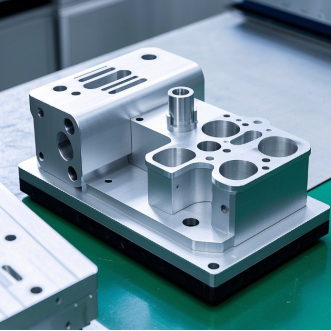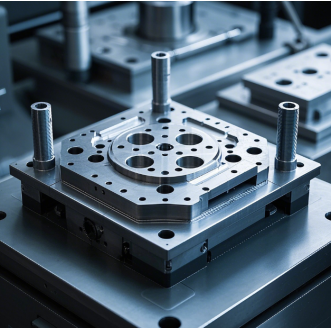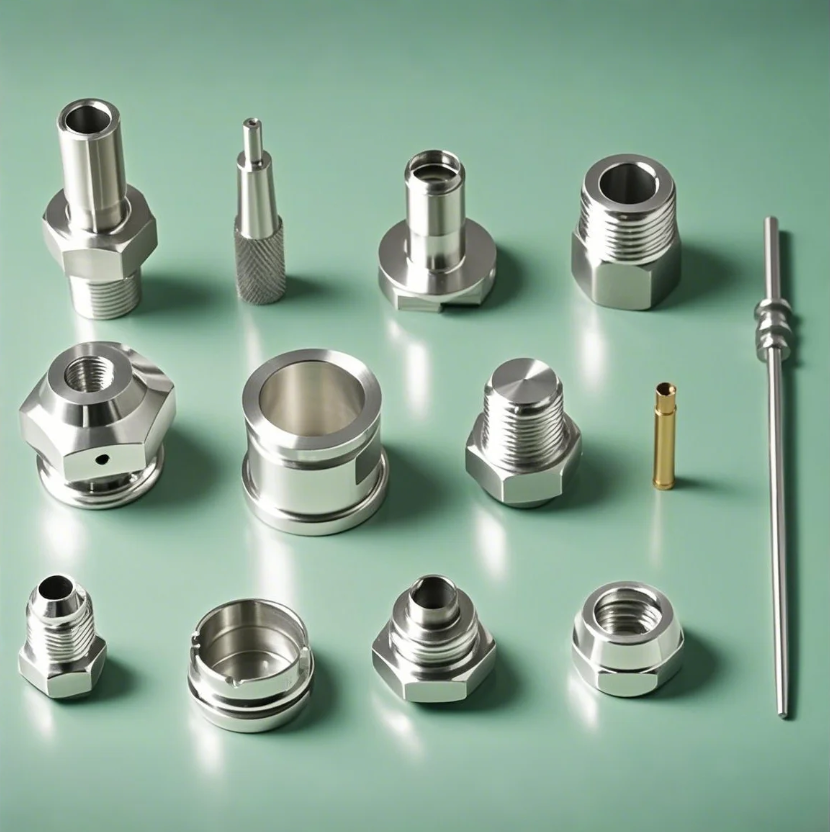
Batch Production CNC Machining Services for Parts
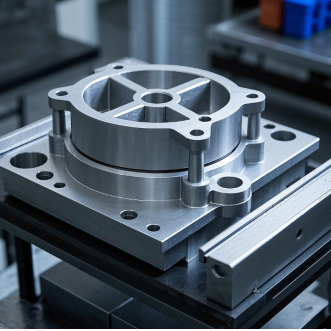
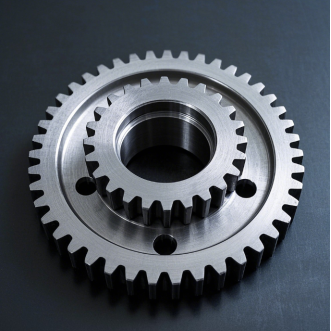
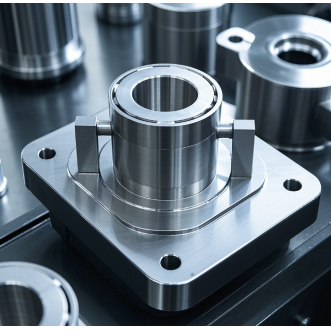
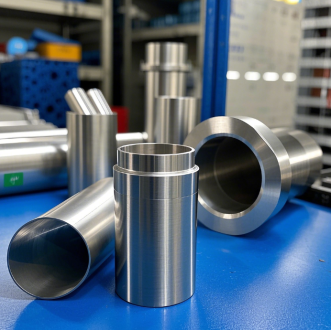
In modern manufacturing, precision, speed, and cost control are essential. Batch Production CNC Machining Services for Parts play a key role in meeting these demands. CNC (Computer Numerical Control) machining allows manufacturers to produce multiple identical parts with high accuracy. When production is done in batches, it becomes even more efficient and cost-effective.
This approach is widely used across industries such as automotive, electronics, medical devices, and consumer goods. It supports stable supply chains and ensures that products are available in the right quantity at the right time.
Introduction to Batch Production CNC Machining Services for Parts
Batch production CNC machining refers to the process of manufacturing a set number of identical parts using CNC machines. Instead of producing a single prototype or continuous mass production, manufacturers produce a defined quantity per run.
This method helps businesses balance flexibility and efficiency. It is especially useful when demand is moderate, or when products require periodic updates or improvements.
By using batch production CNC machining services for parts, companies can achieve consistent output, reduce waste, and improve overall production planning.
Benefits of Batch Production CNC Machining for Parts
Cost Efficiency
One of the biggest advantages is cost reduction. CNC machining requires initial setup, including programming and tooling. In batch production, these setup costs are distributed across many parts. As the batch size increases, the cost per part decreases significantly.
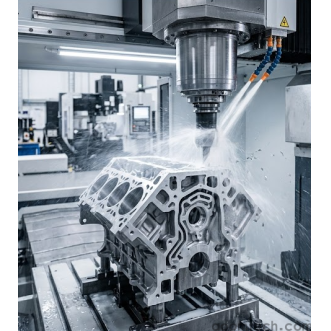
For example, in automotive manufacturing, engine components are often produced in batches. This allows companies to benefit from economies of scale while maintaining high precision standards.
Consistent Quality
CNC machines operate based on programmed instructions, which ensures that every part is produced with the same specifications. This reduces human error and variation.
Industries such as electronics rely heavily on this consistency. Even a small defect in a component can affect the performance of an entire device. Batch CNC machining ensures reliable and repeatable quality.
Flexibility in Quantity
Batch production offers flexibility to adjust production volume. Companies can start with small batches for testing and later scale up based on market demand.
This is particularly useful for startups or product developers who need to validate designs before full-scale production.
Batch Production CNC Machining Process for Parts
Design and Programming
The process begins with CAD (Computer-Aided Design) software, where engineers create a detailed 3D model of the part. This design includes all dimensions, tolerances, and functional requirements.
Next, CAM (Computer-Aided Manufacturing) software converts the design into machine instructions. Programmers optimize toolpaths, cutting speeds, and machining strategies to ensure efficiency in batch production.
Machine Setup and Tooling
Once programming is complete, CNC machines are prepared for production. Fixtures are used to hold workpieces securely and ensure stability during machining.
Tool selection is critical. Durable tools such as carbide cutters are often used in batch production to maintain performance over long runs. Machine settings like spindle speed, feed rate, and cutting depth are adjusted according to material and design requirements.
Machining Operations
Milling
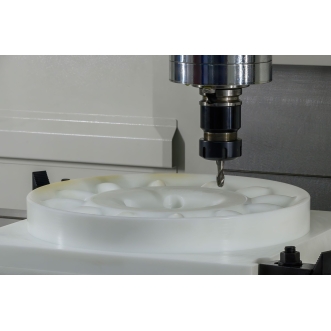
Milling is used to create flat surfaces, holes, slots, and complex shapes. In batch production, tool selection and cutting parameters must be optimized for both speed and surface quality.
Efficient chip removal is important to prevent overheating and maintain machining accuracy across all parts in the batch.
Turning
Turning is used for cylindrical parts. The material rotates while a cutting tool shapes it to the required dimensions.
Maintaining consistent tool wear and stable cutting conditions is essential to ensure uniform diameter and surface finish across all parts.
Drilling
Drilling creates precise holes in components. Proper drill selection and cutting speeds are necessary to avoid tool breakage and ensure accuracy.
In batch production, consistent hole quality is critical, especially for assembly parts where alignment matters.
Factors to Consider in Batch Production CNC Machining for Parts
Batch Size
Batch size directly affects production cost and efficiency. Smaller batches offer flexibility but may increase per-unit cost due to frequent setup changes. Larger batches reduce cost per part but require more storage and planning.
Choosing the right batch size depends on demand, production capacity, and budget.
Material Selection
Different materials behave differently during machining. Metals like aluminum are easier to machine, while stainless steel or titanium require more advanced tooling and slower cutting speeds.
Material choice affects not only cost but also product performance, durability, and application suitability.
Lead Time
Lead time includes design, setup, machining, and inspection. Complex parts or special materials may increase production time.
Proper planning and clear communication with the CNC service provider can help reduce delays and ensure on-time delivery.
Quality Control in Batch Production CNC Machining of Parts
In-Process Inspection
Quality control begins during production. Operators monitor dimensions, surface finish, and tool wear in real time.
Measuring tools such as calipers and micrometers are used to ensure parts stay within tolerance. If deviations occur, machine settings are adjusted immediately.
Final Inspection
After production, samples from the batch are inspected using advanced tools like Coordinate Measuring Machines (CMM).
Inspection ensures that all parts meet design specifications, including dimensional accuracy and surface quality. Non-conforming parts are either reworked or rejected, depending on severity.
This step is essential for maintaining reliability in industries where precision is critical.
Applications of Batch Production CNC Machined Parts
Automotive Industry
Batch CNC machining is widely used in automotive manufacturing. Components such as engine blocks, transmission parts, and suspension systems require high precision and durability.
Consistent quality ensures safety, performance, and long service life of vehicles.
Consumer Goods Industry
Many everyday products rely on CNC-machined components. These include household appliances, electronic devices, and mechanical accessories.
Batch production helps manufacturers maintain consistent design quality while meeting consumer demand efficiently.
Medical Industry
The medical sector requires extremely precise and reliable components. Surgical tools, implants, and diagnostic equipment are often produced using batch CNC machining.
Strict quality control ensures patient safety and compliance with medical standards.
Conclusion: Leveraging Batch Production CNC Machining Services for Parts
Batch Production CNC Machining Services for Parts provide a balanced solution between small-scale prototyping and full-scale mass production. They offer cost efficiency, consistent quality, and production flexibility.
Understanding the benefits of batch production CNC machining for parts, the batch production CNC machining process for parts, and the importance of quality control in batch production CNC machining of parts helps businesses make better manufacturing decisions.
When selecting a CNC machining partner, companies should consider experience, technical capability, and quality standards. Clear communication of design requirements and production goals is also essential for successful outcomes.
By using batch production effectively, manufacturers can improve efficiency, reduce costs, and ensure reliable product quality across many industries.
RELATED PRODUCTS
-
Medical Brass CNC Machining Parts
-
Precision CNC Machining PEEK Services
-
Precision Custom CNC Machined Car Parts
-
cnc machining optical housings
-
Precision CNC Casting Machining Services
-
Precision Gear CNC Machining Services
-
Precision Stainless Steel Parts CNC Mach
-
CNC Machining of Precision Aluminum Tube
-
CNC Machining of Large Precision Aluminu
-
CNC Machining & Manufacturing of Pre