Brass Precision CNC Machining for Mass partion
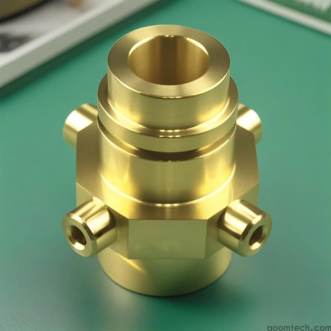
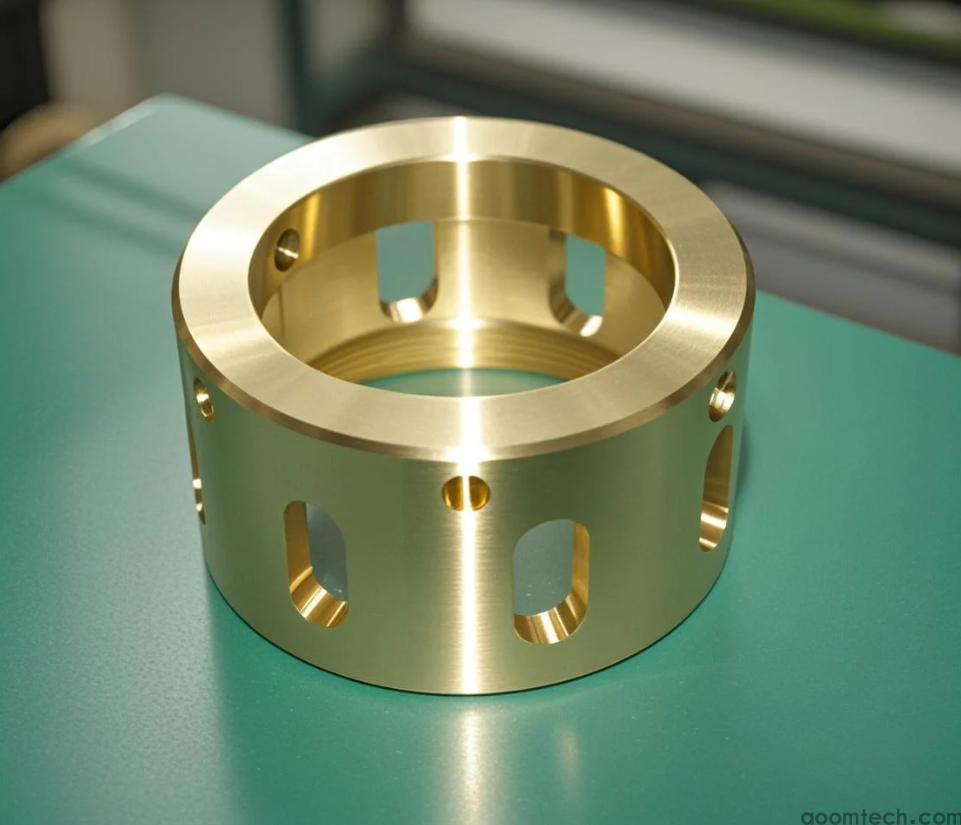
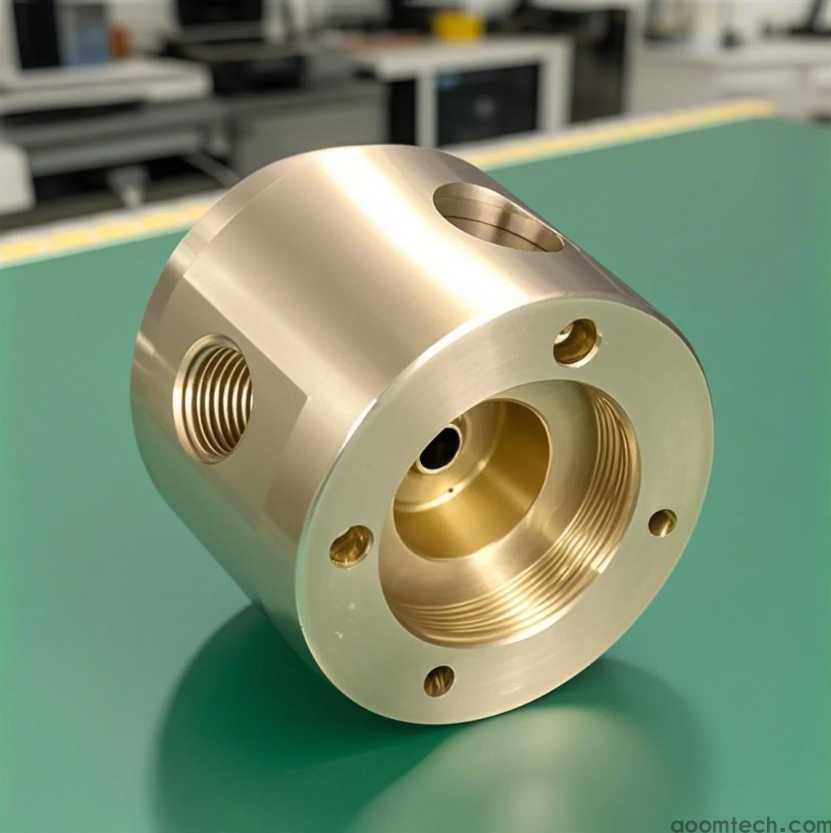
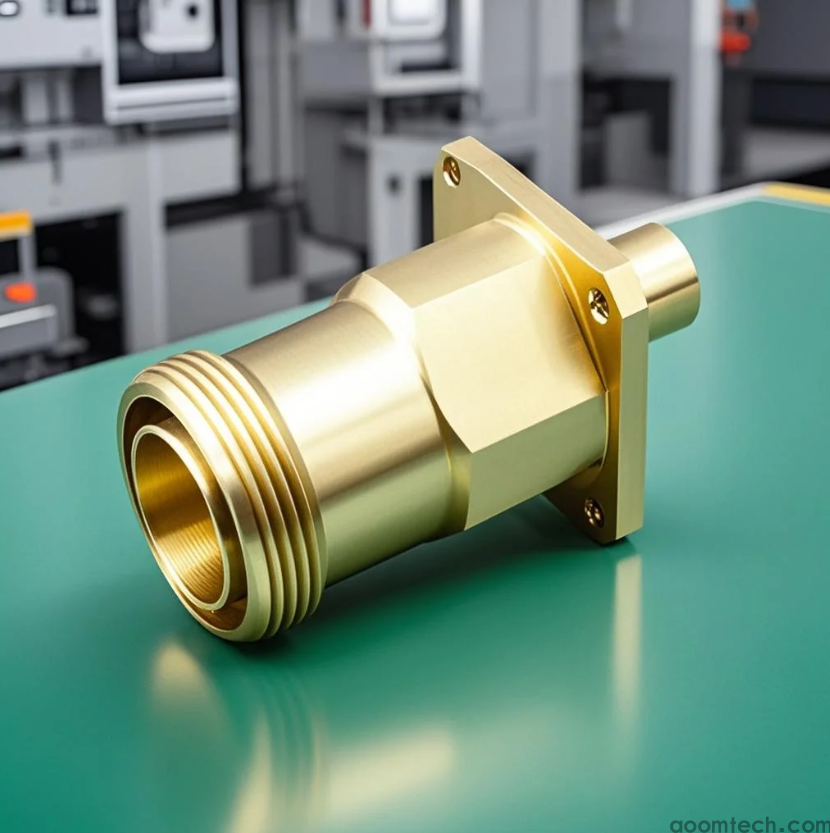
Brass Precision CNC Machining for Mass Production is a modern manufacturing method used to produce large quantities of high-accuracy brass parts with computer-controlled machines. It is widely used in industries such as plumbing, electronics, automotive, and musical instruments, where consistent quality and precise dimensions are very important.
Introduction to Brass Precision CNC Machining for Mass Production
The Significance of Brass in Mass-Produced Precision Parts
Brass is a widely used copper-zinc alloy in mass production because it offers a balanced combination of strength, corrosion resistance, and excellent machinability. These properties make it suitable for producing precise components in large volumes.
In plumbing systems, brass is commonly used for faucets, valves, and fittings because it resists rust and water corrosion. In electronics, brass electrical connectors ensure stable and reliable conductivity. In musical instruments, brass valves and fittings help produce accurate sound control and smooth operation.
These applications show how brass parts directly affect product performance, safety, and durability across different industries.
Importance of CNC Machining in Brass Mass Production
High-precision output is one of the main advantages of CNC machining. With computer-controlled programming, machines can produce brass parts with extremely tight tolerances. This level of precision ensures that each part fits perfectly into complex assemblies.
For example, in plumbing systems, even a small dimensional error in a brass fitting can cause leaks. In electronics, poor precision may lead to weak electrical connections. In musical instruments, inaccurate parts can affect sound quality and tuning stability.
Consistent quality is another key benefit. Once the CNC program is set, the machine can repeat the same process thousands of times with minimal variation. This ensures that every brass part meets the same standard, improving product reliability and reducing waste.
Cost-effectiveness in volume is also important. While CNC machines require initial setup and programming costs, the per-unit cost becomes lower as production volume increases. Reduced manual labor, optimized tool paths, and faster production cycles all contribute to lower overall costs in mass production.
CNC Machining Processes for Mass-Produced Brass Parts
Milling
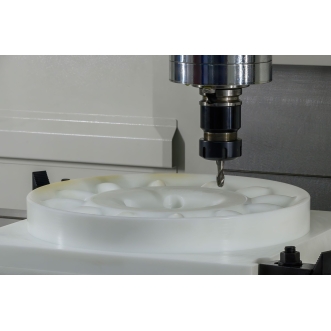
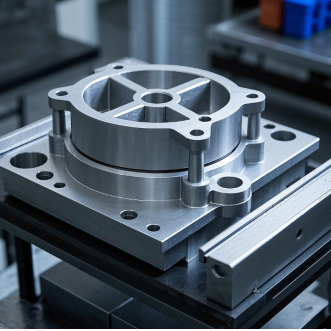
Milling is a key process in CNC milling for mass-produced brass parts. In this process, a rotating cutting tool removes material from a brass workpiece to create flat surfaces, slots, holes, and complex 3D shapes.
Carbide or high-speed steel tools are commonly used because they provide durability and precision. Brass is relatively easy to machine, so high spindle speeds and suitable feed rates are often applied to achieve smooth surface finishes.
Proper tool selection is important to avoid burr formation and ensure accuracy. Milling is widely used in producing brass plumbing components, housings, and mechanical parts.
Turning
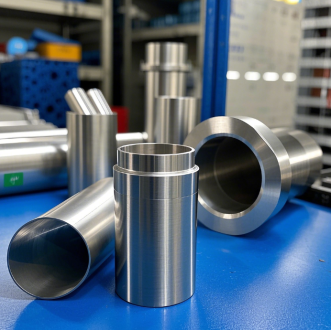
Turning is used to create cylindrical brass components such as rods, tubes, and precision shafts. In this process, the workpiece rotates while a cutting tool shapes the outer or inner surface.
Maintaining concentricity is critical, especially for parts used in mechanical assemblies. Sharp cutting tools and stable machining conditions help achieve smooth surface finishes and accurate dimensions.
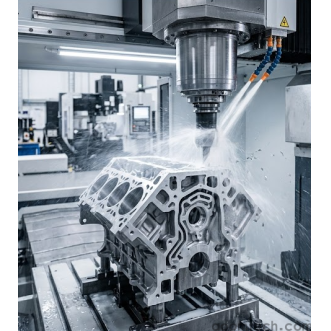
Coolant is often used to control heat and improve tool life during high-speed turning operations. This is especially important in mass production environments where continuous machining is required.
Drilling
Drilling is used to create precise holes in brass parts for assembly, wiring, or fluid flow. Twist drills with suitable point angles are commonly used for brass materials.
Because brass can produce long chips, proper chip removal and cooling are important to avoid tool damage. Accurate hole positioning is essential, especially in products like electrical connectors or musical instrument components.
Brass Alloys and Their Machining Characteristics
Common Brass Alloys
Different brass alloys for precision CNC machining are used depending on the application:
Yellow brass (CuZn33): Good machinability and widely used in general components.
Red brass (high copper content): Better corrosion resistance, commonly used in plumbing and marine parts.
The composition of brass affects cutting speed, tool wear, and surface finish. Yellow brass is easier to machine, while red brass may require more controlled cutting conditions.
Challenges in Brass Precision CNC Machining for Mass Production
Tool Wear and Breakage
Even though brass is softer than many metals, high-speed machining in mass production can still cause tool wear. Small precision tools are especially at risk of breakage.
To reduce these issues, manufacturers use high-quality cutting tools, monitor tool conditions regularly, and replace tools before failure occurs. Optimized tool paths also help reduce stress on cutting edges.
Heat Generation
Heat is generated during continuous machining and can affect both tool life and dimensional accuracy. Excess heat may cause thermal expansion in the workpiece, leading to errors.
Using effective coolant systems, adjusting cutting speeds, and selecting proper feed rates help control heat during production. This is important for maintaining stable quality in large-scale manufacturing.
Surface Finish and Burring
Brass has a tendency to form burrs during machining, which can affect both appearance and function. Poor surface finish can also reduce product performance in sealing or electrical applications.
Sharp tools, correct machining parameters, and post-processing deburring are commonly used solutions. For example, brass electrical connectors often require additional finishing to ensure smooth contact surfaces.
Choosing a CNC Machining Service for Brass Mass Production
Technical Expertise
When selecting a provider for choosing a service for brass precision CNC machining mass production, technical expertise is essential. A reliable manufacturer should understand different brass materials, machining processes, and production requirements.
Checking past projects, reviewing sample parts, and evaluating engineering capability can help assess their experience. Providers with industry-specific experience (such as plumbing or electronics) are often more reliable.
Quality Assurance
A strong quality control system is necessary for mass production. Reliable manufacturers use precision tools such as calipers, micrometers, and coordinate measuring systems to ensure accuracy.
Quality inspections should be performed during production and after completion. This helps detect defects early and ensures consistent output across all batches.
Cost-Effectiveness and Lead Times
Cost and delivery time are important factors in mass production. While low price is attractive, it should not compromise quality or consistency.
Comparing multiple suppliers helps identify fair pricing. It is also important to evaluate delivery performance and production capacity to ensure stable supply for large orders.

Conclusion
Brass Precision CNC Machining for Mass Production plays a key role in modern manufacturing. It enables industries to produce high-quality, precise, and consistent brass components at scale.
By understanding machining processes, material properties, and production challenges, businesses can make better decisions when selecting manufacturing partners. With the right CNC machining service, companies can achieve improved performance, reduced costs, and reliable long-term production stability.
RELATED PRODUCTS
-
Medical Brass CNC Machining Parts
-
Precision CNC Machining PEEK Services
-
Precision Custom CNC Machined Car Parts
-
cnc machining optical housings
-
Precision CNC Casting Machining Services
-
Precision Gear CNC Machining Services
-
Precision Stainless Steel Parts CNC Mach
-
CNC Machining of Precision Aluminum Tube
-
CNC Machining of Large Precision Aluminu
-
CNC Machining & Manufacturing of Pre