CNC Aluminum Parts Manufacturing Factory
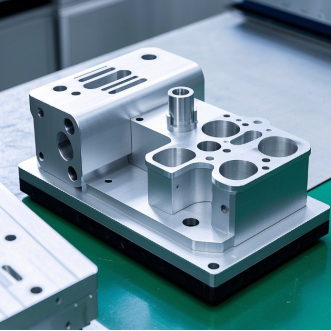
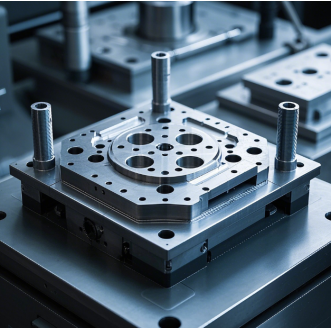
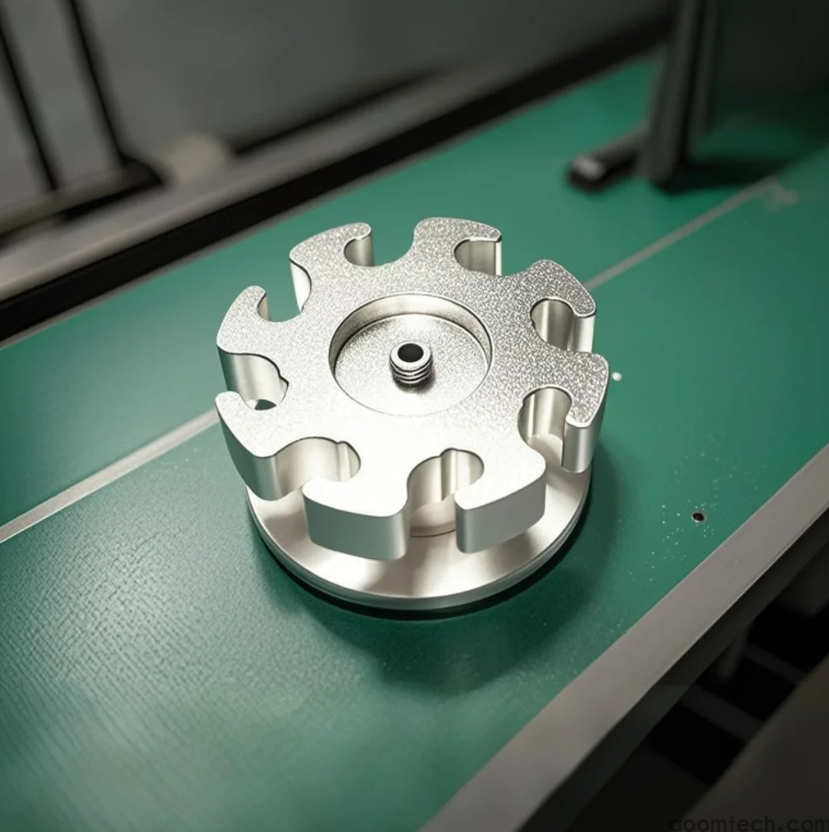
A CNC Aluminum Parts Manufacturing Factory plays a key role in modern industry by producing high-precision aluminum components used in aerospace, automotive, electronics, medical devices, and consumer products. These factories use computer-controlled machines to shape aluminum into complex and accurate parts that meet strict engineering requirements.
This article explains what a CNC aluminum parts manufacturing factory is, why it is important, how it works, and how to choose the right supplier for your project.
Introduction to CNC Aluminum Parts Manufacturing Factory
The Significance of CNC Aluminum Parts
CNC aluminum parts are widely used because aluminum is lightweight, corrosion-resistant, and has excellent thermal conductivity. These properties make it ideal for high-performance industries.
Examples of CNC aluminum parts include aircraft wing components, automotive engine brackets, smartphone casings, and household appliance housings. In aerospace, aluminum parts help reduce aircraft weight and improve fuel efficiency. In electronics, they provide strong and heat-resistant enclosures. In automotive systems, they support structural strength while reducing overall vehicle weight.
Without precision manufacturing, these parts would not fit properly or perform reliably in demanding environments.
Importance of a CNC Aluminum Parts Manufacturing Factory
Precision Manufacturing
A CNC Aluminum Parts Manufacturing Factory ensures extremely high precision using computer numerical control systems. Machines follow digital instructions to produce parts with tight tolerances, often within microns.
This precision is critical because even small errors can lead to system failure. For example, in aerospace applications, inaccurate wing components can affect aerodynamics and compromise flight safety. In industrial machinery, poorly fitted parts can reduce efficiency and increase wear.
High precision ensures smooth assembly, stable performance, and long-term reliability.
Customization Capabilities
One of the key advantages of a CNC aluminum parts manufacturing factory is the ability to produce fully customized components. Customers can provide drawings or 3D models, and the factory can manufacture parts exactly to specification.
Customized parts are common in medical devices, where internal structures must be highly specialized, or in industrial machines that require unique geometries. Custom production improves product performance, functionality, and integration into complex systems.
High-Volume Production Efficiency
Once programming is completed, CNC machines can repeatedly produce identical parts with high speed and consistency. This makes factories highly efficient for large-scale production.
Automation features such as tool changers, optimized toolpaths, and reduced setup time help improve productivity. Industries like automotive and consumer electronics rely heavily on this capability to meet mass production demands without sacrificing quality.
Manufacturing Processes in a CNC Aluminum Parts Factory
CNC Milling
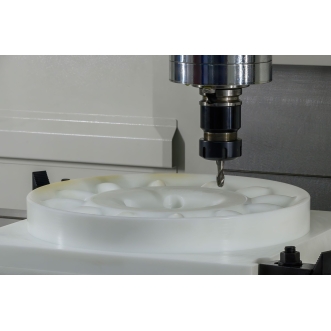
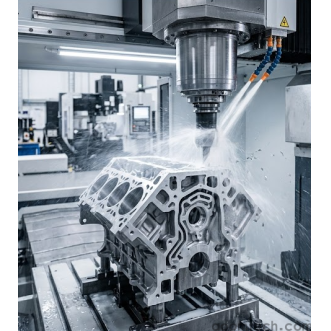
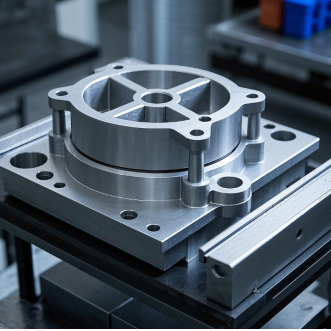
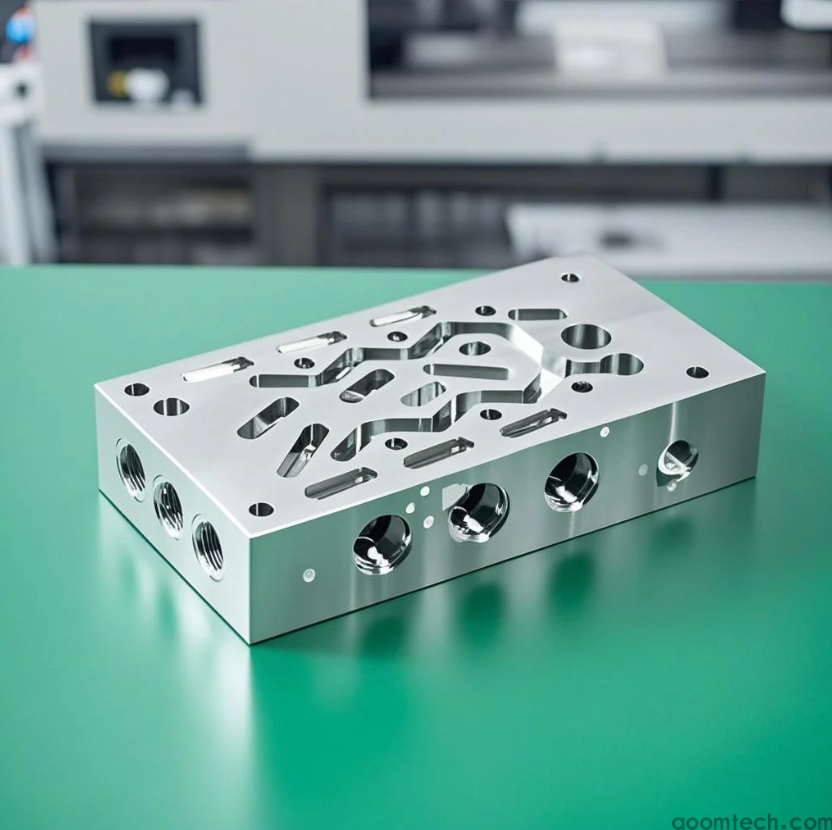
CNC milling in aluminum parts manufacturing factory is one of the most common processes. It uses rotating cutting tools to remove material from an aluminum block, creating flat surfaces, grooves, holes, and complex 3D shapes.
Carbide tools are often used because they resist wear and maintain sharpness. Aluminum machining typically requires high spindle speeds and optimized feed rates to achieve smooth surface finishes.
Proper tool selection and cutting parameters are essential to avoid chip buildup and ensure accuracy.
CNC Turning
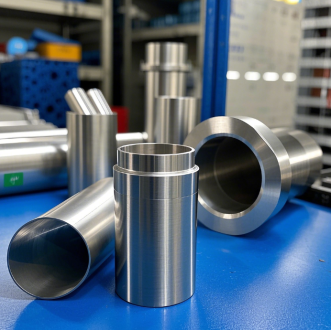
Turning is used to produce cylindrical parts such as shafts, rods, and circular housings. In this process, the workpiece rotates while a cutting tool shapes its outer or inner diameter.
Maintaining concentricity and surface smoothness is critical. The correct tool inserts and stable cutting speeds help prevent vibration and ensure high-quality results.
Drilling
Drilling creates precise holes for assembly, fastening, or wiring. High-helix drills are commonly used for aluminum because they improve chip removal and reduce heat buildup.
Accurate hole positioning is essential, especially for parts used in mechanical assemblies or electronic housings. Poor drilling accuracy can cause assembly failure or misalignment.
Quality Control in CNC Aluminum Parts Manufacturing Factory
In-Process Inspections
Quality control in CNC aluminum parts factory begins during production. Operators regularly check dimensions using calipers, micrometers, and optical measurement tools.
Monitoring tool wear and surface finish ensures that any deviation is detected early. This reduces waste and prevents defective batches.
Final Inspections
After production, parts undergo a full inspection process. Coordinate Measuring Machines (CMM) are often used to verify precise dimensions and geometric accuracy.
Final inspections ensure that all parts meet customer specifications. Non-conforming parts are either reworked or rejected based on quality standards.
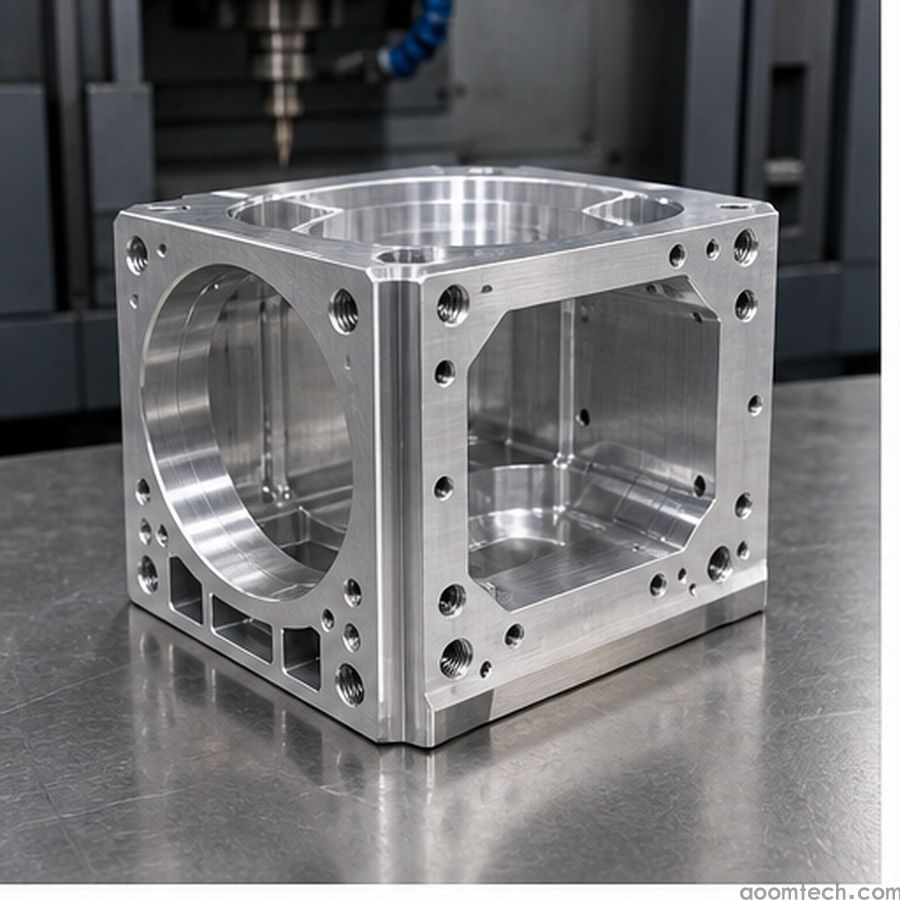
Advantages of Choosing a CNC Aluminum Parts Manufacturing Factory
Cost-Effectiveness
Large-scale production helps reduce unit costs through economies of scale. Efficient machining processes and optimized material usage also lower production expenses.
Industries such as automotive and electronics benefit significantly from this cost efficiency while maintaining high quality standards.
Technical Expertise
Experienced engineers and technicians are a major advantage of professional CNC factories. They understand material behavior, machining strategies, and design optimization.
Their expertise helps improve part performance, reduce production risks, and solve complex manufacturing challenges.
Challenges Faced by CNC Aluminum Parts Manufacturing Factories
Tool Wear and Replacement
Continuous machining leads to tool wear, especially when producing large quantities. Worn tools can reduce accuracy and surface quality.
Factories manage this by using high-quality cutting tools, monitoring tool conditions, and scheduling regular replacements. Proper inventory management ensures uninterrupted production.
Meeting Tight Deadlines
Customers often require fast delivery schedules. Managing production time, machine availability, and material supply becomes a major challenge.
Factories use production planning software and backup systems to avoid delays. Strong supplier communication also helps ensure timely delivery.
How to Choose a CNC Aluminum Parts Manufacturing Factory
Reputation and Experience
When selecting a supplier, experience matters. A factory with a strong track record is more likely to deliver reliable results.
Checking customer reviews, certifications, and case studies helps evaluate reputation. Industry experience also ensures better understanding of specific requirements.
Quality Assurance System
A strong quality system is essential for consistent results. Look for factories that follow international standards and maintain strict inspection processes.
Regular calibration of measuring tools and documented quality procedures are signs of a professional operation.
Cost and Lead Time
Cost should be balanced with quality and reliability. The cheapest option is not always the best choice if it compromises performance.
When choosing a CNC aluminum parts manufacturing factory, it is recommended to compare multiple suppliers, evaluate their delivery records, and assess their ability to meet deadlines.
Conclusion
A CNC Aluminum Parts Manufacturing Factory is essential for producing high-precision, reliable, and customized aluminum components used across modern industries. From CNC milling and turning to drilling and final inspection, every step is designed to ensure accuracy and consistency.
By understanding the manufacturing process, quality control methods, and key selection factors, businesses can make better decisions when sourcing aluminum parts. Choosing the right factory not only improves product quality but also enhances efficiency, safety, and long-term performance.
RELATED PRODUCTS
-
Medical Brass CNC Machining Parts
-
Precision CNC Machining PEEK Services
-
Precision Custom CNC Machined Car Parts
-
cnc machining optical housings
-
Precision CNC Casting Machining Services
-
Precision Gear CNC Machining Services
-
Precision Stainless Steel Parts CNC Mach
-
CNC Machining of Precision Aluminum Tube
-
CNC Machining of Large Precision Aluminu
-
CNC Machining & Manufacturing of Pre