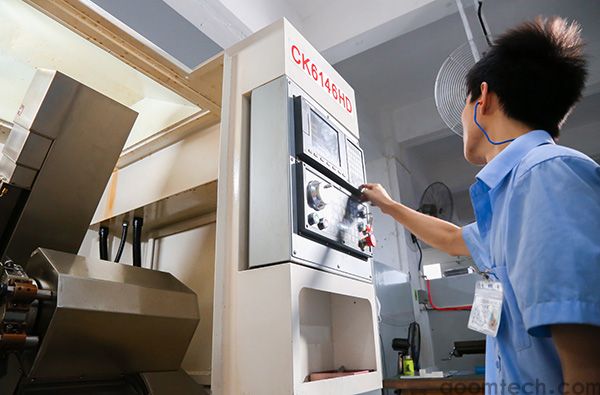
CNC Contract Manufacturing Services
Introduction to CNC Contract Manufacturing Services
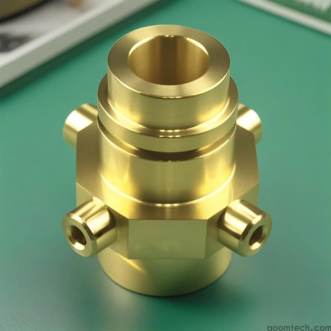
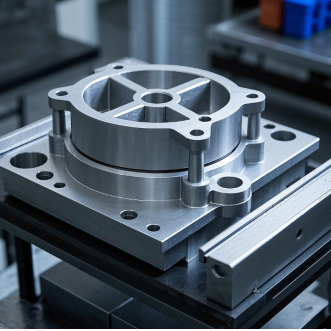
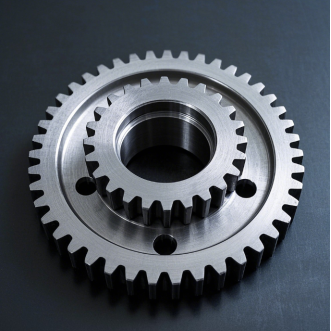
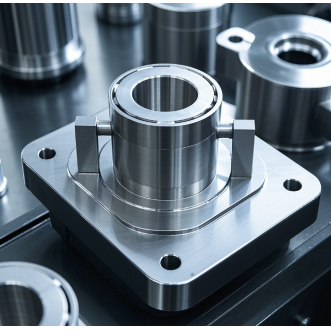
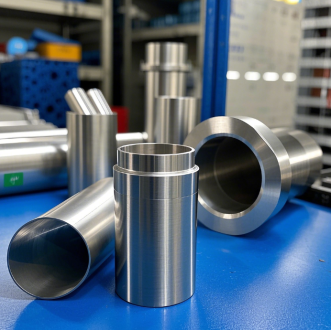
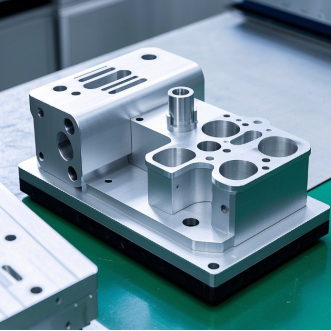
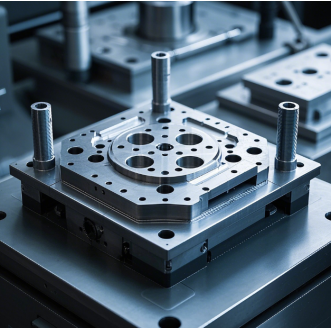
CNC Contract Manufacturing Services are professional outsourcing solutions where companies hire specialized manufacturers to produce parts or products using CNC (Computer Numerical Control) machining technology. Instead of investing in expensive machines, tools, and skilled operators, businesses can rely on experienced CNC suppliers to complete production with high precision and efficiency.
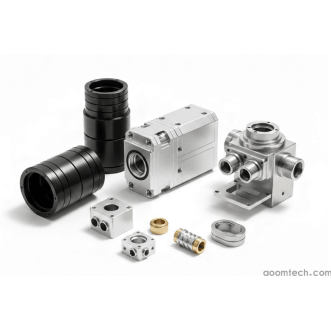
The significance of CNC contract manufacturing services lies in their strong role in modern industry. Many sectors such as automotive, aerospace, electronics, and medical equipment depend on precision-machined components. By outsourcing production, companies can focus on design, innovation, and marketing while experts handle manufacturing with advanced CNC systems.
Benefits of CNC Contract Manufacturing Services
Cost-effectiveness
One of the main benefits of CNC contract manufacturing services is cost reduction. Contract manufacturers operate large-scale facilities and spread production costs across many clients. This leads to lower unit prices.
No need to purchase expensive CNC machines
No investment in operator training and maintenance
Reduced factory overhead and utility costs
Lower material costs through bulk purchasing
These advantages make CNC outsourcing a practical choice for startups and large companies alike.
Access to Expertise and Advanced Equipment
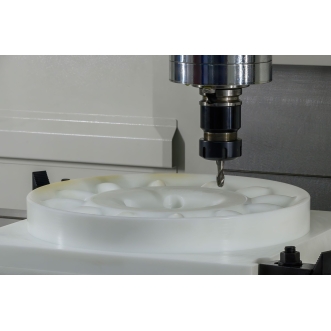
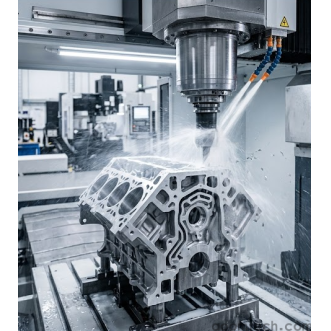
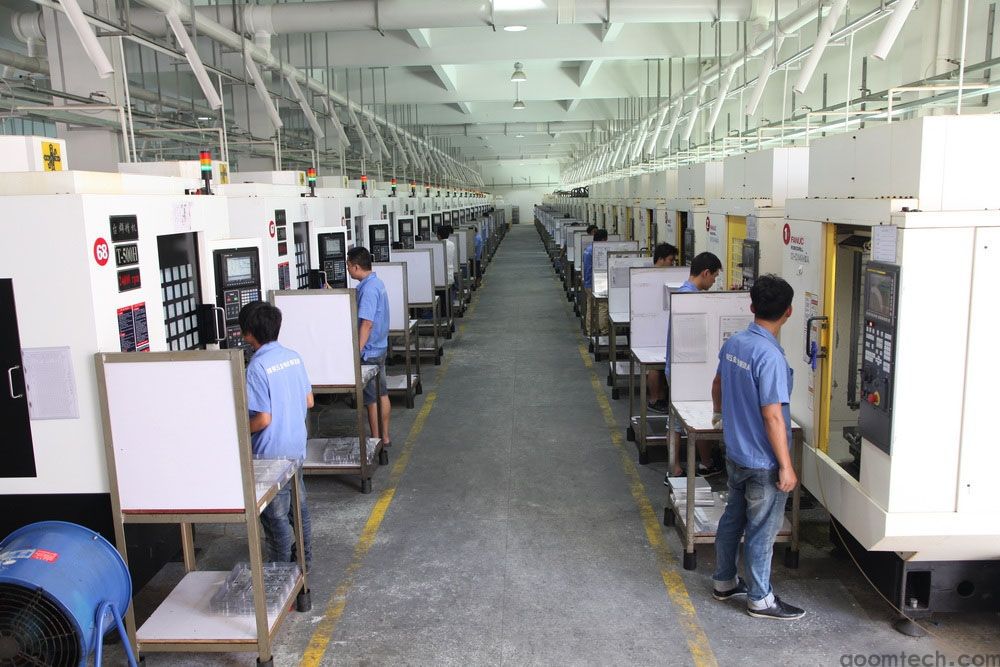
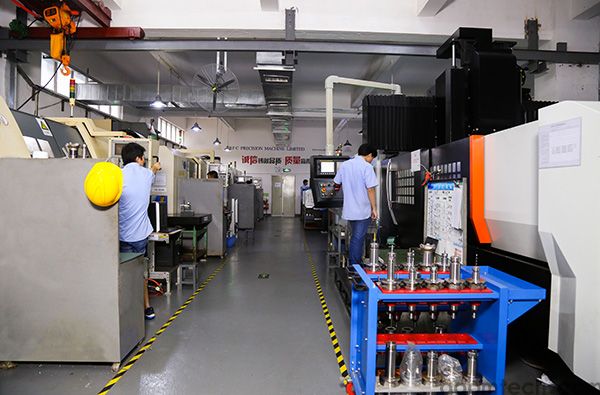
CNC contract manufacturers employ skilled engineers and machinists with deep knowledge of materials, tooling, and machining processes. They also use advanced equipment such as multi-axis CNC machines, high-speed milling systems, and precision lathes.
This access ensures higher accuracy, better surface finish, and consistent product quality. Companies benefit from professional engineering support without building an in-house technical team.
Flexibility and Scalability
CNC outsourcing offers strong production flexibility. Businesses can adjust order quantities based on market demand without worrying about production capacity limits.
Increase production during peak demand periods
Reduce orders during slow seasons
Quickly adapt to design updates or product changes
This scalability is especially useful for industries with changing demand cycles.
The Process of CNC Contract Manufacturing
Project Inquiry and Quotation
The process of CNC contract manufacturing begins with a customer inquiry. The client provides drawings, specifications, material requirements, and quantity details. The manufacturer then analyzes the request and prepares a detailed quotation covering machining costs, materials, labor, and delivery.
Design and Engineering Review
After quotation approval, engineers review the design to ensure manufacturability. They may suggest improvements to reduce cost, improve strength, or simplify machining. This step helps avoid production issues and ensures efficient manufacturing.
Production Planning and Scheduling
The manufacturer creates a detailed production plan. This includes selecting machines, defining tool paths, estimating machining time, and organizing workflow. Proper scheduling ensures on-time delivery and efficient resource use.
CNC Machining and Quality Control
Once production starts, CNC machines manufacture the parts according to specifications. During production, quality control checks are performed regularly.
Dimensional inspection using calipers and micrometers
Surface finish checks
Tool wear monitoring
Final inspection using CMM (Coordinate Measuring Machine)
This ensures every part meets required standards and tolerances.
Delivery and After-sales Support
Finished parts are carefully packaged and delivered to the customer. Many providers also offer after-sales support, including technical assistance, rework services, and design optimization suggestions.
Key Considerations in CNC Contract Manufacturing
Quality Assurance
A reliable manufacturer should have a strong quality management system. Certifications such as ISO standards show commitment to consistent quality. Customers should review inspection processes and quality documentation before choosing a supplier.
Intellectual Property Protection
When outsourcing production, companies often share sensitive designs. A trustworthy manufacturer should protect intellectual property through NDAs (Non-Disclosure Agreements) and secure data handling systems.
Cost and Pricing Transparency
Clear pricing is essential for building trust. A good supplier provides a detailed cost breakdown, including materials, machining, finishing, and additional services. This helps customers understand what they are paying for and avoid hidden costs.
How to Choose a CNC Contract Manufacturing Service Provider
Industry Experience and Reputation
When choosing a CNC contract manufacturing service provider, experience matters. Companies with long-term industry experience are more likely to understand technical challenges and deliver reliable results. Customer reviews and past project examples are useful indicators of reputation.
Range of Services and Capabilities
A strong manufacturer should offer a wide range of services, including CNC milling, turning, surface treatment, and assembly. The ability to work with materials such as aluminum, steel, titanium, and plastics is also important.
Communication and Customer Service
Good communication ensures smooth project execution. A professional supplier provides regular updates, responds quickly to questions, and works closely with clients to solve problems. Strong customer service reduces misunderstandings and improves production efficiency.
Conclusion
CNC Contract Manufacturing Services provide a practical and efficient solution for companies that need high-quality machined parts without building in-house production facilities. By understanding the process of CNC contract manufacturing, its benefits, and key selection factors, businesses can make better decisions and improve overall productivity.
Whether for small batches or large-scale production, choosing the right partner ensures cost savings, consistent quality, and long-term manufacturing success.
CNC Contract Manufacturing Services
Introduction to CNC Contract Manufacturing Services
CNC Contract Manufacturing Services are professional outsourcing solutions where companies hire specialized manufacturers to produce parts or products using CNC (Computer Numerical Control) machining technology. Instead of investing in expensive machines, tools, and skilled operators, businesses can rely on experienced CNC suppliers to complete production with high precision and efficiency.
The significance of CNC contract manufacturing services lies in their strong role in modern industry. Many sectors such as automotive, aerospace, electronics, and medical equipment depend on precision-machined components. By outsourcing production, companies can focus on design, innovation, and marketing while experts handle manufacturing with advanced CNC systems.
Benefits of CNC Contract Manufacturing Services
Cost-effectiveness
One of the main benefits of CNC contract manufacturing services is cost reduction. Contract manufacturers operate large-scale facilities and spread production costs across many clients. This leads to lower unit prices.
No need to purchase expensive CNC machines
No investment in operator training and maintenance
Reduced factory overhead and utility costs
Lower material costs through bulk purchasing
These advantages make CNC outsourcing a practical choice for startups and large companies alike.
Access to Expertise and Advanced Equipment
CNC contract manufacturers employ skilled engineers and machinists with deep knowledge of materials, tooling, and machining processes. They also use advanced equipment such as multi-axis CNC machines, high-speed milling systems, and precision lathes.
This access ensures higher accuracy, better surface finish, and consistent product quality. Companies benefit from professional engineering support without building an in-house technical team.
Flexibility and Scalability
CNC outsourcing offers strong production flexibility. Businesses can adjust order quantities based on market demand without worrying about production capacity limits.
Increase production during peak demand periods
Reduce orders during slow seasons
Quickly adapt to design updates or product changes
This scalability is especially useful for industries with changing demand cycles.
The Process of CNC Contract Manufacturing
Project Inquiry and Quotation
The process of CNC contract manufacturing begins with a customer inquiry. The client provides drawings, specifications, material requirements, and quantity details. The manufacturer then analyzes the request and prepares a detailed quotation covering machining costs, materials, labor, and delivery.
Design and Engineering Review
After quotation approval, engineers review the design to ensure manufacturability. They may suggest improvements to reduce cost, improve strength, or simplify machining. This step helps avoid production issues and ensures efficient manufacturing.
Production Planning and Scheduling
The manufacturer creates a detailed production plan. This includes selecting machines, defining tool paths, estimating machining time, and organizing workflow. Proper scheduling ensures on-time delivery and efficient resource use.
CNC Machining and Quality Control
Once production starts, CNC machines manufacture the parts according to specifications. During production, quality control checks are performed regularly.
Dimensional inspection using calipers and micrometers
Surface finish checks
Tool wear monitoring
Final inspection using CMM (Coordinate Measuring Machine)
This ensures every part meets required standards and tolerances.
Delivery and After-sales Support
Finished parts are carefully packaged and delivered to the customer. Many providers also offer after-sales support, including technical assistance, rework services, and design optimization suggestions.
Key Considerations in CNC Contract Manufacturing
Quality Assurance
A reliable manufacturer should have a strong quality management system. Certifications such as ISO standards show commitment to consistent quality. Customers should review inspection processes and quality documentation before choosing a supplier.
Intellectual Property Protection
When outsourcing production, companies often share sensitive designs. A trustworthy manufacturer should protect intellectual property through NDAs (Non-Disclosure Agreements) and secure data handling systems.
Cost and Pricing Transparency
Clear pricing is essential for building trust. A good supplier provides a detailed cost breakdown, including materials, machining, finishing, and additional services. This helps customers understand what they are paying for and avoid hidden costs.
How to Choose a CNC Contract Manufacturing Service Provider
Industry Experience and Reputation
When choosing a CNC contract manufacturing service provider, experience matters. Companies with long-term industry experience are more likely to understand technical challenges and deliver reliable results. Customer reviews and past project examples are useful indicators of reputation.
Range of Services and Capabilities
A strong manufacturer should offer a wide range of services, including CNC milling, turning, surface treatment, and assembly. The ability to work with materials such as aluminum, steel, titanium, and plastics is also important.
Communication and Customer Service
Good communication ensures smooth project execution. A professional supplier provides regular updates, responds quickly to questions, and works closely with clients to solve problems. Strong customer service reduces misunderstandings and improves production efficiency.
Conclusion
CNC Contract Manufacturing Services provide a practical and efficient solution for companies that need high-quality machined parts without building in-house production facilities. By understanding the process of CNC contract manufacturing, its benefits, and key selection factors, businesses can make better decisions and improve overall productivity.
Whether for small batches or large-scale production, choosing the right partner ensures cost savings, consistent quality, and long-term manufacturing success.
RELATED PRODUCTS
-
Medical Brass CNC Machining Parts
-
Precision CNC Machining PEEK Services
-
Precision Custom CNC Machined Car Parts
-
cnc machining optical housings
-
Precision CNC Casting Machining Services
-
Precision Gear CNC Machining Services
-
Precision Stainless Steel Parts CNC Mach
-
CNC Machining of Precision Aluminum Tube
-
CNC Machining of Large Precision Aluminu
-
CNC Machining & Manufacturing of Pre