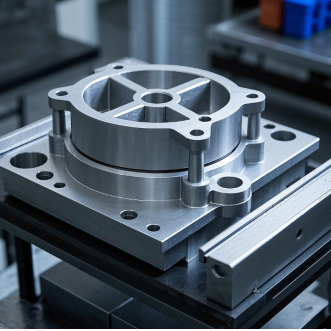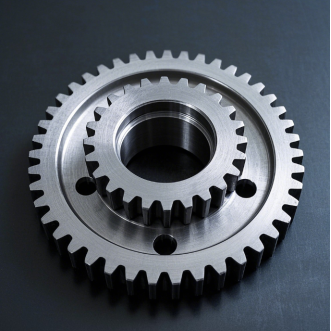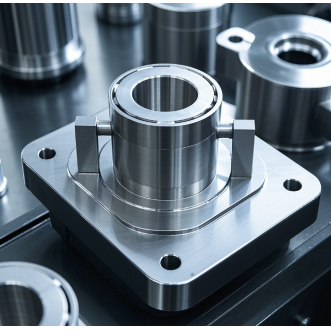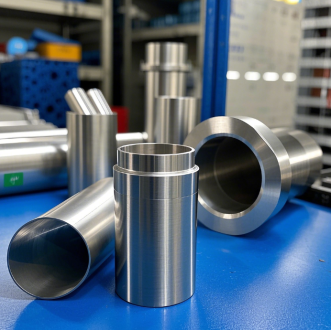
CNC Copper Machining Services
Introduction to CNC Copper Machining Services
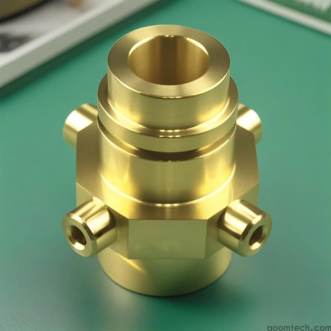
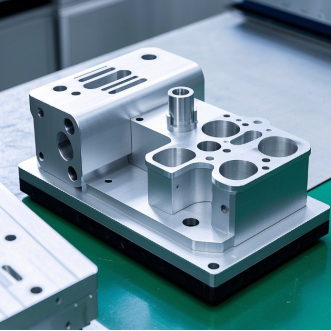
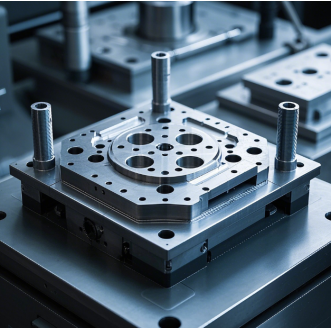
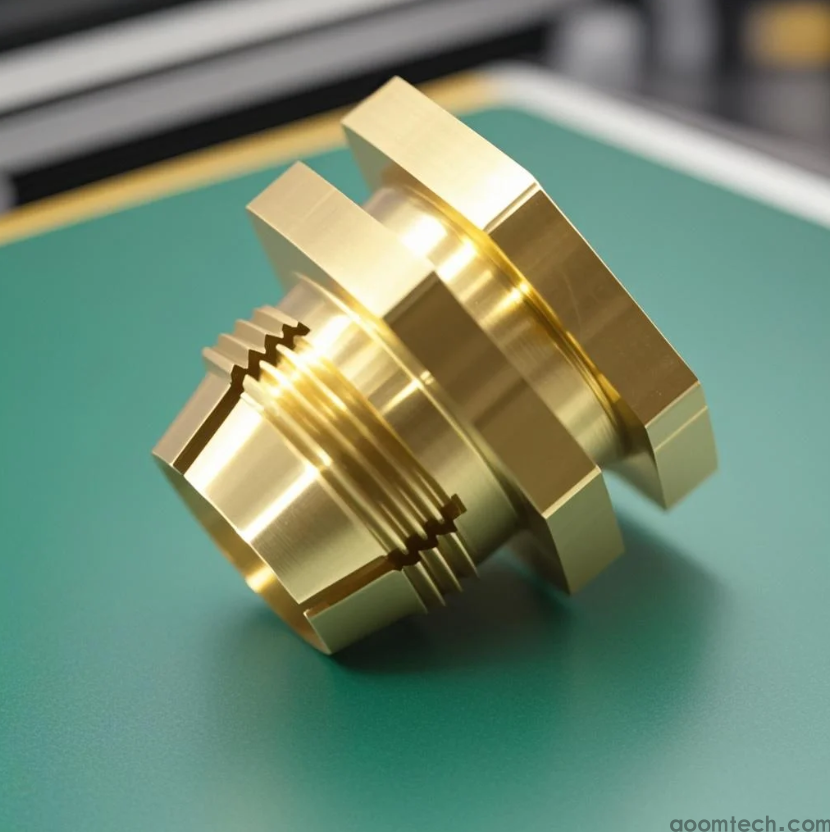
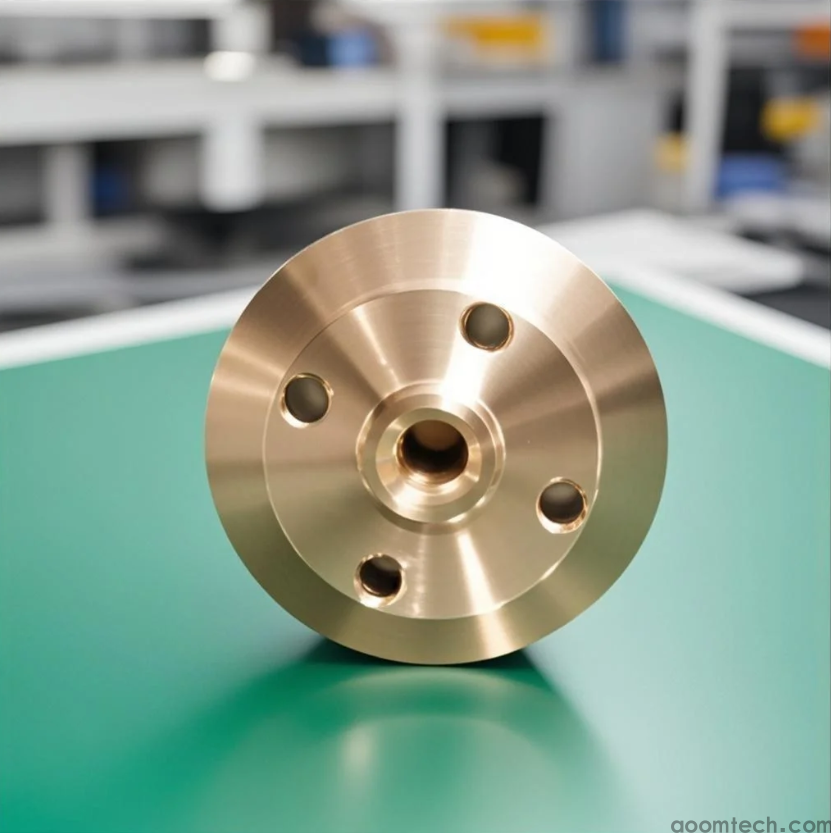
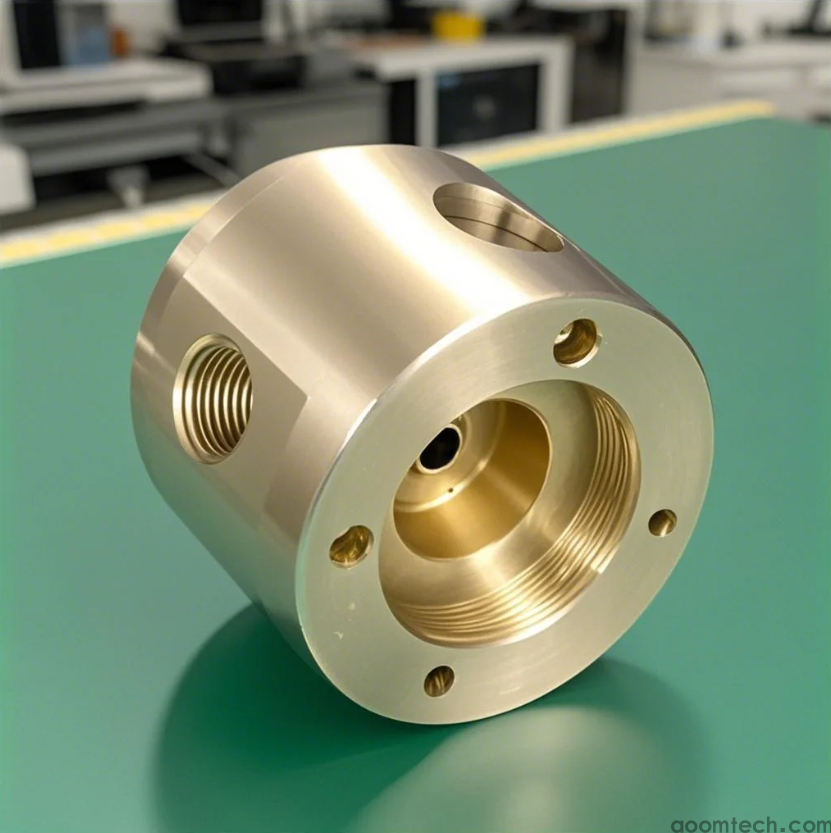
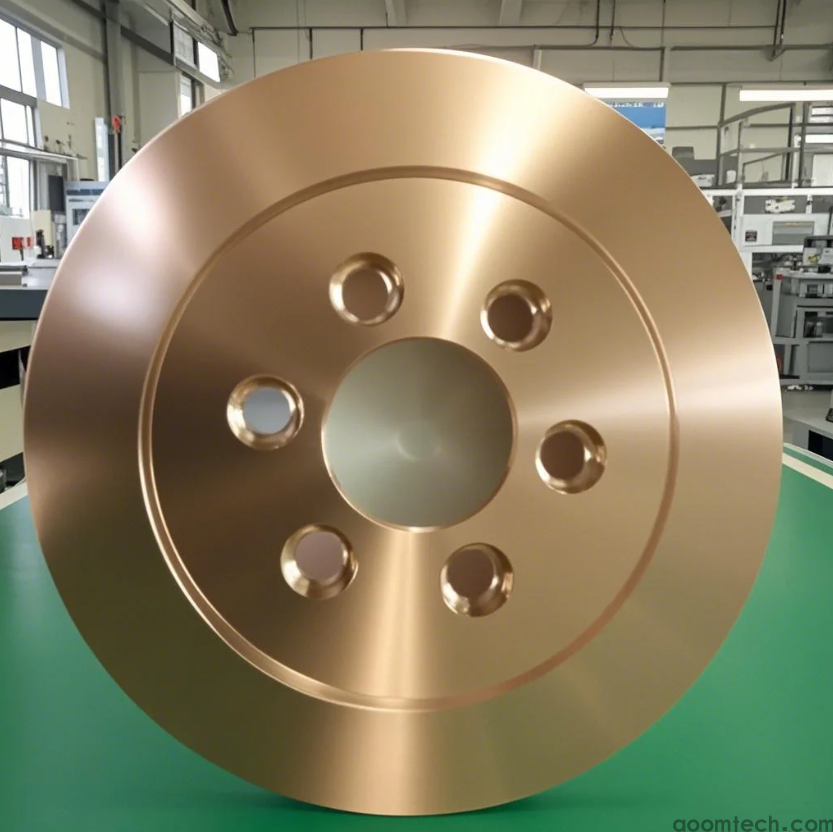
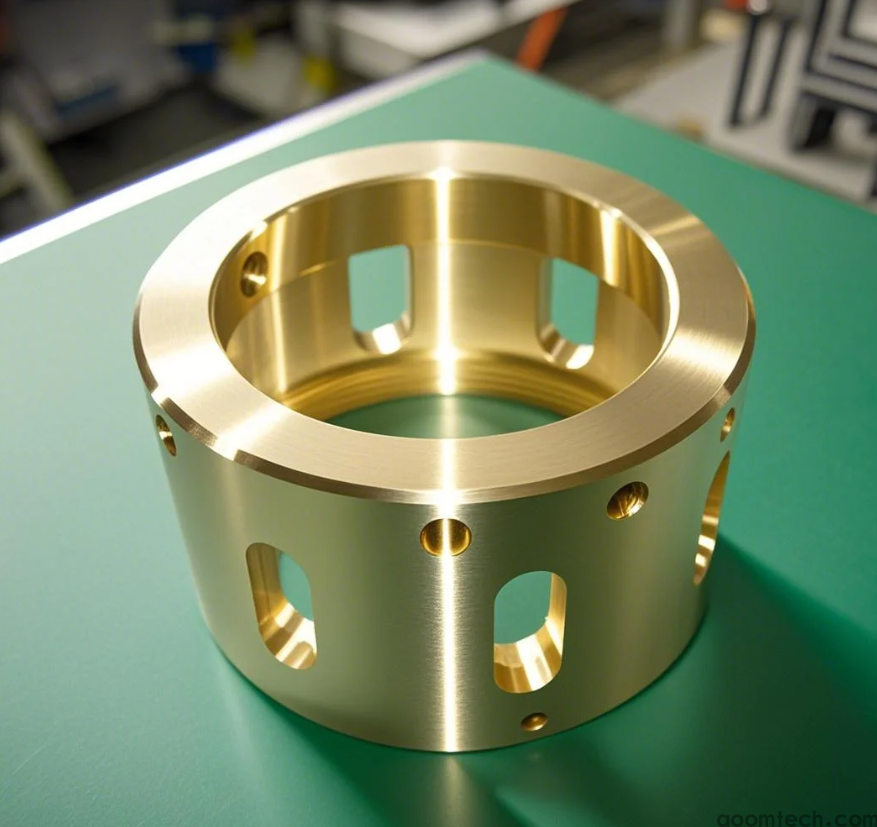
CNC Copper Machining Services refer to the use of Computer Numerical Control (CNC) machines to precisely cut, shape, and finish copper materials into custom parts. These services are widely used in modern manufacturing because copper has excellent electrical and thermal conductivity, good corrosion resistance, and high workability.
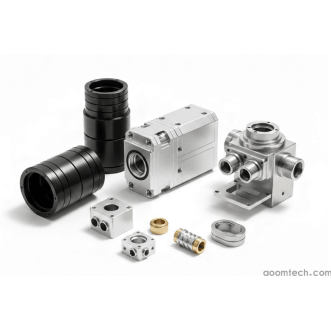
The significance of CNC copper machining services lies in their ability to produce highly accurate and repeatable copper components for different industries. Copper parts are essential in electronics, plumbing systems, automotive systems, and energy applications. For example, in electronics, copper is used for connectors and wiring components. In automotive systems, copper parts are commonly used in heat exchangers and cooling systems, where efficient heat transfer is important.
With the help of CNC technology, manufacturers can produce complex copper parts based on digital designs, ensuring high precision and consistency. This makes CNC copper machining a key solution for both prototyping and mass production.
Process of CNC Copper Machining
Design and Programming
The process of CNC copper machining begins with detailed design and programming. Engineers use CAD (Computer-Aided Design) software to create a 3D model of the copper part. This model defines the exact size, shape, and features of the final product.
Next, CAM (Computer-Aided Manufacturing) software converts the design into a CNC program. This program includes toolpaths, cutting speeds, feed rates, and machining instructions. Accurate programming is critical because even small errors can lead to poor fitting parts or production failures.
This stage is the foundation of the process of CNC copper machining, ensuring that production is efficient and precise.
Material Selection and Preparation
Choosing the right copper material is an important step. Different grades of copper are used depending on the application. High-purity copper is often used for electrical applications due to its excellent conductivity, while copper alloys may be used for plumbing or structural parts.
After selection, the copper material is prepared by cutting it into suitable sizes. In some cases, annealing is applied to soften the material and improve machinability. Proper preparation helps reduce tool wear and improves machining quality.
CNC Machining Operations
Milling
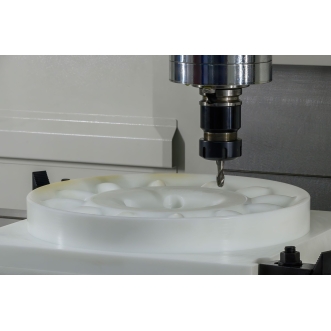
Milling is a common operation in CNC copper machining. A rotating cutting tool removes material from the copper workpiece to create flat surfaces, slots, holes, and complex shapes. Carbide end mills are often used because they provide durability and precision.
Since copper is soft, higher spindle speeds and feed rates can be used. However, heat control is important to prevent deformation or surface damage.
Turning
Turning is used to produce cylindrical copper parts. The copper workpiece rotates while a cutting tool shapes it into the required form. This process is widely used for producing fittings, rods, and connectors.
Proper tool selection and stable cutting conditions are important to maintain concentricity and surface quality during turning operations.
Drilling and Boring
Drilling is used to create holes in copper parts, while boring is used to enlarge or refine existing holes. High-speed steel or carbide drills are commonly used for accuracy and durability.
Precise hole placement is essential, especially in electrical and mechanical assemblies where alignment affects performance and safety.
Finishing Operations
After machining, finishing operations improve the quality and performance of copper parts. Common finishing methods include deburring, polishing, and surface coating.
Polishing can enhance electrical conductivity and appearance, while coatings can improve corrosion resistance. These steps ensure the final product meets industry standards.
Advantages of CNC Copper Machining Services
High Precision
One of the main advantages of CNC copper machining services is high precision. CNC machines follow programmed instructions with great accuracy, allowing tight tolerances and consistent quality. This is essential for applications like electrical connectors, where exact dimensions are required.
Customization
CNC machining allows full customization of copper parts. Whether the design is simple or complex, CNC technology can produce parts based on specific requirements. This flexibility supports both prototyping and large-scale production.
Efficient Material Use
CNC machining reduces material waste by precisely removing only the required amount of copper. This improves cost efficiency and supports sustainable manufacturing practices.
Challenges in CNC Copper Machining
Heat Generation and Deformation
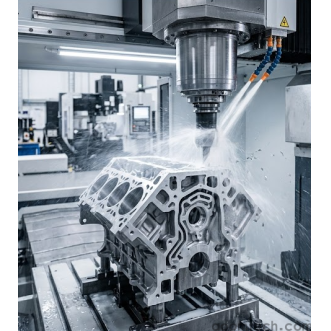
Copper has high thermal conductivity, which can cause heat to spread quickly during machining. Excess heat may lead to deformation or poor surface quality. To solve this, coolant systems and optimized cutting parameters are used to control temperature.
Tool Wear
Although copper is soft, it can still cause tool wear, especially during high-speed operations. Using high-quality carbide tools and monitoring tool condition regularly helps reduce this issue and extend tool life.
Surface Finish and Accuracy
Achieving a smooth surface finish and maintaining dimensional accuracy can be challenging. Tool vibration, heat, and improper settings can affect results. Using sharp tools, correct speeds, and post-processing methods like polishing can improve quality.
How to Choose a CNC Copper Machining Service Provider
Experience and Expertise
When selecting a provider, experience is very important. A company with strong experience in copper machining understands material behavior and production challenges. Checking past projects and industry experience can help evaluate their capability.
Quality Assurance System
A reliable provider should have a strong quality control system. This includes in-process inspection and final product testing using tools like calipers, micrometers, and CMM (Coordinate Measuring Machines). Good quality assurance ensures consistent and reliable results.
Cost and Delivery Time
Cost-effectiveness is important, but it should not compromise quality. Comparing quotes from different suppliers helps find a balanced option. At the same time, reliable turnaround time is essential for meeting project deadlines.
This step is key when choosing a CNC copper machining provider for long-term cooperation and stable production needs.
Conclusion
CNC copper machining services play an important role in modern manufacturing by providing precise, efficient, and customizable copper parts for various industries. From design and programming to finishing and quality control, each step contributes to producing high-quality components.
Despite challenges such as heat control and tool wear, advanced machining techniques and proper process management ensure excellent results. By understanding the process of CNC copper machining, its advantages, and key selection factors, businesses can make better decisions when choosing a reliable manufacturing partner.
Overall, CNC copper machining continues to support innovation in electronics, automotive, plumbing, and many other industries worldwide.
RELATED PRODUCTS
-
Medical Brass CNC Machining Parts
-
Precision CNC Machining PEEK Services
-
Precision Custom CNC Machined Car Parts
-
cnc machining optical housings
-
Precision CNC Casting Machining Services
-
Precision Gear CNC Machining Services
-
Precision Stainless Steel Parts CNC Mach
-
CNC Machining of Precision Aluminum Tube
-
CNC Machining of Large Precision Aluminu
-
CNC Machining & Manufacturing of Pre