CNC Copper Parts Custom Machining
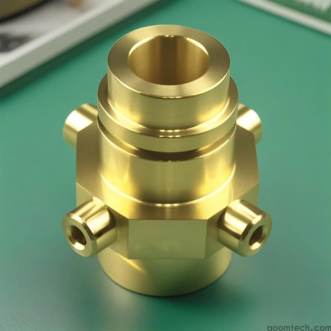
CNC Copper Parts Custom Machining is a specialized manufacturing process used to produce high-precision copper components for industries that require excellent electrical conductivity, thermal performance, and durability. From electronics to plumbing and heat-transfer systems, copper parts play a critical role in modern engineering.
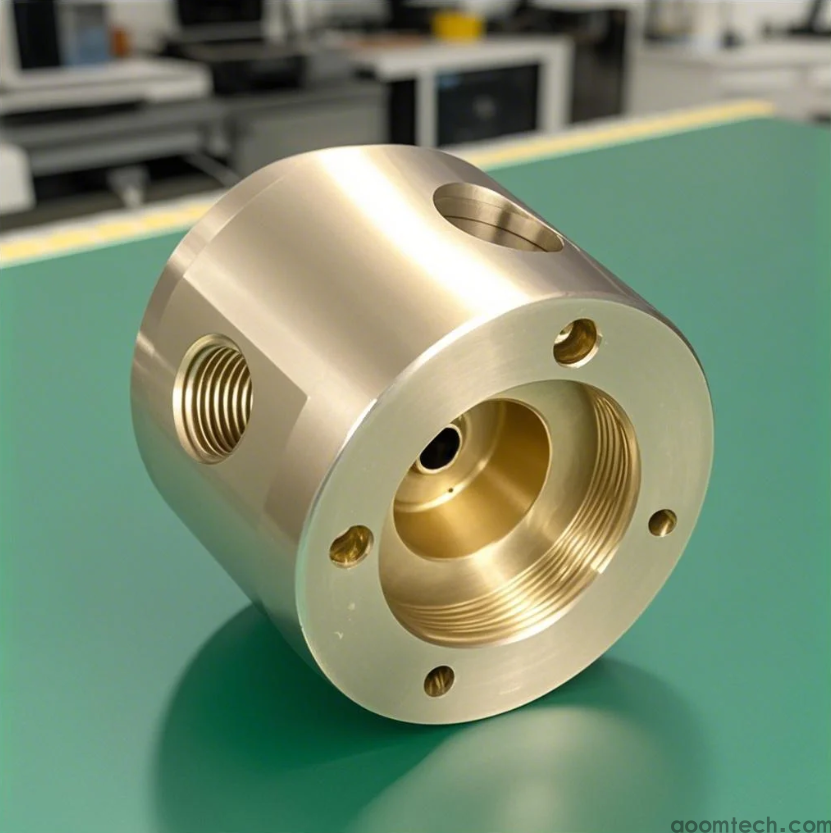
Introduction to CNC Copper Parts Custom Machining
The Significance of Custom-made Copper Parts
Custom-made copper parts are widely used across multiple industries because copper offers a unique combination of properties: excellent electrical conductivity, high thermal conductivity, strong corrosion resistance, and good malleability. These characteristics make copper ideal for components that must perform reliably under demanding conditions.
In real-world applications, copper parts are essential in:
Electronics: electrical connectors, busbars, and circuit components
Plumbing systems: copper pipes, fittings, and valves
Thermal systems: heat sinks and cooling components for CPUs and power electronics
For example, a copper electrical connector ensures stable current flow, while a copper heat sink efficiently removes heat from sensitive electronic devices, preventing overheating and system failure.
Importance of CNC Machining for Copper Parts
Precision Manufacturing
CNC machining enables the production of copper parts with extremely high accuracy. Computer-controlled tools ensure tight tolerances and consistent dimensions across every part produced.
This precision is essential because even small dimensional errors can cause serious performance issues. For instance:
Poorly machined electrical connectors may lead to loose connections and overheating
Incorrect heat sink geometry can reduce thermal efficiency
Inaccurate plumbing fittings may cause leakage or system failure
High precision ensures that copper parts integrate seamlessly into complex mechanical and electrical systems.
Customization for Diverse Applications
One of the major advantages of CNC Copper Parts Custom Machining is the ability to produce highly customized designs. Different industries require different shapes, structures, and performance characteristics.
Examples include:
Complex internal-channel copper heat sinks for high-performance electronics
Custom-shaped copper terminals for specialized electrical equipment
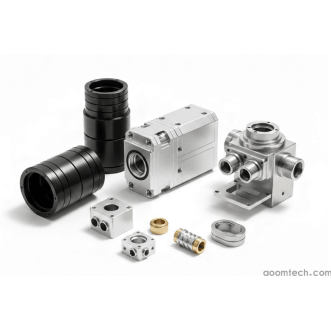
Precision copper components for industrial machinery
Using CNC technology allows engineers to transform complex designs into functional, high-performance copper components.
Cost-effectiveness for Medium-volume Production
For medium production runs, CNC machining is highly cost-effective. Once the machining program is developed, it can be reused to produce consistent parts with minimal variation.
Cost savings come from:
Reduced setup time for repeat production
Lower material waste due to precision cutting
Fewer defects and rework requirements
This makes CNC machining an efficient solution for industries requiring stable and scalable copper component production.
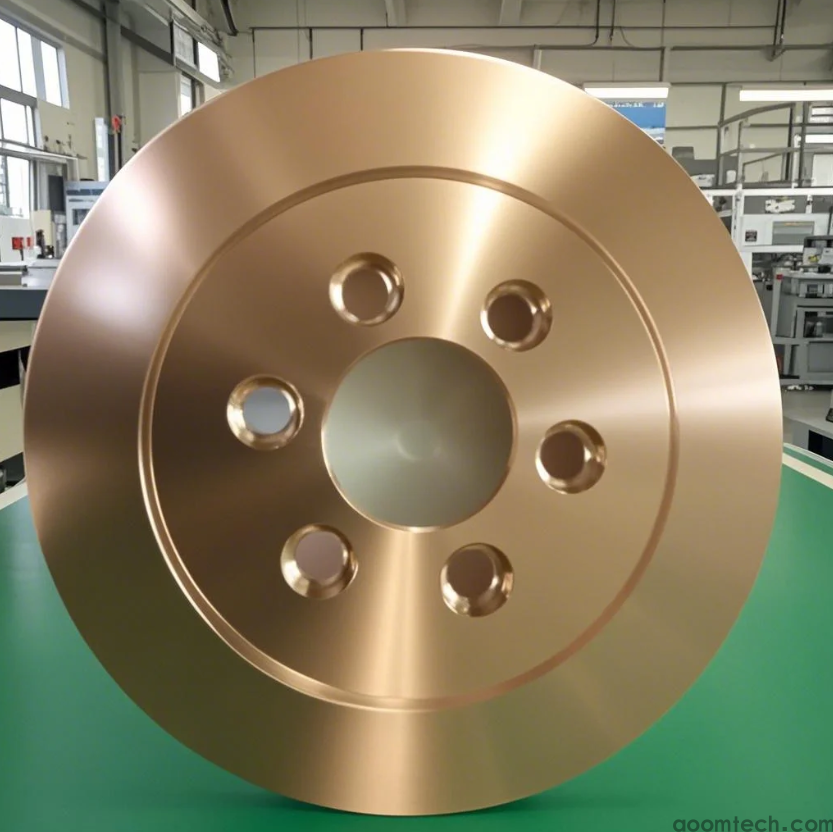
CNC Machining Processes for Copper Components
CNC Milling for Copper Parts
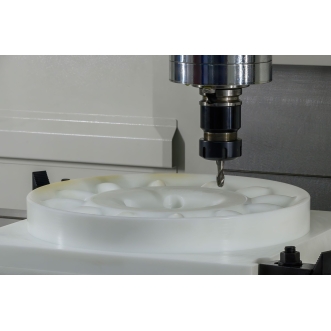
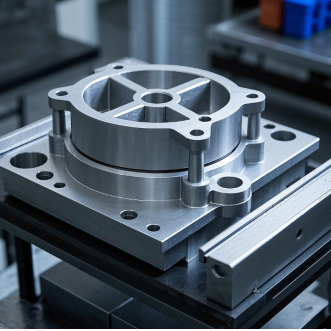
CNC milling for copper parts involves a rotating cutting tool that removes material from a copper workpiece to create complex shapes, flat surfaces, and precise geometries.
Key considerations include:
Tool selection: carbide tools are commonly used for durability and precision
Cutting speed: copper allows relatively high spindle speeds due to its softness
Feed rate: must be balanced to avoid burr formation
Proper milling ensures smooth surfaces and accurate fin structures, especially important in heat sinks where surface quality directly impacts thermal performance.
Turning Process
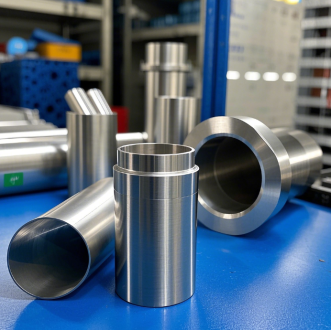
Turning is used to produce cylindrical copper parts such as rods, tubes, and rotational components. The workpiece rotates while a cutting tool shapes its outer or inner diameter.
Important factors include maintaining concentricity, controlling vibration, and selecting the right insert geometry to achieve a smooth surface finish. This is especially critical in copper tubing used in plumbing systems, where consistent wall thickness ensures leak-free performance.
Drilling Operations
Drilling is used to create holes in copper parts for assembly, wiring, or fluid passage. Because copper is soft and thermally conductive, careful control of drilling parameters is required.
Best practices include:
Using sharp twist drills with proper point angles
Applying coolant to reduce heat buildup
Ensuring accurate hole positioning for assembly precision
Accurate drilling is essential in electrical housings and connector systems.
Materials and Machining Characteristics
Copper Alloys
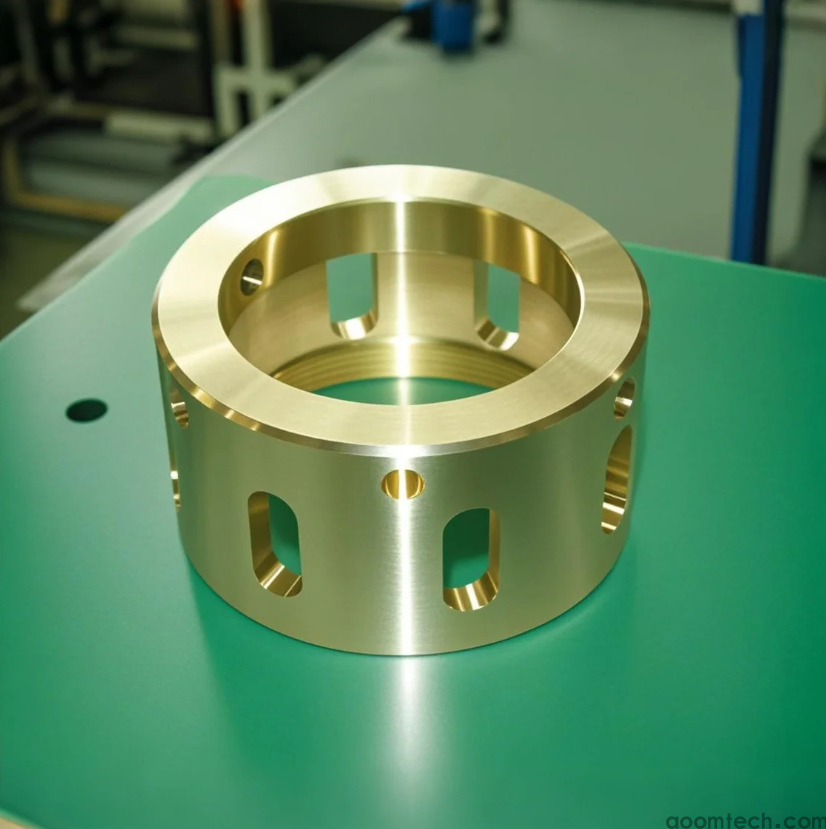
In addition to pure copper, several copper alloys are widely used in CNC machining:
Brass (Copper-Zinc): easier to machine, good corrosion resistance
Bronze (Copper-Tin):
Each alloy behaves differently during machining. For example, brass typically allows higher cutting speeds, while bronze may require more robust tooling due to increased hardness.
Challenges in CNC Machining of Copper Parts
Tool Wear and Breakage
Although copper is relatively soft, machining still presents challenges such as tool wear, especially when working with alloys or high-speed operations. Small precision tools can also break under improper load conditions.
Solutions include:
Using high-quality carbide tools
Monitoring tool wear regularly
Optimizing tool paths to reduce stress
Heat Generation
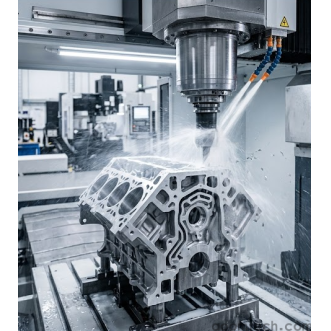
Copper’s high thermal conductivity helps dissipate heat, but machining still generates localized heat at the cutting zone. Excess heat may affect dimensional accuracy.
To manage this:
Use effective coolant systems
Optimize cutting parameters
Select heat-resistant cutting tools
Surface Finish and Burring
Copper is prone to burr formation, which can affect both function and appearance. Burrs are particularly problematic in electrical components where smooth contact surfaces are required.
Post-processing steps such as deburring, polishing, or brushing are often required to ensure final quality.
Choosing a Service for CNC Copper Parts Custom Machining
Technical Expertise
When selecting a provider, technical knowledge is essential. A reliable manufacturer should understand copper material behavior, machining processes, and application-specific requirements.
Look for:
Proven experience with copper components
Case studies in electronics, plumbing, or thermal systems
Sample parts demonstrating precision and quality
Quality Assurance Systems
A strong quality control system ensures consistent and reliable production. Professional machining services typically use advanced inspection tools such as micrometers, calipers, and coordinate measuring machines (CMM).
Key quality elements include:
In-process inspection to detect early deviations
Final inspection before shipment
Clear handling of non-conforming parts
Cost-effectiveness and Lead Times
Cost is important, but it must be balanced with quality and reliability. A good supplier provides transparent pricing and realistic delivery schedules.
To evaluate a provider effectively:
Compare multiple quotations
Check historical delivery performance
Assess production capacity for scaling orders
Conclusion
CNC Copper Parts Custom Machining is a vital manufacturing solution for industries that depend on precision, conductivity, and reliability. With advanced CNC technologies, manufacturers can produce highly accurate, customized copper components for a wide range of applications.
By understanding machining processes, material characteristics, and production challenges—and by carefully selecting a qualified service provider—businesses can ensure high-quality copper parts that improve performance, efficiency, and long-term product reliability.
Keywords used naturally in this article include: CNC Copper Parts Custom Machining, CNC milling for copper parts, machining processes for copper components, choosing a service for CNC copper parts custom machining, and custom copper CNC machining services.
RELATED PRODUCTS
-
Medical Brass CNC Machining Parts
-
Precision CNC Machining PEEK Services
-
Precision Custom CNC Machined Car Parts
-
cnc machining optical housings
-
Precision CNC Casting Machining Services
-
Precision Gear CNC Machining Services
-
Precision Stainless Steel Parts CNC Mach
-
CNC Machining of Precision Aluminum Tube
-
CNC Machining of Large Precision Aluminu
-
CNC Machining & Manufacturing of Pre