CNC Flange Processing Services
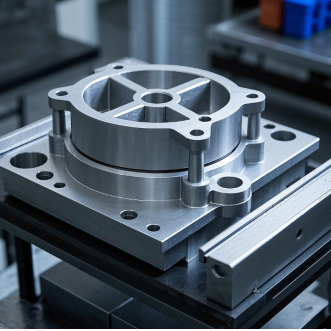
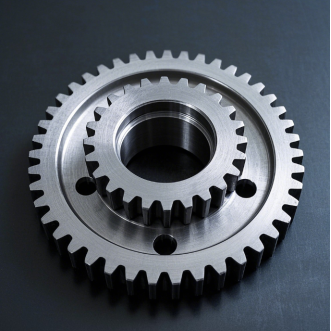
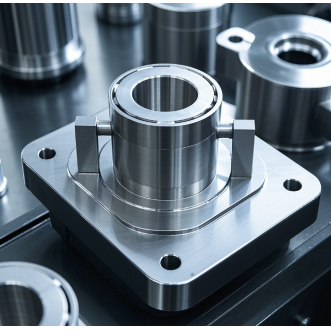
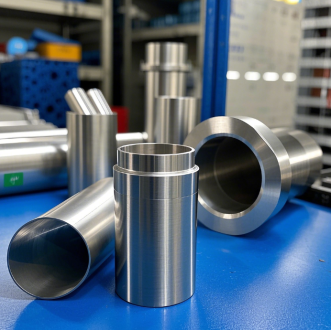
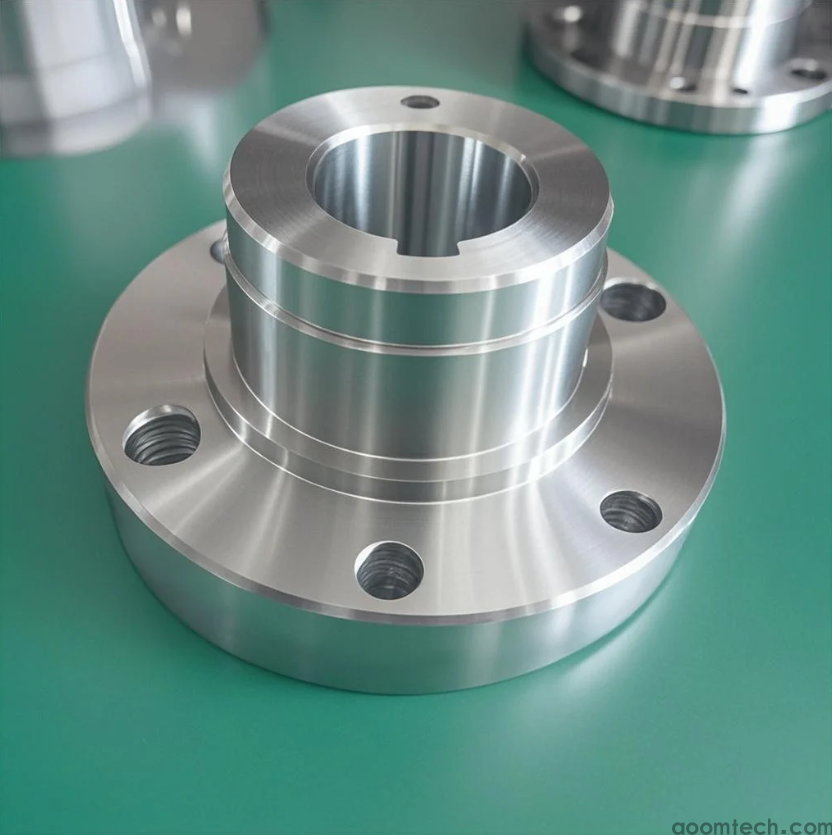
CNC Flange Processing Services play an important role in modern manufacturing industries that rely on safe, strong, and precise pipe connections. Flanges are widely used in oil and gas, water supply systems, chemical plants, shipbuilding, and many types of industrial machinery. Their main job is to connect pipes, valves, pumps, and other equipment in a secure and leak-free way.
With the help of CNC (Computer Numerical Control) technology, flange production becomes more accurate, efficient, and consistent. CNC machines follow programmed instructions to cut, drill, and shape metal materials with high precision. This improves the reliability, safety, and performance of piping systems and mechanical assemblies.
The Significance of CNC in Flange Processing
Flanges are critical components in many industrial systems. Even a small error in size or alignment can lead to leakage, pressure loss, or system failure. This is why precision is extremely important in flange manufacturing.
CNC Flange Processing Services ensure that every flange meets strict dimensional and quality requirements. CNC technology reduces human error and improves repeatability, making it ideal for both small and large production runs.
In high-pressure environments such as oil refineries or chemical pipelines, CNC-processed flanges help ensure stable connections, reduce maintenance risks, and improve long-term system safety.
Advantages of CNC in Flange Processing
High Precision Manufacturing
One of the main advantages of CNC in flange processing is high precision. CNC machines can produce flanges with very tight tolerances and accurate dimensions.
This precision is essential for proper sealing between two connected parts. For example, in an oil refinery pipeline, a CNC-machined flange ensures a perfect fit that prevents dangerous leaks and pressure loss. Even under extreme conditions, the connection remains stable and safe.
Customization Capability
CNC technology allows manufacturers to produce customized flanges based on specific project needs. Not all systems use standard sizes, so flexibility is important.
For example, a plumbing system in a limited space may require a specially designed flange with a unique bolt pattern or reduced outer diameter. CNC programming makes it easy to create such custom solutions without changing the entire production setup.
Efficiency in Production
Another key benefit is production efficiency. Once the CNC program is ready, machines can operate continuously with minimal manual intervention.
This makes CNC Flange Processing Services ideal for mass production. For example, a construction equipment manufacturer may need thousands of identical flanges within a short deadline. CNC machining ensures fast delivery without reducing quality.
Process of CNC Flange Processing
Design and CAD/CAM Programming
The process of CNC flange processing begins with design. Engineers use CAD (Computer-Aided Design) software to create a 3D model of the flange. This includes dimensions, thickness, bolt hole positions, and surface features.
After the design stage, CAM (Computer-Aided Manufacturing) software converts the model into machine instructions. These instructions define tool paths, cutting speeds, and machining steps. For complex flange designs used in chemical plants, programmers must carefully optimize tool paths to ensure accuracy and efficiency.
Material Selection and Preparation
Material selection is a key step in flange manufacturing. Common materials include carbon steel, stainless steel, and alloy steel. Each material has different strength, corrosion resistance, and cost levels.
For example, stainless steel is often used in corrosive environments like marine systems, while carbon steel is widely used in general industrial applications. After selecting the material, it is cut into suitable blanks and may undergo heat treatment to improve machinability.
Machining Operations
Milling
Milling is used to shape the flange surface, create raised faces, and form bolt hole layouts. CNC milling machines use cutting tools such as carbide cutters to achieve smooth and accurate surfaces.
Proper cutting speed and feed rate are important. Harder materials require slower speeds to reduce tool wear and maintain precision.
Drilling
Drilling is used to create bolt holes in the flange. Precision is critical because even a small deviation can affect assembly alignment.
High-quality drill bits and cooling systems are used to prevent overheating and tool damage. Accurate drilling ensures that bolts fit perfectly during installation.
Finishing Operations
After machining, finishing processes such as polishing, deburring, or heat treatment may be applied. These steps improve surface quality, corrosion resistance, and mechanical strength.
For example, polished stainless steel flanges used in food processing plants are easier to clean and have better resistance to rust and contamination.
Benefits of CNC-Processed Flanges
Enhanced Performance
The benefits of CNC-processed flanges include improved sealing performance and higher structural reliability. Accurate dimensions ensure tight connections, reducing the risk of leakage or failure.
In power plants, CNC-machined flanges are used in steam pipelines where high pressure and temperature demand maximum reliability. These flanges maintain stable performance over long periods of operation.
Cost-Effectiveness
Although CNC machining may require higher initial setup costs, it reduces long-term expenses. Fewer defects, less rework, and faster production all contribute to lower overall costs.
Companies often find that CNC Flange Processing Services save money over time by improving production efficiency and reducing waste materials.
Versatility in Applications
CNC-processed flanges can be used in many industries. Their adaptability allows them to meet different design, size, and material requirements.
For example, similar flange designs can be adapted for use in ship piping systems and automotive exhaust systems with only minor adjustments.
Challenges in CNC Flange Processing Services
Tool Wear and Breakage
One of the main challenges in CNC flange processing services is tool wear. Hard materials like alloy steel can quickly wear down cutting tools, increasing production costs.
In some cases, tools may need frequent replacement during large production runs, which can slow down manufacturing and increase downtime.
Heat Generation
CNC machining generates heat due to friction between tools and materials. Excess heat can cause thermal expansion, leading to dimensional errors.
For example, a stainless steel flange may slightly expand during machining, resulting in improper fit when cooled and assembled.
Programming Complexity
Complex flange designs require advanced programming skills. Errors in CNC code can lead to incorrect hole placement or poor surface quality.
A small programming mistake may result in an entire batch of defective flanges, causing delays and additional costs.
Choosing a CNC Flange Processing Service Provider
Experience in Flange Manufacturing
When choosing a CNC flange processing service provider, experience is very important. An experienced manufacturer understands industry standards and common technical challenges.
They can also provide valuable suggestions to improve design efficiency and reduce production costs while maintaining quality.
Quality Assurance System
A reliable service provider must have a strong quality control system. This includes material inspection, in-process checks, and final product testing.
Using calibrated measurement tools ensures that every flange meets required specifications. Quality certifications also demonstrate reliability and industry compliance.
Cost Transparency and Pricing
Pricing is another important factor. A good provider offers clear and transparent pricing, including material costs, machining fees, and additional services.
When comparing suppliers, it is important to evaluate both price and quality. The lowest price is not always the best choice if it compromises performance or reliability.
Conclusion: Selecting the Right CNC Flange Processing Service
CNC Flange Processing Services are essential for producing high-quality flanges used in critical industrial systems. They offer high precision, customization, efficiency, and long-term cost savings.
However, challenges such as tool wear, heat control, and programming complexity must also be managed carefully to ensure consistent results.
When selecting a service provider, consider experience, quality assurance systems, and pricing transparency. By carefully evaluating these factors, businesses can ensure safe, reliable, and cost-effective flange production.
Taking the time to choose the right partner will improve project success and long-term operational stability. Start evaluating trusted CNC flange processing providers to meet your manufacturing needs effectively.
RELATED PRODUCTS
-
Medical Brass CNC Machining Parts
-
Precision CNC Machining PEEK Services
-
Precision Custom CNC Machined Car Parts
-
cnc machining optical housings
-
Precision CNC Casting Machining Services
-
Precision Gear CNC Machining Services
-
Precision Stainless Steel Parts CNC Mach
-
CNC Machining of Precision Aluminum Tube
-
CNC Machining of Large Precision Aluminu
-
CNC Machining & Manufacturing of Pre