CNC Machined Flashlight Housings Services
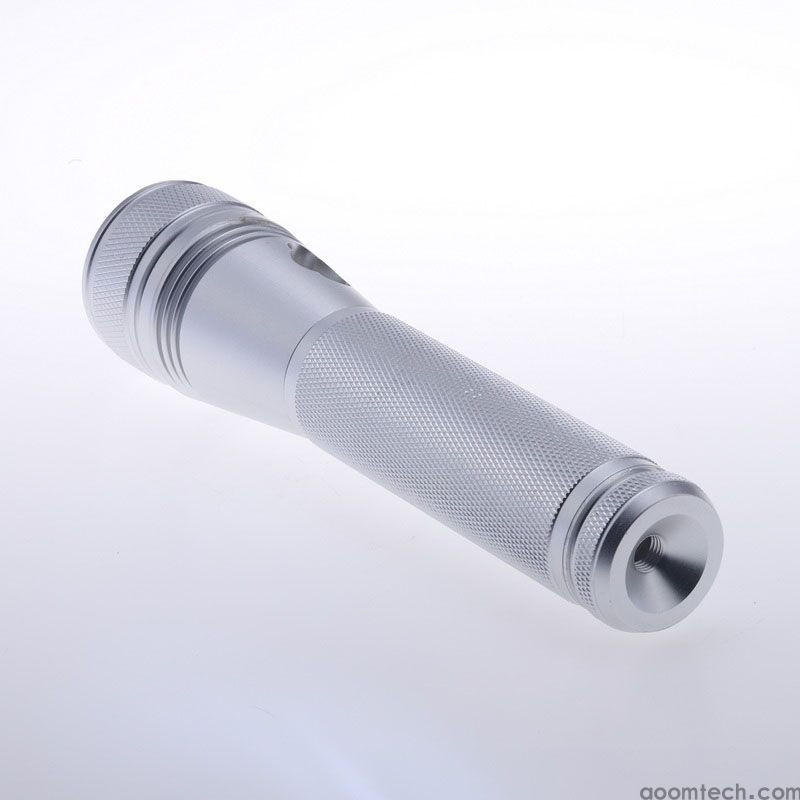
CNC Machined Flashlight Housings Services refer to professional manufacturing solutions that use computer-controlled machines to produce high-precision flashlight bodies. These housings are not just outer shells. They are key structural parts that affect durability, performance, heat management, and user experience. In modern industries, CNC machining has become one of the most reliable ways to produce high-quality flashlight housings for different applications.
Introduction to CNC Machined Flashlight Housings Services
The Significance of Flashlight Housings
Flashlight housings are more than protective covers. They directly influence how a flashlight performs in real-world conditions. A well-designed housing protects internal components from shock, dust, and water while also improving grip and comfort.
Different types of flashlights depend heavily on housing design:
Tactical flashlights: Require strong, impact-resistant housings for military or security use.
Outdoor flashlights: Need waterproof and lightweight designs for hiking and camping.
Industrial flashlights: Must handle heat, long operation hours, and rough environments.
A poor housing design can reduce durability, cause overheating, or allow water leakage, which leads to product failure.
Importance of CNC Machining for Flashlight Housings
Precision Manufacturing
CNC machining enables extremely accurate production of flashlight housings. Modern designs often include complex features such as switch cut-outs, threaded battery compartments, and lens mounting areas.
High precision ensures every part fits perfectly during assembly. If machining is inaccurate, problems may occur such as loose components, poor sealing, or inefficient heat transfer. This can seriously affect flashlight performance and safety.
Customization
One major advantage of CNC Machined Flashlight Housings Services is full design flexibility. Manufacturers can create custom shapes, sizes, and surface textures based on user requirements.
Examples include:
Textured grip surfaces for wet or slippery environments
Compact housings for handheld tactical use
Special mounting structures for helmets or industrial equipment
This flexibility makes CNC machining ideal for both small-batch and high-end flashlight production.
Consistent Quality
Once a CNC program is set, every flashlight housing is produced with the same precision and quality. This consistency is essential for mass production.
It helps manufacturers maintain stable product performance, reduce defects, and build strong brand reputation. Customers also benefit from reliable and predictable product quality.
CNC Machining Processes for Flashlight Housings
Milling
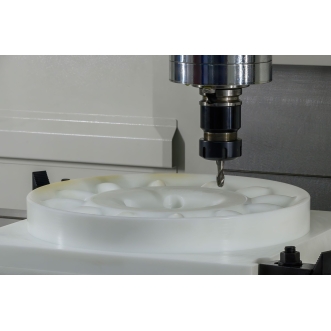
Milling is one of the most common processes in CNC milling for flashlight housings. A rotating cutting tool removes material to form shapes, slots, and surfaces.
Typical applications include:
Creating outer body shapes
Cutting internal channels for wiring
Forming battery compartments
Correct selection of cutting tools, spindle speed, and feed rate is important to ensure smooth surface finish and high accuracy.
Turning
Turning is used to produce cylindrical parts of flashlight housings, such as the main body or head section. The workpiece rotates while a cutting tool shapes it.
Key factors include maintaining concentricity and achieving a smooth surface finish. Proper speed control is especially important when working with materials like aluminum to avoid rough surfaces.
Drilling and Boring
Drilling creates holes for switches, screws, and internal components. Boring is used to enlarge and refine these holes for higher accuracy.
Precise hole placement is critical. Even small errors can cause assembly issues or misalignment. Using the correct drill type and coolant helps prevent tool wear and improves machining accuracy.
Materials Used in CNC Machining of Flashlight Housings
Aluminum
Aluminum is the most popular choice for flashlight housings. It is lightweight, strong, and has excellent thermal conductivity, which helps dissipate heat from LED systems.
Common alloys like 6061 and 7075 are widely used. However, machining aluminum requires proper chip control to avoid tool clogging and surface defects.
Materials for CNC-machined flashlight cases often start with aluminum due to its balance of performance and cost.
Stainless Steel
Stainless steel offers excellent corrosion resistance and durability. It is ideal for flashlights used in marine, industrial, or extreme environments.
However, it is harder to machine than aluminum. Carbide tools, proper cutting fluids, and lower speeds are often required to achieve good results.
Plastics
Plastics such as polycarbonate, nylon, and ABS are also widely used.
Polycarbonate: High impact resistance
Nylon: Strong wear resistance
ABS: Balanced strength and cost efficiency
When machining plastics, controlling heat is important to prevent warping or melting during production.
Choosing a CNC Machining Service Provider for Flashlight Housings
Technical Expertise
A reliable provider of choosing a provider for CNC flashlight housing machining services should have strong technical experience in both design and production.
You should check:
Experience with flashlight or precision components
Engineering and CNC programming skills
Sample products or case studies
Quality Assurance
A strong quality control system is essential. Professional manufacturers use tools like calipers, micrometers, and surface testers to ensure accuracy.
Good quality systems include:
In-process inspection during machining
Final product measurement checks
Clear handling of defective parts
This ensures every flashlight housing meets strict performance and durability standards.
Cost-effectiveness and Lead Times
Cost is important, but it should not reduce quality. A good service provider balances price, precision, and delivery time.
When evaluating suppliers, consider:
Transparent pricing structure
On-time delivery record
Ability to scale production
Conclusion
CNC Machined Flashlight Housings Services play a vital role in producing durable, precise, and high-performance flashlight products. From advanced CNC milling for flashlight housings to material selection and strict quality control, every step affects the final product quality.
By understanding machining processes, materials, and supplier selection, businesses can develop reliable flashlight products that meet both professional and consumer demands in a competitive global market.
RELATED PRODUCTS
-
Medical Brass CNC Machining Parts
-
Precision CNC Machining PEEK Services
-
Precision Custom CNC Machined Car Parts
-
cnc machining optical housings
-
Precision CNC Casting Machining Services
-
Precision Gear CNC Machining Services
-
Precision Stainless Steel Parts CNC Mach
-
CNC Machining of Precision Aluminum Tube
-
CNC Machining of Large Precision Aluminu
-
CNC Machining & Manufacturing of Pre