CNC Machined part Parts Services
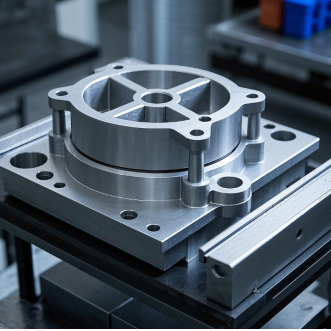
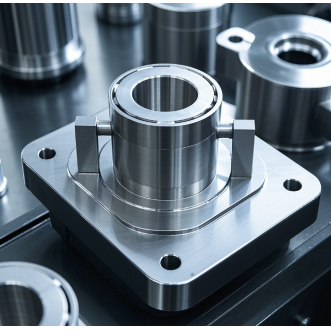
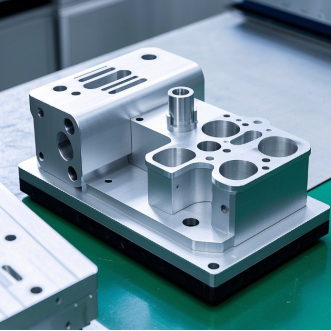
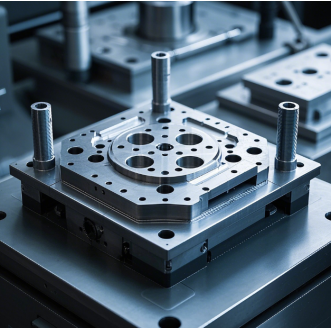
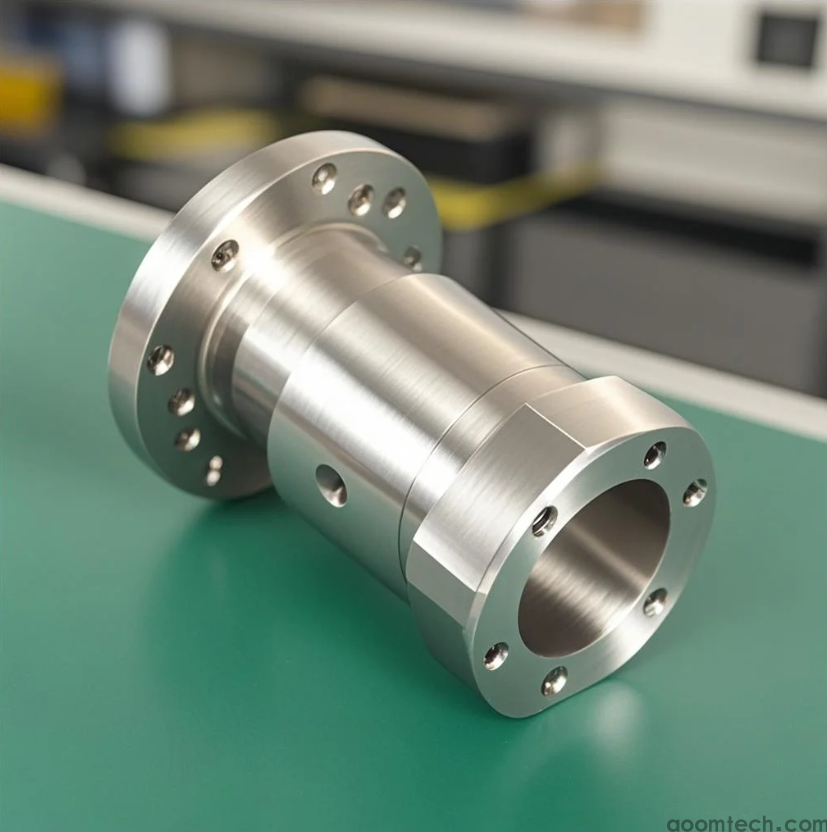
CNC Machined Parts Services play a key role in modern manufacturing. They help industries produce precise, durable, and high-quality parts using computer-controlled machines. These services are widely used in automotive, aerospace, electronics, medical devices, and industrial equipment.
This article explains what CNC machined parts services are, why they are important, what services are included, how the machining process works, and how to choose the right provider. It is written in simple English so readers from all backgrounds can understand easily.
The Significance of CNC Machined Parts Services
CNC (Computer Numerical Control) machined parts services are essential in today’s production world. They allow manufacturers to create accurate and repeatable parts with very small tolerances. This means every part fits and works as intended.
These services are important because they improve product performance, increase production efficiency, and support innovation in many industries. For example, in aerospace, even a tiny error in a part can affect safety. In automotive production, precision parts ensure engines run smoothly and efficiently.
In short, CNC machining supports the reliability and functionality of modern products that people use every day.
Range of CNC Machined Parts Services
Prototyping Services
CNC machined parts services often include prototyping. This means creating a sample part before full production begins. It helps companies test design, function, and fit.
For example, a startup developing a new smart device used CNC prototyping to build a housing component. By testing the prototype, they discovered design issues early and improved the final product before mass production. This saved time and reduced development cost.
Custom Part Manufacturing
Custom manufacturing is another key service. Customers can submit specific drawings or ideas, and CNC machines can produce highly accurate custom parts.
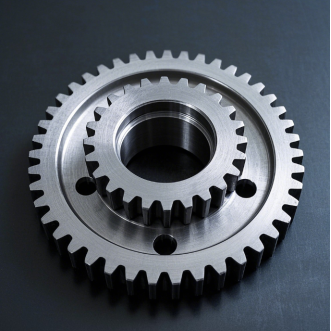
In the medical industry, custom surgical tools are often produced to match specific procedures. Another example is a specially designed industrial gear used in heavy machinery. CNC machining makes it possible to create complex shapes with tight tolerances that traditional methods cannot easily achieve.
Mass Production of Parts
CNC machining is also ideal for mass production. Once a program is created, the machine can produce thousands of identical parts with consistent quality.
For example, an automotive company may use CNC machining to produce engine components such as pistons or brackets. Every part must be identical to ensure engine performance and safety. CNC machining makes this level of consistency possible.
CNC Machining Process for Parts
Design and CAD/CAM Programming
The process begins with CAD (Computer-Aided Design), where engineers create a 3D model of the part. This model defines shape, size, and structure.
Next, CAM (Computer-Aided Manufacturing) software converts the design into machine instructions. These instructions control toolpaths, cutting speed, and machine movements.
For example, a complex aerospace bracket may require multi-axis programming to ensure every surface is machined correctly without collision or error.
Material Selection and Preparation
Choosing the right material is very important. Common materials include aluminum, steel, titanium, plastics, and composites.
Each material affects machining speed, tool wear, and final performance. For example, titanium is strong but difficult to machine, requiring slower speeds and stronger cutting tools. After selection, materials are cut, treated, and inspected before machining begins.
Machining Operations
Milling
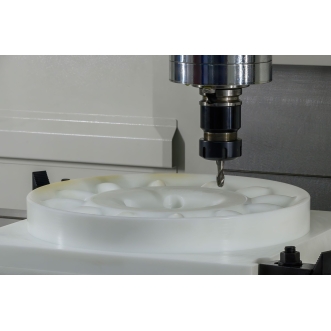
Milling is used to remove material and create shapes like flat surfaces, holes, slots, and complex 3D forms. Tools such as end mills and ball nose cutters are used depending on the shape.
For curved surfaces, a ball nose tool helps create smooth and accurate finishes. Cutting speed and feed rate must be carefully controlled to ensure precision.
Turning
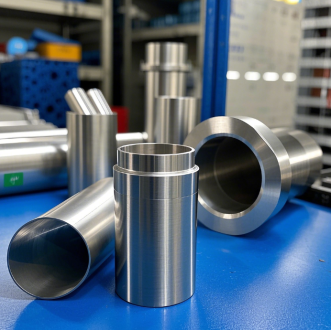
Turning is used for cylindrical parts. The material rotates while a cutting tool shapes it into components like shafts or bushings.
For example, carbide tools are often used to machine hardened steel shafts due to their strength and durability.
Drilling
Drilling creates precise holes for screws, fasteners, or fluid channels. The correct drill size, speed, and coolant use are important for accuracy and tool life.
Finishing Operations
After machining, finishing processes improve appearance and performance. These include polishing, deburring, coating, and heat treatment.
For example, marine parts often receive anti-corrosion coatings to protect them from saltwater damage. Finishing ensures parts last longer and perform better in real-world conditions.
Benefits of Using CNC Parts Services
High Precision
CNC machining offers extremely high accuracy. Computer control reduces human error and ensures consistent results.
In aerospace applications, such precision is critical. For example, turbine blades must be manufactured with exact dimensions to ensure engine safety and efficiency.
Flexibility in Design
CNC machining allows complex and detailed designs that are difficult to produce with traditional methods.
For example, medical devices often require small parts with internal channels or complex shapes. CNC machining makes these designs possible with high accuracy.
Cost-Effectiveness in the Long Run
Although setup costs can be high, CNC machining becomes cost-effective over time, especially for large production runs.
Once programmed, machines can produce parts quickly with minimal errors, reducing waste and rework costs.
Challenges in CNC Parts Services
Initial Setup Costs
One major challenge is the high cost of machines, software, and programming. This can be difficult for small businesses or startups.
Skilled Labor Requirement
CNC machining requires trained operators and programmers. A shortage of skilled workers can lead to delays and quality issues.
Complex Part Design Interpretation
Understanding complex designs correctly is essential. Miscommunication between clients and manufacturers can lead to incorrect parts and wasted production time.
Choosing a CNC Parts Service Provider
Experience and Expertise
When selecting a provider, experience is very important. An experienced company understands materials, tools, and machining challenges.
For example, a skilled provider in the automotive industry can quickly solve design and production challenges, ensuring smooth manufacturing.
Quality Assurance
A reliable provider should have strong quality control systems, including inspections during and after production.
This ensures every part meets required standards and reduces the risk of defects reaching customers.
Cost-Effectiveness and Pricing Transparency
Pricing should be clear and transparent. A good provider explains all costs, including materials, programming, and finishing.
To compare providers, businesses should request detailed quotes and evaluate both price and service quality, not just cost alone.
Conclusion: Selecting the Ideal CNC Machined Parts Service Provider
CNC Machined Parts Services are essential for producing precise, reliable, and high-quality components in many industries. They support prototyping, custom manufacturing, and mass production while offering strong benefits like accuracy, flexibility, and efficiency.
At the same time, challenges such as setup costs, skilled labor needs, and design complexity must be considered. Understanding these factors helps businesses make better decisions.
When choosing a provider, focus on experience, quality assurance, and transparent pricing. A good partner can significantly improve product quality and production efficiency.
Businesses looking to improve manufacturing results should start evaluating CNC machining providers that match their technical and production needs.
RELATED PRODUCTS
-
Medical Brass CNC Machining Parts
-
Precision CNC Machining PEEK Services
-
Precision Custom CNC Machined Car Parts
-
cnc machining optical housings
-
Precision CNC Casting Machining Services
-
Precision Gear CNC Machining Services
-
Precision Stainless Steel Parts CNC Mach
-
CNC Machining of Precision Aluminum Tube
-
CNC Machining of Large Precision Aluminu
-
CNC Machining & Manufacturing of Pre