CNC Machined Transmission Rods Services
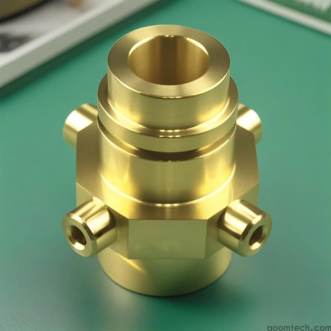
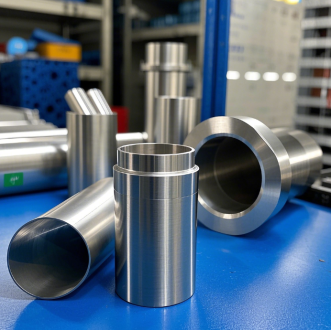
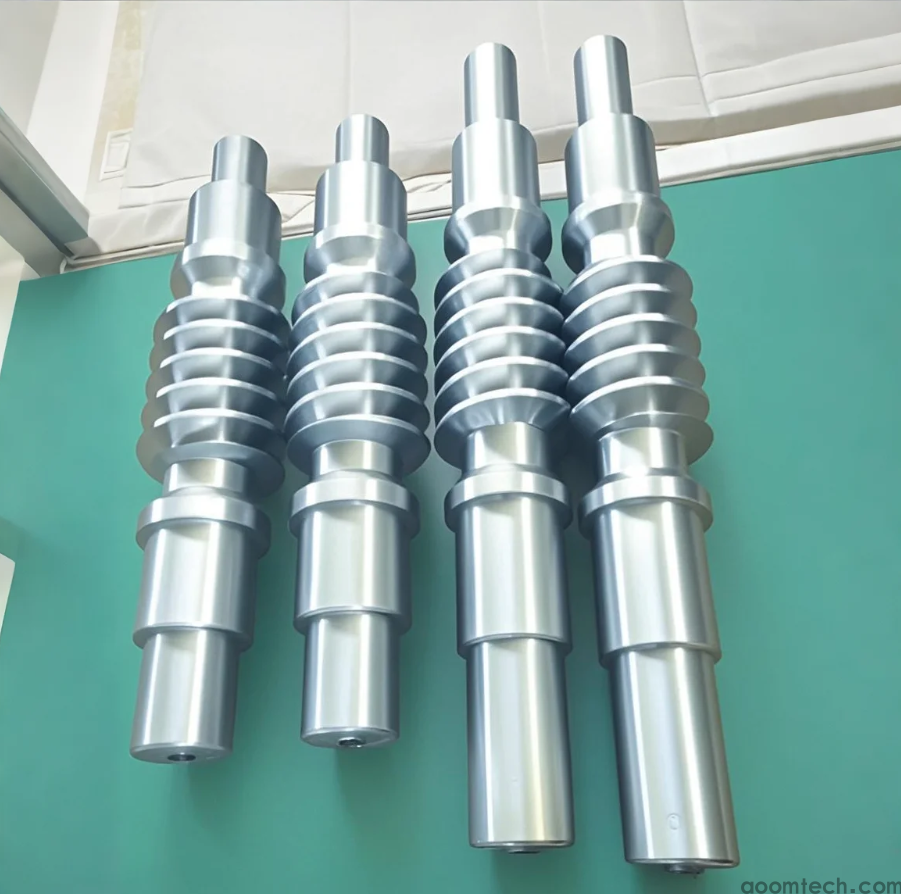
In modern engineering, the demand for high-performance and reliable mechanical components continues to grow. One of the most important components used in power transmission systems is the transmission rod. CNC Machined Transmission Rods Services provide a precise, efficient, and scalable way to manufacture these essential parts for a wide range of industries.
Introduction to CNC Machined Transmission Rods Services
The Role of Transmission Rods
Transmission rods are key mechanical parts used to transfer power, torque, and motion between different components in a system. They act as a connection element that ensures smooth and controlled movement.
These rods are widely used in industries such as:
Automotive industry – transferring engine power to the drivetrain and wheels
Industrial machinery – supporting conveyor systems and automated production lines
Robotics – enabling precise joint movement and mechanical coordination
Without properly designed transmission rods, mechanical systems can suffer from instability, energy loss, and reduced performance.
Importance of CNC Machining for Transmission Rods
High Precision Manufacturing
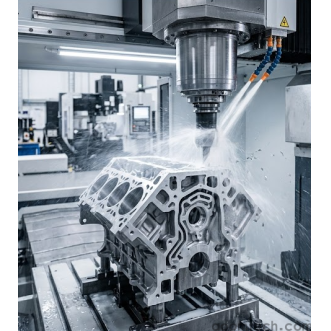
CNC (Computer Numerical Control) machining allows manufacturers to produce transmission rods with extremely high precision. Tight tolerances are essential because even small dimensional errors can affect performance.
With advanced CNC Machined Transmission Rods Services, manufacturers ensure smooth surfaces, accurate diameters, and perfect alignment. This reduces friction and wear during operation.
If a rod is not precisely machined, it may cause:
Unwanted vibration
Increased mechanical noise
Faster wear of connected components
Lower system efficiency
Customization for Specific Applications
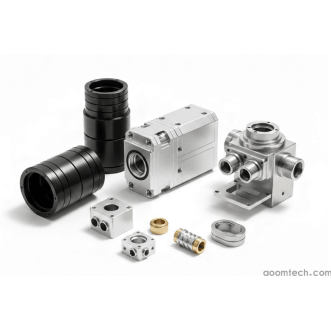
Every mechanical system has unique requirements. CNC machining makes it possible to design and produce customized rods based on specific engineering needs.
Using CNC turning for transmission rods, manufacturers can adjust:
Length and diameter
End connection types
Surface finish requirements
Internal features such as holes or grooves
This flexibility ensures that each transmission rod is optimized for its intended application, improving overall system performance.
Consistent Quality Across Production
One of the biggest advantages of CNC machining is repeatability. Once the design program is set, every transmission rod produced will have the same accuracy and quality.
This consistency is especially important for mass production. It reduces assembly issues, improves reliability, and ensures long-term mechanical stability in industrial systems.
CNC Machining Processes for Transmission Rods
Turning Process
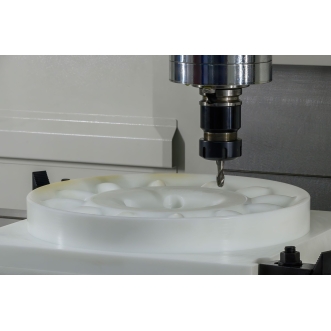
Turning is the most common process used in manufacturing transmission rods. In this method, the metal workpiece rotates at high speed while a cutting tool shapes it into a precise cylindrical form.
Key factors in turning include:
Spindle speed selection based on material type
Feed rate control for surface quality
Depth of cut for efficiency and accuracy
For example, softer materials like aluminum require different cutting parameters compared to harder materials like alloy steel. Proper setup ensures smooth surface finish and dimensional accuracy.
Threading Process (If Required)
Some transmission rods require threads to connect with other mechanical parts. CNC machines can create threads using either single-point threading or thread milling techniques.
Single-point threading is suitable for standard threads, while thread milling offers higher flexibility and precision for complex designs.
Important factors include:
Correct thread pitch and lead
Accurate thread angle
Proper tool selection based on material
Drilling and Boring
In some designs, transmission rods require holes for pins, lubrication, or fastening. Drilling is used to create initial holes, while boring refines the size and improves accuracy.
Precise hole placement is critical because it affects balance and mechanical strength. CNC systems ensure exact positioning and repeatability across all produced parts.
Materials Used in CNC Machined Transmission Rods
Metals
Different metals are selected based on performance requirements. The most common materials for transmission rods include steel, aluminum, and titanium.
Steel – High strength and durability, ideal for heavy-load applications. Alloy and stainless steel are often used for improved corrosion resistance.
Aluminum – Lightweight and easy to machine. Common in automotive and aerospace systems where weight reduction is important.
Titanium – Excellent strength-to-weight ratio and high corrosion resistance. Used in high-performance and demanding environments.
Understanding materials for CNC-machined transmission rods is essential when selecting the right design for a specific application.
Plastics (In Some Applications)
Engineering plastics such as nylon and acetal are sometimes used for low-load transmission rods. These materials offer benefits like noise reduction and self-lubrication.
Advantages include:
Lower cost compared to metals
Reduced noise during operation
Good wear resistance in light-duty systems
However, plastic rods are not suitable for high-load applications due to lower strength compared to metal alternatives.
Choosing a CNC Machined Transmission Rods Service Provider
Technical Expertise
When selecting a provider for choosing a provider for CNC-machined transmission rods, technical knowledge is essential. The manufacturer should understand machining processes, material behavior, and engineering requirements.
Good indicators of expertise include:
Experience with similar industrial projects
Qualified engineering and machining teams
Ability to provide sample parts for evaluation
Quality Assurance System
A reliable CNC service provider must have a strong quality control system. This includes both in-process and final inspections to ensure every transmission rod meets specifications.
Common inspection tools include:
Calipers and micrometers for dimensional checks
Surface roughness testers for finish quality
Coordinate measuring machines (CMM) for high-precision inspection
A strong quality system ensures that defective parts are identified early and corrected before delivery.
Cost-Effectiveness and Lead Time
While cost is important, it should not compromise quality. A good CNC machining provider balances competitive pricing with reliable performance.
When evaluating providers, consider:
Comparison of multiple quotations
Past delivery performance
Production capacity and scalability
On-time delivery is especially important in industries where delays can affect entire production schedules.
Conclusion
CNC Machined Transmission Rods Services play a vital role in modern mechanical engineering. By combining precision machining, advanced technology, and material expertise, these services ensure high-performance transmission components for industries such as automotive, robotics, and industrial automation.
Whether you need standard parts or highly customized designs, CNC machining provides the accuracy, consistency, and reliability required for long-term system performance. Choosing the right provider ensures not only product quality but also operational efficiency and cost control.
RELATED PRODUCTS
-
Medical Brass CNC Machining Parts
-
Precision CNC Machining PEEK Services
-
Precision Custom CNC Machined Car Parts
-
cnc machining optical housings
-
Precision CNC Casting Machining Services
-
Precision Gear CNC Machining Services
-
Precision Stainless Steel Parts CNC Mach
-
CNC Machining of Precision Aluminum Tube
-
CNC Machining of Large Precision Aluminu
-
CNC Machining & Manufacturing of Pre