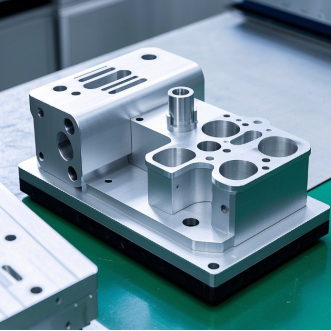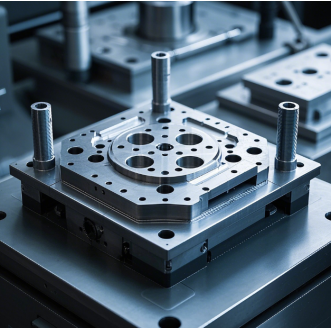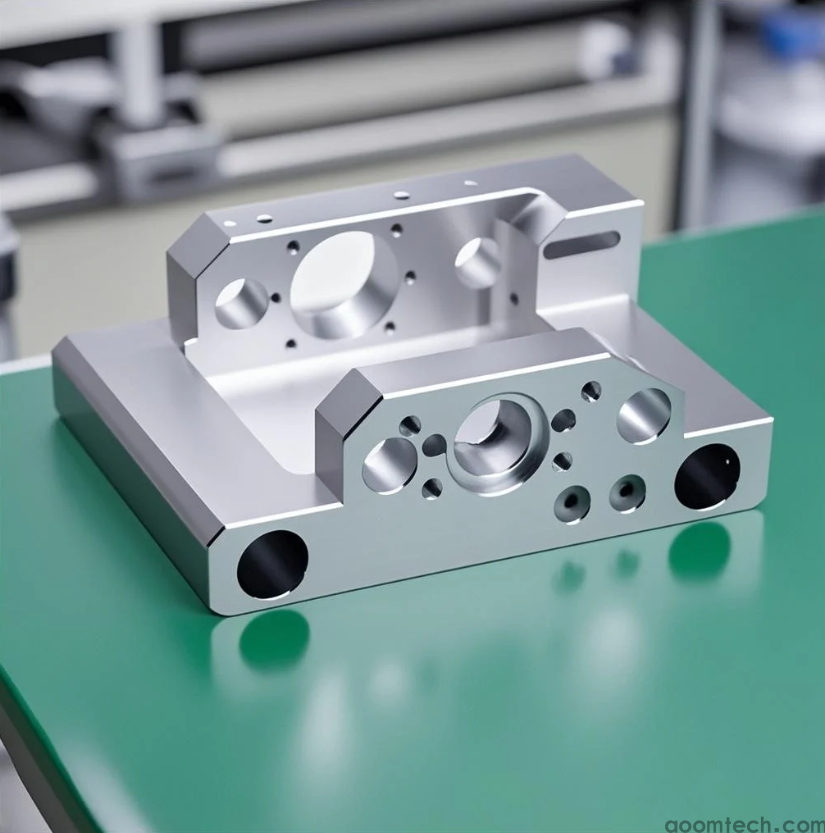
CNC Machining Aluminum Parts Services
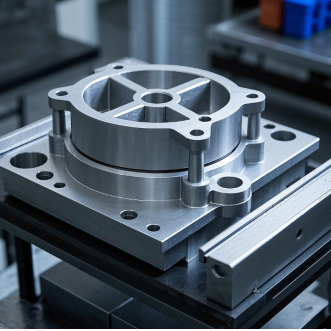
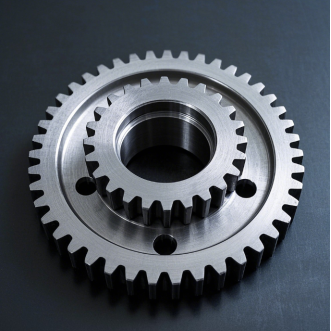
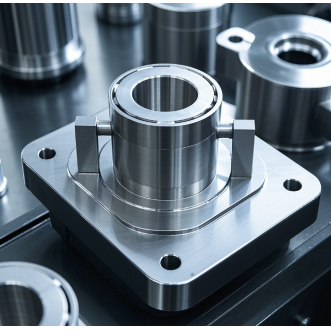
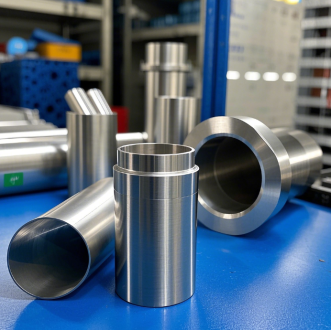
CNC Machining Aluminum Parts Services play an important role in modern manufacturing. These services help transform raw aluminum into high-precision parts used in aerospace, automotive, electronics, medical devices, and many consumer products. Because aluminum is lightweight, strong, and corrosion-resistant, it is one of the most popular materials for CNC machining.
This article explains the significance, advantages, process steps, benefits, challenges, and how to choose a reliable service provider for aluminum machining projects.
Introduction to CNC Machining Aluminum Parts Services
Aluminum is widely used in many industries because of its excellent properties, such as high strength-to-weight ratio, good thermal conductivity, and corrosion resistance. However, raw aluminum cannot be directly used in most applications. It must be shaped into precise components.
This is where CNC Machining Aluminum Parts Services become essential. CNC (Computer Numerical Control) machines use programmed instructions to cut, shape, and finish aluminum into highly accurate parts. These parts improve product performance, reliability, and innovation across different industries.
The Significance of CNC Machining for Aluminum Parts
Aluminum is used in aerospace structures, automotive components, electronic housings, and industrial equipment. CNC machining makes it possible to produce these parts with consistent quality and high precision.
Without CNC machining services, it would be difficult to achieve the tight tolerances and complex shapes required in modern engineering. CNC-machined aluminum parts help improve efficiency, reduce weight, and increase durability in final products.
Advantages of CNC Machining for Aluminum Parts
High Precision and Accuracy
One major advantage of CNC machining is its ability to produce aluminum parts with extremely high precision. The computer-controlled process ensures every cut follows exact design specifications.
For example, in the aerospace industry, an aircraft wing bracket made from aluminum must fit perfectly with other components. Even a small error could affect aerodynamic performance. CNC machining ensures such parts meet strict dimensional requirements and safety standards.
Complex Geometry Capability
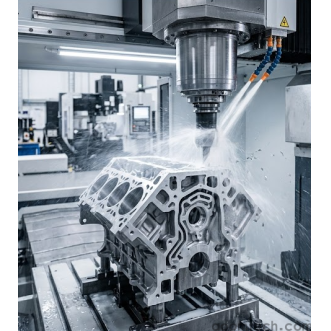
CNC machining allows manufacturers to create complex shapes that are difficult or impossible with manual methods. Aluminum engine blocks, electronic device housings, and industrial enclosures often include internal channels, curves, and detailed structures.
For example, a custom aluminum housing for a smart device can include internal ribs for strength, precise cutouts for connectors, and thin walls for lightweight design. CNC technology makes this level of detail achievable.
Fast Machining Speed
Aluminum is relatively soft compared to other metals, which allows faster cutting speeds. This improves production efficiency and reduces lead time.
For instance, an electronics company producing aluminum heat sinks can manufacture large batches quickly using CNC machines, helping them meet tight product launch deadlines.
Process Steps of CNC Machining Aluminum Parts
Design and CAD/CAM Programming
The process begins with CAD (Computer-Aided Design), where engineers create a 3D model of the aluminum part. Then CAM (Computer-Aided Manufacturing) software converts the model into machine instructions.
This step defines tool paths, cutting speeds, and machining strategies based on aluminum’s properties. For complex automotive suspension parts, programmers must carefully plan multiple tool movements to ensure strength and accuracy.
Material Selection and Preparation
Choosing the right aluminum alloy is critical. Different alloys offer different strength, corrosion resistance, and machinability. Common alloys include 6061 and 7075 aluminum.
Improper material selection may lead to cracks, deformation, or reduced durability. After selection, the material is cut and prepared for machining, sometimes undergoing heat treatment to improve performance.
Machining Operations
Milling
Milling is used to create flat surfaces, grooves, and complex 3D shapes. Carbide tools are commonly used for aluminum machining.
Higher cutting speeds and optimized feed rates help achieve smooth surface finishes while preventing material sticking.
Turning
Turning is used for cylindrical aluminum parts such as shafts and bushings. The material rotates while the cutting tool shapes it.
Precision control is required to ensure concentricity and smooth surface quality.
Drilling
Drilling creates precise holes for fasteners or fluid channels. Proper coolant use and correct feed rate help prevent tool damage and ensure clean hole edges.
Finishing Operations
After machining, finishing processes improve appearance and performance. Common methods include polishing, anodizing, and surface coating.
For example, anodizing an aluminum smartphone case improves corrosion resistance and provides an attractive metallic finish.
Benefits of Using CNC Aluminum Parts Services
Lightweight and High-Strength Solutions
One of the main benefits of using CNC aluminum parts services is the ability to produce lightweight yet strong components. This is especially important in aerospace and automotive industries.
For example, replacing steel components with aluminum parts in electric vehicles can reduce weight and improve battery range.
Customization for Specific Needs
CNC machining allows full customization based on design requirements. Every part can be tailored in size, shape, and function.
A manufacturing company may use custom aluminum fixtures to improve production accuracy and efficiency in assembly lines.
Cost-Effectiveness for Volume Production
For medium to large production runs, CNC machining is cost-effective due to repeatability and reduced waste.
High precision also reduces the need for rework, saving both time and cost in mass production environments.
Challenges in CNC Machining Aluminum Parts
Chip Formation and Evacuation
Aluminum chips can become long and sticky, making it difficult to remove them during machining. If not controlled, they may affect surface quality or damage tools.
Tool Wear
Although aluminum is soft, high-speed machining can still cause tool wear. Frequent tool replacement may increase production cost.
Surface Finish Requirements
Achieving a smooth surface can be challenging. Improper cutting speed or tool selection may cause scratches or rough surfaces, requiring careful process optimization.
Choosing a CNC Machining Service Provider for Aluminum Parts
Experience and Expertise
When selecting a provider, experience is very important. Skilled manufacturers understand how to handle aluminum machining challenges such as chip control and tool wear.
A reliable provider can also solve complex engineering problems and improve part performance through better machining strategies.
Quality Assurance
A good supplier should have strict quality control systems, including inspection during production and final inspection before delivery. Certified measurement tools ensure accuracy and consistency.
Cost-Effectiveness and Pricing Transparency
Pricing should be clear and transparent, including material costs, machining fees, and finishing costs. Comparing multiple suppliers helps ensure fair pricing and better value.
Conclusion: Selecting the Right CNC Machining Service for Aluminum Parts
In summary, CNC Machining Aluminum Parts Services are essential for producing high-quality, precise, and durable aluminum components. They offer many advantages, including high accuracy, complex design capability, fast production, and customization flexibility.
However, challenges such as chip control, tool wear, and surface finish must be properly managed. Understanding the full process helps businesses make better decisions when choosing a manufacturing partner.
When selecting a provider, consider experience, quality assurance systems, and pricing transparency. By carefully evaluating these factors, companies can achieve better performance, lower costs, and improved product quality.
Start by evaluating reliable CNC machining service providers for your aluminum part manufacturing needs today.
RELATED PRODUCTS
-
Medical Brass CNC Machining Parts
-
Precision CNC Machining PEEK Services
-
Precision Custom CNC Machined Car Parts
-
cnc machining optical housings
-
Precision CNC Casting Machining Services
-
Precision Gear CNC Machining Services
-
Precision Stainless Steel Parts CNC Mach
-
CNC Machining of Precision Aluminum Tube
-
CNC Machining of Large Precision Aluminu
-
CNC Machining & Manufacturing of Pre