CNC Machining Complex Parts
Introduction to CNC Machining Complex Parts
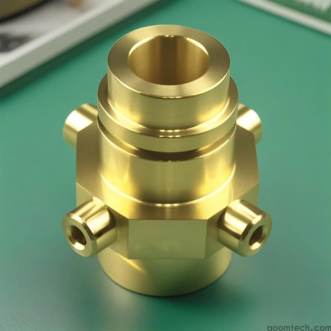
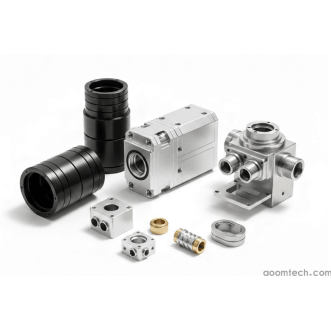
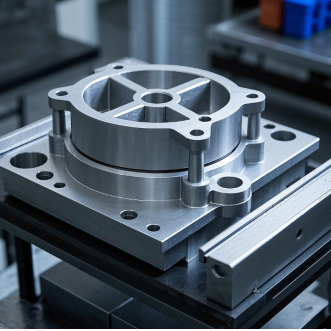
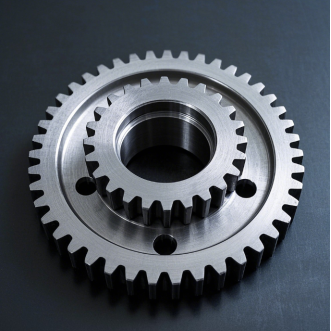
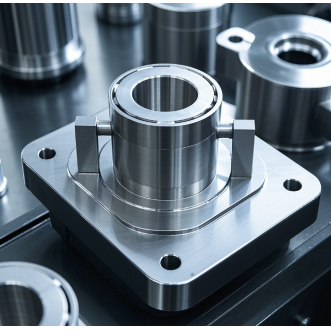
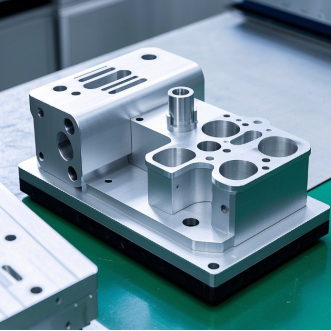
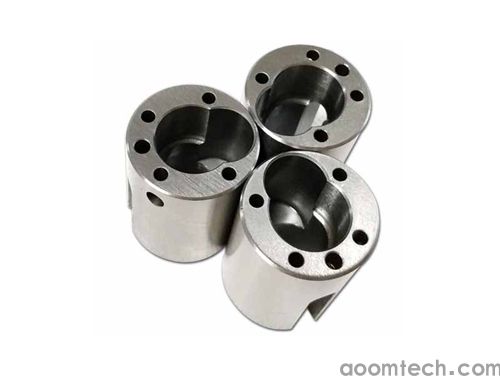
Complex parts are essential in modern industries such as aerospace, automotive, medical devices, and energy systems. These parts often have detailed shapes, tight tolerances, and high performance requirements. CNC Machining Complex Parts is the most reliable method to produce them with high accuracy and repeatability.
CNC (Computer Numerical Control) machining uses computer-controlled machines to cut, shape, and finish materials. It allows manufacturers to create parts that would be very difficult or impossible to make by hand. For example, in aerospace engines, CNC-machined turbine components help improve fuel efficiency, power output, and flight safety.
The Importance of CNC Machining Complex Parts in Industry
Many modern products depend on precision-engineered components. Without CNC machining, industries like aerospace and medical engineering would not be able to achieve the required safety and performance standards.
Aerospace: Engine parts, turbine blades, and structural components
Medical: Implants, surgical tools, and prosthetics
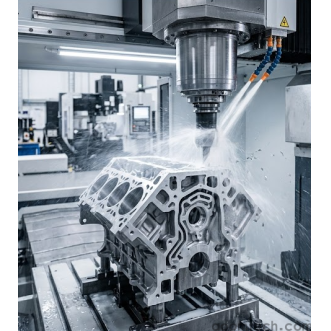
Automotive: Engine blocks, transmission parts, and sensors
These industries rely on the CNC machining process for complex parts to ensure accuracy, reliability, and long service life.
The CNC Machining Process for Complex Parts
Design and Programming
The process begins with CAD (Computer-Aided Design) software. Engineers create a detailed 3D model of the part. This design includes size, shape, tolerances, and functional requirements.
Next, CAM (Computer-Aided Manufacturing) software converts the CAD model into a CNC program. This program includes toolpaths, cutting speeds, feed rates, and machining steps. For complex geometries, programming becomes more advanced and may involve multiple-axis movement.
Any small design error can lead to production failure, so accuracy in this stage is very important.
Machine Setup and Tooling
High-precision CNC machines, such as 5-axis machining centers, are often used for complex parts. These machines can move in multiple directions, allowing them to create detailed shapes.
Proper setup includes selecting fixtures to hold the workpiece securely and choosing the right cutting tools. Common tools include:
End mills for general cutting
Ball-nose tools for curved surfaces
Small-diameter tools for fine details
Correct setup is essential to avoid errors, vibration, and tool damage.
Machining Operations
Milling
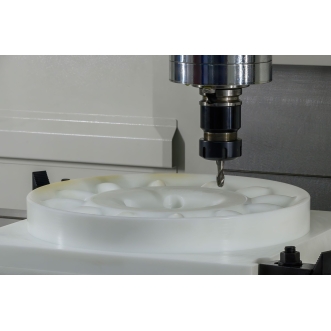
Milling is one of the most common operations in CNC machining complex parts. A rotating cutting tool removes material to create shapes such as slots, holes, and 3D surfaces.
Proper control of speed and feed rate is important to achieve smooth surfaces and accurate dimensions. Chip removal is also critical, especially in deep or narrow features.
Turning
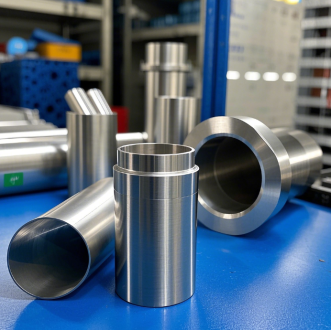
Turning is used for cylindrical parts. The workpiece rotates while the cutting tool shapes it. This process is used to create shafts, pins, and rotating components with high precision.
For complex parts, turning may involve multiple diameters, threads, and tapered shapes.
Electrical Discharge Machining (EDM)
EDM is used for very hard materials or complex internal shapes that are difficult to machine using traditional tools. It works by using electrical sparks to remove material.
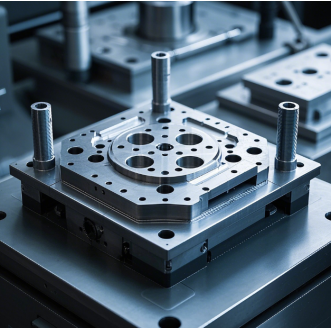
This method is common in mold making and precision cavities where high detail is required.
Materials Used in CNC Machining Complex Parts
Metals
Common metals include titanium, stainless steel, and aluminum alloys.
Titanium: Strong, lightweight, and corrosion-resistant; used in aerospace and medical parts
Stainless Steel: Durable and resistant to corrosion; used in medical and industrial applications
Aluminum: Lightweight and easy to machine; used in automotive and electronics
The material selection for complex CNC-machined parts affects machining speed, tool wear, and final performance.
Ceramics
Ceramics are extremely hard and heat-resistant. They are used in high-temperature environments and wear-resistant applications. However, they are brittle and require special diamond tools and careful machining to avoid cracking.
Composites
Composite materials like carbon fiber reinforced polymers are lightweight and strong. They are widely used in aerospace and high-performance vehicles.
Machining composites requires special care to prevent delamination and surface damage.
Challenges in CNC Machining Complex Parts
Complex Geometries
Intricate shapes such as curves, undercuts, and thin walls make machining more difficult. These features require advanced toolpath planning and high-end CAM software.
Material Hardness and Brittleness
Hard materials increase tool wear, while brittle materials may crack during machining. Proper tool selection and cutting strategy are essential to reduce these risks.
Heat Generation
High-speed cutting creates heat, which can affect accuracy and tool life. Coolant systems and optimized cutting parameters are used to control temperature.
These are key challenges in machining complex parts that manufacturers must manage carefully.
Quality Control in CNC Machining Complex Parts
In-Process Inspection
During machining, measurements are taken to ensure accuracy. Tools like coordinate measuring machines (CMM), laser scanners, and surface testers are used.
If any deviation is found, adjustments can be made immediately to avoid defective parts.
Final Inspection
After machining is complete, the part is checked for dimensions, surface quality, and structural integrity.
Parts that do not meet specifications are either reworked or rejected. This ensures only high-quality components reach customers.
Conclusion: Mastering CNC Machining Complex Parts
CNC machining plays a critical role in producing high-precision and complex components used across many industries. Understanding the full process—from design and programming to machining, materials, and quality control—is essential for success.
Key takeaways include the importance of accurate design, proper tool selection, suitable material choice, and strict quality control. Continuous improvement and operator training also help improve production efficiency and reliability.
By mastering CNC Machining Complex Parts, manufacturers can produce reliable, high-performance components that meet modern industrial demands.
Note: This article is based on established CNC machining principles commonly used in industrial manufacturing and engineering references such as machining handbooks, ISO machining standards, and industry best practices.
RELATED PRODUCTS
-
Medical Brass CNC Machining Parts
-
Precision CNC Machining PEEK Services
-
Precision Custom CNC Machined Car Parts
-
cnc machining optical housings
-
Precision CNC Casting Machining Services
-
Precision Gear CNC Machining Services
-
Precision Stainless Steel Parts CNC Mach
-
CNC Machining of Precision Aluminum Tube
-
CNC Machining of Large Precision Aluminu
-
CNC Machining & Manufacturing of Pre