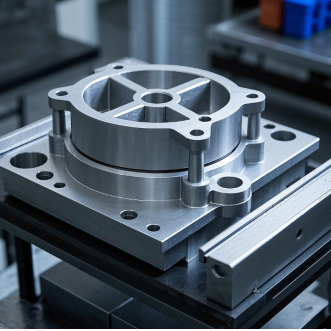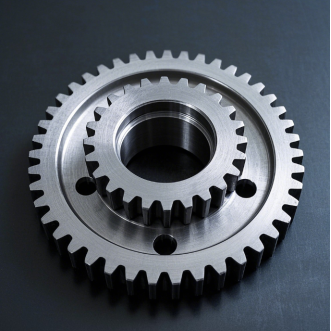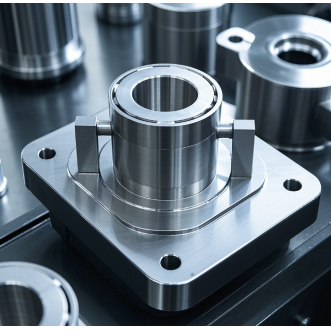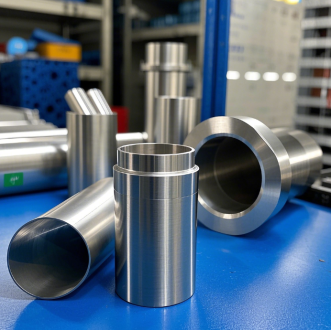
CNC Machining Electrical Enclosures
Introduction to CNC Machining Electrical Enclosures
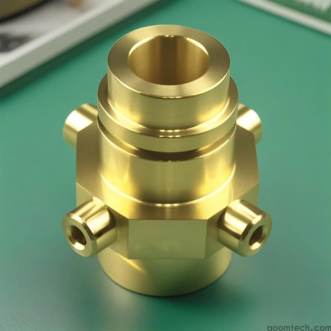
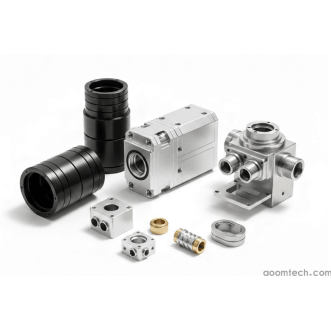
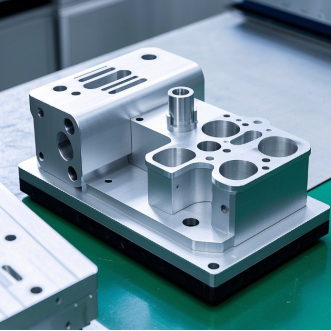
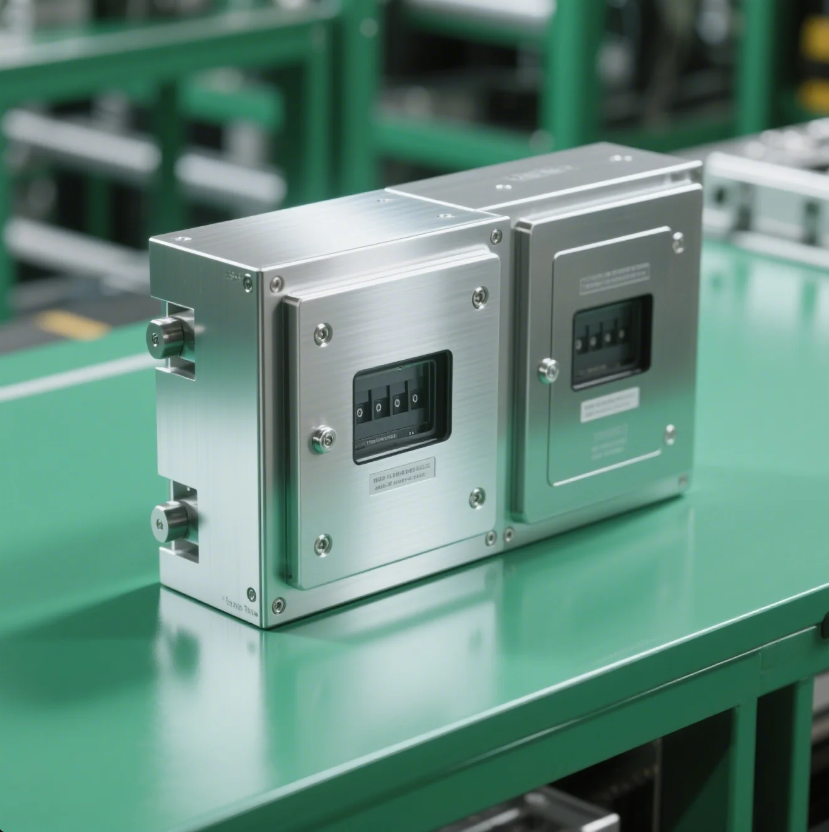
CNC Machining Electrical Enclosures refers to the use of computer-controlled machines to produce protective housings for electrical components. These enclosures are essential because they protect sensitive electrical parts from dust, moisture, heat, and physical damage.
The significance of CNC machining for electrical enclosures lies in its ability to deliver high precision, consistent quality, and flexible design options. In modern industries, CNC-machined electrical enclosures improve system safety, functionality, and even appearance. From industrial control panels to renewable energy systems, these enclosures play a key role in ensuring stable operation.
Significance of CNC Machining for Electrical Enclosures
Precision Manufacturing
The significance of CNC machining for electrical enclosures is most visible in precision. CNC machines can cut and shape materials with extremely small tolerances, ensuring every enclosure fits its internal components perfectly.
For example, in a control panel enclosure, CNC machining allows accurate placement of holes and slots for switches, displays, and wiring systems. This reduces installation errors and improves overall system reliability.
Customization Capabilities
Another key advantage is customization. Electrical systems are not all the same, so enclosures often need special designs.
With CNC machining, engineers can create unique shapes, ventilation patterns, and cable entry points. For example, an industrial machine may require a custom enclosure with extra airflow openings and reinforced mounting points. CNC technology makes this possible without complex manual work.
Process of CNC Machining Electrical Enclosures
Design and Programming
The process of CNC machining electrical enclosures begins with design. Engineers use CAD (Computer-Aided Design) software to build a 3D model of the enclosure. This model includes all important details such as size, mounting points, ventilation, and internal space for components.
Next, CAM (Computer-Aided Manufacturing) software converts the design into machine instructions. These instructions define tool paths, cutting speed, spindle speed, and feed rate. For complex enclosures with internal structures, programming must carefully plan tool movement to avoid collisions and ensure accuracy.
Material Selection and Preparation
Material choice is very important. Common materials include aluminum, steel, and plastic. Each material has different properties:
Aluminum: lightweight and corrosion-resistant
Steel: strong and durable
Plastic: lightweight and insulating
The hardness and strength of the material directly affect machining speed and tool selection. For example, steel requires slower cutting speeds and stronger tools compared to aluminum.
Fixture and Setup
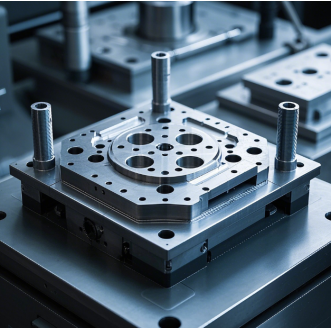
Proper setup is essential for accuracy. The material must be firmly fixed on the CNC machine using fixtures. A stable setup prevents vibration and movement during machining.
For example, a custom fixture may be designed to hold a large aluminum sheet flat during machining, ensuring the enclosure shape remains accurate and free from distortion.
Machining Operations
Milling
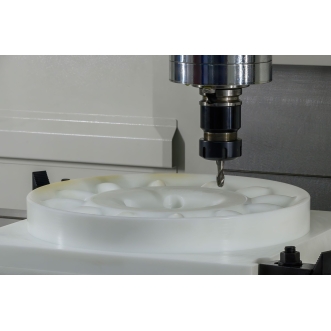
Milling is used to create flat surfaces, pockets, and slots. It is one of the most important operations in enclosure manufacturing. Cutting speed and feed rate must be adjusted carefully to achieve a smooth surface finish.
Drilling
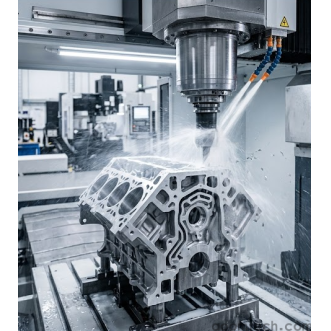
Drilling creates precise holes for screws, cables, and connectors. High accuracy is required to ensure proper assembly. Coolant is often used to reduce heat and improve tool life.
Cutting
Cutting operations shape the outer profile of the enclosure. Depending on material and design, laser cutting or waterjet cutting may also be used for cleaner edges and complex shapes.
Quality Control and Inspection
Quality control ensures that each enclosure meets design requirements. Tools such as calipers, micrometers, and optical comparators are used to check dimensions and surface quality.
For example, if an optical comparator detects a small shape deviation, adjustments can be made before mass production continues, preventing costly errors.
Benefits of CNC Machined Electrical Enclosures
High-Quality Output
The benefits of CNC-machined electrical enclosures include consistent high quality. Each enclosure is produced with precise control, ensuring reliable protection for electrical components.
For instance, data center enclosures require exact dimensions to protect sensitive servers, and CNC machining ensures this level of accuracy.
Cost-Effectiveness for Medium to Large Production
Once the CNC program is created, production becomes highly efficient. This reduces cost per unit, especially for medium and large batches.
Manufacturers can produce hundreds or thousands of identical enclosures with minimal variation, improving productivity and reducing waste.
Enhanced Aesthetics
CNC machining also improves appearance. Smooth surfaces, clean edges, and precise detailing make enclosures look professional.
This is especially important in consumer electronics, where product appearance affects customer perception and market value.
Challenges in CNC Machining Electrical Enclosures
Material-Specific Challenges
The challenges in CNC machining electrical enclosures vary depending on material. Plastic may melt or warp under heat, while steel can cause faster tool wear.
These issues can be solved by adjusting cutting speed, using coolant systems, and selecting appropriate cutting tools.
Meeting Tight Tolerances
Electrical enclosures often require very tight tolerances to ensure proper assembly. Maintaining these tolerances becomes more difficult with complex shapes.
Process optimization, machine calibration, and high-quality tooling are essential to achieve consistent accuracy.
Complex Feature Machining
Modern enclosures may include internal ribs, mounting bosses, and ventilation grids. These features require advanced programming and precise machining strategies.
For example, internal rib structures must be carefully planned to avoid tool collision while maintaining strength and functionality.
Applications of CNC Machined Electrical Enclosures
Industrial Automation
The applications of CNC-machined electrical enclosures are widely seen in industrial automation. They protect PLCs, control systems, and sensors in factories.
These enclosures help prevent damage from dust, vibration, and moisture, ensuring stable machine operation.
Telecommunications
In telecommunications, enclosures house routers, switches, and power systems. CNC machining ensures proper ventilation and cable management for reliable network performance.
Renewable Energy Systems
Solar and wind energy systems use electrical enclosures to protect inverters and control units. These environments are often harsh, so durable CNC-machined enclosures are essential for long-term performance.
Conclusion: The Value of CNC Machining Electrical Enclosures
CNC Machining Electrical Enclosures provides a reliable and efficient solution for producing high-quality protective housings for electrical systems. It combines precision, flexibility, and scalability to meet modern engineering needs.
By understanding the significance, process, benefits, challenges, and applications, manufacturers and engineers can make better decisions when designing and producing electrical enclosures. For most industrial and commercial uses, CNC machining remains one of the most effective manufacturing methods available today.
Whether for industrial automation, telecommunications, or renewable energy, CNC-machined enclosures continue to play a critical role in protecting essential electrical systems and ensuring long-term operational safety.
RELATED PRODUCTS
-
Medical Brass CNC Machining Parts
-
Precision CNC Machining PEEK Services
-
Precision Custom CNC Machined Car Parts
-
cnc machining optical housings
-
Precision CNC Casting Machining Services
-
Precision Gear CNC Machining Services
-
Precision Stainless Steel Parts CNC Mach
-
CNC Machining of Precision Aluminum Tube
-
CNC Machining of Large Precision Aluminu
-
CNC Machining & Manufacturing of Pre