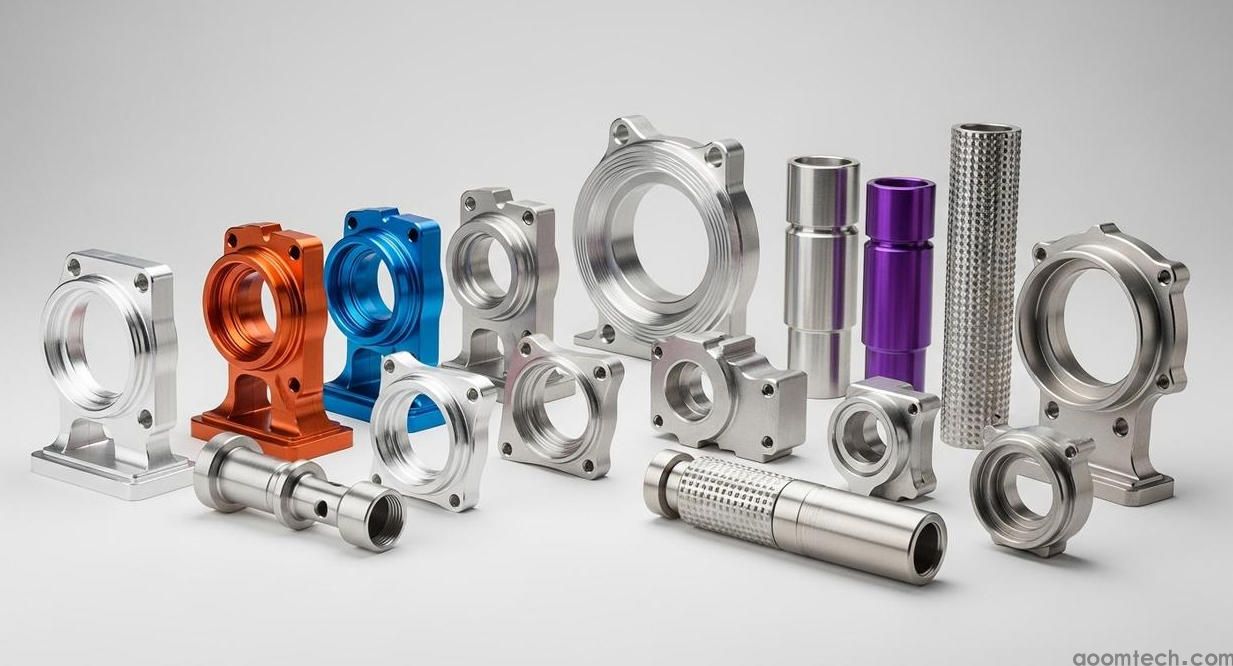
CNC Machining Fogger Components Services
Introduction to CNC Machining Fogger Components Services
CNC Machining Fogger Components Services refer to the professional manufacturing of precision parts used in fogging systems through computer-controlled machining technology. These foggers are widely used in humidification systems, agricultural spraying, industrial cooling, and disinfection equipment. The goal is to produce components that can generate a stable, fine mist with high efficiency and reliability.
Fogger systems depend on multiple small but highly precise parts. For example, ultrasonic foggers use vibration-based components to break liquid into tiny droplets, while pressure foggers rely on accurately machined nozzles to form consistent spray patterns. Without precision manufacturing, fog performance can become uneven or inefficient.
The Role of Fogger Components in Real Applications
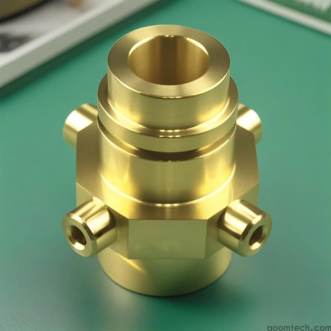
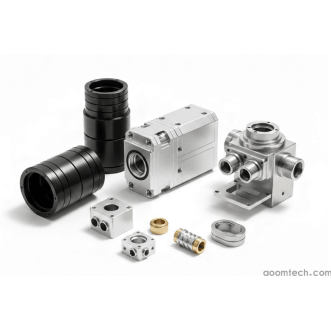
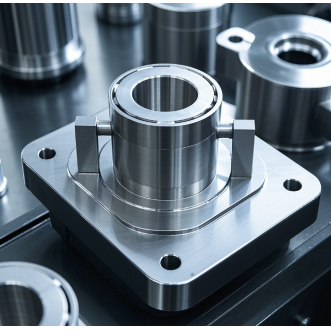
Fogger components are the core building blocks of any misting system. They include nozzles, housings, connectors, chambers, shafts, and vibration elements. Each part has a specific role in controlling liquid flow, pressure, and atomization.
In agriculture, foggers help distribute pesticides and nutrients evenly. In industrial cooling systems, they reduce temperature by releasing fine water mist. In indoor humidifiers, they maintain air moisture for comfort and equipment protection. All these applications require highly accurate parts to ensure stable performance.
Importance of CNC Machining for Fogger Components
Precision Manufacturing
CNC machining allows fogger components to be produced with extremely tight tolerances. For example, a fogger nozzle must be precisely shaped to control droplet size and spray angle. Even a small deviation can affect spray uniformity and reduce system efficiency.
High precision ensures stable fog output, better energy efficiency, and longer equipment life. Poorly made parts may lead to clogging, uneven spray, or mechanical failure.
Customization
Different fogging systems require different designs. CNC technology makes it possible to create custom shapes, sizes, and internal structures based on specific applications.
For example, agricultural foggers may need corrosion-resistant nozzles for chemical liquids, while industrial humidifiers may require compact housings for tight installation spaces. This flexibility is a major advantage of CNC Machining Fogger Components Services.
Consistent Quality
Once a CNC program is set, every part produced will follow the same design with high repeatability. This ensures consistent quality across mass production.
Consistency reduces assembly issues and improves the long-term reliability of fogger systems, especially in large-scale industrial applications.
CNC Machining Processes for Fogger Components
Milling
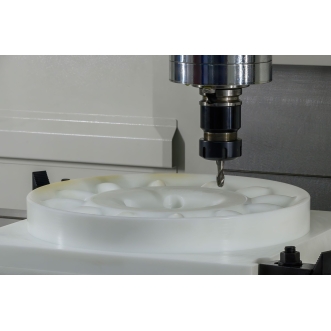
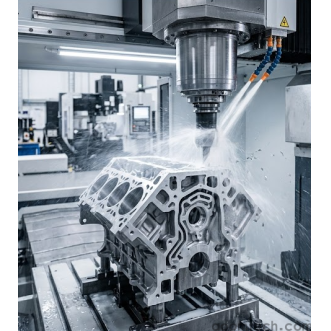
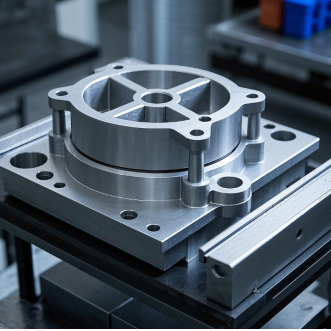
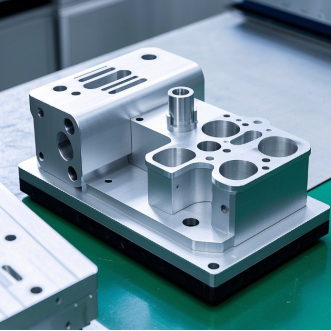
Milling is commonly used to shape flat surfaces, slots, and complex contours of fogger housings and structural parts. CNC milling machines remove material layer by layer using rotating cutting tools.
For fogger components, CNC milling for fogger components is used to create precise sealing surfaces, fluid channels, and external shapes. Proper control of spindle speed, feed rate, and cutting depth ensures smooth finishes and dimensional accuracy.
Turning
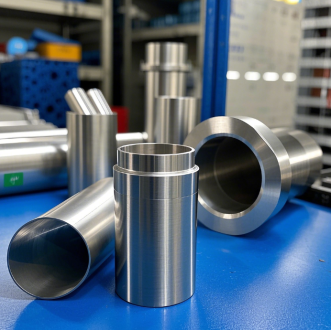
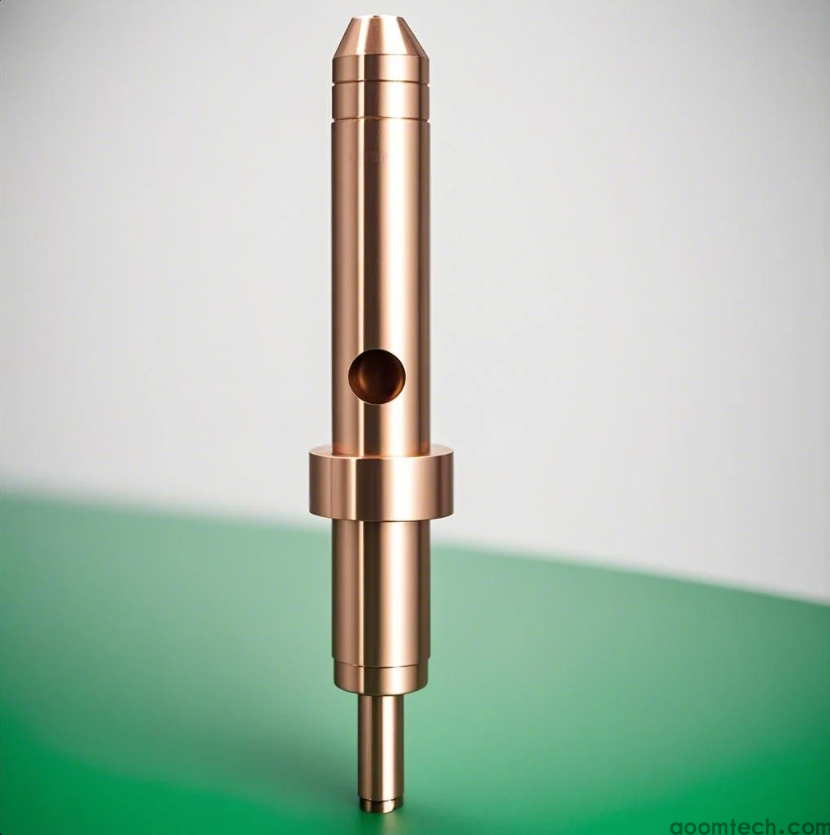
Turning is used for cylindrical parts such as nozzles, shafts, and connectors. The workpiece rotates while cutting tools shape its outer and inner surfaces.
Precision is important in turning operations to maintain concentricity and smooth surface finish. This ensures stable liquid flow and consistent spray performance in fogging systems.
Drilling and Boring
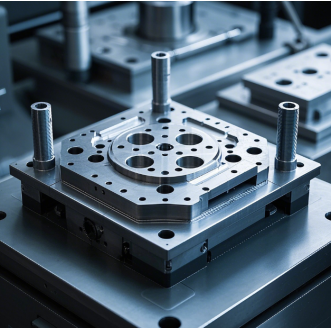
Drilling is used to create holes for liquid flow, assembly, or mounting. Boring is then used to enlarge and refine these holes to exact dimensions.
Accurate hole size and position are essential because they directly affect fog distribution and system pressure. Proper machining prevents leakage and flow imbalance.
Materials Used in CNC Machining Fogger Components
Metals
Common metals include stainless steel, aluminum, and brass. These materials are widely used in fogger systems due to their strength and durability.
Stainless steel: Excellent corrosion resistance, ideal for chemical or water-based fogging systems.
Aluminum: Lightweight and thermally conductive, suitable for compact or heat-sensitive designs.
Brass: Easy to machine and offers good corrosion resistance for general fogging applications.
These materials for CNC-machined fogger parts are selected based on environmental conditions and fluid types.
Plastics
Plastics such as polycarbonate, nylon, and PVC are also widely used in fogger components due to their low cost and flexibility.
Polycarbonate: High impact resistance, ideal for protective housings.
Nylon: Good wear resistance and flexibility for moving parts.
PVC: Cost-effective and chemically resistant for basic applications.
Plastic machining requires careful control to avoid melting, warping, or surface defects.
Ceramics
Ceramic materials are used in specialized fogger systems that require high wear resistance, heat stability, or chemical resistance.
However, ceramics are brittle and difficult to machine, requiring specialized CNC tools and slow cutting speeds to avoid cracking or damage.
Choosing a CNC Machining Service Provider for Fogger Components
Technical Expertise
A reliable provider must understand fogger system design and CNC machining technology. Experience with different materials and complex geometries is essential.
When evaluating a supplier, check past projects, technical capability, and sample parts to ensure they can meet precision requirements.
Quality Assurance
A strong quality control system is critical in fogger component production. Reputable manufacturers use measuring tools such as calipers, micrometers, and optical inspection systems.
They should also perform in-process and final inspections to ensure all parts meet design specifications. Defective parts must be properly identified and rejected.
Cost-effectiveness and Lead Times
While cost is important, it should not compromise quality. The best suppliers balance competitive pricing with reliable performance and durability.
When selecting a partner, compare quotes, check delivery history, and evaluate production capacity. This is key when choosing a provider for CNC fogger component machining.
Conclusion
CNC Machining Fogger Components Services play a vital role in producing high-performance fogging systems used in agriculture, industry, and environmental control. Through precise machining processes like milling, turning, and drilling, manufacturers can produce reliable and efficient components.
By selecting the right materials, maintaining strict quality control, and choosing an experienced service provider, businesses can ensure long-lasting and efficient fogger performance. With modern CNC technology, customized and high-precision fogger components are more accessible than ever before.
RELATED PRODUCTS
-
Medical Brass CNC Machining Parts
-
Precision CNC Machining PEEK Services
-
Precision Custom CNC Machined Car Parts
-
cnc machining optical housings
-
Precision CNC Casting Machining Services
-
Precision Gear CNC Machining Services
-
Precision Stainless Steel Parts CNC Mach
-
CNC Machining of Precision Aluminum Tube
-
CNC Machining of Large Precision Aluminu
-
CNC Machining & Manufacturing of Pre