CNC Machining for Aluminum Alloy Parts
Introduction to CNC Machining for Aluminum Alloy Parts
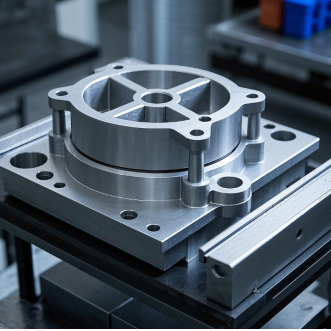
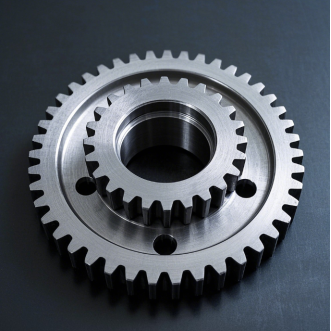
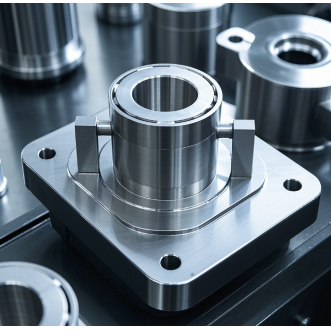
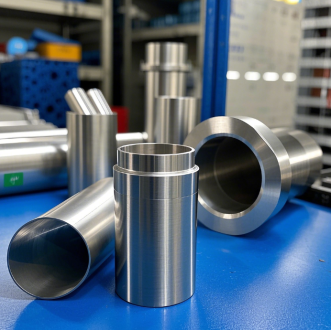
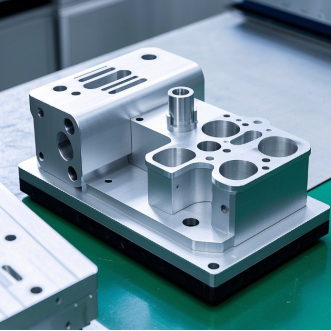
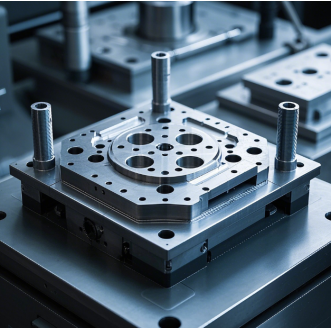
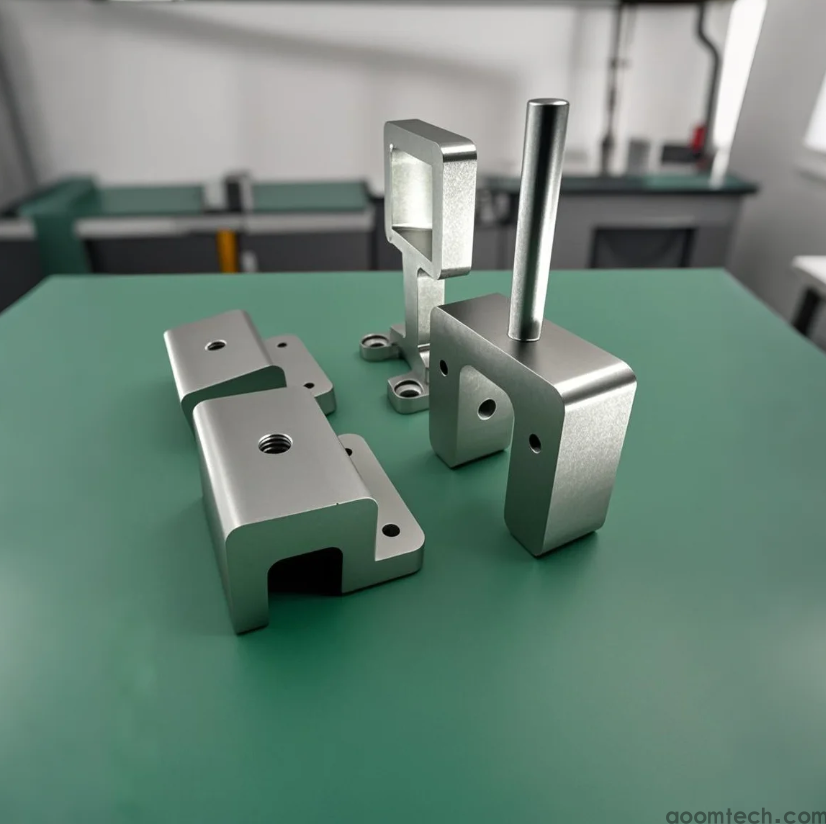
CNC Machining for Aluminum Alloy Parts is a modern manufacturing method used to produce high-precision components from aluminum materials. CNC stands for Computer Numerical Control, which means machines are controlled by programmed instructions instead of manual operation.
Aluminum alloys are widely used in many industries because they are lightweight, strong, and resistant to corrosion. When combined with CNC technology, they can be turned into highly accurate and reliable parts. This combination plays an important role in the development of modern products, from electronic devices to aircraft systems.
The Significance of CNC-Machined Aluminum Alloy Parts
Aluminum alloy parts are essential in today’s engineering world due to their excellent properties, such as high strength-to-weight ratio and good durability. CNC machining allows manufacturers to produce these parts with high precision and consistency. This ensures that each part meets strict design requirements and performs reliably in real-world applications.
Advantages of CNC Machining for Aluminum Alloy Parts
High Precision Manufacturing
One of the key advantages of CNC machining for aluminum alloy parts is high precision. CNC machines follow exact digital instructions, ensuring every cut and shape matches the design. This is especially important in industries like electronics, where aluminum heat sinks must fit perfectly to ensure proper heat dissipation. High precision also reduces waste and improves product quality.
Complex Design Realization
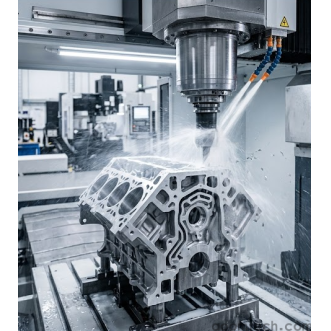
CNC machining makes it possible to produce complex shapes that are difficult or impossible with traditional methods. For example, in the automotive industry, aluminum alloy engine components often require intricate internal channels for airflow or fluid movement. CNC technology allows these designs to be manufactured accurately, improving performance and efficiency.
Fast Machining Speed
Aluminum alloys are relatively easy to machine compared to harder metals. This allows faster cutting speeds and shorter production times. In industries such as furniture manufacturing or consumer products, this speed helps increase productivity while keeping costs under control.
CNC Machining Process for Aluminum Alloy Parts
Design and CAD/CAM Programming
The CNC machining process for aluminum alloy parts begins with product design. Engineers use CAD software to create a 3D model of the part. Then CAM software converts this model into machine instructions. These instructions define tool paths, cutting speeds, and feed rates based on aluminum’s material properties.
Material Selection and Preparation
Choosing the right aluminum alloy is important for performance. Common types include 6061 for general use, 7075 for high strength applications, and 2024 for aerospace use. After selection, raw materials are cut and prepared to ensure they are free from defects before machining begins.
Machining Operations
Milling
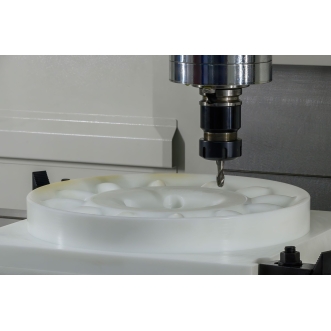
Milling is used to create flat surfaces, grooves, and complex 3D shapes. Tools like end mills are commonly used. Proper cutting speed and feed rate are important to avoid surface damage and ensure smooth finishes.
Turning
Turning is used for cylindrical parts such as shafts. The workpiece rotates while the cutting tool shapes it. Sharp tools and proper cooling help improve accuracy and chip control.
Drilling
Drilling is used to create holes in aluminum parts. Correct drill size, speed, and feed pressure ensure clean and accurate holes without damaging the material.
Finishing and Quality Control
After machining, finishing processes such as deburring, polishing, and anodizing improve appearance and durability. Quality control checks ensure all dimensions and surface finishes meet design requirements. Tools like calipers and micrometers are used to detect any errors before parts are delivered.
Applications of CNC-Machined Aluminum Alloy Parts
Aerospace Industry
The applications of CNC-machined aluminum alloy parts in aerospace include structural components, engine parts, and fuselage elements. Their lightweight nature helps reduce aircraft weight, improving fuel efficiency and performance.
Automotive Industry
In the automotive industry, aluminum alloy parts are used in engines, wheels, and suspension systems. CNC machining ensures high precision, which improves safety, performance, and fuel economy.
Electronics Industry
Aluminum alloy parts are widely used in electronics for heat sinks, enclosures, and connectors. CNC-machined heat sinks help electronic devices stay cool and operate efficiently, especially in high-performance systems.
Choosing a CNC Machining Service for Aluminum Alloy Parts
Experience and Expertise
When choosing a CNC machining service for aluminum alloy parts, experience is very important. Skilled manufacturers understand how to handle aluminum’s machining characteristics and can avoid common issues like tool wear or poor surface finish.
Quality Assurance
A reliable provider should have strong quality control systems. This includes regular inspections during production and final testing to ensure all parts meet specifications.
Cost and Pricing Transparency
Transparent pricing helps customers understand what they are paying for. It is important to compare quotes and check whether material, machining, and finishing costs are clearly listed.
Delivery Time and Customer Service
Fast delivery and good communication are essential. A good service provider should provide updates and respond quickly to questions, ensuring smooth project progress.
Cost Factors in CNC Machining of Aluminum Alloy Parts
Part Complexity
The complexity of a design directly affects cost. Parts with tight tolerances or detailed structures require more machining time and advanced tools, increasing overall expense.
Material Cost
Different aluminum alloys have different prices. High-strength aerospace-grade materials are more expensive than standard grades. Material quantity also affects total cost.
Volume of Production
Production volume plays a major role in pricing. Larger orders often reduce the cost per unit because setup costs are shared across more parts.
Conclusion: Making the Right Choice
CNC Machining for Aluminum Alloy Parts is a highly efficient and precise manufacturing solution used across many industries. It offers advantages such as high accuracy, complex design capability, and fast production speed.
By understanding the process, applications, service selection, and cost factors, businesses can make better decisions when choosing a machining partner. Careful evaluation ensures high-quality parts, better performance, and long-term value for any project.
RELATED PRODUCTS
-
Medical Brass CNC Machining Parts
-
Precision CNC Machining PEEK Services
-
Precision Custom CNC Machined Car Parts
-
cnc machining optical housings
-
Precision CNC Casting Machining Services
-
Precision Gear CNC Machining Services
-
Precision Stainless Steel Parts CNC Mach
-
CNC Machining of Precision Aluminum Tube
-
CNC Machining of Large Precision Aluminu
-
CNC Machining & Manufacturing of Pre