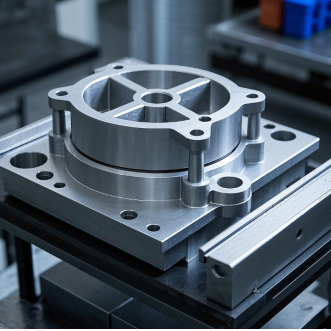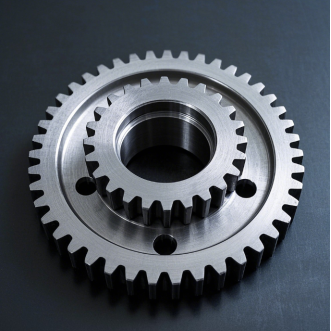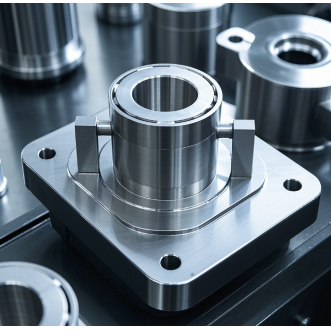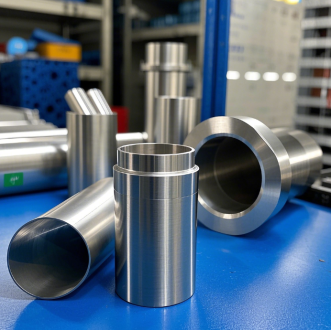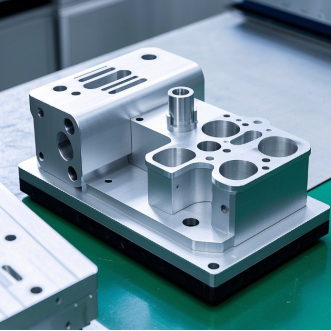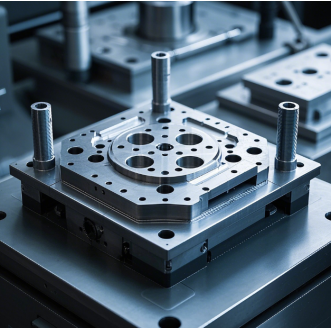
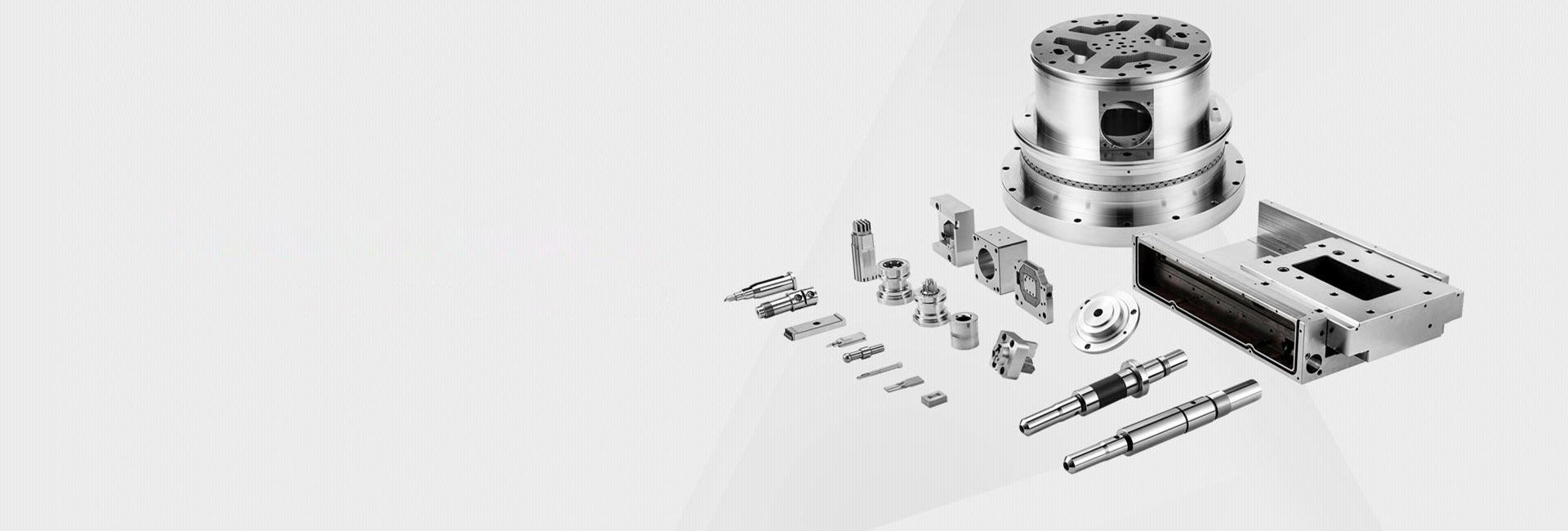
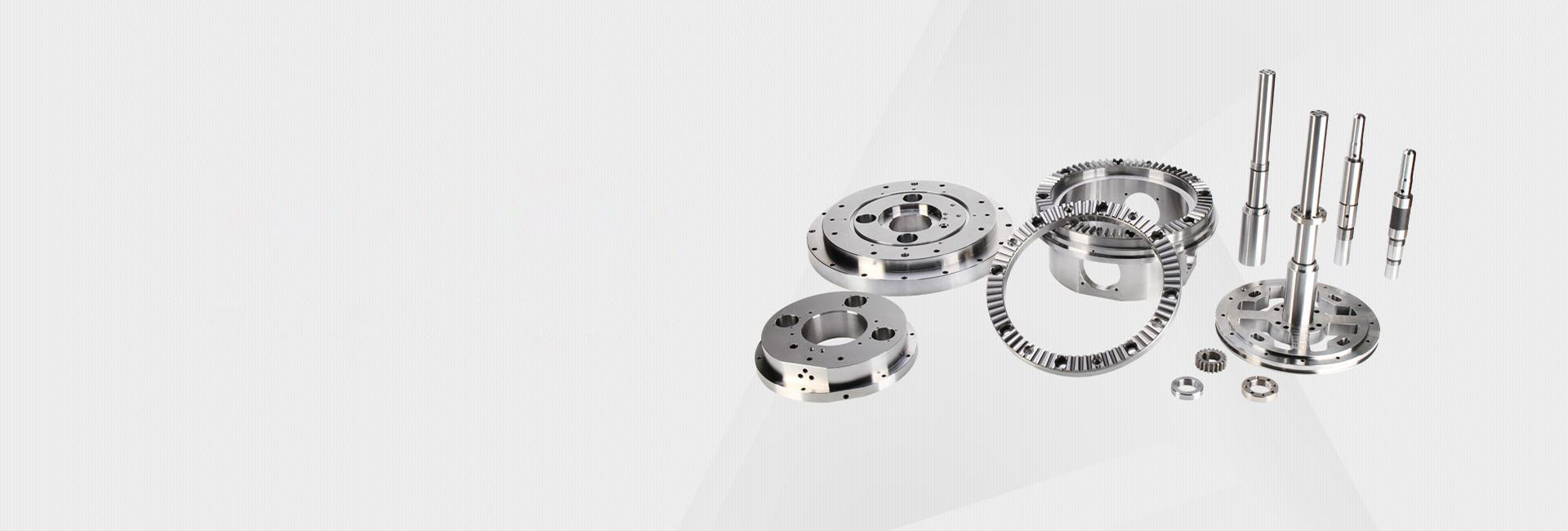
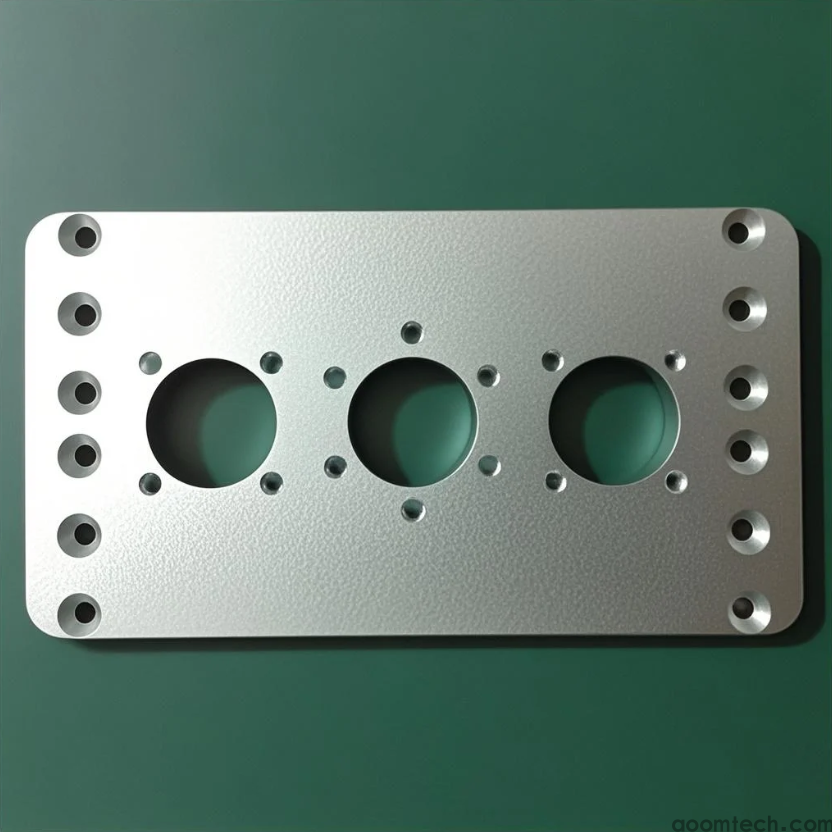
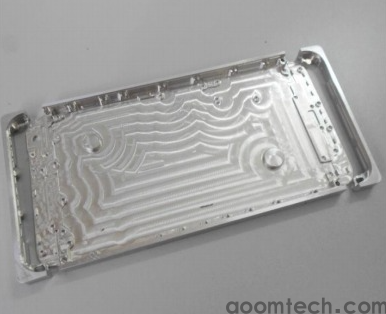
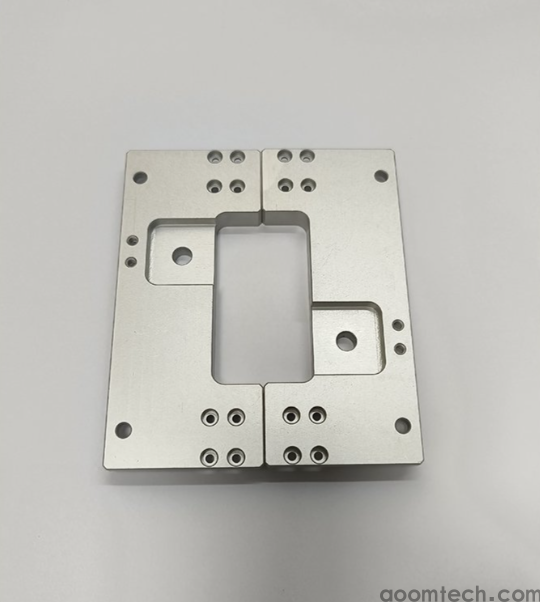
CNC Machining for Aluminum Plate parts
Introduction to CNC Precision Machining Parts Factory
A CNC Precision Machining Parts Factory is a manufacturing facility that uses Computer Numerical Control (CNC) machines to produce high-accuracy parts. These machines are controlled by computers, which follow detailed design instructions to cut, shape, and finish materials such as metal and plastic.
These factories are important in modern industry because they provide essential parts used in machines, vehicles, medical devices, electronics, and many other products. Without them, many advanced technologies would not exist or function properly.
Operations of a CNC Precision Machining Parts Factory
Order Processing and Design Collaboration
The process begins when customers send part drawings or CAD models. Engineers in the factory review these designs and may work with customers to improve them. This helps make the design easier and more cost-effective to manufacture.
For example, a customer may submit a complex metal bracket design. The factory may suggest small changes in shape to reduce machining time while keeping full strength and precision.
Material Procurement and Quality Assurance
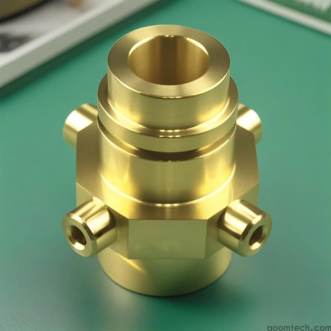
Factories select materials based on part requirements, such as aluminum, stainless steel, brass, or engineering plastics. Each material affects durability, strength, and machining performance.
All incoming materials are checked for quality. For example, low-quality steel may contain impurities that reduce strength after machining, so strict inspection is necessary before production begins.
CNC Programming and Machine Setup
Engineers convert designs into CNC programs using CAM software. These programs control tool movement, speed, and cutting depth.
Before production starts, machines are carefully set up with correct tools and fixtures. For a complex aerospace part, multi-axis machining programs may be used to ensure high precision and reduce repositioning errors.
Machining Processes
Milling
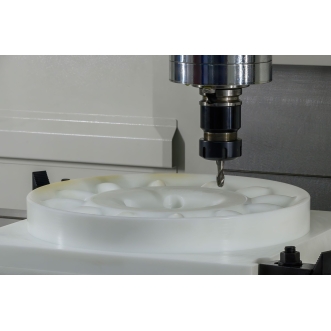
Milling uses rotating cutting tools to remove material and create shapes like slots, holes, and flat surfaces. Cutting speed and tool selection are adjusted based on material hardness and required surface finish.
Turning
Turning rotates the material while a cutting tool shapes it into cylindrical forms. Precision depends on correct feed rate and cutting depth control.
Drilling and Boring
Drilling creates holes, while boring improves hole size and accuracy. These processes require stable machines and precise positioning to ensure correct dimensions.
Quality Control and Inspection
Quality control is essential in every CNC Precision Machining Parts Factory. Parts are measured using calipers, micrometers, and coordinate measuring machines (CMM).
For example, if a CMM detects a small size deviation, engineers adjust machine settings immediately to ensure all future parts meet specifications.
Benefits of a CNC Precision Machining Parts Factory
High Precision and Quality
These factories can achieve very tight tolerances, often within micrometers. This is critical for industries like medical and aerospace, where accuracy is essential for safety and performance.
Complex Part Production
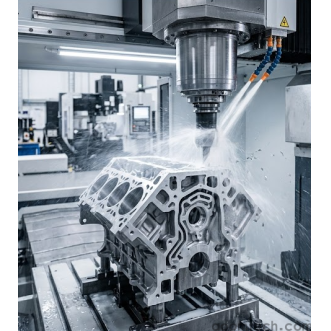
CNC machines can create complex shapes that are difficult or impossible with manual methods. This includes internal channels, curved surfaces, and multi-angle structures.
Cost-Effectiveness for Medium to Large Production
Once programming is complete, machines can produce large quantities efficiently. This reduces cost per part and improves production speed.
Challenges Faced by a CNC Precision Machining Parts Factory
Advanced Equipment and Maintenance
CNC machines are expensive and require regular maintenance. If a machine breaks down, production delays may occur.
Skilled Labor Requirement
Factories need experienced engineers, programmers, and technicians. A shortage of skilled workers can affect production quality and speed.
Meeting Tight Deadlines
Customers often require fast delivery. Balancing speed and precision is a major challenge in daily operations.
How to Select a CNC Precision Machining Parts Factory
Check Experience and Reputation
Choose a factory with experience in your industry. Experienced manufacturers are more likely to understand technical requirements and avoid common mistakes.
Evaluate Equipment and Technology
Modern machines, such as 5-axis CNC systems, improve accuracy and allow more complex designs. Advanced equipment also increases efficiency.
Review Quality Control Systems
A reliable factory should follow strict quality standards, such as ISO-based systems. Strong inspection processes help ensure consistent product quality.
Conclusion
A CNC Precision Machining Parts Factory plays a key role in modern manufacturing by producing accurate, durable, and complex components. Understanding its operations, benefits, challenges, and selection criteria helps businesses make better sourcing decisions.
When choosing a supplier, always consider experience, technology, and quality systems to ensure long-term success.
CNC Machining Custom Manufacturers
Introduction to CNC Machining Custom Manufacturers
CNC Machining Custom Manufacturers are companies that produce custom-made parts using CNC technology. They focus on creating products based on unique customer designs rather than standard mass-produced items.
These manufacturers are important in industries such as automotive, aerospace, electronics, and medical devices, where special designs and high precision are required.
Significance of CNC Machining Custom Manufacturers
Meeting Unique Customer Needs
These manufacturers can produce parts with special sizes, shapes, and functions that are not available in standard catalogs. This helps companies develop unique products.
For example, a medical device company may need a custom surgical tool component that requires extreme precision and biocompatible materials.
Enabling Product Innovation
CNC Machining Custom Manufacturers help turn new ideas into real products. Engineers can test and improve prototypes quickly.
For example, in automotive design, custom CNC parts can improve both performance and aesthetics of high-end vehicles.
Operations of CNC Machining Custom Manufacturers
Design and Consultation
The process starts with customer ideas, sketches, or technical drawings. Engineers help refine the design to make it suitable for manufacturing while controlling cost and complexity.
CAD/CAM Design and Programming
Designs are converted into 3D models using CAD software. Then CAM software creates CNC instructions for machining tools.
For complex parts, such as components with internal channels, programming requires careful toolpath planning to avoid errors and ensure smooth surfaces.
Material Procurement and Inspection
Materials are selected based on performance needs. Metals like aluminum and steel are common, while plastics are used for lighter applications.
Material quality is tested before production because poor material can lead to weak or defective parts.
Machining and Quality Control
Machining Operations
Milling, turning, drilling, and grinding are used to shape custom parts. Each process must be carefully controlled for accuracy and surface quality.
Quality Control
Finished parts are measured using precision instruments. If errors are found, adjustments are made immediately to improve production accuracy.
Benefits of Using CNC Machining Custom Manufacturers
High-Precision Customization
These manufacturers can produce parts that match exact specifications, even for highly complex designs.
Cost-Effective for Small to Medium Orders
Unlike mass production methods, CNC machining does not require expensive molds, making it suitable for smaller batches.
Technical Support and Expertise
Experts help customers improve designs and solve manufacturing problems, ensuring better final results.
Challenges Faced by CNC Machining Custom Manufacturers
Complex Design Interpretation
Understanding detailed customer designs can be difficult. Miscommunication may lead to production errors.
Meeting Tight Deadlines
Custom orders often require fast turnaround, which can be challenging when designs are complex.
Skilled Labor Shortage
Experienced CNC programmers and machinists are essential but sometimes difficult to find and retain.
How to Select a CNC Machining Custom Manufacturer
Evaluate Experience and Reputation
Choose manufacturers with proven experience in your industry. This increases the chance of successful project delivery.
Assess Equipment and Technology
Modern CNC machines, especially multi-axis systems, improve accuracy and allow more complex manufacturing capabilities.
Review Quality Management System
A strong quality system ensures consistent results. Certifications and inspection processes help verify reliability.
Conclusion
CNC Machining Custom Manufacturers play a vital role in modern industry by turning unique ideas into precise physical parts. They support innovation, improve product development, and provide flexible manufacturing solutions.
By understanding their operations, benefits, and challenges, businesses can make informed decisions when selecting the right manufacturing partner.
RELATED PRODUCTS
-
Medical Brass CNC Machining Parts
-
Precision CNC Machining PEEK Services
-
Precision Custom CNC Machined Car Parts
-
cnc machining optical housings
-
Precision CNC Casting Machining Services
-
Precision Gear CNC Machining Services
-
Precision Stainless Steel Parts CNC Mach
-
CNC Machining of Precision Aluminum Tube
-
CNC Machining of Large Precision Aluminu
-
CNC Machining & Manufacturing of Pre