CNC Machining for Conveyor Table Parts
Introduction to CNC Machining for Conveyor Table Parts
Conveyor tables are essential equipment in many industries, including manufacturing, logistics, packaging, warehousing, and food processing. They help move products smoothly and efficiently from one stage to another in a production line. Because these systems run continuously and often carry heavy loads, their parts must be strong, accurate, and reliable.
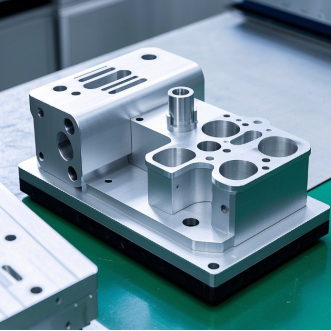
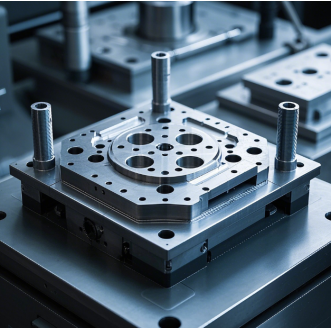
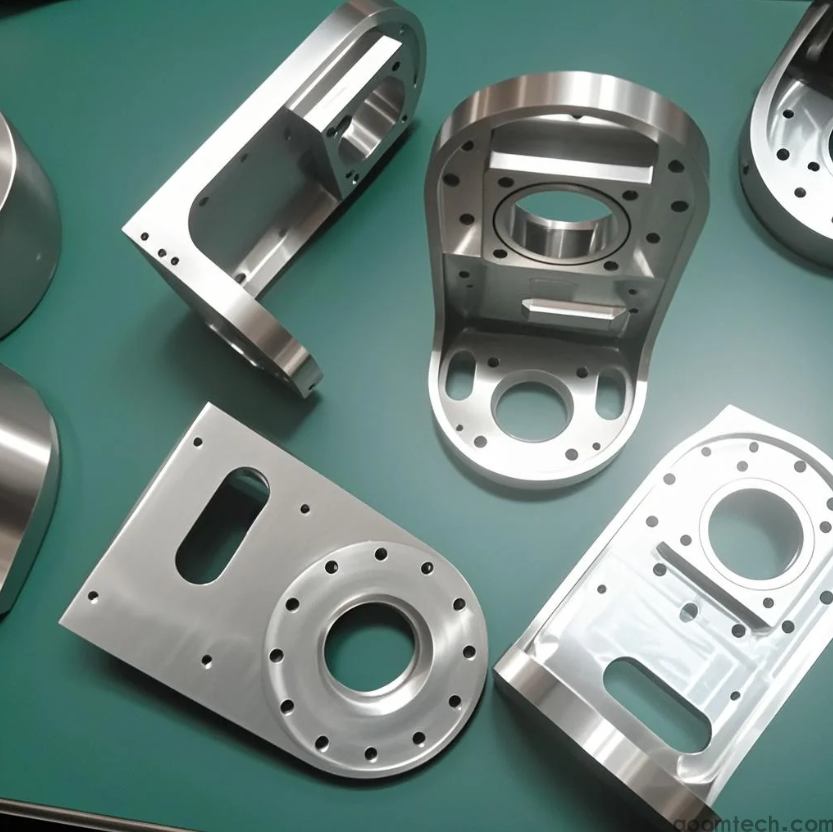
CNC Machining for Conveyor Table Parts provides a modern and precise way to manufacture these critical components. CNC (Computer Numerical Control) machines use programmed instructions to cut and shape materials with high accuracy. This ensures that every part fits perfectly and works smoothly within the conveyor system.
High-quality CNC-machined conveyor components improve system stability, reduce downtime, and increase productivity across different industries. In short, they are key to making conveyor systems more reliable and efficient.
Advantages of CNC Machining for Conveyor Table Parts
High Precision Manufacturing
One of the main advantages of CNC machining for conveyor table parts is its high precision. CNC machines follow digital instructions to produce parts with very tight tolerances. This precision is important because even small errors can affect conveyor alignment and performance.
For example, in a high-speed packaging line, accurately machined rollers help products move smoothly without jams. A CNC-machined conveyor pulley with precise dimensions can reduce belt slippage and improve overall system efficiency.
Customization Capability
CNC machining allows full customization of conveyor table parts. Different industries often require unique designs based on production layout, product type, and load requirements.
For instance, a food processing plant may need a specially shaped conveyor support structure to fit into a limited space. Using CNC technology, manufacturers can easily create custom parts that match exact specifications without changing the entire system design.
Material Flexibility
CNC machining supports a wide range of materials, including stainless steel, carbon steel, aluminum, and engineering plastics. Each material serves different needs.
For example, aluminum is often used for lightweight conveyor parts, helping reduce energy use in large warehouse systems. Stainless steel is preferred in food and medical industries due to its corrosion resistance and hygiene benefits.
Process of CNC Machining Conveyor Table Parts
Design and CAD/CAM Programming
The process of CNC machining conveyor table parts starts with design. Engineers use CAD (Computer-Aided Design) software to create a detailed 3D model of the part. This design includes size, shape, load requirements, and working environment.
Next, CAM (Computer-Aided Manufacturing) software converts the design into machine instructions. These instructions define tool paths, cutting speeds, and feed rates. This step ensures the machine produces the part exactly as designed.
Material Selection and Preparation
Choosing the right material is critical for performance and durability. The material must match the load, speed, and working conditions of the conveyor system.
Before machining, materials may be cut into manageable sizes or treated to improve machinability. For example, harder steels may require slower cutting speeds and stronger tools to maintain accuracy.
Machining Operations
Milling
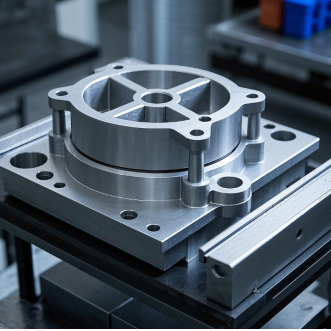
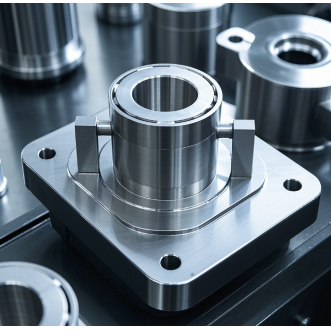
Milling is used to create flat surfaces, grooves, and complex shapes in conveyor frames and supports. It is one of the most common CNC operations in conveyor part production.
Turning
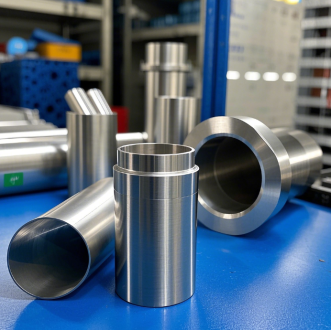
Turning is used for cylindrical parts like rollers and shafts. The material rotates while cutting tools shape it into precise round components.
Drilling
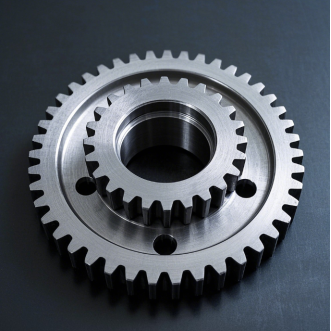
Drilling creates holes for fasteners, bearings, and assembly connections. Accuracy in hole placement is important for proper assembly and alignment.
Finishing Operations
After machining, finishing processes improve performance and durability. Polishing reduces friction, while coatings or painting protect against corrosion and wear.
For example, in beverage factories, coated conveyor parts resist corrosion caused by moisture and cleaning chemicals, extending their service life.
Benefits of CNC-Machined Conveyor Table Parts
The benefits of CNC-machined conveyor table parts are significant for long-term industrial use.
Enhanced Durability and Longevity
High precision and quality materials make CNC-machined parts more durable. They experience less wear and last longer, reducing maintenance and replacement frequency.
Improved Conveyor System Performance
Smooth and accurate components reduce friction and vibration. This leads to better product flow, fewer production errors, and higher efficiency.
For example, an e-commerce warehouse using CNC-machined conveyor parts can handle higher order volumes with fewer interruptions.
Cost-Effectiveness in the Long Run
Although initial costs may be higher, CNC-machined parts reduce long-term expenses. Lower maintenance, fewer breakdowns, and improved efficiency result in overall cost savings.
Challenges in CNC Machining Conveyor Table Parts
Complex Part Geometries
Some conveyor parts have complex shapes that require advanced programming and multiple setups. This increases production difficulty and the chance of errors.
Tool Wear and Maintenance
Hard materials like steel can cause tool wear during machining. Regular tool replacement and maintenance increase production costs and may affect delivery time.
Cost of Setup and Programming
The challenges in CNC machining conveyor table parts also include high initial setup costs. Custom designs require detailed programming, which can be expensive for small production batches.
Choosing a CNC Machining Service for Conveyor Table Parts
Experience in Conveyor System Manufacturing
When choosing a CNC machining service for conveyor table parts, experience is very important. A skilled provider understands load requirements, system design, and industrial applications.
An experienced manufacturer can also suggest design improvements that enhance performance and reduce production issues.
Quality Assurance System
A reliable service provider should have strict quality control processes. This includes inspection during production and final testing before delivery.
High-quality measurement tools and certifications ensure that each part meets required standards and fits perfectly in the system.
Cost Transparency and Value
Clear pricing is important when selecting a supplier. A good provider explains material costs, machining costs, and finishing charges clearly.
Comparing multiple quotes helps businesses find a balance between cost and quality without compromising performance.
Conclusion: Selecting the Right CNC Machining for Conveyor Table Parts
CNC machining plays a vital role in producing reliable and efficient conveyor systems. From high precision and customization to material flexibility and long-term cost savings, it offers many advantages for modern industries.
At the same time, challenges such as complex designs, tool wear, and setup costs must be carefully managed. Understanding these factors helps businesses make better decisions.
By considering experience, quality assurance, and pricing transparency, companies can choose the right manufacturing partner for their needs. Investing in high-quality CNC Machining for Conveyor Table Parts ultimately leads to better performance, longer equipment life, and improved productivity.
Start evaluating trusted CNC machining service providers today to improve your conveyor system performance and long-term efficiency.
RELATED PRODUCTS
-
Medical Brass CNC Machining Parts
-
Precision CNC Machining PEEK Services
-
Precision Custom CNC Machined Car Parts
-
cnc machining optical housings
-
Precision CNC Casting Machining Services
-
Precision Gear CNC Machining Services
-
Precision Stainless Steel Parts CNC Mach
-
CNC Machining of Precision Aluminum Tube
-
CNC Machining of Large Precision Aluminu
-
CNC Machining & Manufacturing of Pre