CNC Machining for Motorcycle Parts & Components
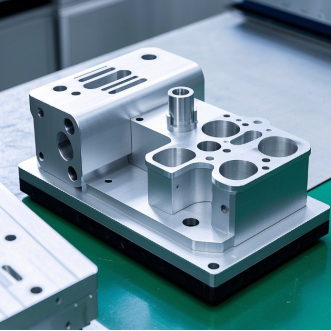
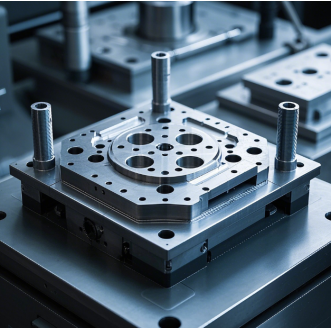
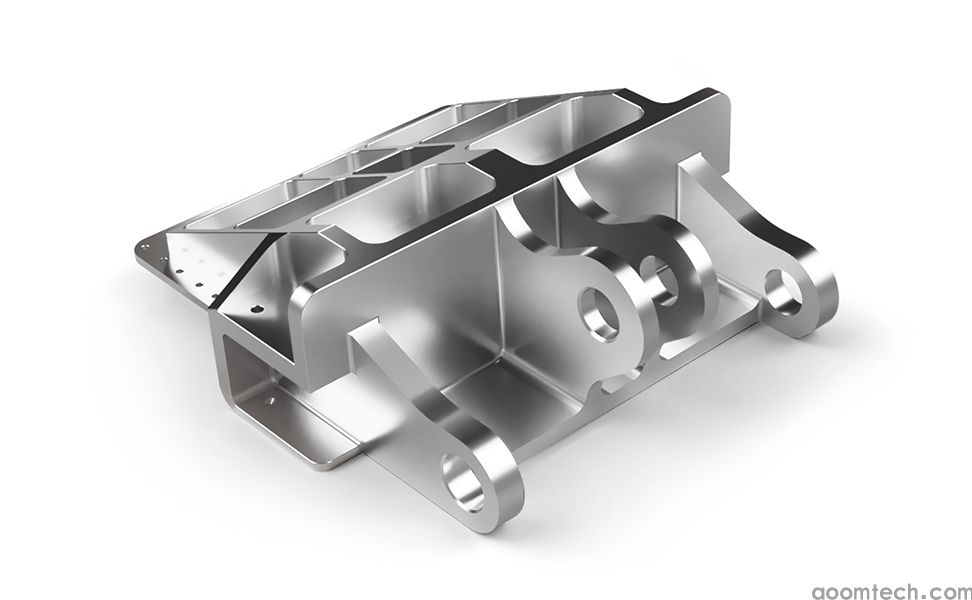
CNC Machining for Motorcycle Parts & Components is a key technology in modern motorcycle manufacturing. It allows manufacturers to produce highly precise, durable, and customized parts that improve performance, safety, and design. CNC (Computer Numerical Control) machining uses computer-controlled machines to cut, shape, and finish metal or plastic materials with extreme accuracy.
This technology has changed the motorcycle industry by making it possible to produce complex parts with tight tolerances. As a result, motorcycles today are lighter, stronger, more efficient, and more reliable than ever before.
The Role of CNC Machining in Motorcycle Manufacturing
CNC machining plays an important role in producing high-quality motorcycle parts. It ensures that every component is made with consistent accuracy, which is essential for engine performance, rider safety, and long-term durability.
Motorcycle parts must handle vibration, heat, pressure, and high-speed movement. CNC machining helps meet these demands by delivering precise shapes and smooth finishes that reduce friction and wear.
Overall, CNC technology improves both functional performance and visual design, making motorcycles more efficient and appealing.
Types of Motorcycle Parts CNC Machined
Engine Components
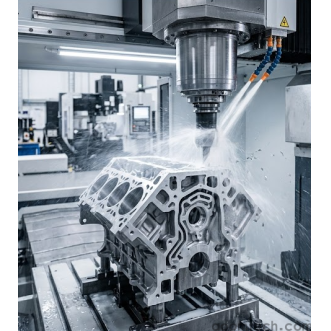
Engine parts such as cylinder heads, pistons, and crankshafts require extreme precision. CNC machining creates complex internal channels in cylinder heads to improve airflow and fuel combustion.
Pistons must fit perfectly inside cylinders, so CNC machining ensures exact dimensions. Crankshafts also require precise balancing and shaping to maintain smooth engine rotation and power transfer.
Transmission Parts
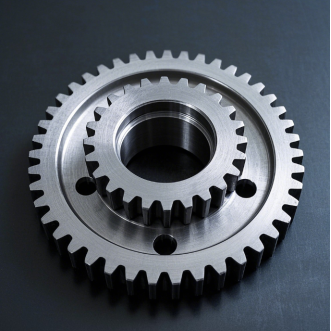
Transmission systems rely on gears, shafts, and clutch components. CNC machining produces gears with accurate tooth profiles, ensuring smooth power transmission.
Shafts must be perfectly straight and balanced, while clutch plates and hubs require precise surface finishing for proper engagement and durability.
Frame and Suspension Components
Motorcycle frames must be strong yet lightweight. CNC machining allows manufacturers to design optimized structures with hollow sections and precise mounting points.
Suspension parts such as fork tubes and swingarms require smooth surfaces and accurate alignment to ensure stable handling and comfort during riding.
Brake and Steering Components
Brake calipers, handlebars, and triple trees are safety-critical parts. CNC machining ensures precise piston bores, mounting points, and alignment for reliable braking and steering control.
High accuracy in these components directly improves rider safety and handling performance.
CNC Machining Process for Motorcycle Components
Design Phase
The process begins with CAD (Computer-Aided Design). Engineers create 3D models based on performance, strength, and weight requirements. Proper design ensures the part functions correctly under real riding conditions.
CNC Programming
CAD models are converted into CNC programs using CAM (Computer-Aided Manufacturing) software. These programs define toolpaths, cutting speeds, and machining depth to ensure accuracy and efficiency.
Machine Setup and Tooling
The CNC machine is prepared with the correct tools such as drills, end mills, and turning tools. Fixtures hold the material securely, while machine settings are adjusted based on material type and part design.
Machining Operations
Milling
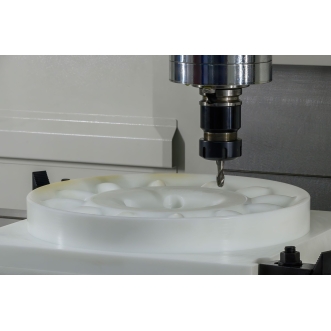
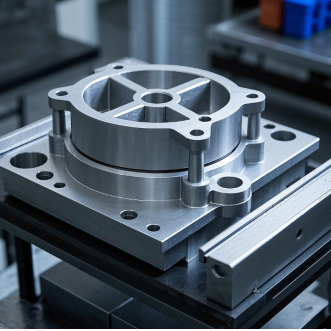
Milling is used to create flat surfaces, holes, and complex shapes. It is commonly used for frame parts and engine housings.
Turning
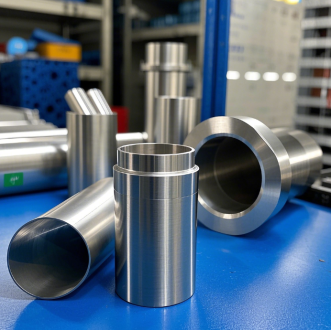
Turning is used for cylindrical parts like shafts and pins. The material rotates while the cutting tool shapes it into the required form.
Drilling and Tapping
These processes create holes and threads in motorcycle parts. Proper speed and feed control are important to avoid tool damage and ensure strong threading.
Material Selection for CNC-Machined Motorcycle Parts
Metals
Steel is used for strength and durability, especially in frames and engine parts. Aluminum is preferred for its lightweight properties, making motorcycles more fuel-efficient and agile. Titanium is used in high-performance applications due to its excellent strength-to-weight ratio.
Alloys
Alloys such as aluminum and steel blends improve properties like corrosion resistance, hardness, and fatigue strength. These materials are often selected for suspension and engine components where performance is critical.
Material selection for CNC-machined motorcycle parts is essential because it directly affects durability, weight, and performance.
Quality Control in CNC Machining Motorcycle Parts
In-Process Inspection
During machining, operators regularly check dimensions and surface quality using tools like calipers and micrometers. This helps detect errors early and reduce waste.
Final Inspection
After machining, parts are inspected using advanced equipment such as Coordinate Measuring Machines (CMM). This ensures all dimensions meet design tolerances and performance requirements.
Non-conforming parts are either reworked or discarded to maintain strict quality standards.
Benefits of CNC-Machined Motorcycle Components
Enhanced Precision and Fit
High precision ensures perfect part fitting, reducing vibration and improving engine efficiency and riding comfort.
Improved Durability and Reliability
CNC machining produces strong and consistent parts that can withstand high stress, heat, and continuous operation.
Customization and Performance Tuning
CNC technology allows manufacturers to create custom parts for specific riding styles or performance needs, improving speed, handling, and aerodynamics.
Conclusion: The Future of CNC Machining in Motorcycle Manufacturing
CNC machining continues to play a major role in the evolution of motorcycle manufacturing. It supports the production of precise, durable, and high-performance components that improve every aspect of riding.
Key takeaways include understanding the types of motorcycle parts CNC machined, the CNC machining process for motorcycle components, and the importance of material selection for CNC-machined motorcycle parts.
As technology advances, CNC machining will become even more efficient and capable, supporting the development of lighter, faster, and more reliable motorcycles for the future.
RELATED PRODUCTS
-
Medical Brass CNC Machining Parts
-
Precision CNC Machining PEEK Services
-
Precision Custom CNC Machined Car Parts
-
cnc machining optical housings
-
Precision CNC Casting Machining Services
-
Precision Gear CNC Machining Services
-
Precision Stainless Steel Parts CNC Mach
-
CNC Machining of Precision Aluminum Tube
-
CNC Machining of Large Precision Aluminu
-
CNC Machining & Manufacturing of Pre