CNC Machining for Steel Parts
Introduction to CNC Machining for Steel Parts
The CNC Machining for Steel Parts process is a modern manufacturing method used to create strong, accurate, and high-quality steel components. CNC (Computer Numerical Control) machines use programmed instructions to cut, shape, and finish steel materials with high precision. This technology helps manufacturers produce both simple and highly complex steel parts efficiently and consistently.
The Significance of CNC Machining for Steel Parts
Steel parts are widely used in many industries, including construction, automotive, aerospace, energy, and general manufacturing. These parts must be strong, durable, and precise to ensure safety and performance. CNC machining provides a reliable solution for producing steel components with tight tolerances and excellent repeatability.
Over the years, CNC technology has significantly improved the production of steel parts. It allows manufacturers to create complex shapes that would be difficult or impossible using traditional manual machining methods. As a result, industries can now develop more advanced products with better performance and longer service life.
Advantages of CNC Machining for Steel Parts
High Precision
One of the main advantages of CNC machining for steel parts is its high precision. CNC machines follow digital instructions, which ensures every cut and movement is controlled with extreme accuracy. This is especially important in industries like aerospace and automotive, where steel components must fit perfectly with other parts.
By reducing human error, CNC machining improves the overall quality of steel parts and ensures consistent production results, even in large manufacturing batches.
Complex Geometry Creation
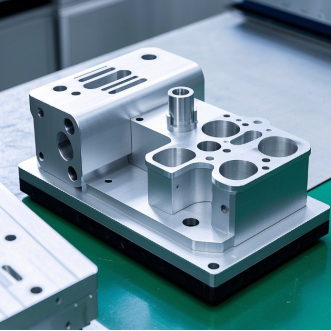
CNC machining makes it possible to produce steel parts with complex shapes and detailed features. Engineers and designers can create parts with curves, holes, grooves, and internal cavities that would be very difficult to achieve using traditional machining methods.
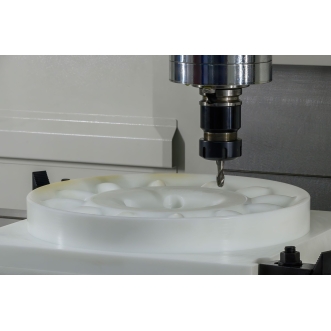
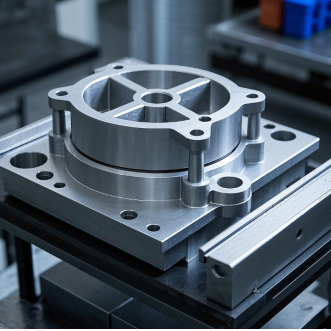
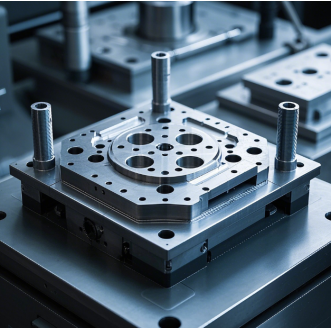
For example, in custom steel mold production, CNC machining can accurately reproduce highly detailed designs, helping manufacturers bring advanced engineering concepts into real products.
Consistent Quality
Another important benefit is consistent quality. Once the CNC program is correctly set, the machine can produce identical steel parts repeatedly without variation. This is extremely valuable for mass production, where uniform quality is required.
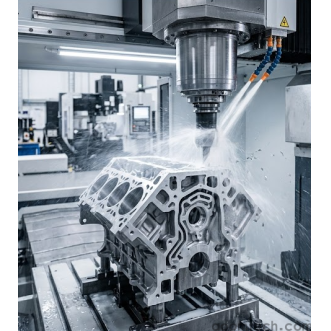
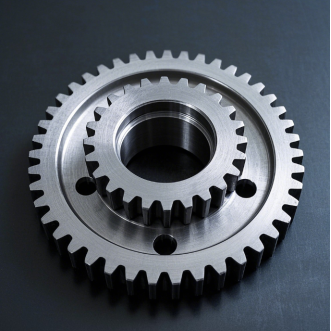
For instance, in steel engine components, consistent machining ensures that every part performs reliably, improving the overall safety and efficiency of the final product.
Tooling for CNC Machining Steel Parts
Cutting Tools
Tooling for CNC machining steel parts plays a critical role in production quality and efficiency. Cutting tools must be strong enough to handle the hardness of steel. Carbide-tipped tools are commonly used because they offer high wear resistance and durability.
For example, carbide end mills are used for milling operations, while carbide drills are used for creating precise holes. Choosing the right tool depends on the type of steel, cutting speed, machining method, and required surface finish.
Fixtures and Clamps
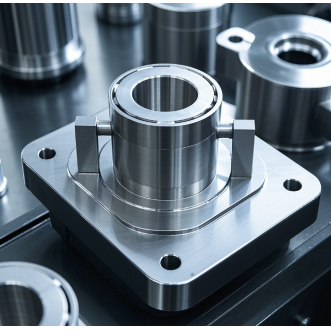
Fixtures and clamps are essential for holding steel parts securely during machining. They ensure that the workpiece remains stable and does not move during cutting operations.
Different fixture types are used depending on the shape and size of the steel part, such as vise clamps, hydraulic clamps, and magnetic fixtures. Proper fixturing reduces vibration, improves accuracy, and helps prevent damage to both tools and workpieces.
Challenges in CNC Machining Steel Parts
Tool Wear
One of the common challenges in CNC machining steel parts is tool wear. Steel is a hard material that can quickly wear down cutting tools during machining. This affects both precision and surface quality.
To manage tool wear, operators should regularly inspect cutting tools, monitor performance, and replace worn tools in time. Using proper cutting fluids and optimizing machining speed and feed rate can also extend tool life.
Heat Generation
Machining steel generates a significant amount of heat due to friction between the tool and material. This heat can cause thermal expansion, which may lead to small dimensional errors in finished parts.
To reduce heat problems, manufacturers often use coolant systems, adjust cutting speeds, and improve chip removal efficiency. Proper heat control is essential for maintaining accuracy in steel part production.
Chip Management
Steel machining produces continuous and sometimes sharp chips that must be properly managed. If chips are not removed efficiently, they can interfere with cutting operations and damage both tools and workpieces.
Effective chip management methods include using chip breakers, applying strong coolant flow, and regularly cleaning the machining area. These practices help maintain smooth and safe production.
Conclusion: Mastering CNC Machining for Steel Parts
In summary, CNC Machining for Steel Parts is a highly effective manufacturing process that delivers precision, consistency, and the ability to create complex designs. It plays a key role in modern industries where steel components are essential for performance and safety.
Understanding the advantages of CNC machining for steel parts, selecting the right tooling for CNC machining steel parts, and managing challenges in CNC machining steel parts are all important steps toward successful production.
For businesses and engineers, it is recommended to continue researching CNC technologies or consult experienced machining professionals to improve production quality and efficiency. With the right knowledge and approach, CNC machining can greatly enhance steel part manufacturing outcomes.
RELATED PRODUCTS
-
Medical Brass CNC Machining Parts
-
Precision CNC Machining PEEK Services
-
Precision Custom CNC Machined Car Parts
-
cnc machining optical housings
-
Precision CNC Casting Machining Services
-
Precision Gear CNC Machining Services
-
Precision Stainless Steel Parts CNC Mach
-
CNC Machining of Precision Aluminum Tube
-
CNC Machining of Large Precision Aluminu
-
CNC Machining & Manufacturing of Pre