CNC Machining for Transformer Parts
Introduction to CNC Machining for Transformer Parts
Transformers are essential components in the electrical power industry. They are used to convert voltage levels and ensure safe and efficient power distribution from power plants to homes, factories, and infrastructure systems. To perform reliably, transformers depend on high-quality internal and external components such as cores, winding parts, housings, and insulation structures.
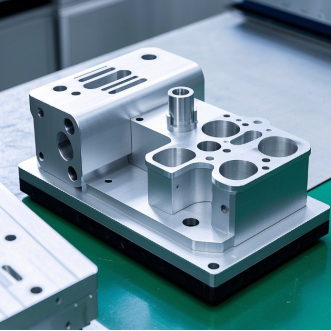
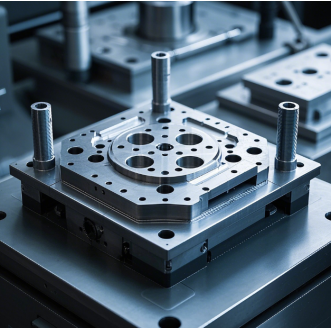
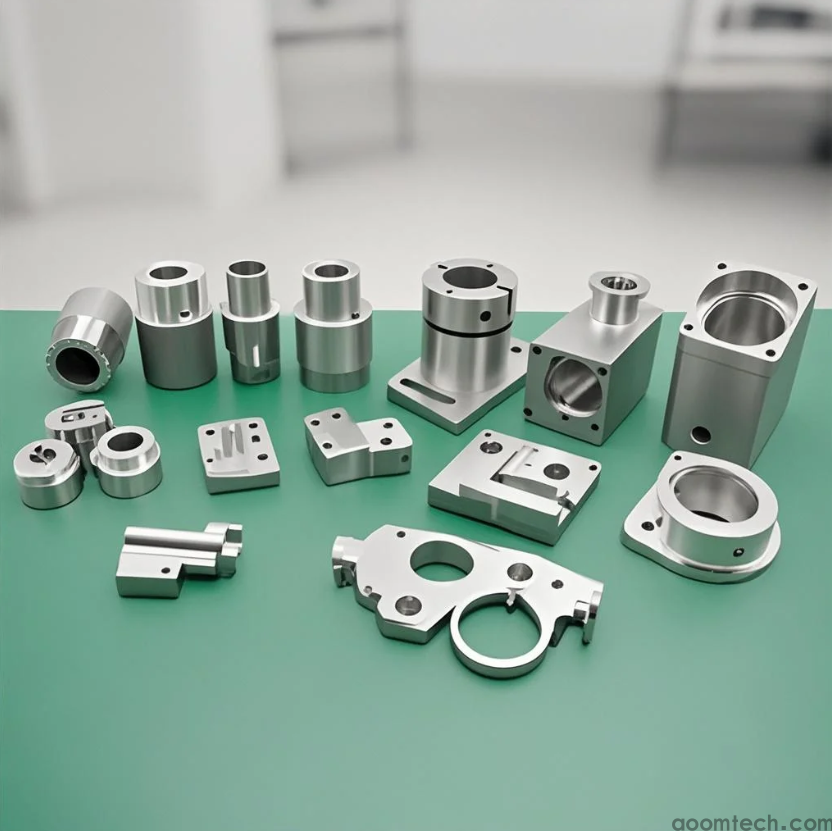
CNC Machining for Transformer Parts provides a precise and efficient manufacturing method to produce these critical components. With computer-controlled accuracy, CNC machining helps ensure that transformer parts meet strict dimensional and performance requirements. This directly improves transformer reliability, energy efficiency, and service life in applications ranging from power generation stations to local electrical grids.
Advantages of CNC Machining for Transformer Parts
High Precision Manufacturing
One of the key advantages of CNC machining for transformer parts is its high precision. CNC machines operate based on digital instructions, allowing manufacturers to achieve extremely tight tolerances.
This precision is critical for transformer performance. For example, accurately machined transformer cores improve magnetic flux transfer, reducing energy loss. Similarly, precisely made winding bobbins ensure coils are properly supported, reducing vibration and heat generation.
In real applications, a transformer core produced with CNC machining and exact dimensional control can significantly improve energy efficiency by minimizing magnetic leakage and core losses.
Customization Capability
Another major advantage is customization. Different transformers have different requirements depending on voltage, power capacity, installation environment, and industry use.
CNC technology allows manufacturers to produce fully customized parts, including special-shaped cores, tailored housings, and unique structural components. For example, a power utility may require a transformer housing designed to fit into a limited substation space. CNC machining makes it possible to create a precise, space-optimized solution without compromising performance.
Material Flexibility
CNC machining supports a wide range of materials used in transformer production. These include silicon steel for cores, copper and aluminum for windings, and engineering plastics for insulation parts.
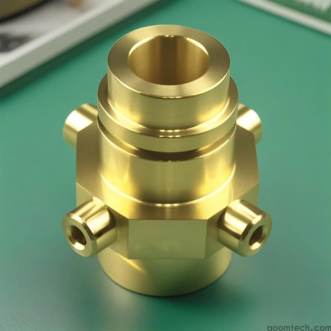
Each material has specific electrical and mechanical properties. For example, a copper winding bobbin can be CNC machined to ensure excellent conductivity and stable coil positioning, helping reduce electrical resistance and energy loss in the transformer system.
Process of CNC Machining Transformer Parts
Design and CAD/CAM Programming
The process begins with CAD (Computer-Aided Design), where engineers create a detailed 3D model of the transformer part. This design includes all functional requirements such as electrical performance, mechanical strength, and installation constraints.
Next, CAM (Computer-Aided Manufacturing) software converts the design into machine instructions. These instructions define toolpaths, cutting speeds, feed rates, and spindle speeds.
For example, when machining a complex transformer core structure, programmers must carefully plan tool movement to maintain accuracy while avoiding distortion of magnetic performance zones.
Material Selection and Preparation
Proper material selection is essential in the process of CNC machining transformer parts. Engineers choose materials based on electrical conductivity, magnetic properties, durability, and cost.
After selection, materials are cut into suitable sizes and may undergo pre-treatment such as annealing. This improves machinability and stabilizes material performance.
For example, silicon steel must be handled carefully to preserve its magnetic permeability, which is critical for efficient transformer operation.
Machining Operations
Milling
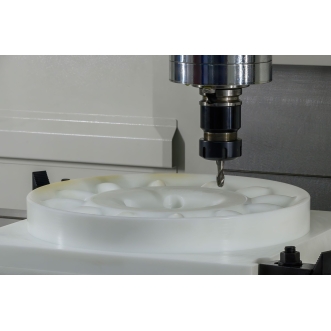
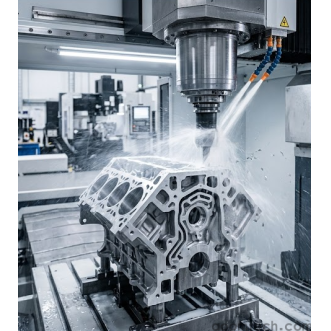
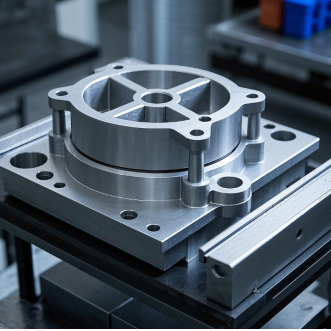
Milling is used to create flat surfaces, grooves, and complex shapes in transformer cores and housings. Carbide tools are often used for harder materials. Proper adjustment of speed and feed rate ensures accuracy and tool life.
Turning
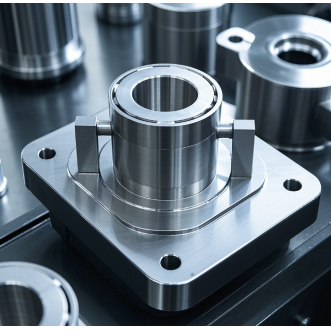
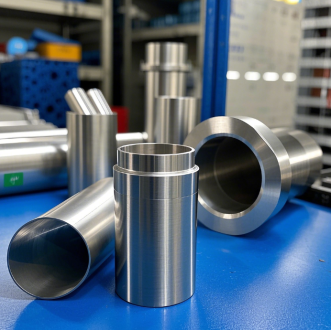
Turning is used for cylindrical parts such as winding bobbins. The workpiece rotates while the cutting tool shapes it. Precision is important to ensure smooth coil winding and proper alignment.
Drilling
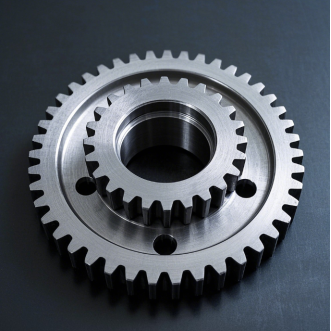
Drilling creates holes for mounting, cooling, or electrical connections. Accurate positioning and proper coolant use help prevent tool damage and ensure clean hole surfaces.
Finishing Operations
After machining, finishing processes improve surface quality and durability. Grinding enhances surface smoothness, which can reduce magnetic losses in cores. Coating or plating protects parts from corrosion, especially in humid or outdoor environments.
For example, a coated transformer housing installed in a coastal power station can resist corrosion and maintain stable performance over many years.
Benefits of CNC-Machined Transformer Parts
Enhanced Transformer Performance
The benefits of CNC-machined transformer parts include improved electrical and magnetic performance. High precision reduces energy losses and improves overall efficiency.
In industrial power plants, CNC-machined components can help reduce transformer losses, improving total power output and system stability.
Improved Durability and Reliability
Accurate machining reduces mechanical stress and improves structural stability. As a result, transformers experience fewer failures and longer service life.
In real-world industrial use, CNC-machined transformer parts often lead to reduced maintenance requirements and fewer unexpected breakdowns.
Cost-Effectiveness in the Long Run
Although initial costs may be higher, CNC machining provides long-term savings. Reduced maintenance, lower failure rates, and improved efficiency all contribute to lower lifecycle costs.
Some utility companies report significant long-term savings after switching to CNC-machined transformer components due to improved reliability and reduced downtime.
Challenges in CNC Machining Transformer Parts
Complex Part Geometries
Some transformer components have complex shapes that are difficult to machine. These may require multiple setups and advanced programming, increasing production difficulty and risk of error.
Tool Wear and Maintenance
Hard materials like silicon steel can cause rapid tool wear. This increases maintenance needs and may affect production schedules if tools need frequent replacement.
Cost of Setup and Programming
The initial programming and setup costs can be high, especially for custom transformer parts. Small production batches may face higher per-unit costs, making budgeting more challenging.
Choosing a CNC Machining Service for Transformer Parts
Experience in Transformer Manufacturing
When choosing a CNC machining service for transformer parts, experience is critical. Providers familiar with electrical and magnetic requirements can produce higher-quality components and offer valuable design improvements.
Quality Assurance Measures
A reliable provider should have strict quality control systems, including in-process inspection and final testing. Certified measurement tools and documented quality standards ensure consistent product performance.
For example, a strong quality system can detect dimensional errors before shipment, preventing costly installation issues.
Cost-Effectiveness and Pricing Transparency
Clear pricing is essential. A good supplier should provide transparent cost breakdowns, including materials, machining, and finishing processes.
Comparing multiple quotes helps identify fair pricing while maintaining required quality standards.
Conclusion: Selecting the Right CNC Machining for Transformer Parts
CNC machining plays a vital role in modern transformer manufacturing. It offers high precision, customization, and material flexibility, making it essential for producing reliable electrical components.
At the same time, challenges such as complex geometries, tool wear, and setup costs must be considered. Choosing the right manufacturing partner is key to achieving the best results.
By understanding the process of CNC machining transformer parts, benefits of CNC-machined transformer parts, and overall production requirements, businesses can make informed decisions that improve performance and reduce long-term costs.
Carefully evaluate potential suppliers and choose a CNC machining service that aligns with your technical and quality needs for transformer part manufacturing.
RELATED PRODUCTS
-
Medical Brass CNC Machining Parts
-
Precision CNC Machining PEEK Services
-
Precision Custom CNC Machined Car Parts
-
cnc machining optical housings
-
Precision CNC Casting Machining Services
-
Precision Gear CNC Machining Services
-
Precision Stainless Steel Parts CNC Mach
-
CNC Machining of Precision Aluminum Tube
-
CNC Machining of Large Precision Aluminu
-
CNC Machining & Manufacturing of Pre