CNC Machining Heat Sinks Services
Introduction to CNC Machining Heat Sinks Services
The CNC Machining Heat Sinks Services industry plays an important role in modern manufacturing, especially in electronics, automotive systems, LED lighting, and industrial equipment. Heat sinks are used to remove heat from electronic components and prevent overheating. Without proper heat management, devices may fail, lose performance, or have a shorter lifespan.
CNC (Computer Numerical Control) machining provides a precise and reliable way to manufacture heat sinks with complex shapes and fine structures. These CNC-machined parts help improve thermal performance, ensuring electronic devices work safely and efficiently over time. In today’s high-performance applications, CNC heat sinks are essential for product stability and long-term reliability.
Key long-tail keywords in this field include advantages of CNC machining for heat sinks, process of CNC machining heat sinks, benefits of CNC-machined heat sinks, challenges in CNC machining heat sinks services, and choosing a CNC heat sink machining service provider.
Advantages of CNC Machining for Heat Sinks
High Precision Manufacturing
One of the main advantages of CNC machining is high precision. CNC machines follow digital instructions, allowing manufacturers to create heat sink fins, grooves, and surfaces with very tight tolerances. This precision improves contact between the heat sink and heat source, which directly improves heat transfer efficiency.
For example, a high-end graphics card uses a CNC-machined heat sink with extremely flat contact surfaces. This ensures better thermal contact with the GPU, helping reduce temperature and improve performance during heavy computing tasks.
Custom Design Flexibility
CNC machining allows full design flexibility. Heat sinks can be made in different shapes, sizes, and fin structures based on product requirements. This is especially useful for compact devices where space is limited.
For instance, a small embedded control device may require a specially shaped heat sink that fits tightly inside its casing. CNC machining makes it possible to produce such custom parts without reducing cooling efficiency.
Material Compatibility
CNC machining supports a wide range of materials, including aluminum, copper, and metal alloys. Each material offers different thermal conductivity levels, which affects cooling performance.
For example, copper heat sinks are often used in high-power LED systems because copper has excellent thermal conductivity. CNC machining ensures these copper structures are formed accurately without damaging the material properties.
Process of CNC Machining Heat Sinks
Design and CAD/CAM Programming
The process begins with CAD (Computer-Aided Design), where engineers create a detailed 3D model of the heat sink. This includes fin spacing, thickness, and overall structure based on heat load requirements. Then CAM (Computer-Aided Manufacturing) software converts the design into machine instructions.
These instructions define tool paths, cutting speeds, and machining parameters. For complex fin structures, special toolpath strategies are used to ensure smooth and accurate machining.
Material Selection and Preparation
Material selection is critical. Aluminum is commonly used for its lightweight and good thermal performance, while copper is chosen for higher heat transfer needs. The material is then cut into suitable sizes and prepared for machining.
In some cases, pre-treatment such as annealing is used to improve machinability and reduce internal stress, helping achieve better machining results.
Machining Operations
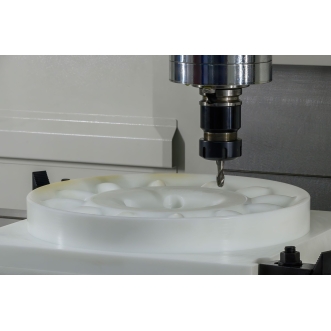
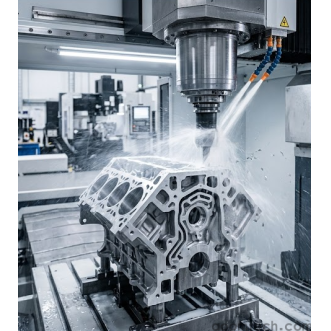
Milling: Milling is the main process used to create fins and surfaces. Cutting tools remove material layer by layer to form the heat sink structure. Proper cutting speed and feed rate are important to achieve smooth surfaces and accurate dimensions.
Drilling: Drilling is used when mounting holes are required. Accurate positioning ensures proper assembly in electronic devices. Coolant is often used to reduce heat during drilling and extend tool life.
Finishing Operations
After machining, heat sinks may undergo finishing processes such as polishing, anodizing, or surface coating. These treatments improve appearance, protect against corrosion, and sometimes enhance thermal performance.
For example, anodized aluminum heat sinks not only resist corrosion but also provide a more stable surface for long-term use in harsh environments.
Benefits of CNC-Machined Heat Sinks
Enhanced Heat Dissipation
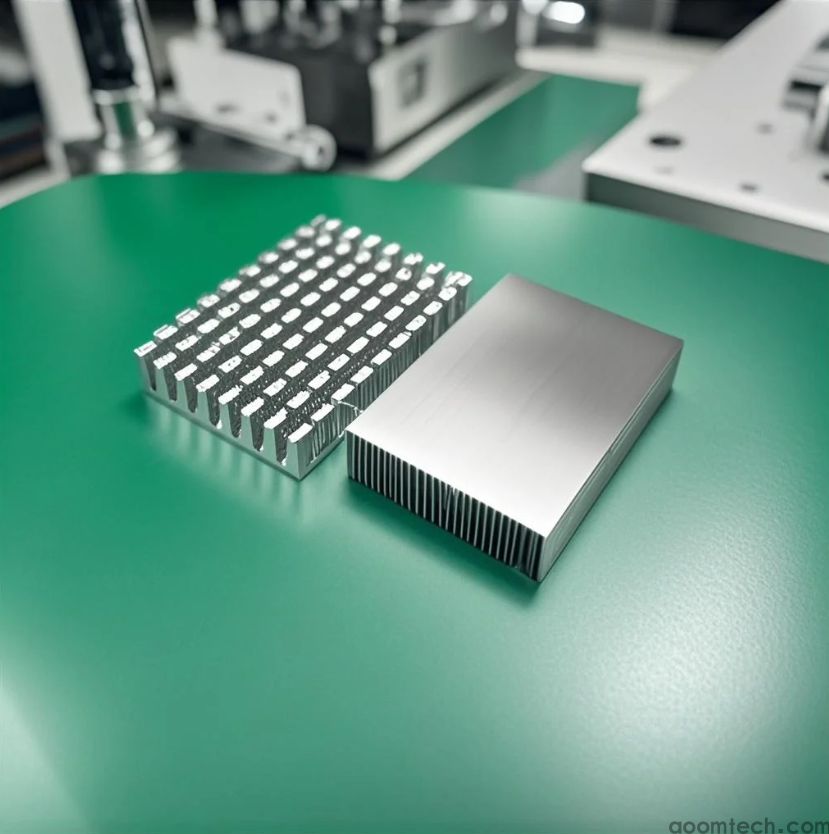
The precise structure of CNC-machined heat sinks improves airflow and heat transfer efficiency. Optimized fin geometry allows heat to spread faster into the surrounding air, reducing component temperature.
In server systems, this can significantly reduce overheating risks and improve continuous performance under heavy workloads.
Improved Product Reliability
Efficient heat control directly increases the reliability of electronic devices. Lower operating temperatures reduce stress on components, extending their lifespan and reducing failure rates.
Cost-Effectiveness in Volume Production
Although CNC machining may have higher initial setup costs, it becomes cost-effective in mass production. Once programming is completed, machines can produce consistent heat sinks with minimal labor input.
Many electronics manufacturers use CNC machining to achieve stable quality while keeping long-term production costs under control.
Challenges in CNC Machining Heat Sinks Services
Complex Design Implementation
Complex fin structures can be difficult to machine accurately. Small programming errors or tool path issues may lead to defects, requiring rework or redesign.
Tool Wear and Maintenance
Machining metals like copper can cause fast tool wear due to material hardness. Regular tool replacement and maintenance are necessary, which increases production time and cost.
Cost of Setup
The initial cost of CNC equipment, software, and skilled programming can be high. This may be challenging for small companies or startups entering the heat sink manufacturing industry.
Choosing a CNC Heat Sink Machining Service Provider
Experience and Expertise
When selecting a provider for choosing a CNC heat sink machining service provider, experience is very important. A skilled provider understands material behavior, thermal design, and machining limitations.
Companies with proven project history are more likely to deliver stable and high-quality results for complex heat sink designs.
Quality Assurance
A reliable service provider should have strict quality control systems. This includes in-process inspection, final measurement checks, and use of calibrated tools.
This ensures every heat sink meets required size and thermal performance standards before delivery.
Cost-Effectiveness and Pricing Transparency
Good providers offer clear and transparent pricing. Customers should understand material costs, machining fees, and any additional finishing charges.
Comparing multiple quotes helps identify a balanced option between quality and cost.
Conclusion: Selecting the Right CNC Machining Heat Sinks Services
The CNC Machining Heat Sinks Services industry is essential for modern electronic and industrial systems. CNC machining provides high precision, design flexibility, and strong material compatibility, making it ideal for advanced thermal management solutions.
However, challenges such as complex design requirements, tool wear, and setup costs must also be considered. Understanding the full process of CNC machining heat sinks and evaluating the benefits of CNC-machined heat sinks can help businesses make better decisions.
When selecting a service provider, focus on experience, quality control systems, and transparent pricing. By carefully evaluating these factors, you can ensure reliable performance and long-lasting thermal solutions for your products.
RELATED PRODUCTS
-
Medical Brass CNC Machining Parts
-
Precision CNC Machining PEEK Services
-
Precision Custom CNC Machined Car Parts
-
cnc machining optical housings
-
Precision CNC Casting Machining Services
-
Precision Gear CNC Machining Services
-
Precision Stainless Steel Parts CNC Mach
-
CNC Machining of Precision Aluminum Tube
-
CNC Machining of Large Precision Aluminu
-
CNC Machining & Manufacturing of Pre