CNC Machining Joint Fittings Services
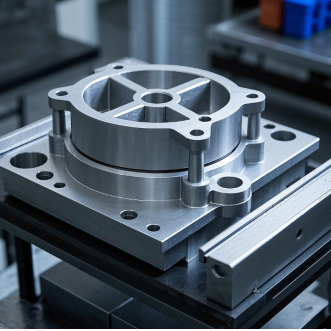
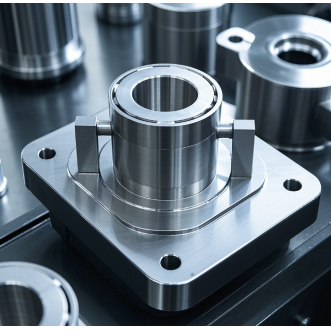
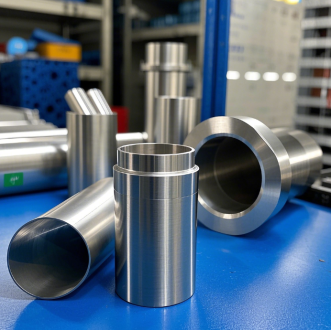
CNC Machining Joint Fittings Services play a vital role in modern manufacturing industries where safe, precise, and durable connections are required. Joint fittings are used to connect pipes, rods, tubes, and mechanical parts in systems that must operate reliably under pressure, vibration, or harsh environments. CNC (Computer Numerical Control) machining makes it possible to produce these fittings with high accuracy, consistency, and flexibility for different applications.
Introduction to Joint Fittings in Engineering
The Significance of Joint Fittings
Joint fittings are essential components widely used in industries such as plumbing, automotive, oil and gas, construction, and machinery manufacturing. Their main function is to connect two or more parts securely while preventing leakage or mechanical failure.
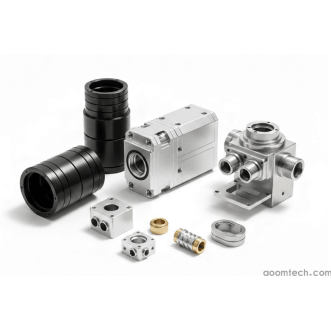
Common types of joint fittings include:
Elbow fittings – used to change the direction of pipes or tubes
Union fittings – allow easy connection and disconnection of pipes
Flange fittings – provide strong bolted connections for high-pressure systems
Each type plays a specific role in ensuring system stability and performance across different industries.
Importance of CNC Machining for Joint Fittings
Precision Manufacturing
CNC machining enables the production of joint fittings with extremely high precision. These components must meet exact dimensional requirements, including inner and outer diameters, thread pitches, and connection angles.
Even a small error in measurement can lead to serious problems such as fluid leakage in plumbing systems or mechanical failure in automotive assemblies. CNC technology ensures tight tolerances, improving safety and reliability in real-world applications.
Customization
One of the biggest advantages of CNC Machining Joint Fittings Services is the ability to create customized solutions. Different systems require different shapes, sizes, and connection methods.
Examples include:
A specially sized elbow fitting for a complex building pipeline layout
A custom flange fitting designed for a unique industrial machine
Special thread designs for high-pressure hydraulic systems
This flexibility makes CNC machining ideal for both prototyping and mass production.
Consistent Quality
CNC machining ensures that every joint fitting produced follows the same exact specifications. Once the program is set, each part is manufactured with identical accuracy and surface quality.
This consistency reduces production errors, lowers maintenance costs, and improves the long-term reliability of the entire system. For large-scale industrial projects, consistent quality is essential for safety and performance.
CNC Machining Processes for Joint Fittings
Milling
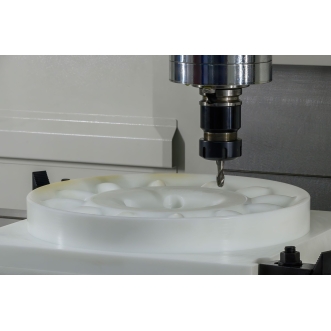
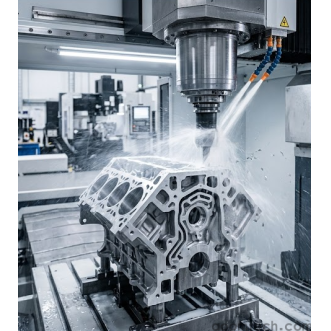
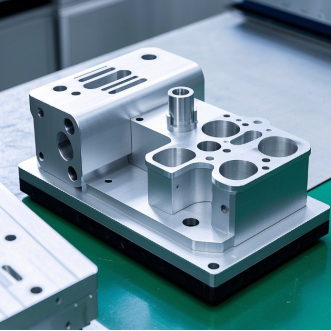
CNC milling for joint fittings involves using a rotating cutting tool to remove material from a workpiece. This process is used to create flat surfaces, grooves, holes, and complex shapes.
In joint fittings, milling is commonly used for:
Creating gasket grooves for sealing
Shaping outer surfaces and connection areas
Producing complex 3D structural designs
Proper selection of cutting tools, spindle speed, feed rate, and cutting depth is essential to achieve accuracy and smooth surface finishes.
Turning
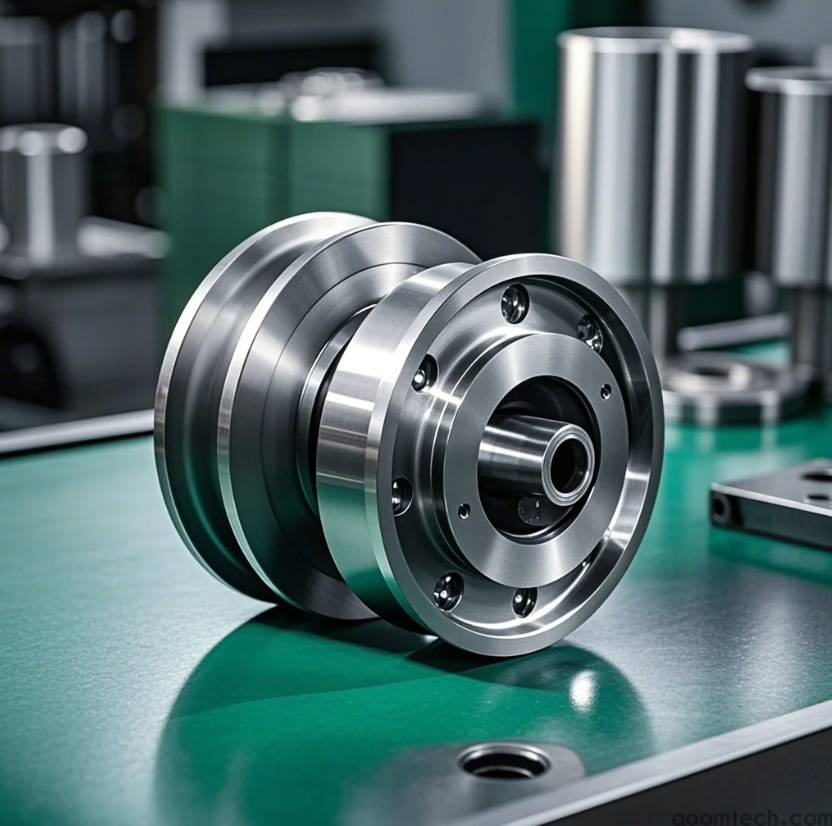
Turning is used to produce cylindrical components of joint fittings. The workpiece rotates while a cutting tool removes material to create precise shapes and threads.
This process is especially important for:
Pipe fitting bodies
Threaded connections
Round sealing surfaces
Maintaining concentricity and smooth surface finish is critical to ensure proper fitting and leak prevention.
Drilling and Boring
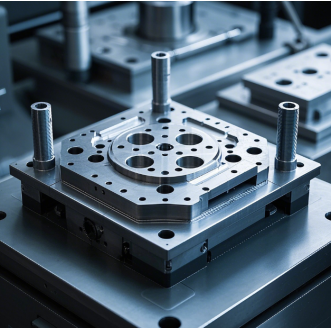
Drilling is used to create holes for bolts, fasteners, or fluid passage. Boring is used to enlarge and refine these holes for higher accuracy.
Accurate hole placement is essential because even minor misalignment can weaken the joint or cause assembly problems. Proper tool selection and machining parameters help prevent tool wear and dimensional errors.
Materials Used in CNC Machined Joint Parts
Metals
Different metals are used depending on application requirements:
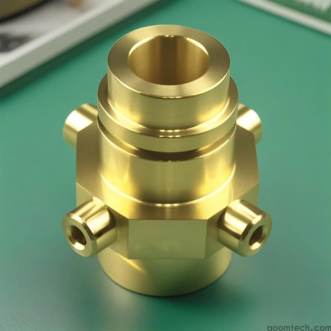
Brass – excellent corrosion resistance, easy machining, ideal for plumbing fittings
Stainless steel – high strength and durability, suitable for harsh or corrosive environments
Aluminum – lightweight and thermally efficient, commonly used in automotive systems
Each metal requires different cutting speeds and tools to achieve optimal machining results.
Plastics
Plastics are widely used in cost-sensitive and chemical-resistant applications. Common materials include:
PVC – widely used in plumbing due to affordability and corrosion resistance
PPR – suitable for high-temperature water systems
Nylon – offers strong wear resistance and durability
When machining plastics, temperature control is important to prevent warping or melting during processing.
Choosing a CNC Machining Service Provider for Joint Fittings
Technical Expertise
When selecting a provider for choosing a provider for CNC joint fitting machining, technical knowledge is essential. A reliable supplier should understand different materials, machining methods, and design requirements for joint fittings.
You can evaluate expertise by reviewing:
Previous project case studies
Sample parts and prototypes
Qualifications and experience of engineering staff
Quality Assurance
A strong quality control system ensures every fitting meets strict performance standards. Professional manufacturers use tools such as calipers, micrometers, and thread gauges to verify accuracy.
Key quality practices include:
In-process inspection during manufacturing
Final product quality testing
Clear handling procedures for defective parts
This ensures reliability, safety, and long service life of the joint fittings.
Cost-effectiveness and Lead Times
While price is important, it should be balanced with quality and reliability. A good CNC machining provider offers competitive pricing without sacrificing precision or durability.
It is also important to evaluate delivery performance. Providers with consistent on-time delivery records help avoid project delays and reduce overall production risks.
Conclusion
CNC Machining Joint Fittings Services are essential for producing high-quality connectors used in many industries. Through advanced processes like milling, turning, drilling, and boring, manufacturers can create precise and durable fittings that meet strict performance requirements.
By choosing the right materials and a reliable machining provider, businesses can ensure safe, efficient, and long-lasting systems. Whether for plumbing, automotive, or industrial applications, CNC machining provides the accuracy and flexibility needed in modern engineering solutions.
RELATED PRODUCTS
-
Medical Brass CNC Machining Parts
-
Precision CNC Machining PEEK Services
-
Precision Custom CNC Machined Car Parts
-
cnc machining optical housings
-
Precision CNC Casting Machining Services
-
Precision Gear CNC Machining Services
-
Precision Stainless Steel Parts CNC Mach
-
CNC Machining of Precision Aluminum Tube
-
CNC Machining of Large Precision Aluminu
-
CNC Machining & Manufacturing of Pre