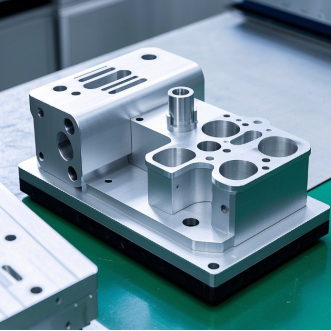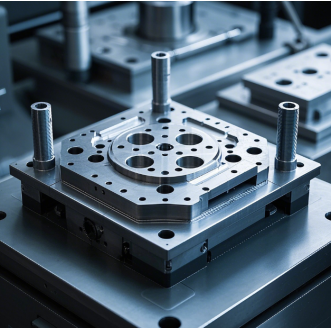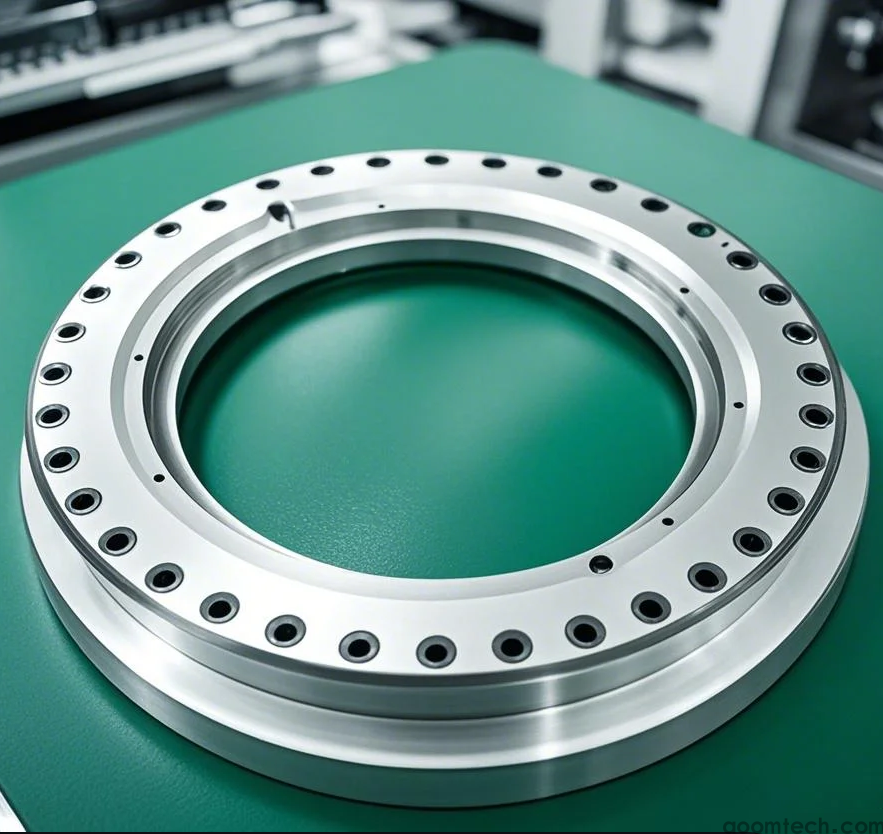
CNC Machining Large Steel Parts
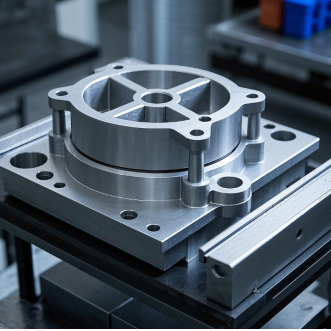
Large steel parts are widely used in heavy equipment, mining, energy, transportation, marine, and industrial machinery. These components often require high strength, tight tolerances, and excellent surface quality despite their size. CNC machining makes it possible to manufacture complex large steel parts with consistent accuracy and repeatability.
This guide explains the machining process, common materials, challenges, and how to choose the right CNC machining supplier.
What Is CNC Machining for Large Steel Parts?
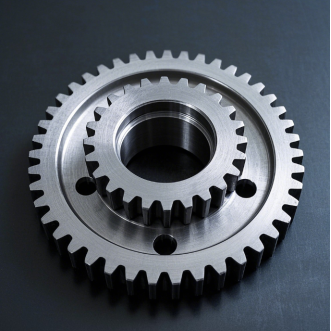
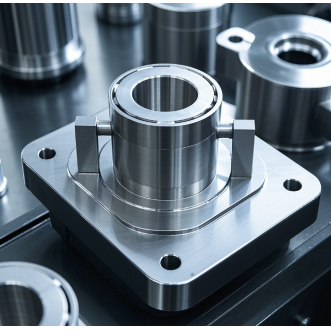
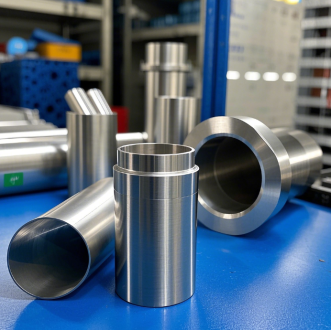
CNC machining large steel parts refers to using computer-controlled milling, turning, boring, drilling, and grinding equipment to manufacture oversized steel components with high precision.
Typical applications include:
Machine frames
Heavy equipment components
Industrial bases
Gear housings
Wind power components
Oil and gas equipment
Mining machinery parts
Hydraulic press components
Structural steel assemblies
Marine equipment
Large CNC machining combines heavy-duty machines with precision measurement systems to ensure dimensional accuracy across large workpieces.
Common Steel Materials
The material selection depends on strength, wear resistance, weldability, and operating environment.
| Steel Grade | Characteristics | Typical Applications |
|---|---|---|
| A36 | Good weldability and low cost | Structural frames |
| 1045 Carbon Steel | High strength and machinability | Shafts and machine parts |
| 4140 Alloy Steel | High toughness and fatigue resistance | Heavy machinery |
| 4340 Alloy Steel | Excellent strength after heat treatment | Aerospace and mining |
| 8620 Steel | Case hardening capability | Gears and transmission parts |
| S355 Structural Steel | Excellent structural performance | Large welded assemblies |
| Stainless Steel 304 | Corrosion resistance | Food and chemical equipment |
| Stainless Steel 316 | Superior corrosion resistance | Marine applications |
CNC Machining Processes
Large steel components often require multiple machining operations.
CNC Milling
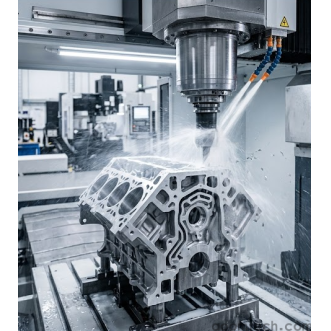
Heavy-duty CNC milling machines remove large amounts of material while maintaining flatness and dimensional accuracy.
Typical operations include:
Face milling
Pocket milling
Slot machining
Profile machining
Surface finishing
CNC Turning
Large CNC lathes machine cylindrical components such as:
Rollers
Large shafts
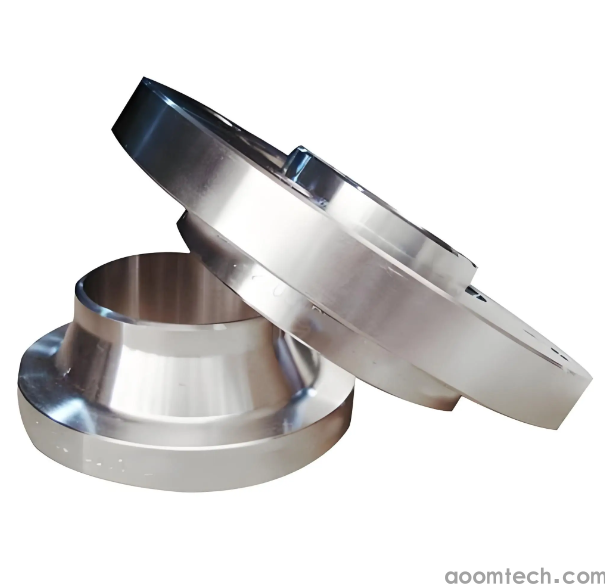
Flanges
Bearing seats
CNC Boring
Precision boring enlarges existing holes while maintaining concentricity and true position.
Applications include:
Bearing housings
Hydraulic cylinders
Gearboxes
Drilling and Tapping
Large parts frequently require numerous precision holes for:
Fasteners
Hydraulic connections
Assembly features
Surface Grinding
Grinding improves:
Flatness
Parallelism
Surface finish
Dimensional accuracy
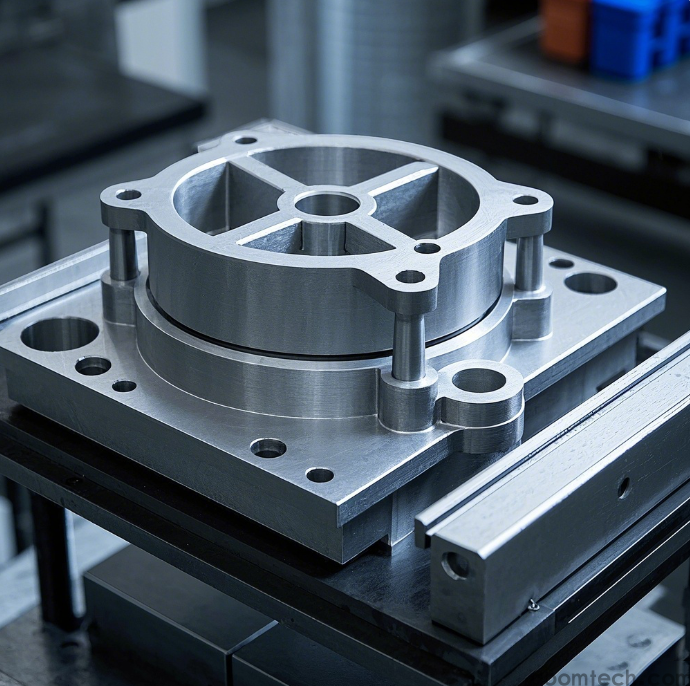
Industries That Use Large Steel CNC Parts
Large steel machining supports numerous industries.
Construction Equipment
Examples include:
Excavator frames
Boom arms
Chassis components
Mining Equipment
Common parts include:
Crusher frames
Gear housings
Wear plates
Conveyor components
Energy Industry
Applications include:
Wind turbine components
Generator bases
Power transmission equipment
Oil and Gas
Large steel machining produces:
Valve bodies
Pump housings
Drilling equipment
Compressor frames
Marine Industry
Typical components include:
Propeller shafts
Engine bases
Deck equipment
Structural supports
Challenges in CNC Machining Large Steel Parts
Material Removal Rate
Large workpieces require significant material removal, increasing machining time and tool wear.
High-power CNC machining centers improve productivity while maintaining stability.
Thermal Deformation
Heat generated during machining can cause:
Dimensional changes
Distortion
Reduced accuracy
Proper coolant application and optimized cutting parameters help minimize thermal drift.
Workpiece Rigidity
Heavy steel components may deform under their own weight.
Engineers use:
Custom fixtures
Multiple support points
Finite element analysis
Stress-relief machining strategies
Tool Wear
Steel machining accelerates tool wear, especially when cutting hardened alloy steels.
Common tooling includes:
Carbide inserts
Ceramic tools
Coated end mills
High-feed cutters
Tool life is monitored to maintain consistent quality.
Precision Measurement
Large parts require advanced inspection equipment, including:
Portable CMM
Laser tracker
Bridge CMM
Digital height gauges
Dial indicators
Inspection occurs throughout production rather than only after machining.
Typical Tolerances
Actual tolerances depend on part size and customer requirements.
| Feature | Typical Tolerance |
|---|---|
| Linear Dimensions | ±0.05–0.30 mm |
| Hole Diameter | ±0.02–0.05 mm |
| Position Accuracy | ±0.03–0.10 mm |
| Flatness | 0.03–0.20 mm |
| Surface Finish | Ra 0.8–3.2 μm |
Critical features may require tighter GD&T specifications verified using CMM inspection.
Quality Control
Reliable manufacturers implement quality control throughout production.
Inspection methods include:
First article inspection
In-process measurement
CMM inspection
Laser alignment
Surface roughness testing
Material certification verification
Final dimensional inspection
Many suppliers also provide full inspection reports with each shipment.
How to Choose a CNC Machining Supplier
When selecting a supplier for large steel machining, consider:
Maximum machining envelope
Heavy-duty CNC equipment
Experience with oversized steel components
ISO 9001-certified quality management
Advanced inspection capabilities
Large lifting capacity
Engineering support
Stable production capacity
Competitive lead times
Heat treatment and surface finishing services
A supplier with integrated machining, inspection, welding, and assembly capabilities can simplify production and reduce project lead times.
Why Precision Matters
Large steel components often serve as the foundation of industrial equipment. Even small dimensional errors can lead to:
Assembly problems
Bearing misalignment
Excessive vibration
Premature wear
Equipment failure
Increased maintenance costs
Precision CNC machining helps ensure reliable performance, longer service life, and reduced downtime.
Conclusion
CNC machining large steel parts requires specialized equipment, experienced machinists, and rigorous quality control. From heavy machine bases and mining equipment to energy and marine applications, precision machining ensures that oversized steel components meet demanding performance and tolerance requirements.
Choosing an experienced CNC machining manufacturer with large-format equipment, advanced metrology, and expertise in alloy and carbon steel machining helps deliver durable, high-quality parts while reducing production risks and improving long-term reliability.
RELATED PRODUCTS
-
Medical Brass CNC Machining Parts
-
Precision CNC Machining PEEK Services
-
Precision Custom CNC Machined Car Parts
-
cnc machining optical housings
-
Precision CNC Casting Machining Services
-
Precision Gear CNC Machining Services
-
Precision Stainless Steel Parts CNC Mach
-
CNC Machining of Precision Aluminum Tube
-
CNC Machining of Large Precision Aluminu
-
CNC Machining & Manufacturing of Pre