CNC Machining LED Housing Services
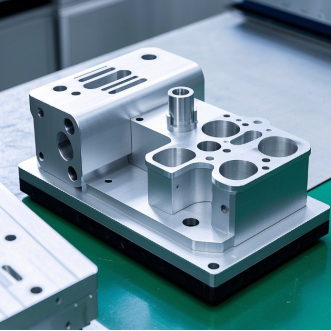
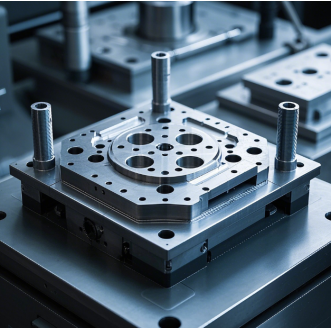
In modern lighting manufacturing, precision and performance are essential. CNC Machining LED Housing Services play a key role in producing high-quality LED enclosures that support efficient lighting systems used in homes, offices, streets, and industrial environments. These services combine digital design and automated machining to create accurate, durable, and visually appealing LED housings.
Introduction to CNC Machining LED Housing Services
LED housing is a critical part of any LED lighting system. It protects internal LED components, supports heat dissipation, and contributes to the product’s overall appearance and structure. Without a well-designed housing, LED lights may overheat, fail early, or lose brightness efficiency.
The CNC Machining LED Housing Services process ensures high precision and repeatability in manufacturing. CNC technology allows manufacturers to produce complex shapes and fine details that improve both function and design. As a result, CNC-machined LED housings improve reliability, performance, and design flexibility in lighting products.
The Significance of CNC Machining in LED Housing Production
LED lighting systems generate heat during operation. If this heat is not properly managed, it can reduce lifespan and performance. CNC machining helps create optimized housing structures that improve heat dissipation while maintaining structural strength and visual design.
By using advanced digital manufacturing methods such as Computer-Aided Design (CAD) and Computer-Aided Manufacturing (CAM), manufacturers can achieve consistent quality and precise control over every detail of the LED housing.
Advantages of CNC Machining for LED Housing
High Precision Manufacturing
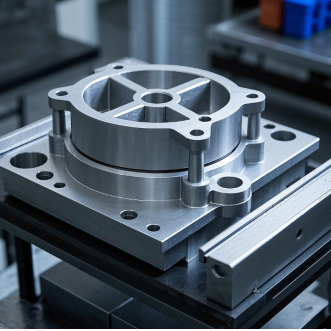
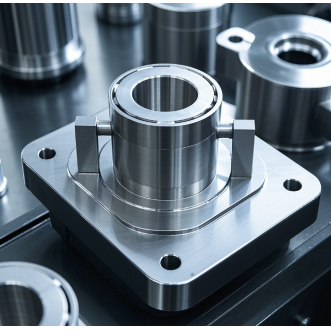
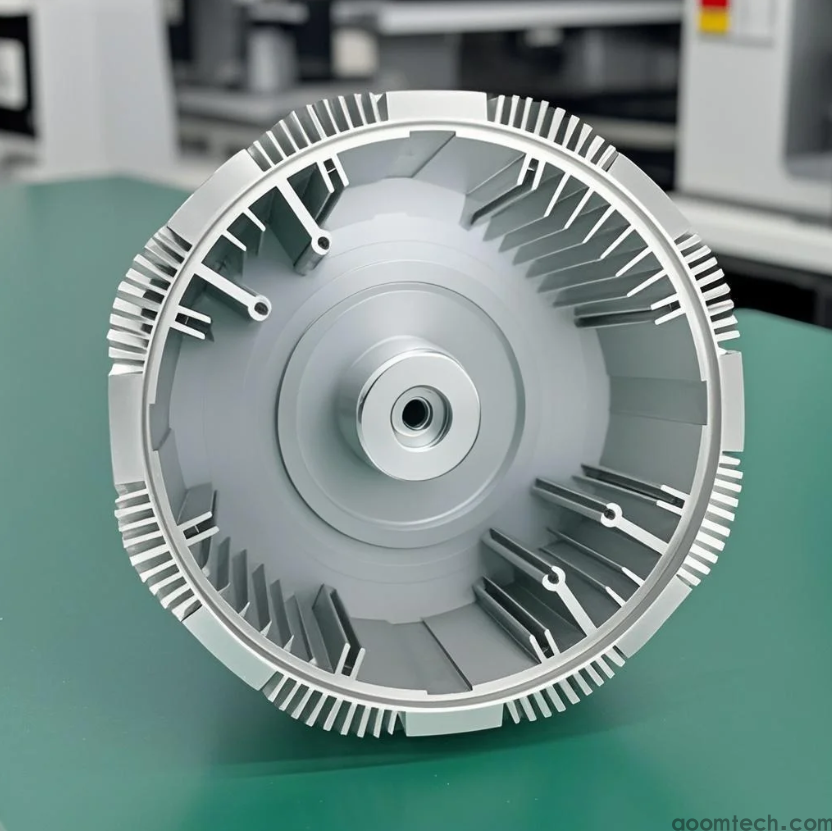
One of the main advantages of CNC machining for LED housing is its high precision. CNC machines follow programmed instructions to create accurate shapes, cutouts, and heat-sink fins with very tight tolerances.
This precision ensures perfect fitting of LED components and efficient thermal performance. For example, a high-end architectural lighting fixture using a CNC-machined aluminum housing achieved excellent heat transfer and a clean, modern design due to its precise fin structure and smooth surface finish.
Custom Design Flexibility
CNC machining allows manufacturers to produce LED housings in a wide range of custom shapes and sizes. This is especially useful for unique lighting designs used in commercial buildings, decorative lighting, or industrial systems.
For instance, a modern office lighting system required a slim and elegant housing design to match interior aesthetics. CNC machining made it possible to produce a customized LED housing that fit perfectly with the architectural style while maintaining performance.
Material Compatibility
CNC machining supports various materials such as aluminum, plastic, and composite materials. Each material offers different benefits:
Aluminum: Excellent heat dissipation and durability
Plastic: Lightweight and cost-effective
Composites: Balanced strength and specialized performance
For example, aluminum is often used for high-power LED floodlights because of its strong thermal conductivity, ensuring stable performance under high temperatures.
Process of CNC Machining LED Housing
Design and CAD/CAM Programming
The process begins with digital design using CAD software. Engineers create a 3D model of the LED housing, considering heat output, LED module size, and installation requirements.
Then, CAM software converts the model into machine instructions. Toolpaths, cutting speeds, and feed rates are carefully defined. This step ensures the CNC machine produces the exact design with high accuracy.
Material Selection and Preparation
Choosing the right material is essential for performance and cost efficiency. Material selection affects heat dissipation, durability, and machining difficulty.
For example, aluminum is often preferred for high-performance LED housings due to its excellent thermal conductivity. Materials may also undergo preparation processes such as cutting, drying, or heat treatment to improve machinability.
Machining Operations
Milling
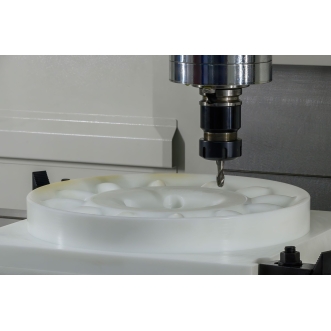
Milling is used to shape the outer structure, internal cavities, and heat-sink fins. Cutting speed and feed rate must be adjusted depending on the material. For aluminum, higher speed and lower feed rates help achieve a smooth surface finish.
Drilling
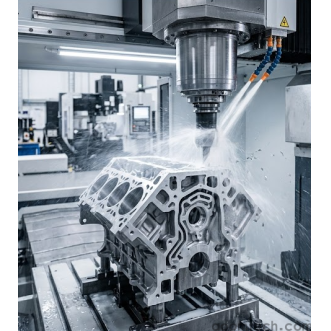
Drilling creates holes for mounting, wiring, or ventilation. Precision is important to ensure proper alignment. Coolant is often used to reduce heat and improve accuracy.
Finishing Operations
After machining, finishing processes improve both appearance and performance. These may include polishing, anodizing, or protective coating.
For example, anodizing aluminum housings improves corrosion resistance and gives a clean, professional appearance suitable for premium lighting products.
Benefits of CNC-Machined LED Housing
Enhanced Heat Dissipation
One of the major benefits of CNC-machined LED housing is improved heat control. Precision-designed heat sinks increase surface area and allow better airflow, reducing LED overheating risks.
This leads to longer LED lifespan and more stable light output, especially in high-power applications like street lighting.
Improved Product Aesthetics and Durability
CNC machining enables smooth surfaces and complex designs that enhance product appearance. Combined with durable materials and finishing processes, LED housings can withstand harsh environments such as outdoor weather conditions.
Cost-Effectiveness in Volume Production
Once programming is completed, CNC machining can produce large quantities of consistent LED housings with low labor cost per unit. This makes it highly efficient for mass production in the lighting industry.
Challenges in CNC Machining LED Housing Services
Complex Design Implementation
Complex heat-sink structures and detailed designs can be difficult to machine. Small programming errors may lead to defective parts that require rework or redesign.
Tool Wear and Maintenance
Hard materials such as aluminum can cause tool wear during machining. Frequent tool replacement may increase production costs and affect delivery schedules.
Cost of Setup
The initial investment for CNC machining systems, software, and programming can be high. This may be challenging for small businesses entering the LED manufacturing industry.
Choosing a CNC LED Housing Machining Service Provider
Experience and Expertise
When choosing a CNC LED housing machining service provider, experience is essential. Skilled providers understand heat management, material behavior, and design optimization. They can also offer suggestions to improve product performance and manufacturability.
Quality Assurance
A reliable provider should have strong quality control systems, including inspection tools and standardized testing procedures. This ensures every LED housing meets required dimensional and thermal standards before delivery.
Cost-Effectiveness and Pricing Transparency
Clear pricing is important for project planning. Customers should compare quotations carefully, considering material costs, machining complexity, and finishing requirements. Transparent pricing helps avoid unexpected expenses.
Conclusion: Selecting the Right CNC Machining LED Housing Service
CNC Machining LED Housing Services offer a powerful solution for producing high-quality lighting components with precision, flexibility, and efficiency. From design and material selection to machining and finishing, every step plays a role in final product performance.
Key considerations include understanding the process of CNC machining LED housing, recognizing the benefits of CNC-machined LED housing, evaluating challenges in CNC machining LED housing services, and carefully selecting a qualified provider.
By making informed decisions, manufacturers and buyers can achieve better performance, improved durability, and cost-effective production for modern LED lighting systems.
RELATED PRODUCTS
-
Medical Brass CNC Machining Parts
-
Precision CNC Machining PEEK Services
-
Precision Custom CNC Machined Car Parts
-
cnc machining optical housings
-
Precision CNC Casting Machining Services
-
Precision Gear CNC Machining Services
-
Precision Stainless Steel Parts CNC Mach
-
CNC Machining of Precision Aluminum Tube
-
CNC Machining of Large Precision Aluminu
-
CNC Machining & Manufacturing of Pre