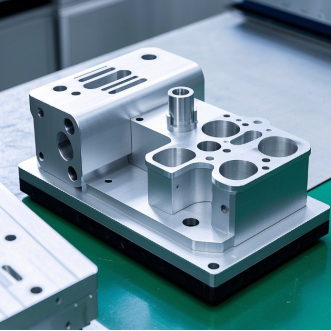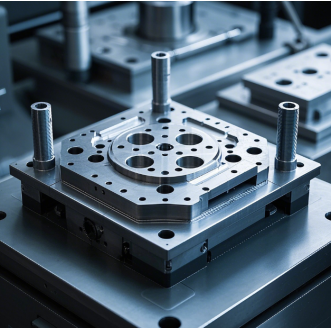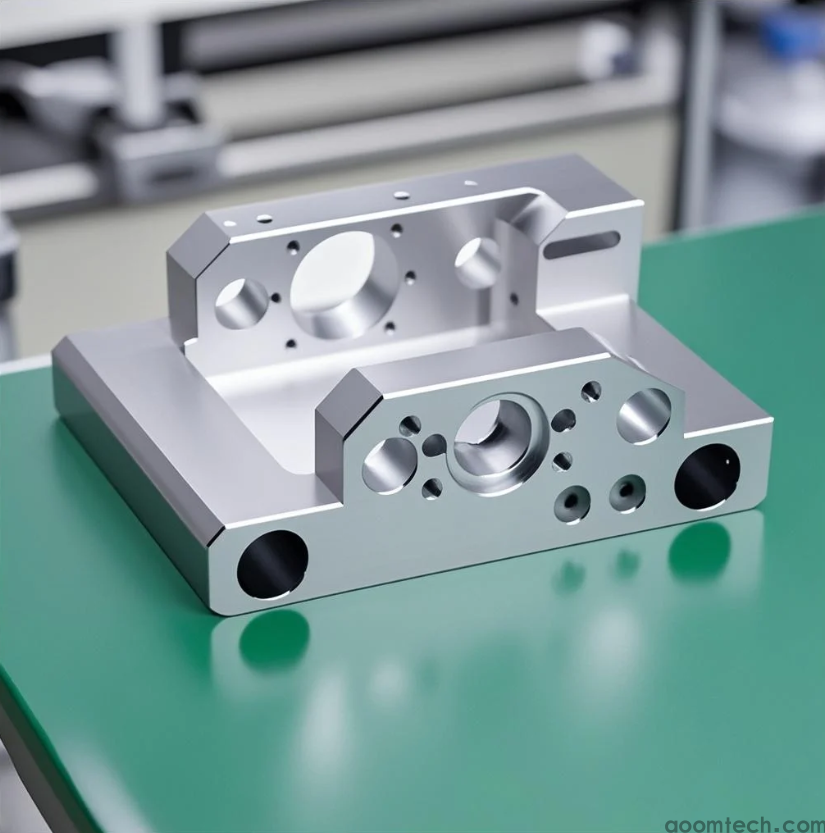
CNC Machining Lightweight Aluminum Parts
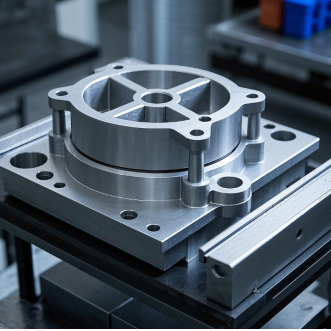
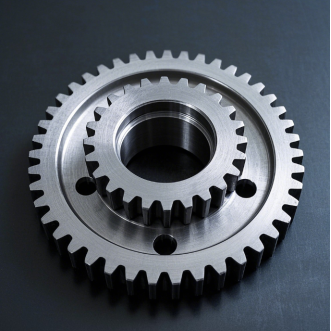
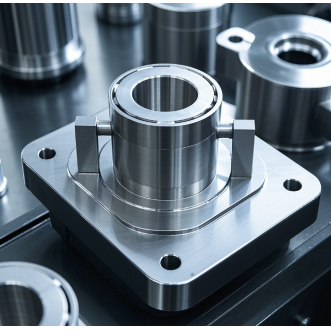
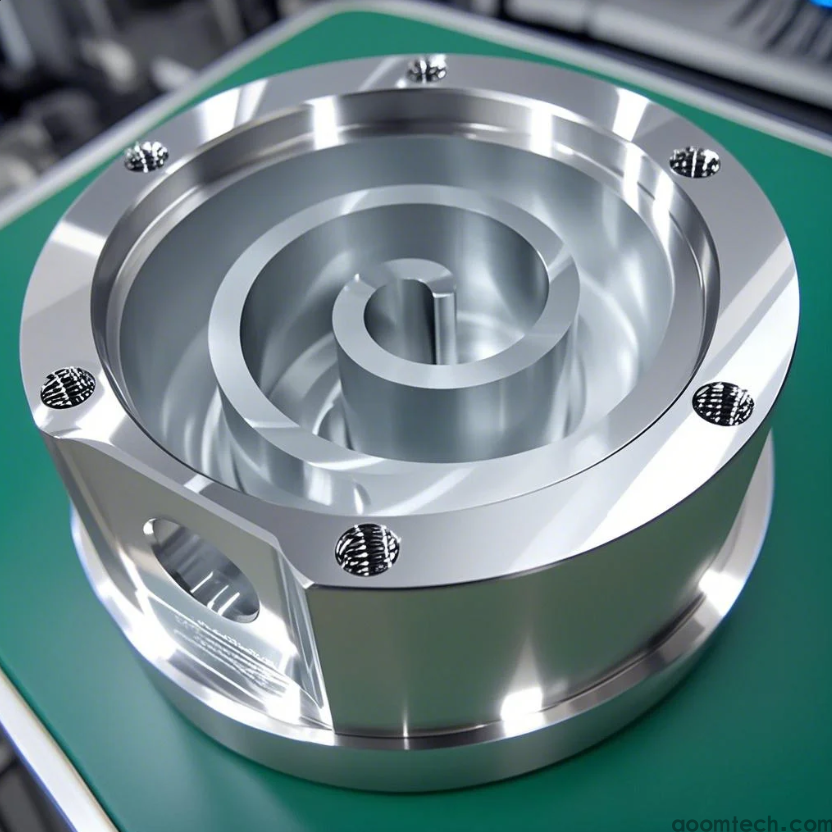
CNC machining lightweight aluminum parts is one of the most popular manufacturing solutions for industries that need strong, accurate, and lightweight components. Aerospace, automotive, robotics, medical devices, electronics, and industrial equipment manufacturers all rely on aluminum because it offers an excellent balance of weight, strength, corrosion resistance, and machinability.
If you are looking for a reliable supplier for CNC machining lightweight aluminum parts, understanding material selection, machining capability, tolerances, surface finishes, and quality control can help you make a better purchasing decision.
Why Choose CNC Machining for Lightweight Aluminum Parts?
CNC machining removes material from a solid aluminum block with computer-controlled cutting tools. The process produces parts with excellent dimensional accuracy and repeatability while maintaining tight tolerances.
Compared with casting or manual machining, CNC machining provides faster development, better consistency, and minimal human error. It is ideal for prototypes, low-volume production, and high-volume manufacturing.
Excellent dimensional accuracy
High repeatability
Fast production cycles
Complex geometry capability
Excellent surface finish
Reduced material waste
Benefits of Lightweight Aluminum Parts
Aluminum is widely used because it delivers high performance without adding unnecessary weight. Many engineers choose aluminum when reducing product weight improves efficiency or performance.
High strength-to-weight ratio
Excellent corrosion resistance
Good thermal conductivity
Good electrical conductivity
Easy to machine
Suitable for anodizing and other surface treatments
Recyclable and environmentally friendly
Common Aluminum Grades Used in CNC Machining
6061 Aluminum
6061-T6 is one of the most common materials for CNC machining lightweight aluminum parts. It offers excellent machinability, good corrosion resistance, and balanced mechanical properties.
Typical applications include:
Automation equipment
Machine components
Electronic housings
Medical equipment
Structural parts
7075 Aluminum
7075 aluminum provides significantly higher strength than 6061 while remaining lightweight. It is commonly selected for demanding engineering applications.
Aerospace components
Drone frames
Defense equipment
High-performance automotive parts
2024 Aluminum
2024 aluminum offers outstanding fatigue resistance and strength. It is widely used in aerospace applications where weight reduction is critical.
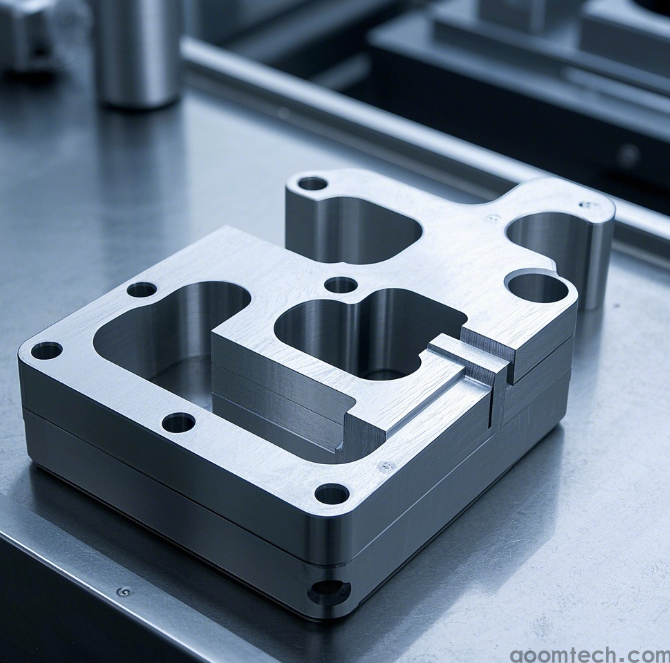
Industries Using CNC Machining Lightweight Aluminum Parts
Many industries depend on lightweight aluminum components to improve efficiency and reduce operating costs.
Aerospace
Automotive
Electric vehicles
Industrial automation
Medical devices
Consumer electronics
Semiconductor equipment
Robotics
Renewable energy systems
Key CNC Machining Processes
3-Axis CNC Milling
Suitable for simple aluminum parts with flat surfaces and standard features. It offers an economical solution for many applications.
4-Axis CNC Machining
Allows machining on multiple sides with fewer setups, improving efficiency and reducing positioning errors.
5-Axis CNC Machining
Complex lightweight aluminum parts often require simultaneous 5-axis machining. This technology improves surface finish while reducing fixture changes and maintaining better true position accuracy.
CNC Turning
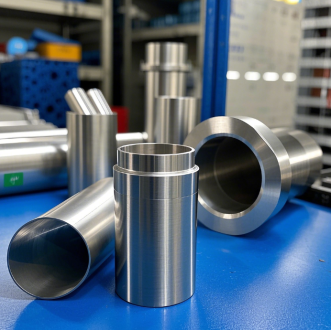
Ideal for cylindrical aluminum components such as shafts, bushings, connectors, and precision fittings.
Maintaining Precision During Aluminum Machining
Although aluminum is easy to machine, lightweight parts can deform if machining parameters are not properly controlled.
Professional manufacturers minimize deformation by using:
Optimized cutting parameters
Proper stepover strategies
Climb milling techniques
Balanced roughing and finishing passes
Vacuum fixtures for thin-wall components
Stress relief before finish machining
High-speed spindles with low spindle runout
Compensation for thermal drift
These machining methods help maintain flatness, perpendicularity, and dimensional stability throughout production.
Typical Tolerances
The achievable tolerance depends on part geometry, material condition, and machining strategy.
General tolerance: ±0.05 mm
Precision machining: ±0.02 mm
High-precision features: ±0.01 mm
Critical aerospace features: tighter upon request
Advanced inspection equipment such as CMM systems verifies dimensional accuracy and GD&T requirements before shipment.
Surface Finish Options
After CNC machining lightweight aluminum parts, manufacturers can apply various finishing processes to improve appearance, durability, and corrosion resistance.
Clear anodizing
Black anodizing
Hard anodizing
Sandblasting
Bead blasting
Powder coating
Brushing
Polishing
Laser engraving
Chemical conversion coating
Quality Control Throughout Production
Reliable CNC machining suppliers follow strict quality management procedures during every manufacturing stage.
Incoming material inspection
First article inspection
In-process quality checks
CMM dimensional inspection
Surface roughness measurement
Thread gauge inspection
Final appearance inspection
Packing inspection before shipment
Consistent quality control reduces defects and ensures every batch meets customer specifications.
How to Choose a CNC Machining Supplier
Not every machine shop has the same capability. When sourcing CNC machining lightweight aluminum parts, consider the following factors:
Experience machining aluminum alloys
3-axis, 4-axis, and 5-axis machining capability
Modern CNC equipment
CMM inspection capability
Engineering support for manufacturability
Stable production capacity
Fast prototype delivery
Competitive pricing
Consistent quality management
Ability to handle both small and large production runs
Applications of Lightweight Aluminum Parts
Drone structural frames
Automotive brackets
Electric vehicle battery housings
Heat sinks
Medical instrument housings
Industrial robot components
Camera equipment
Semiconductor fixtures
Optical equipment
Automation systems
Conclusion
CNC machining lightweight aluminum parts provides an ideal combination of precision, strength, and reduced weight for demanding engineering applications. By selecting the right aluminum alloy, using advanced CNC machining technology, and working with an experienced manufacturer that follows strict quality control procedures, businesses can achieve reliable performance, lower production risk, and consistent product quality. Whether you need prototypes, custom parts, or high-volume production, CNC machining remains one of the most efficient and cost-effective solutions for manufacturing lightweight aluminum components.
RELATED PRODUCTS
-
Medical Brass CNC Machining Parts
-
Precision CNC Machining PEEK Services
-
Precision Custom CNC Machined Car Parts
-
cnc machining optical housings
-
Precision CNC Casting Machining Services
-
Precision Gear CNC Machining Services
-
Precision Stainless Steel Parts CNC Mach
-
CNC Machining of Precision Aluminum Tube
-
CNC Machining of Large Precision Aluminu
-
CNC Machining & Manufacturing of Pre