CNC Machining Manufacturer Services
Introduction to CNC Machining Manufacturer Services
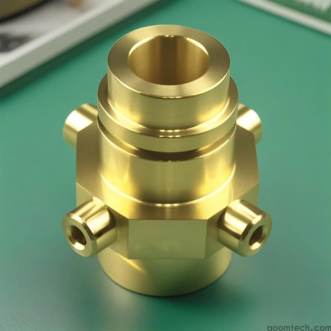
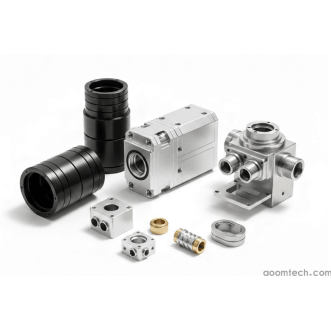
CNC Machining Manufacturer Services refer to production services where manufacturers use Computer Numerical Control (CNC) machines to create parts and components based on customer designs and specifications. These services are widely used in modern industries such as automotive, aerospace, electronics, medical equipment, and industrial machinery. They help turn digital designs into accurate physical parts with high efficiency and consistency.
What are CNC Machining Manufacturer Services?
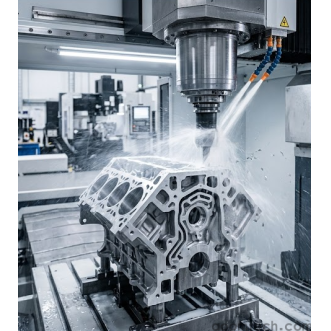
In simple terms, CNC Machining Manufacturer Services involve using computer-controlled machines to cut, shape, drill, and finish materials like metal, plastic, and aluminum. The process follows digital instructions, which reduces human error and improves accuracy. These services are important because they support mass production and custom manufacturing at the same time.
Why CNC Machining Manufacturer Services are Important
Precision and Quality Assurance
One of the main benefits of CNC machining manufacturer services is high precision. CNC machines follow exact computer instructions, allowing very tight tolerances. This means parts are made exactly as designed, which improves product performance and reduces the need for rework.
For example, in a medical device, a CNC-machined component such as a surgical instrument part must fit perfectly. Even a small error could affect performance. CNC machining ensures the part is consistent, reliable, and safe for use.
Customization Capabilities
CNC Machining Manufacturer Services also offer strong customization options. Manufacturers can produce unique shapes, sizes, and designs based on customer needs. This is especially important in industries like aerospace and automotive, where standard parts are often not enough.
For example, a custom vehicle prototype may require a specially designed engine bracket. CNC manufacturers can turn that design into a real part with exact measurements and specifications.
Efficiency and Productivity
Another advantage is speed and efficiency. Once a CNC program is created, machines can run continuously with minimal supervision. This increases production speed and reduces labor costs.
For example, a manufacturer producing thousands of electronic housings can complete a large order in a short time using CNC machines, helping meet tight delivery deadlines.
Types of Services Provided by CNC Machining Manufacturers
Design and Engineering Support
Many CNC machining providers offer design support as part of their services. Engineers help customers improve designs to make them easier and more cost-effective to manufacture. They may also suggest better materials or design adjustments.
For example, an aerospace part may be redesigned to reduce weight while maintaining strength, improving fuel efficiency without reducing safety.
CNC Machining Operations
Milling
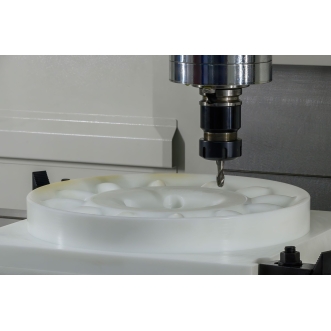
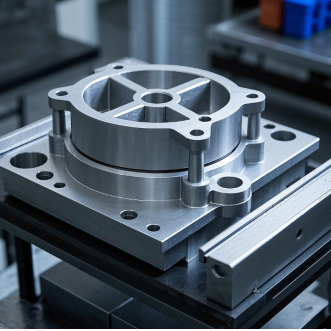
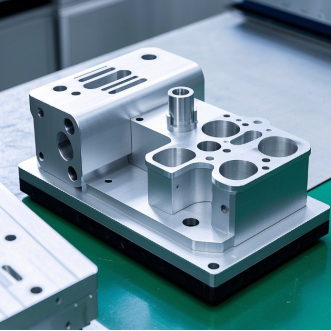
Milling uses rotating cutting tools to remove material from a workpiece. It can create flat surfaces, grooves, holes, and complex 3D shapes. Milling is commonly used for making mechanical housings and structural parts that require high precision.
For example, a custom housing for an industrial device can be produced using CNC milling to ensure perfect fit and alignment of internal components.
Turning
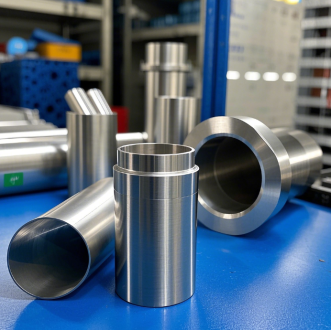
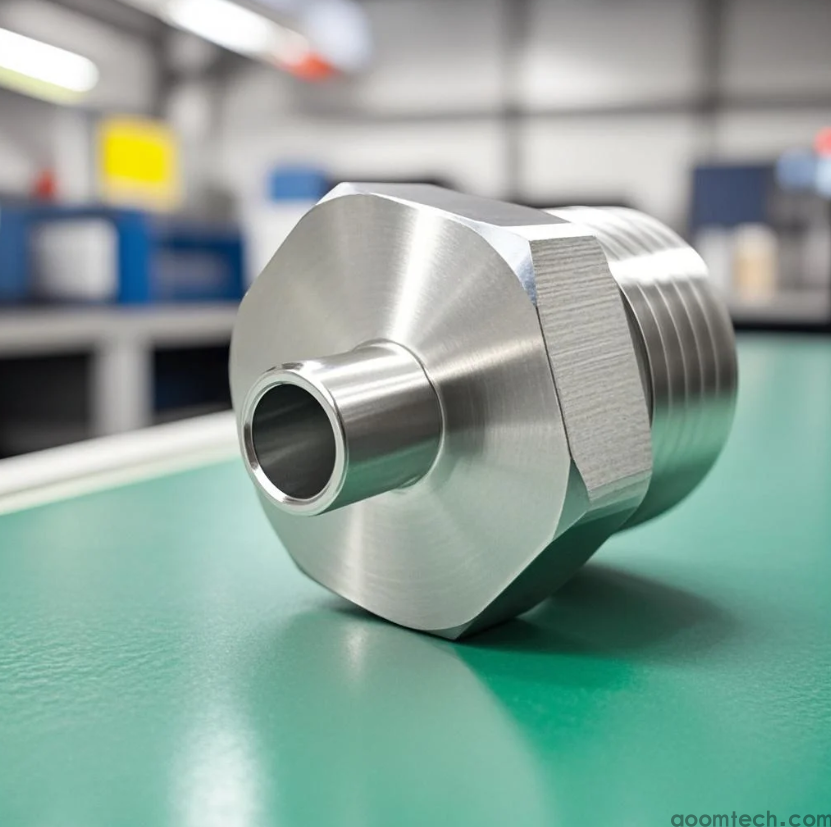
Turning involves rotating the workpiece while a cutting tool removes material to create cylindrical shapes. It is ideal for producing shafts, rods, and rotating parts. Precision is important to ensure smooth rotation and proper balance.
For example, a conveyor system shaft is often made using CNC turning to ensure it rotates smoothly and fits perfectly within bearings.
Drilling and Boring
Drilling creates holes in a material, while boring enlarges or refines existing holes to precise sizes. These processes are essential for assembly parts that require bolts, screws, or fasteners.
For example, metal furniture frames often require precise drilled holes to ensure all parts can be assembled correctly.
Surface Finishing and Treatments
Surface finishing improves both appearance and performance. Common treatments include anodizing, electroplating, and powder coating. These processes improve corrosion resistance, durability, and visual quality.
For example, anodizing aluminum parts helps protect them from rust and wear while also giving them a clean, professional finish.
Quality Control and Inspection
Quality control is a key part of CNC Machining Manufacturer Services. Manufacturers use tools like calipers, micrometers, and coordinate measuring machines (CMM) to check dimensions. They may also use non-destructive testing (NDT) to detect internal defects.
For example, if a crack is detected in a metal component during inspection, it will be removed from production before shipping, ensuring only safe and reliable parts reach customers.
Choosing the Right CNC Machining Manufacturer Service
Experience and Expertise
When selecting a manufacturer, experience matters. A company with industry experience understands technical requirements better and can solve complex manufacturing challenges.
For example, an experienced manufacturer may successfully produce a tight-tolerance aerospace part that a less experienced provider cannot manufacture correctly.
Quality Assurance Measures
A reliable manufacturer should have strong quality systems such as ISO 9001 certification. They should also perform regular inspections and maintain calibrated equipment.
For example, consistent in-process inspections help ensure that every part meets required standards before final delivery, increasing customer confidence.
Cost-Effectiveness and Pricing Transparency
Cost is an important factor when choosing CNC Machining Manufacturer Services. It is recommended to compare multiple quotes and understand what is included, such as material costs, machining time, and finishing.
Tips for better pricing include requesting detailed cost breakdowns and comparing industry market rates before making a decision.
Customer Service and Communication
Good communication ensures smooth production. A professional manufacturer keeps customers updated and responds quickly to issues or design changes.
For example, if there is a design misunderstanding, strong communication between customer and manufacturer can quickly solve the issue and prevent production delays.
Cost Factors in CNC Machining Manufacturer Services
Part Complexity
Complex parts cost more to produce because they require more machining time, advanced tools, and skilled programming. Parts with intricate shapes or tight tolerances take longer to manufacture.
For example, a component with internal cooling channels will cost more than a simple flat bracket due to its complex design.
Material Costs
Material selection strongly affects cost. High-performance materials such as titanium or specialized alloys are more expensive than standard metals like aluminum or steel.
For example, aerospace components made from rare alloys will have higher total costs due to expensive raw materials.
Volume of Production
Production quantity also affects pricing. Larger orders usually reduce cost per unit because setup costs are spread across more parts.
For example, ordering 1,000 units instead of 100 units often results in a lower cost per piece due to economies of scale.
Conclusion: Making an Informed Decision with CNC Machining Manufacturer Services
CNC Machining Manufacturer Services play a key role in modern manufacturing by offering precision, customization, and efficiency. Understanding the types of services provided by CNC machining manufacturers, as well as factors like cost, quality, and experience, helps businesses make better decisions.
When choosing a provider, consider important aspects such as choosing the right CNC machining manufacturer service, quality control systems, and communication support. Also evaluate cost factors in CNC machining manufacturer services to ensure a balanced decision between price and quality.
By carefully reviewing these factors, businesses can find reliable manufacturing partners and achieve better production results. Start by researching manufacturers that match your technical needs and budget requirements.
RELATED PRODUCTS
-
Medical Brass CNC Machining Parts
-
Precision CNC Machining PEEK Services
-
Precision Custom CNC Machined Car Parts
-
cnc machining optical housings
-
Precision CNC Casting Machining Services
-
Precision Gear CNC Machining Services
-
Precision Stainless Steel Parts CNC Mach
-
CNC Machining of Precision Aluminum Tube
-
CNC Machining of Large Precision Aluminu
-
CNC Machining & Manufacturing of Pre