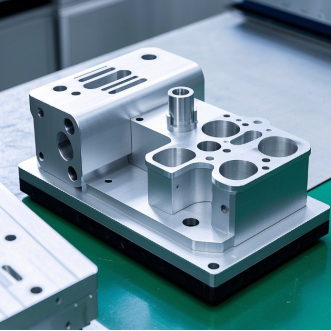
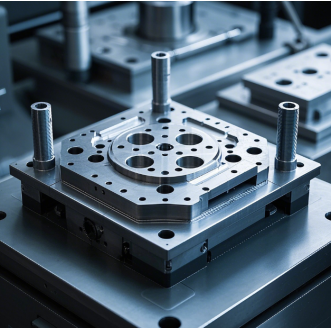
CNC Machining & Manufacturing of Aluminum Parts
Introduction to CNC Machining & Manufacturing of Aluminum Parts
The CNC Machining & Manufacturing of Aluminum Parts plays an important role in modern industries. Aluminum is widely used in automotive, aerospace, electronics, and many other fields because it is lightweight, strong, and easy to process. CNC (Computer Numerical Control) machining provides a precise and efficient way to manufacture aluminum components with high accuracy and repeatability.
Aluminum CNC parts help improve product performance, reduce weight, and lower overall production costs. From aircraft structures to electronic enclosures, CNC-machined aluminum parts are essential for creating reliable and high-performance products across different industries.
Advantages of CNC Machining Aluminum Parts
Lightweight and High-Strength Ratio
One of the biggest advantages of CNC machining aluminum parts is aluminum’s excellent strength-to-weight ratio. It is strong enough for demanding applications while remaining lightweight. CNC machining allows manufacturers to shape aluminum into precise parts without adding unnecessary weight.
For example, in aerospace applications, CNC-machined aluminum aircraft components help reduce overall aircraft weight, improving fuel efficiency and flight performance. A lightweight wing component made from aluminum can significantly enhance both speed and energy savings.
Good Machinability
Aluminum is highly machinable, which means it can be cut, drilled, and shaped quickly and efficiently. CNC machines can operate at high speeds when processing aluminum, improving production efficiency and reducing manufacturing time.
For instance, the process of CNC manufacturing aluminum parts makes it possible to produce complex electronic housings in a short time. A custom aluminum device enclosure can be manufactured with precise openings, smooth edges, and tight tolerances using CNC milling and turning.
Corrosion Resistance
Aluminum naturally resists corrosion, and this property can be further improved through surface treatments such as anodizing. This makes CNC-machined aluminum parts suitable for harsh environments.
In marine applications, for example, aluminum boat railings that are CNC-machined and anodized can resist saltwater corrosion for many years, maintaining both strength and appearance.
Process of CNC Manufacturing Aluminum Parts
Design and CAD/CAM Programming
The manufacturing process begins with detailed design work. Engineers use CAD (Computer-Aided Design) software to create a 3D model of the part. Then, CAM (Computer-Aided Manufacturing) software converts this model into CNC machine instructions.
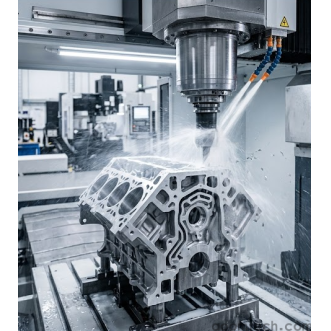
During programming, toolpaths, cutting speeds, and feed rates are carefully set based on aluminum’s properties. For example, when machining a complex engine block, engineers must consider aluminum’s softness and heat conductivity to avoid deformation and ensure precision.
Material Selection and Preparation
Choosing the right aluminum alloy is essential. Common options include:
6061 aluminum: General-purpose, good strength and corrosion resistance
7075 aluminum: High strength, widely used in aerospace
2024 aluminum: Excellent fatigue resistance
The selected material is then cut into suitable sizes and inspected for quality. Different alloys require different machining strategies. For example, harder alloys may need stronger cutting tools and adjusted machining speeds.
Machining Operations
Milling
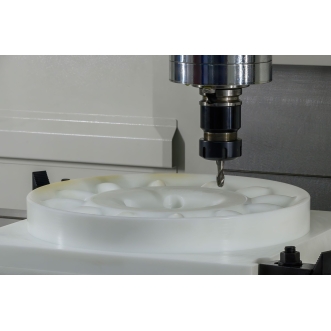
Milling is used to create flat surfaces, grooves, and complex 3D shapes. Tools like end mills and ball nose cutters are commonly used. Proper cutting speed and feed rate are important to avoid material sticking or surface defects.
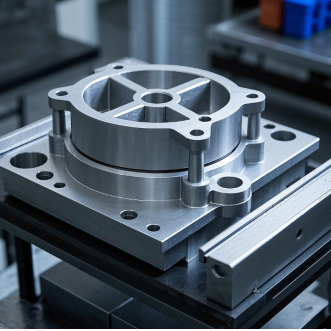
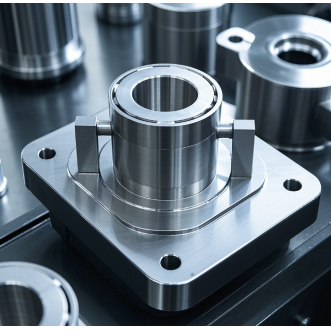
For example, CNC milling can produce a precise aluminum fixture used in industrial assembly systems.
Turning
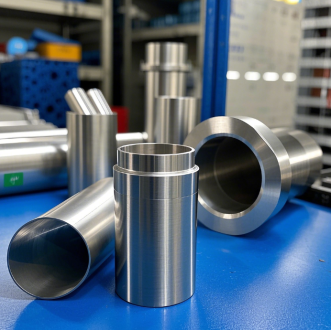
Turning is used for cylindrical parts such as shafts and tubes. The aluminum workpiece rotates while the cutting tool removes material. Sharp tools are essential to maintain smooth surfaces and prevent deformation.
Drilling
Drilling creates accurate holes in aluminum parts. Proper drill bit selection, coolant use, and feed pressure are critical to prevent overheating or tool wear. For instance, a 6061 aluminum plate may require specific drilling settings to ensure perfect alignment for assembly.
Surface Finishing
Surface finishing improves both appearance and durability. Common methods include:
Anodizing for corrosion resistance and color enhancement
Powder coating for protective and decorative layers
Polishing for smooth and reflective surfaces
Anodized aluminum parts often last longer and maintain better appearance in outdoor environments.
Quality Control
Quality control ensures every part meets strict standards. Tools such as calipers, micrometers, and CMM (Coordinate Measuring Machines) are used for inspection.
For example, if a CNC-machined aluminum bracket has incorrect dimensions, in-process inspection can detect the error early, preventing defective parts from reaching customers.
Applications of CNC-Machined Aluminum Parts
Automotive Industry
In the automotive industry, aluminum CNC parts are used in engine components, wheels, and suspension systems. Their lightweight nature helps improve fuel efficiency and performance.
For example, a lightweight aluminum engine block reduces vehicle weight and enhances energy efficiency.
Aerospace Industry
The aerospace industry relies heavily on aluminum due to its strength and low weight. CNC machining is used to produce wing structures, fuselage parts, and engine components with high precision.
Advanced machining techniques allow manufacturers to create complex aircraft components that meet strict safety and performance standards.
Electronics Industry
Aluminum is widely used in electronics for heat sinks, device enclosures, and mounting structures. Its excellent thermal conductivity helps dissipate heat efficiently.
For example, CNC-machined aluminum heat sinks help prevent overheating in high-performance processors and electronic devices.
Choosing a CNC Aluminum Parts Manufacturer
Experience and Expertise
When selecting a supplier, experience is very important. An experienced manufacturer understands the challenges of machining aluminum, such as surface finish control and tool selection.
For example, companies like , , and represent advanced CNC technology and industry expertise that support high-quality manufacturing.
Quality Assurance
A reliable manufacturer should have strong quality control systems. This includes regular inspections, calibrated equipment, and strict tolerance control. A strong QA system ensures consistent product quality and reduces defects.
Cost-Effectiveness and Pricing Transparency
Pricing is another important factor. A good manufacturer provides clear cost breakdowns, including material, machining, and finishing costs. Comparing multiple suppliers helps ensure fair pricing.
Delivery Time and Customer Service
Fast delivery and good communication are essential. Delays in CNC aluminum parts can affect entire production schedules. Reliable customer service ensures smooth project management and timely updates.
Cost Factors in CNC Machining Aluminum Parts
Part Complexity
Complex designs require more machining time and advanced programming, which increases cost. Parts with tight tolerances or detailed internal structures are more expensive to produce.
Material Costs
Different aluminum alloys have different prices. High-performance alloys like 7075 cost more than standard 6061 due to their improved strength and aerospace applications.
Volume of Production
Production volume significantly affects cost. Larger orders reduce per-unit cost because setup and programming costs are distributed across more parts.
Conclusion: Making the Right Choice in CNC Machining & Manufacturing of Aluminum Parts
The CNC Machining & Manufacturing of Aluminum Parts process is essential for producing high-quality, lightweight, and durable components used across many industries. Understanding the process of CNC manufacturing aluminum parts, their benefits, applications, and cost factors helps businesses make better decisions.
Whether you are considering the applications of CNC-machined aluminum parts or evaluating the cost factors in CNC machining aluminum parts, choosing the right manufacturer is key to success. By carefully comparing suppliers and understanding your project requirements, you can achieve high precision, efficiency, and long-term value.
RELATED PRODUCTS
-
Medical Brass CNC Machining Parts
-
Precision CNC Machining PEEK Services
-
Precision Custom CNC Machined Car Parts
-
cnc machining optical housings
-
Precision CNC Casting Machining Services
-
Precision Gear CNC Machining Services
-
Precision Stainless Steel Parts CNC Mach
-
CNC Machining of Precision Aluminum Tube
-
CNC Machining of Large Precision Aluminu
-
CNC Machining & Manufacturing of Pre