CNC Machining Mechanical Parts Services
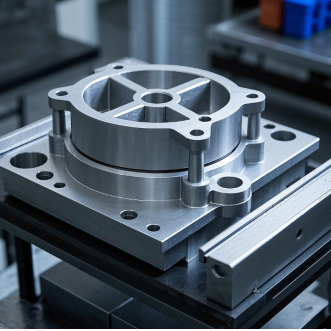
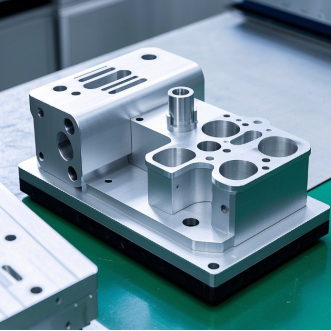
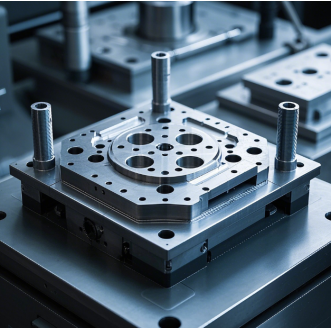
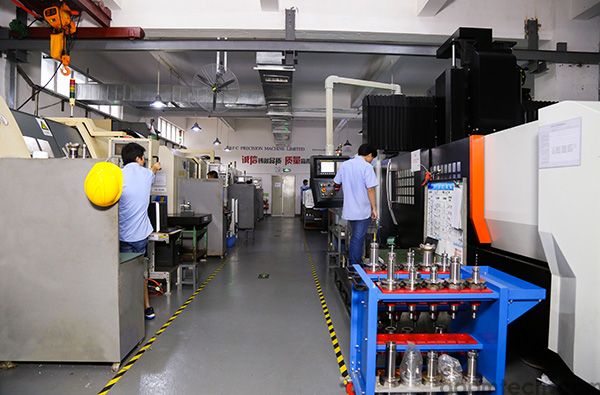
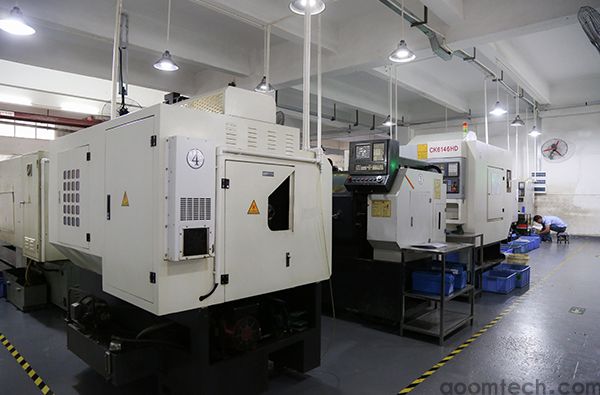
CNC Machining Mechanical Parts Services play a key role in today’s manufacturing world. Almost every machine you see around you—cars, factory equipment, home appliances, and industrial tools—depends on mechanical parts made with high precision. CNC (Computer Numerical Control) machining makes it possible to produce these parts accurately, efficiently, and consistently.
Introduction to CNC Machining Mechanical Parts Services
The Role of Mechanical Parts in Machinery
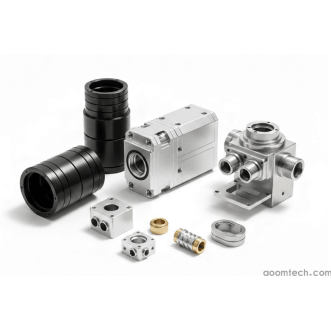
Mechanical parts are the building blocks of all machines. They work together to transmit power, support structures, and enable movement. Without them, machines cannot function properly.
Common examples of mechanical parts include:
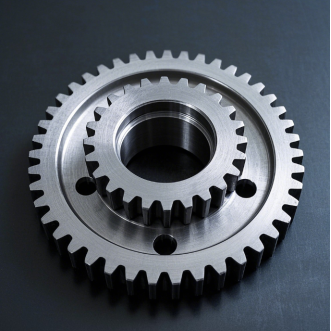
Gears – transfer motion and torque between components
Shafts – transmit rotational power in engines and machines
Brackets – support and fix components in place
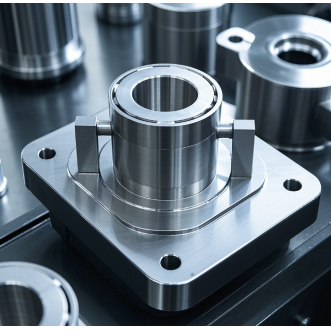
Bearings housings – reduce friction and support rotating parts
These parts are widely used in automobiles, industrial machines, robotics systems, and household appliances. Because they directly affect performance and safety, they must be manufactured with high accuracy.
Importance of CNC Machining for Mechanical Parts
Precision for Optimal Function
CNC machining enables the production of mechanical parts with extremely high precision. Since these parts often require tight tolerances, even a small error can lead to serious problems such as vibration, noise, or early wear.
For example, in a high-speed engine, a slightly incorrect gear dimension can reduce efficiency and damage other components. CNC technology ensures every part is produced exactly according to the design, improving reliability and performance.
Complex Geometries and Customization
Modern machines often require parts with complex shapes and unique designs. CNC machining makes it possible to produce these custom components with high accuracy.
Examples include:
A camshaft with precisely shaped lobes for engine timing
Custom brackets for robotics or industrial automation systems
Internal structured parts with precise channels or cavities
This flexibility is one of the biggest advantages of CNC machining mechanical parts services, especially for industries requiring custom solutions.
Cost-effectiveness for Batch Production
Once a CNC program is created, it can be reused to produce large quantities of identical parts. This makes production faster and more cost-effective compared to manual machining.
This is especially useful for industries such as automotive and electronics, where thousands or even millions of identical mechanical parts are required with consistent quality.
CNC Machining Processes for Mechanical Parts
CNC Milling for Mechanical Parts
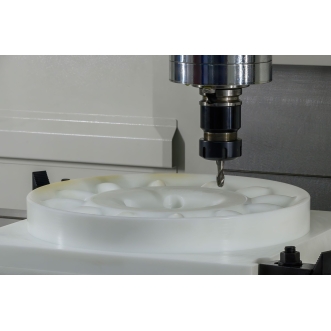
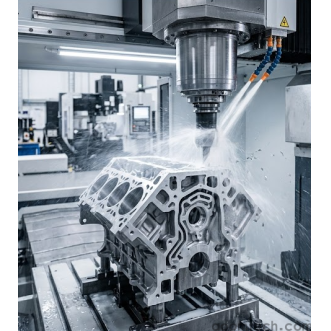
CNC milling for mechanical parts is one of the most common machining methods. It uses a rotating cutting tool to remove material from a solid block.
Milling can be used to create:
Flat surfaces for assembly
Slots for keys, fasteners, or retaining rings
Complex 3D shapes and contours
Proper tool selection and cutting parameters (such as spindle speed, feed rate, and depth of cut) are very important. For example, machining aluminum requires different settings compared to hardened steel to achieve a smooth surface and long tool life.
CNC Turning for Cylindrical Components
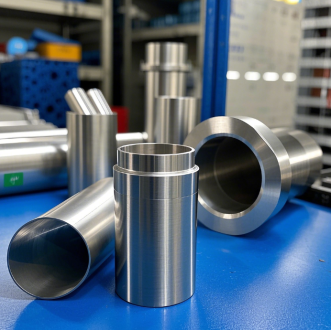
CNC turning for mechanical shafts is used to produce round or cylindrical parts. In this process, the workpiece rotates while a cutting tool removes material.
Typical turned parts include:
Shafts
Bushings
Threaded rods
Turning requires careful control of speed and feed rate to ensure smooth surface finishing and accurate concentricity. This is especially important for rotating components used in engines or industrial machines.
Drilling and Boring
Drilling creates holes for fasteners, lubrication, or assembly purposes. Boring is used to enlarge and refine existing holes for better accuracy.
These processes require precise hole positioning. Even a small misalignment can affect how mechanical parts fit together. For example, a poorly drilled bracket hole can cause misalignment during assembly.
Materials for CNC-Machined Mechanical Components
Metals
Materials for CNC-machined mechanical components often include metals due to their strength and durability.
Steel – High strength and wear resistance, used in gears, shafts, and structural parts
Aluminum – Lightweight and corrosion-resistant, widely used in automotive and aerospace applications
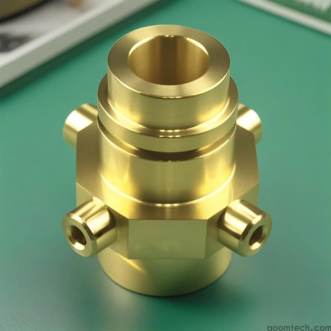
Brass – Excellent machinability and corrosion resistance, often used in fittings and electrical components
Each metal has different machining characteristics. For example, steel requires stronger cutting tools, while aluminum allows faster machining speeds.
Plastics
Plastics are also widely used for mechanical parts, especially in lightweight or low-load applications.
Nylon – Wear-resistant and suitable for gears and bushings
Polycarbonate – High impact resistance, used for protective covers
Acetal (POM) – Excellent dimensional stability for precision parts
When machining plastics, heat control is important to avoid melting or deformation.
Choosing a Provider for CNC Mechanical Part Machining
Technical Expertise
When selecting a supplier, technical knowledge is very important. A reliable provider of choosing a provider for CNC mechanical part machining should understand materials, machining processes, and design requirements.
Good ways to evaluate expertise include:
Reviewing past project case studies
Checking sample parts for quality and precision
Understanding their experience in your industry
Quality Assurance Systems
A strong quality control system ensures that every part meets required standards. Professional CNC machining providers use tools such as calipers, micrometers, and surface testers to inspect parts during and after production.
A reliable quality process usually includes:
Incoming material inspection
In-process dimensional checks
Final inspection before delivery
This reduces the risk of defects and ensures consistent performance of mechanical parts.
Cost-effectiveness and Lead Times
Cost is important, but it should always be balanced with quality. The cheapest option is not always the best if it leads to poor performance or frequent replacements.
When evaluating providers, consider:
Comparing multiple quotations
Checking production capacity
Reviewing on-time delivery records
Reliable CNC machining mechanical parts services should offer both reasonable pricing and stable lead times.
Conclusion
CNC machining has become essential in modern manufacturing. From simple shafts to complex custom mechanical systems, CNC technology ensures precision, repeatability, and efficiency.
By understanding machining processes, material options, and supplier selection criteria, businesses can make better decisions and improve product quality. High-quality CNC Machining Mechanical Parts Services help ensure machines operate smoothly, safely, and efficiently across all industries.
RELATED PRODUCTS
-
Medical Brass CNC Machining Parts
-
Precision CNC Machining PEEK Services
-
Precision Custom CNC Machined Car Parts
-
cnc machining optical housings
-
Precision CNC Casting Machining Services
-
Precision Gear CNC Machining Services
-
Precision Stainless Steel Parts CNC Mach
-
CNC Machining of Precision Aluminum Tube
-
CNC Machining of Large Precision Aluminu
-
CNC Machining & Manufacturing of Pre