CNC Machining Molds Services
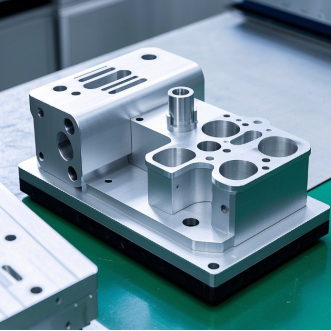
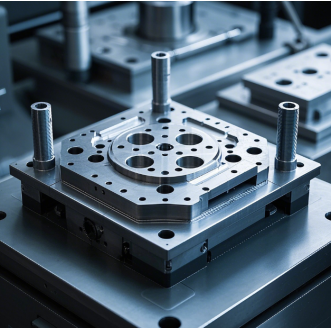
CNC Machining Molds Services are essential in modern manufacturing. They help create precise molds used to produce large numbers of identical parts. These services support industries such as automotive, plastics, electronics, medical devices, and consumer goods. Understanding how mold machining works helps businesses choose better production methods, improve product quality, and reduce long-term costs.
At the core of this process is Computer Numerical Control (CNC) technology, which allows machines to follow computer instructions with high accuracy. ensures that molds are made with consistent precision, even for very complex shapes.
The Role of CNC Machining Molds Services
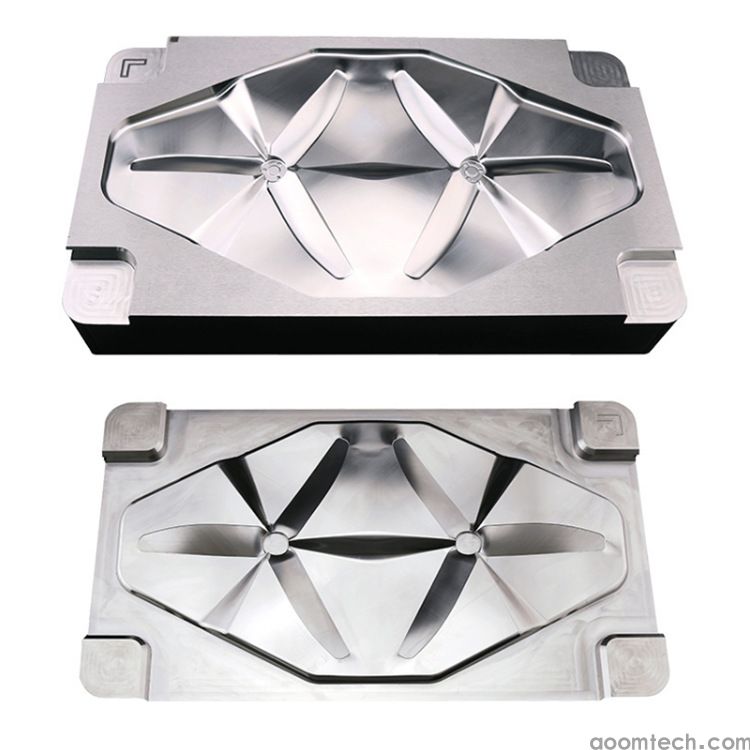
CNC machining molds services play a key role in mass production. A mold is a tool used to shape materials such as plastic, metal, or rubber into finished parts. Without high-quality molds, it is impossible to produce consistent products at scale.
For example, car dashboards, plastic bottles, phone cases, and electronic housings all rely on molds created through CNC machining. This makes CNC Machining Molds Services important for both small manufacturers and large industrial companies.
What CNC Machining Molds Services Entail
Design and CAD/CAM Programming
The process starts with design. Engineers use CAD (Computer-Aided Design) software to create a 3D model of the mold. This model defines shape, size, and structure based on the final product requirements.
Then CAM (Computer-Aided Manufacturing) software converts the design into machine instructions. This includes toolpaths, cutting speeds, and feed rates. For example, a simple plastic cap mold design is translated into CNC code that tells the machine exactly how to cut the metal block step by step.
This stage is important because even a small programming error can affect the final mold quality.
Material Selection and Preparation
Choosing the right material is critical. Steel is commonly used for strong, long-lasting molds, while aluminum is chosen for lighter weight and faster heat transfer.
The material affects both performance and cost. Steel molds last longer but cost more, while aluminum molds are cheaper but may wear out faster. Before machining, materials are cut to size and sometimes heat-treated to improve strength and machinability.
Understanding material selection is one of the key advantages of CNC machining for molds because it directly impacts product durability and efficiency.
Machining Operations
Milling
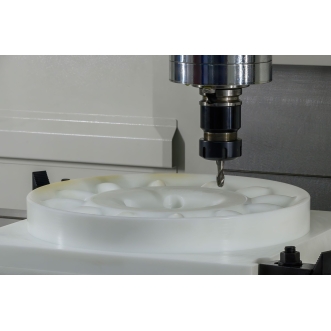
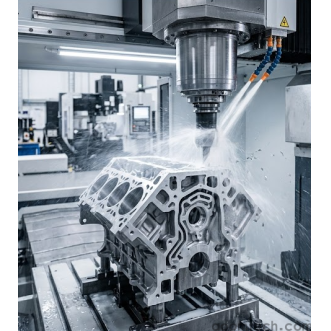
Milling is the main process in mold making. It removes excess material to create cavities and detailed shapes. Different tools are used, such as end mills and ball-nose cutters, depending on the design.
Operators adjust spindle speed and feed rate to ensure smooth surface finish and accurate dimensions.
Drilling
Drilling creates holes for ejector pins, cooling channels, and assembly features. Accurate hole placement is important for mold performance and product quality. Poor drilling can cause misalignment or tool breakage.
EDM (Electrical Discharge Machining)
EDM is used when traditional cutting cannot reach complex shapes or very hard materials. It works by using electrical sparks to remove material.
For example, deep corners or fine details in metal molds are often made using EDM because it provides better precision in difficult areas.
Surface Finishing
After machining, molds need finishing. Polishing improves smoothness, reduces friction, and helps parts release easily from the mold. Texturing can create patterns on products, while coatings improve corrosion resistance and lifespan.
A well-finished mold improves both product appearance and production efficiency.
Advantages of CNC Machining for Molds
High Precision
CNC machining provides extremely high accuracy. Every movement is controlled by a computer system, ensuring consistent results.
This is especially important in industries like automotive manufacturing, where even small errors can affect part performance. High precision also reduces waste and improves production efficiency.
Complex Geometry Creation
CNC technology can create very complex mold designs that are difficult or impossible with traditional methods.
For example, smartphone case molds with detailed curves, cutouts, and internal structures can be produced with high accuracy. This is one of the biggest advantages of CNC machining for molds.
Cost-Effectiveness for Medium to Large Batches
Although CNC mold production requires higher initial investment, it becomes cost-effective for medium and large production runs. Once the mold is made, it can produce thousands or even millions of parts.
This reduces the cost per product over time and improves overall production efficiency.
Challenges in CNC Machining Molds Services
Complex Programming
Mold programming can be difficult, especially for complex shapes. CAM programmers must understand both design intent and machine behavior.
Using simulation software helps reduce errors before actual machining begins. Experience also plays a major role in avoiding costly mistakes.
Tool Wear and Maintenance
Cutting hard materials causes tool wear. Worn tools reduce accuracy and surface quality.
Regular inspection, proper cutting fluids, and optimized cutting speeds help extend tool life and maintain consistent quality.
Quality Control
Quality control ensures molds meet strict standards. Measurements are taken during and after machining using precision tools such as coordinate measuring machines (CMMs).
In-process inspection helps detect problems early, reducing waste and avoiding defective molds.
Choosing a CNC Machining Molds Service Provider
Experience and Expertise
When selecting a provider, experience is very important. A skilled company understands how to handle different materials, complex designs, and production challenges.
Experienced providers are more likely to deliver stable and reliable molds, even for demanding industries.
Quality Assurance
A strong quality system ensures consistent results. This includes inspection processes, calibrated tools, and strict testing standards.
A reliable provider will always verify mold accuracy before delivery, giving customers confidence in the final product.
Cost and Pricing Transparency
Clear pricing is important when choosing CNC Machining Molds Services. A good supplier provides detailed quotations, including material costs, machining time, and finishing work.
Comparing multiple quotes helps businesses understand fair market pricing and avoid hidden costs.
Delivery Time and Customer Service
Fast delivery and good communication are key. Delays in mold production can affect entire manufacturing schedules.
Good customer service ensures updates during production and quick responses to technical questions or changes.
Conclusion: Making the Right Choice in CNC Machining Molds Services
CNC machining molds services are essential for modern manufacturing. They provide precision, support complex designs, and enable efficient mass production.
However, challenges such as programming difficulty, tool wear, and quality control must be carefully managed. By understanding these factors, businesses can make better decisions.
When selecting a provider, consider experience, quality systems, pricing transparency, and delivery capability. This helps ensure long-term success in production.
If you are planning a new project, start by comparing providers and evaluating their capabilities in types of molds in CNC machining services and their ability to deliver consistent results for your needs.
RELATED PRODUCTS
-
Medical Brass CNC Machining Parts
-
Precision CNC Machining PEEK Services
-
Precision Custom CNC Machined Car Parts
-
cnc machining optical housings
-
Precision CNC Casting Machining Services
-
Precision Gear CNC Machining Services
-
Precision Stainless Steel Parts CNC Mach
-
CNC Machining of Precision Aluminum Tube
-
CNC Machining of Large Precision Aluminu
-
CNC Machining & Manufacturing of Pre