CNC Machining of Golf Club Molds
Introduction to CNC Machining of Golf Club Molds
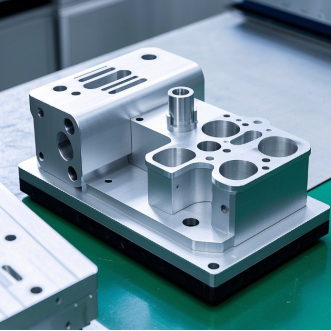
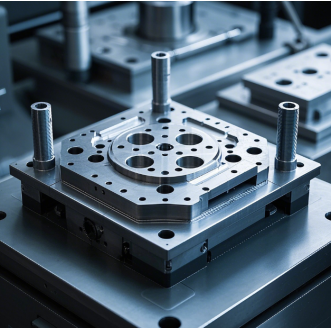
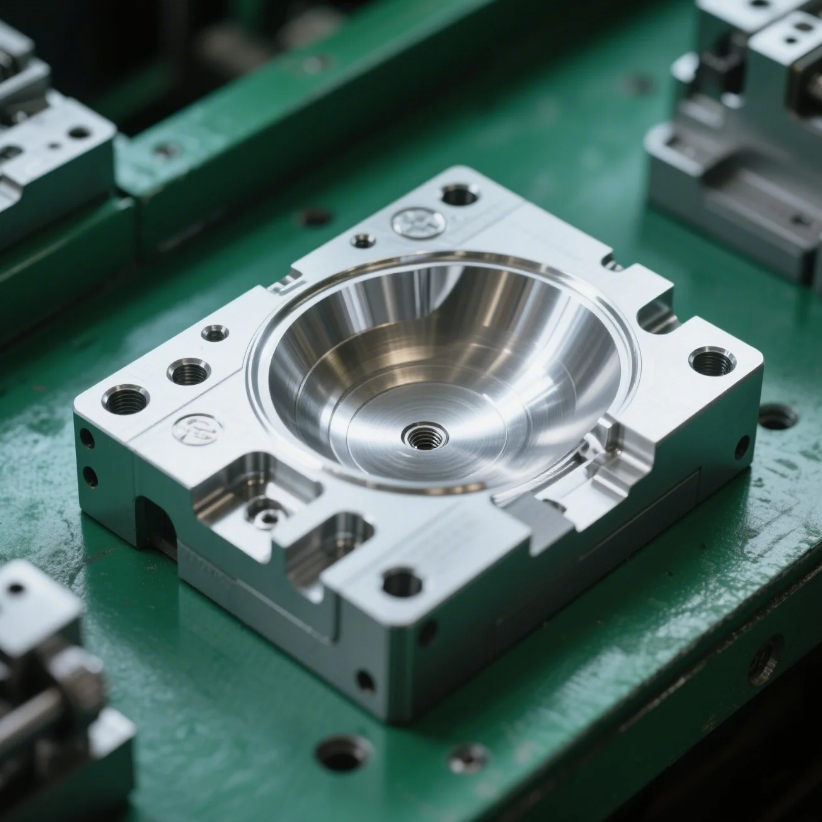
The CNC Machining of Golf Club Molds plays a key role in modern golf equipment manufacturing. Golf club molds are used to shape the heads of golf clubs, which directly affects how the club performs, feels, and looks. Without high-quality molds, it is difficult to produce consistent and reliable golf clubs.
CNC (Computer Numerical Control) machining is a precise and efficient method used to create these molds. It allows manufacturers to produce detailed and accurate mold designs that help improve performance, consistency, and aesthetics of golf clubs used by beginners and professional players alike.
In this article, we will explain the importance, process, benefits, challenges, and applications of CNC Machining of Golf Club Molds in simple and clear language.
Importance of CNC Machining for Golf Club Molds
Precision and Consistency
The importance of CNC machining for golf club molds lies mainly in its high precision. The computer-controlled system follows exact design instructions, ensuring every mold is made with the same accuracy. This consistency is very important in golf club production.
For example, when a golf club head mold is CNC-machined, each club head produced from that mold will have the same weight distribution and shape. This helps players get consistent swing performance every time they use the club.
Complex Design Realization
Modern golf clubs often have complex and stylish designs. CNC machining makes it possible to turn these advanced designs into real molds without losing detail.
For example, a driver head mold with an aerodynamic curved shape can be precisely created using CNC technology. This allows designers to improve airflow, reduce resistance, and increase driving distance.
Process of CNC Machining Golf Club Molds
Design and Programming
The process of CNC machining golf club molds starts with design work. Engineers use CAD (Computer-Aided Design) software to create a 3D model of the mold. This model includes all details such as shape, size, and performance features.
Next, CAM (Computer-Aided Manufacturing) software converts the design into a CNC program. This program controls toolpaths, speed, and cutting depth.
For example, when designing a putter mold, programmers may face challenges in controlling smooth curves. Special toolpath strategies are used to ensure a clean and accurate surface.
Material Selection and Preparation
Material choice is very important in CNC Machining of Golf Club Molds. Common materials include aluminum, steel, and composite materials.
Aluminum is easy to machine and lightweight, making it suitable for fast production. Steel is harder and more durable, often used for long-term mold use. Material hardness affects cutting speed and tool wear, so machining settings must be adjusted carefully.
Before machining, raw materials are cut into proper sizes and sometimes heat-treated to improve performance during cutting.
Fixture and Setup
Proper fixture setup ensures the material stays stable during machining. If the material moves even slightly, the mold may become inaccurate.
For example, a custom fixture may be used to hold an aluminum block tightly while machining a golf club head mold. This prevents vibration and improves accuracy.
Machining Operations
Milling
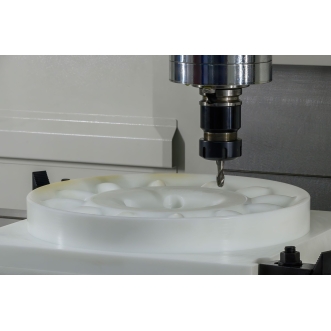
Milling is the main process used to shape golf club molds. Cutting tools remove material layer by layer to form the final shape. Cutting speed and feed rate must be carefully controlled.
For steel molds, slower cutting speeds are often used to achieve smoother surfaces and reduce tool wear.
Drilling and Boring
Drilling and boring are used to create precise holes and internal features in the mold. These steps are important for fitting inserts and other components.
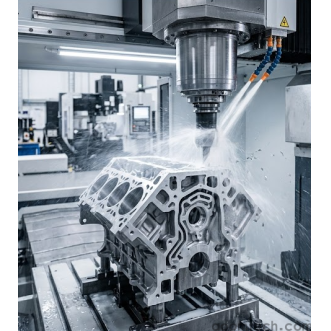
Coolant is often used to reduce heat and improve accuracy during drilling operations.
Finishing Operations
Finishing processes such as polishing or texturing improve the surface quality of the mold. A smooth surface helps the golf club head release easily from the mold.
For example, a polished mold surface reduces sticking issues during mass production.
Quality Control and Inspection
Quality control is a very important step in CNC Machining of Golf Club Molds. Tools like coordinate measuring machines (CMM), micrometers, and optical devices are used to check accuracy.
For example, if a CMM detects a small size error in the mold, adjustments are made before mass production begins. This ensures all golf clubs meet design standards.
Benefits of CNC - Machined Golf Club Molds
High-Quality Output
One of the main benefits of CNC Machining of Golf Club Molds is high product quality. The precision of CNC machining ensures that every mold produces accurate and reliable golf clubs.
This leads to better performance and improved player satisfaction in both professional and amateur markets.
Cost-Effectiveness for Medium to Large Production
Once a CNC program is created, it can be reused for multiple molds. This reduces production time and cost for large batches.
Manufacturers can produce many molds with consistent quality, making CNC machining a cost-effective solution for large-scale golf club production.
Design Flexibility
CNC machining allows designers to quickly modify digital models and create new mold designs. This makes it easier to test new ideas and respond to market needs.
For example, a company can quickly redesign a driver head mold to improve distance performance and produce a new version in a short time.
Challenges in CNC Machining Golf Club Molds
Maintaining Precision over Large Areas
Large molds can be difficult to machine with perfect accuracy. Tool wear, heat, and vibration can affect precision over time.
For example, worn cutting tools may cause small shape errors in large mold surfaces, requiring tool replacement and recalibration.
Complex Surface Machining
Golf club molds often include curved and irregular surfaces. These shapes require advanced programming and careful machining control.
Special toolpaths and slow finishing operations are often needed to achieve smooth and accurate results.
Tool Wear and Breakage
Hard materials like steel can cause fast tool wear. This increases production cost and downtime.
To reduce tool damage, manufacturers use cooling fluids, optimized cutting paths, and high-quality carbide tools.
Applications of CNC - Machined Golf Club Molds
Professional Golf Equipment Manufacturing
Professional golf brands use CNC Machining of Golf Club Molds to produce high-performance clubs used in tournaments. These clubs must meet strict quality standards for accuracy and performance.
Custom Golf Club Production
Custom golf club makers use CNC-machined molds to create personalized designs. This allows golfers to get clubs that match their swing style and preferences.
For example, a custom putter can be designed with specific weight balance for a player's unique putting style.
Mass Market Golf Club Manufacturing
Large manufacturers use CNC machining to produce affordable golf clubs in large quantities. The process ensures consistent quality while keeping production efficient.
Conclusion: Understanding CNC Machining of Golf Club Molds
The CNC Machining of Golf Club Molds is a vital process in modern golf equipment production. It provides precision, design flexibility, and efficiency, while also supporting both custom and mass production needs.
By understanding the importance of CNC machining for golf club molds, the process of CNC machining golf club molds, benefits of CNC-machined golf club molds, challenges in CNC machining golf club molds, and applications of CNC-machined golf club molds, manufacturers and designers can improve product quality and innovation.
As golf technology continues to develop, CNC machining will remain an essential tool in creating better, more advanced golf clubs for players around the world.
RELATED PRODUCTS
-
Medical Brass CNC Machining Parts
-
Precision CNC Machining PEEK Services
-
Precision Custom CNC Machined Car Parts
-
cnc machining optical housings
-
Precision CNC Casting Machining Services
-
Precision Gear CNC Machining Services
-
Precision Stainless Steel Parts CNC Mach
-
CNC Machining of Precision Aluminum Tube
-
CNC Machining of Large Precision Aluminu
-
CNC Machining & Manufacturing of Pre